




2025 Weight Loss Medication News

Article Image

Weight-loss surgery shows stronger 10-year health benefits than popular meds, study finds

  • Over nearly six to ten years, individuals with obesity and type 2 diabetes who had metabolic (bariatric) surgery showed significantly lower risks of death, heart events, kidney disease, and eye damage than those treated with GLP-1 drugs.

  • Surgery led to greater weight loss and better long-term blood sugar control; it also reduced the need for medications for diabetes, blood pressure, and cholesterol.

  • The study is observational, not randomized, and did not include every GLP-1 drug (especially some newer and highly effective ones), so its findings point to important differences but don’t settle all questions.


For people with obesity and type 2 diabetes, treatments often come down to two major options: medications — especially GLP-1 receptor agonists — and surgical interventions such as gastric bypass or sleeve gastrectomy. 

GLP-1 medicines have made headlines for helping with weight loss and blood sugar control, while metabolic surgery has been known for its often dramatic effects. 

But until recently, few large studies had directly compared long-term outcomes, especially for major health problems like heart disease, kidney failure, eye damage, and even overall survival. 

Researchers from Cleveland Clinic set out to explore exactly that. The results: bariatric surgery may be more beneficial. 

“Even with today’s best medicines, metabolic surgery offers unique and lasting benefits for people with obesity and diabetes,” researcher Ali Aminian, M.D., director of Cleveland Clinic’s Bariatric & Metabolic Institute said in a news release. 

“The benefits we observed went beyond weight loss. Surgery was linked to fewer heart problems, less kidney disease, and even lower rates of diabetes-related eye damage.”

The study

The study, called the M6 study (short for Macrovascular and Microvascular Morbidity and Mortality after Metabolic Surgery versus Medicines), followed 3,932 adults who had both obesity and type 2 diabetes.
Of those, 1,657 underwent metabolic surgery (gastric bypass or sleeve gastrectomy), while 2,275 were treated with GLP-1 receptor agonist drug, including medications like liraglutide, dulaglutide, exenatide, semaglutide, and tirzepatide. 

Researchers used statistical methods to balance out differences between the two groups at the start — things like age, gender, and health status — so that the comparison would be fairer. They looked over a median follow-up of about 5.9 years for many outcomes, and also projected up to 10 years for cumulative results. 

Key outcomes measured included:

  • Death from any cause

  • Major adverse cardiovascular events (heart attack, stroke, heart failure)

  • Nephropathy (serious kidney disease)

  • Retinopathy (diabetes-related damage to the eyes)

  • Measures of weight loss and blood sugar control (HbA1c)

The results

Here’s how the two approaches compared over time:

  • Mortality: After 10 years, about 9.0% of the surgery group had died (from any cause), versus 12.4% in the GLP-1 treatment group. This translated to a ~32% lower risk of death for the surgery group. 

  • Heart events (cardiovascular outcomes): Surgery was linked to about 35% lower risk of major adverse cardiovascular events than GLP-1 drugs.

  • Kidney disease: The surgery group had a ~47% lower risk of serious kidney disease than the GLP-1 group.

  • Eye damage (retinopathy): Risk was ~54% lower for those who had surgery. 

  • Weight loss and blood sugar control: Over 10 years, surgery patients lost on average 21.6% of their body weight, compared with 6.8% for those on GLP-1 meds. Blood sugar (measured by HbA1c) dropped more in the surgery group (−0.86%) vs the GLP-1 group (−0.23%).

  • Medications needed: The surgery group required fewer prescriptions over time for diabetes, blood pressure, and cholesterol.

“Even in the era of these powerful new drugs to treat obesity and diabetes, metabolic surgery may provide additional benefits, including a survival advantage,” researcher Steven Nissen, M.D., said in the news release.
Article Image

Zepbound users face new hurdles as CVS drops the drug

  • Eli Lilly’s Zepbound transformed weight loss drug market since debut 18 months ago

  • 4.5 million people reportedly taking Lilly’s GLP-1 drugs for weight and related health issues

  • Insurance changes could leave patients weighing steep costs or switching medications


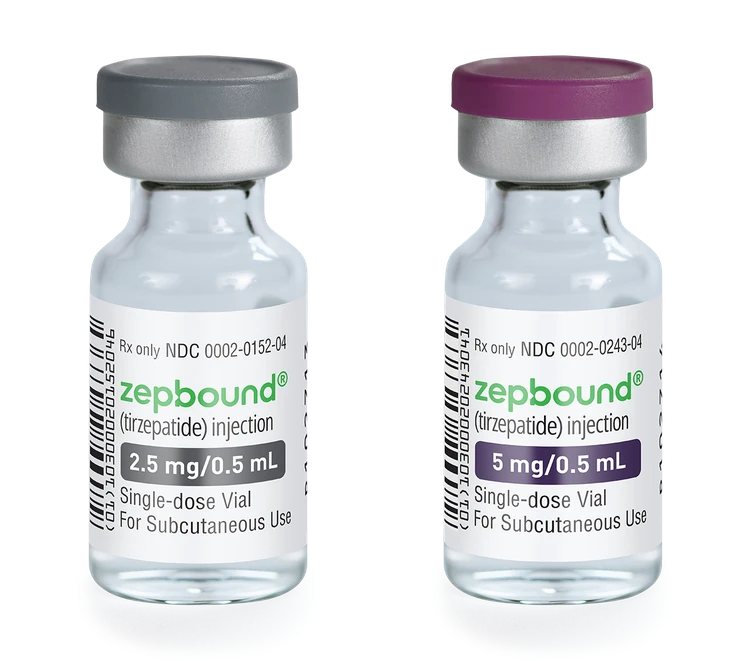
A major shift in insurance coverage threatens to upend access to Zepbound, Eli Lilly’s blockbuster weight loss drug that has surged in popularity since its launch a year and a half ago.

Zepbound, the brand name for tirzepatide, quickly became a household name as millions flocked to new GLP-1 medications promising not only weight loss but benefits for conditions such as sleep apnea. Eli Lilly, the Indianapolis-based pharmaceutical giant, estimates that 4.5 million people now use one of its GLP-1 drugs for weight management or related health concerns.

But the drug’s meteoric rise is facing a new obstacle: a coverage change by CVS, a leading pharmacy benefit manager, that may force patients to pay significantly more out-of-pocket or consider alternative therapies. Details of the coverage adjustment have not been publicly disclosed, but the move is poised to reshape how—and whether—many patients can afford the high-priced medication.

The development underscores broader tensions in the weight loss drug market, where demand for new treatments has boomed, but insurance companies and pharmacy benefit managers are grappling with how to contain costs for medications that can run over $1,000 per month.

Pharmaceutical giants have been critical of PBMs, saying their role needs to change. Eli Lilly previously told FOX Business that the only way to lower prices for U.S. consumers is if "intermediaries take less for themselves." 

For patients, the changes may soon bring difficult choices about their health—and their finances.

Article Image

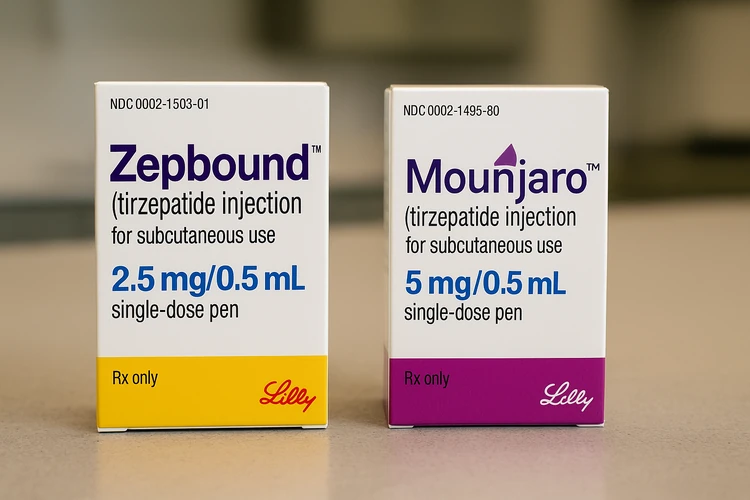
Eli Lilly sues companies selling compounded versions of Zepbound and Mounjaro

Key takeaways

  • Eli Lilly has filed lawsuits against four telehealth companies—Mochi Health, Fella Health, Willow Health, and Henry Meds—accusing them of deceptively marketing and selling compounded versions of its FDA-approved drugs, Mounjaro and Zepbound.

  • Lilly alleges these companies are promoting untested and unapproved drugs while steering patients away from its branded medications, despite compounding rules requiring tailored solutions for individual patient needs.

  • The legal action also questions the safety of the compounded drugs and challenges whether the defendants are violating FDA rules by mass-marketing rather than customizing medications, even though a drug shortage in 2022 had temporarily permitted compounding of Mounjaro.

Eli Lilly has filed lawsuits against four telehealth companies it says are selling compounded versions of Mounjaro, Lilly’s diabetes drug, and Zepbound, a drug for weight loss and control.

Lilly’s lawyers say the four sites –  Mochi Health, Fella Health, Willow Health and Henry Meds – are engaging in deceptive behavior as they market the compounded versions of Lilly’s popular medications.

The U.S. Food and Drug Administration allows compounding pharmacies to make versions of an approved drug if it is in short supply. Because of the enthusiastic consumer demand for GLP-1 weight loss drugs, Mounjaro was declared to be in short supply in 2022, allowing compounding pharmacies to make and sell a version.

‘Untested and unapproved’

The complaint alleges that the four telehealth sites are guiding patients away from Lilly’s versions of the two drugs and toward their own “untested, unapproved drugs.” According to CNBC, the four defendant companies have not commented on the litigation.

Lilly’s suit accuses the defendants of offering personalized options but are really mass-marketing different versions of Lilly’s drugs. 

Under compounding pharmacy rules, the pharmacies are allowed to make the drugs but must tailor medications to meet the unique needs of patients. This might involve:

  • Changing the dosage or strength of a medication.

  • Removing allergens or non-essential ingredients (like dyes or preservatives).

  • Creating a different form (e.g., turning a pill into a liquid).

  • Combining multiple medications into a single dosage.

These customized formulations are especially helpful for patients with allergies, difficulty swallowing pills, or specific dosage needs not met by mass-produced drugs.

In its suit, Eli Lilly also calls into question the safety of the compounded versions.

Article Image

Oral Semaglutide (GLP-1) may reduce heart attack, stroke risk in diabetes patients

In brief ...

  • 💊 A new international clinical trial found that oral semaglutide reduces the risk of major cardiovascular events by 14% in people with type 2 diabetes and heart or kidney disease.

  • ❤️ The once-daily pill targets a vulnerable population prone to heart attacks, strokes, and related complications, showing similar benefits to its injectable counterpart.

  • 🧬 The findings, presented at the American College of Cardiology’s annual meeting, highlight a major step forward in accessible diabetes and heart disease care.

Details

A new clinical trial led by researchers at the University of North Carolina School of Medicine has revealed that the oral form of semaglutide (GLP-1) significantly reduces the risk of heart attacks and strokes in people with type 2 diabetes, cardiovascular disease, and chronic kidney disease.

“Heart attacks and strokes are among the most common and devastating complications of diabetes,” said co-lead investigator Dr. John Buse, Director of the UNC Diabetes Care Center. “Semaglutide has been a mainstay of our efforts to reduce these outcomes. Having an oral option is a big advance.”

9,650 participants

The trial, known as the SOUL study, enrolled 9,650 participants from around the world. All had pre-existing cardiovascular conditions or chronic kidney disease, and were already receiving standard treatments to manage blood sugar and reduce heart risk. Half received a placebo, while the other half took a 14mg oral dose of semaglutide daily.

Published in the New England Journal of Medicine and presented at the American College of Cardiology’s Annual Scientific Session, the findings show that patients taking oral semaglutide were 14% less likely to experience major cardiovascular events, with the biggest reduction seen in nonfatal heart attacks.

Semaglutide, available in both injectable and oral forms, has drawn recent attention not only for its blood sugar-lowering power, but also for weight loss and even reduction in alcohol cravings. Its cardiovascular benefits have previously been confirmed in injectable form, but this is the first large-scale confirmation that the oral version delivers similar heart protection.

“This reinforces the idea that GLP-1 medications don’t just help with blood sugar and weight,” said Dr. Matthew Cavender, co-lead investigator and interventional cardiologist at UNC. “They could truly reshape how we manage cardiovascular risk in diabetes.”

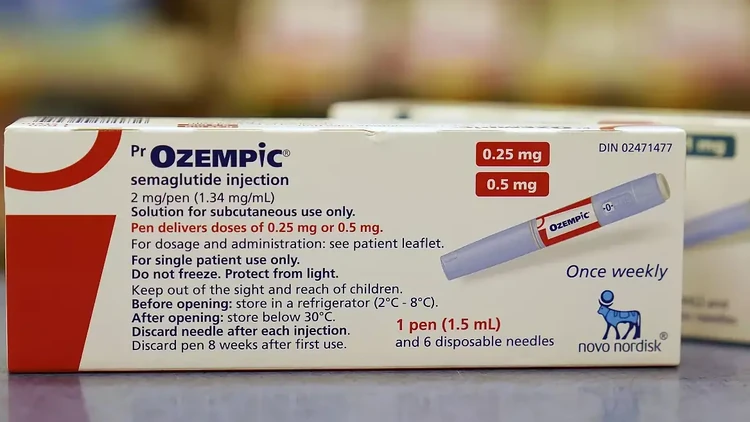
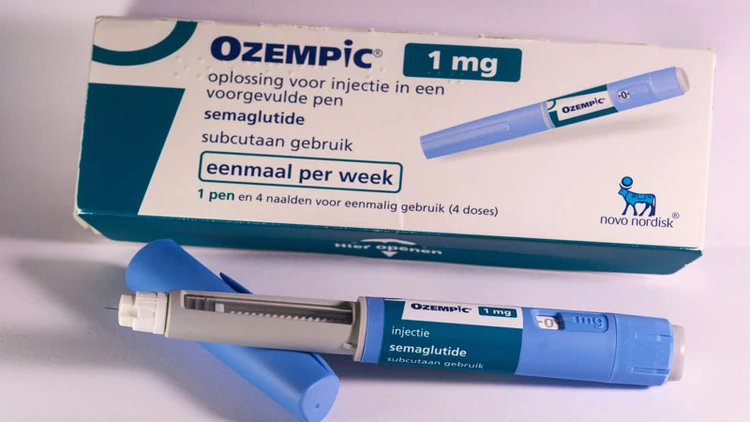
The trial was sponsored by Novo Nordisk, the pharmaceutical company that manufactures semaglutide under brand names like Ozempic and Rybelsus.

While the results are promising, researchers note that further studies will help clarify whether the oral or injectable form is more effective — and which patients might benefit most from each.