Natural Disasters

Latest

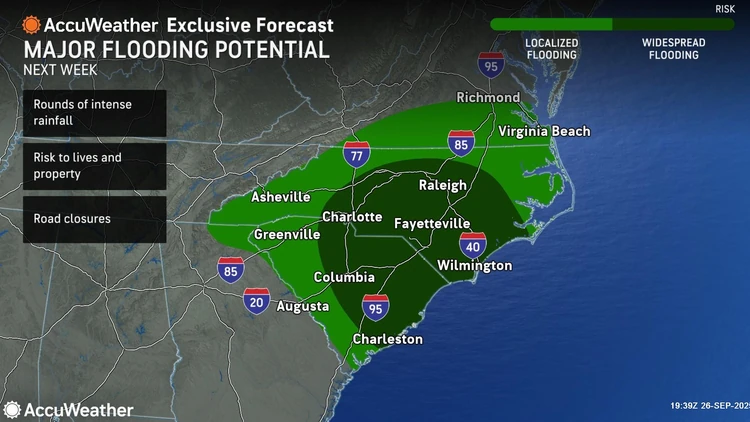
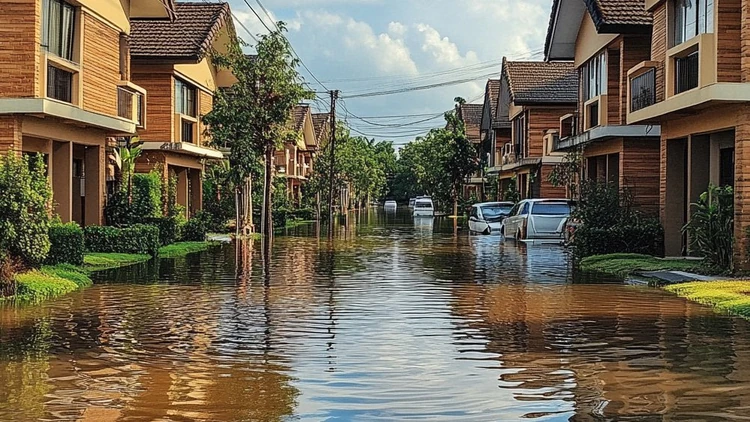
AccuWeather warns of life-threatening flooding threat in the Southeast

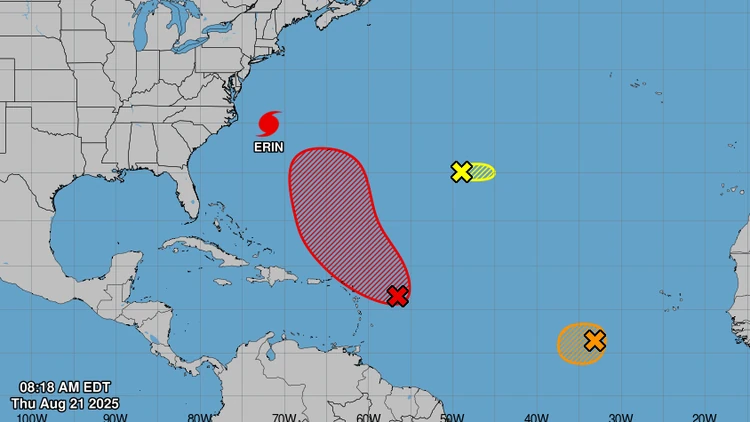
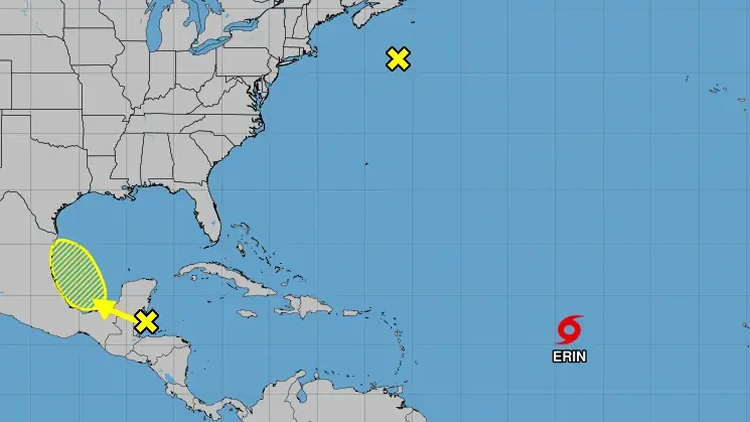
Two storms are brewing in the Atlantic and could create dangerous conditions by Monday

Featured Home and Living News photo

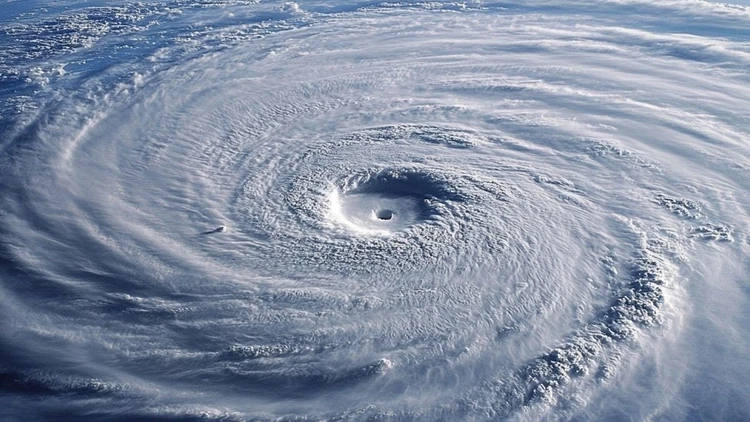
Storm near Cuba expected to strengthen into Tropical Storm Imelda this weekend

Up to 2 feet of rain possible in parts of the Carolinas early next week

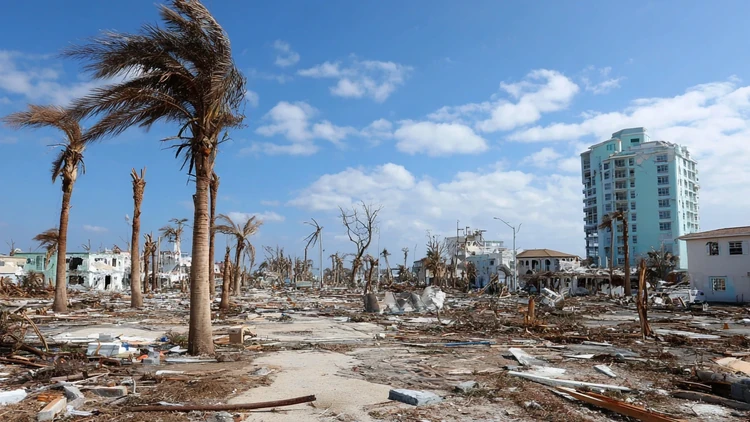
Winds up to 85 mph could cause power outages and structural damage

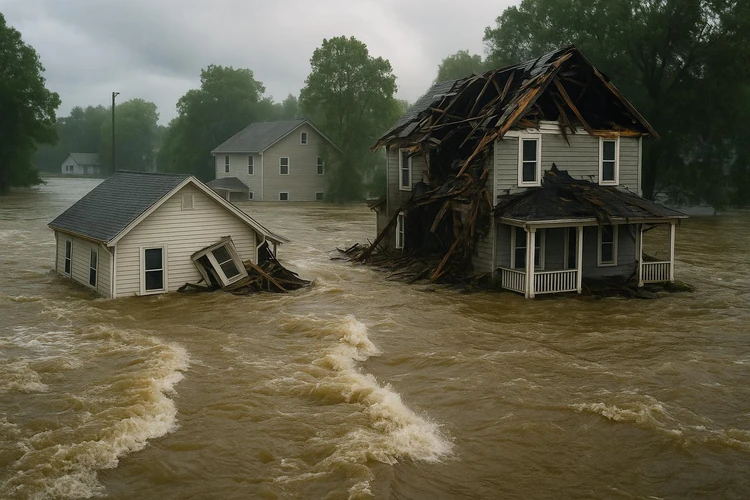
AccuWeather hurricane experts are warning about the growing threat of heavy rainfall and flash flooding as a storm moves toward the Southeast U.S. coast. The system, currently north of Cuba, is expected to strengthen into a tropical storm this weekend and coul...

Read Article
Featured Home and Living News photo

Article Timeline

Newest
  • Newest
  • Oldest
2025
Article Image

Feds warn consumers about carbon monoxide and fire hazards during winter storms

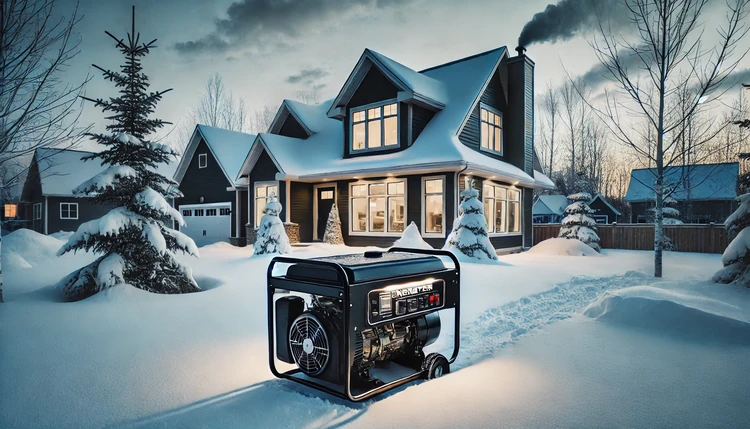
As a series of winter storms threaten millions across the central Plains, Midwest, Ohio Valley, and Mid-Atlantic regions this week, the U.S. Consumer Product Safety Commission has issued a critical warning to consumers about the risks of carbon monoxide (CO) poisoning and fires. These dangers are particularly heightened during power outages when portable generators are frequently used.

The CPSC emphasizes the lethal risk of CO poisoning from gasoline-powered portable generators, which can kill within minutes. Known as the "invisible killer," CO is colorless, odorless, and deadly. Symptoms such as nausea, dizziness, and weakness can onset rapidly, often leaving individuals unconscious before they can react.

On average, CO poisoning from portable generators claims about 100 lives annually in the U.S., according to the CPSC's latest report. To mitigate these risks, the CPSC advises:

  • Never operate a portable generator indoors, including in garages, basements, or enclosed spaces. Adequate ventilation cannot be achieved by merely opening doors or windows.

  • Use generators outdoors, at least 20 feet away from the home, directing exhaust away from buildings.

  • Follow safety instructions regarding electrical shock hazards, particularly in inclement weather.

  • Regularly maintain generators and ensure they are equipped with a CO shut-off feature, which significantly reduces the risk of CO poisoning.

Make sure alarms are working

The CPSC underscores the importance of functioning smoke and CO alarms. These should be installed on each level of the home and outside sleeping areas, with monthly tests to confirm their operation. Immediate evacuation is advised if an alarm sounds, followed by contacting emergency services.

Portable heaters, another common winter hazard, should be kept at least three feet away from flammable materials and placed on stable surfaces. They should never be left unattended, and electric heaters should be plugged directly into wall outlets, avoiding power strips.

The CPSC warns against using charcoal indoors due to CO risks and advises caution with candles, recommending flashlights or battery-operated alternatives. In the event of a gas leak, residents should evacuate immediately and contact authorities without using electronic devices.

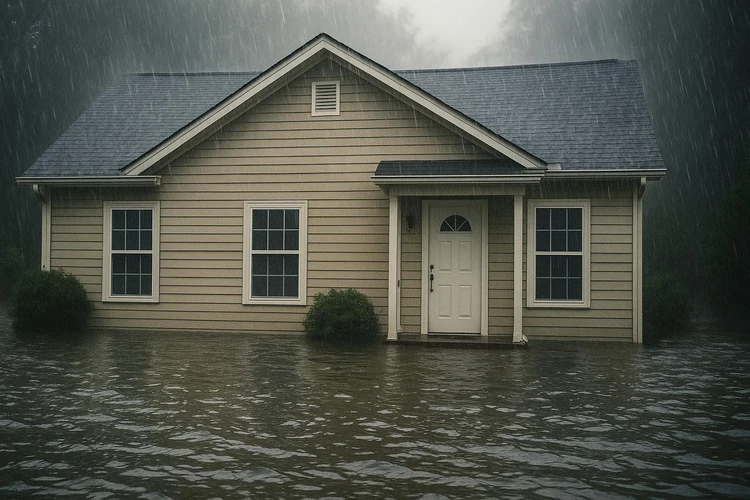
For homes affected by flooding, the CPSC advises against touching wet appliances still connected to power sources. Professional evaluation is recommended before using appliances, with replacements for any gas control valves or electrical components submerged in water.

As a series of winter storms threaten millions across the central Plains, Midwest, Ohio Valley, and Mid-Atlantic regions this week, the U.S. Consumer Produ...

Article Image

A major winter storm brings misery to millions

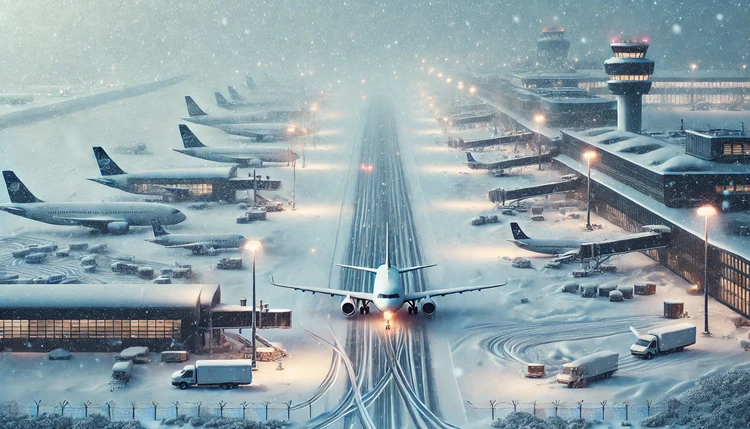
The winter storm spreading across the middle of the country Sunday brought its share of consumer headaches, starting with canceled airline flights. FlightAware, an airline tracking app, counted more than 1,800 canceled flights on Sunday and at least 8,500 delays

The most affected airports lay in a band from Kansas City to Washington, DC, but nearly all U.S. airports were affected in some way because of connecting flights. 

Passengers whose flights were canceled are entitled to a refund of their ticket, not just a voucher for future travel. According to the U.S. Department of Transportation regulations, airlines are required to provide automatic cash refunds for canceled flights, regardless of the reason for the cancellation.

In late October, the Transportation Department strengthened its refund rule, requiring airlines to issue refunds “instantly” after canceling a flight.

“Passengers deserve to get their money back when an airline owes them—without headaches or haggling,” Transportation Secretary Pete Buttigieg wrote in an October post on X. “Today, our automatic refund rule goes into full effect. Airlines are required to provide prompt cash refunds without passengers having to ask.”

Power outages

Even some people who weren’t traveling were affected by the storm. The Weather Channel reports more than 260,000 households were without electricity as of early Monday morning and at least three deaths had been attributed to the winter storm. 

People without power are reminded not to use gasoline generators or propane grills indoors since both give off lethal levels of carbon monoxide.

Chapman, Kan., and St. George, Kan., got socked with the heaviest snowfall east of the Rocky Mountains. The Weather Channel said both areas recorded at least 18 inches of snow.

The storm, accompanied by frigid temperatures, is expected to continue moving east throughout Monday and Tuesday this week.

The winter storm spreading across the middle of the country Sunday brought its share of consumer headaches, starting with canceled airline flights. FlightA...