2024 Natural Disasters

Article Image

Hurricane Helene may cause a Christmas tree shortage

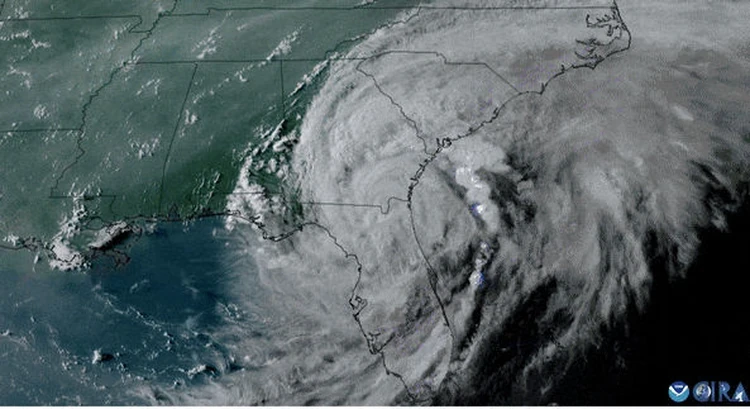
Christmas tree sales will likely increase Thanksgiving weekend, and if there are fewer live trees to choose from, you can blame Hurricane Helene.

North Carolina is a center of Christmas tree farms and several were devastated by Helene’s massive late September floods. Trinity Tree Company at Avery Farms, a third-generation family operation, lost 80,000 trees.

Besides creating a shortage of trees this year, owner Graham Avery says it may be 15 years before operations can recover. The floods not only destroyed the current crop of trees, it brought in pollution that poisoned the soil.

"It's going to be a tremendous amount of money to strip all this land back down, to take the dirt and start all over," owner Graham Avery told WJHL-TV. "It's millions of dollars, and it’s many years. It’s just awful."

The farm is located in the western part of North Carolina, which was the hardest hit region. Other Christmas tree farms in the region also suffered damage.

North Carolina sells more than 3 million Christmas trees per year and is a key market for seasonal decorations. In 2022, tree farms in the state produced $144 million in revenue.

Because of the long lead time it takes to harvest a Christmas tree, there few other producers not affected by the floods can do to alleviate any shortage. North Carolina is the second-largest grower of Christmas trees, just behind Oregon.

Oregon farmers tend to supply trees in the western states while states East of the Mississippi River are largely served by North Carolina farmers. The Frasier fir is the most common live Christmas tree grown in North Carolina.


Article Image

Wildfires, pollen, other irritants call for one or more air purifiers

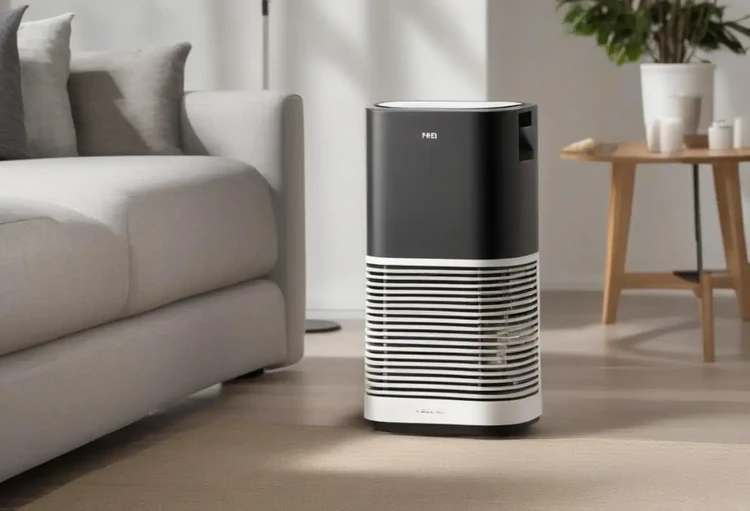
With wildfires raging in California and elsewhere, millions of Americans are being exposed to dangerous air pollution, even when they're indoors. The most hazardous element is particulate matter -- tiny particles that can penetrate deep into the lungs and even enter the bloodstream.

Health effects include cardiovascular damage, respiratory difficulties and more general symptoms including eye and throat irritation. It's best to stay indoors as much as possible and many health officials recommend using an air purifier with HEPA filters.

If you live in an area that frequently experiences wildfires or other pollutants, you may want to consider a whole-house system or multiple portable units to effectively clean the air throughout your home. 

​There are two primary ways to install an air cleaner with a HEPA filter in your home:

  1. Portable Room Air Purifier: This is the simplest and most affordable option. You can purchase a stand-alone unit and place it in the room where you need it most. Ensure it's appropriately sized for the room and has a HEPA filter with a high CADR (Clean Air Delivery Rate).  

  2. Whole-House Air Cleaner: This system is integrated into your HVAC system and cleans the air throughout your entire home. There are two main options for whole-house air cleaners:  

    a. In-Duct HEPA Filter: This filter is installed directly into your HVAC system's ductwork, usually near the return air vent. It requires professional installation to ensure proper airflow and avoid straining your system.  

    b. HEPA Bypass Filter: This system runs parallel to your main HVAC filter, allowing a portion of the air to pass through a HEPA filter for additional cleaning. It's less restrictive on airflow and can be DIY installed.

Factors to consider:

  • Budget: Portable air purifiers are generally more affordable than whole-house systems.

  • Coverage Area: Consider the size of your home and the areas you want to prioritize for clean air.

  • Installation: Whole-house systems might require professional installation, while portable units are plug-and-play.  

  • Maintenance: Both types require regular filter replacement and cleaning.  

Setting it up

If you're using one or more portable units, here's some advice from the Association of American Home Appliance Manufacturers on setting them up.

  • Position the air cleaner properly: Move the air cleaner toward the center of the room and operate it on the highest setting in an area free of obstructions. The more air that goes through the air cleaner, the more pollutants it will remove.
  • Change the filter regularly: Your air cleaner’s use and care manual will recommend how often to change your air cleaner’s filter. Extended operation in an area affected by heavy smoke may require more frequent filter changes. If the filter is changing color or if the level of air coming out of the air cleaner drops, it could mean the filter should be changed. Keep extra filters on hand, especially during wildfire season. Purchase replacements from reputable sources to ensure they are genuine and not counterfeits.
  • Clean the outside: Some manufacturers recommend using a vacuum to remove dust from the outside of the air cleaner. Vacuum or gently clean the dust from the outside of the air cleaner when you notice a buildup. An air cleaner that is dirty on the outside is likely dirty on the inside, so make this part of the process when you are replacing or cleaning the filter.
  • Vacuum regularly: Air cleaners are only part of the equation for cleaner indoor air. Use a vacuum with a HEPA filter to remove particles so they are not kicked back into the air you breathe.
  • Change your furnace filter: If you change your furnace filter regularly, you might not have to change the filter in your air cleaner as often. However, a furnace filter is not a substitute for an air cleaner because it is designed to trap large particles. In addition, it is common for particles to miss the furnace filter and end up inside the home.