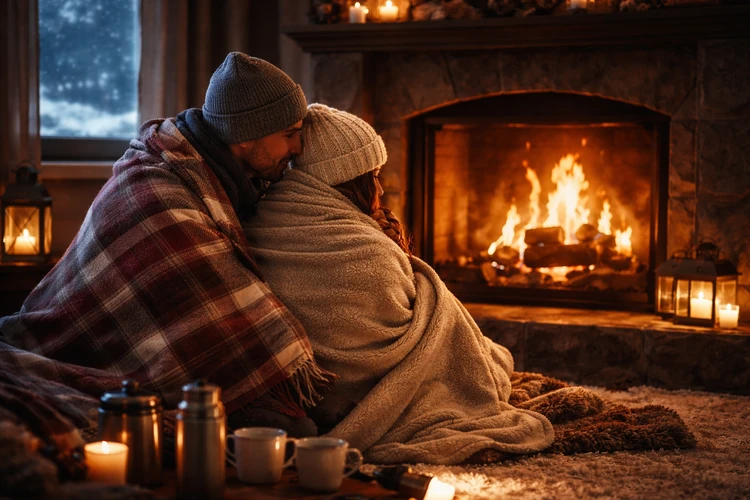

Conserve and trap heat indoors: Stay in one small, interior room, block drafts with towels or blankets, cover windows at night, and sit or sleep lower to the ground where it’s warmer.
Use body heat and layers efficiently: Wear multiple thin layers, keep hats and socks on indoors, share space with others, use sleeping bags, and stay dry to avoid rapid heat loss.
Heat safely and know when to leave: Use only indoor-rated heaters or properly vented fireplaces, never use grills or ovens for heat, eat warm, high-calorie foods, and seek a warming center or shelter if temperatures become dangerously low.
A major winter storm – the largest in more than a decade – is hitting the country this weekend, extending from Texas to the East Coast. Forecasters are calling for significant snow totals, but more concerning is freezing rain.
A wide area of the middle of the U.S. is expected to get ice accumulation that could bring down trees and power lines, leaving people without electricity for several days, amid freezing temperatures.
When the power’s out for days in a winter storm, the goal is to trap heat, reduce exposure, and use safe backup warmth. Here are practical, field-tested tips that actually help:
Keep the Heat You Have
Pick one room to live in. Choose a small, interior room (preferably with few windows). Close doors to unused rooms.
Block drafts. Use towels, blankets, or even rolled-up clothing at the base of doors and windows.
Cover windows at night. Hang blankets, sleeping bags, or bubble wrap over windows to slow heat loss. Open them during sunny daytime hours if possible.
Stay low. Heat rises—sleep and sit lower to the ground where it’s warmer.
Use Your Body Heat Wisely
Layer smartly. Multiple thin layers rather than one bulky one. Don’t forget hats and socks indoors.
Share warmth. If you’re with others, stay together in the same room.
Use sleeping bags indoors. Especially winter-rated ones—huge difference.
Stay dry. Change out of sweaty or damp clothes immediately.
Safe Heat Sources (Critical Safety Notes)
Fireplaces: Use only if designed for indoor heating and vented properly. Close doors/screens.
Propane or kerosene heaters:
Use only models rated for indoor use
Ensure ventilation
Keep a carbon monoxide detector running on batteries
Never use:
Grills or camp stoves indoors
Ovens or stovetops for heat
Generators inside or near windows
Warm From the Inside
Eat high-calorie foods. Your body generates heat by digesting.
Drink warm liquids (soup, tea, hot water).
Avoid alcohol. It makes you feel warm but actually increases heat loss.
Small but Helpful Tricks
Hot water bottles (or water heated safely and sealed tightly) tucked under blankets.
Candles can add a little heat in a small room—but only with constant supervision and fire safety.
Insulate floors with rugs, blankets, or cardboard.
If It Gets Dangerous
If indoor temps drop below 40°F for extended periods, consider:
Warming up in your car outside, ensuring the exhaust pipe is clear of snow
Going to a shelter, warming center, or neighbor’s home
Protect pipes by letting faucets drip slightly if possible.