How ConsumerAffairs uses cookies

This website utilizes technologies such as cookies to enable essential site functionality, as well as for analytics, personalization, and targeted advertising. To learn more, view the following link:

Consumer Product Lawsuits and Safety Alerts

This living topic explores various legal disputes and safety concerns involving consumer products. It covers lawsuits related to environmental claims, false advertising, product safety, and misleading marketing practices. Examples include cases against Tyson Foods for misleading sustainability claims, Equifax for inaccurate credit scores, MetroPCS for deceptive international calling plans, and Merck over the drug Fosamax. It highlights the impact of these cases on consumers and companies, and provides updates on settlements and ongoing legal proceedings.

Latest

Johnson & Johnson agrees to $5.5 billion settlement of talc lawsuits

Plaintiffs have waited for years for compensation

Featured Class Action and Legal News photo

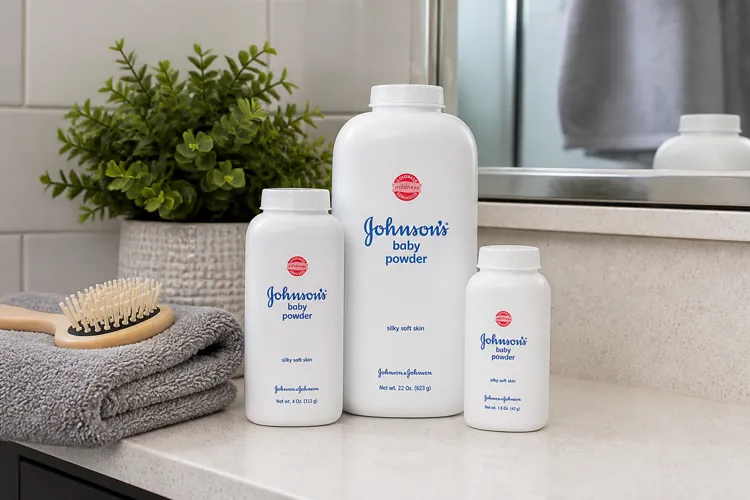
Johnson & Johnson has agreed to commit $5.5 billion to settle approximately 76,000 remaining ovarian cancer claims involving its talc products.

The agreement requires participation by law firms representing at least 95% of the remaining claims.

The company continues to deny that its talc products cause cancer and does not admit wrongdoing under the proposed settlement.

The lawsuits have dragged on for more than a decade but a resolution may be in sight. Johnson & Johnson ha...

Read Article
Featured Class Action and Legal News photo
Article Image

Lawsuit claims Costco’s rotisserie chicken contains preservatives

  • A proposed class action lawsuit claims Costco’s rotisserie chicken contains undisclosed or misleadingly labeled preservatives.

  • Plaintiffs allege shoppers believed the popular chicken was more natural than it actually is.

  • Costco says its labeling complies with food safety and disclosure laws.


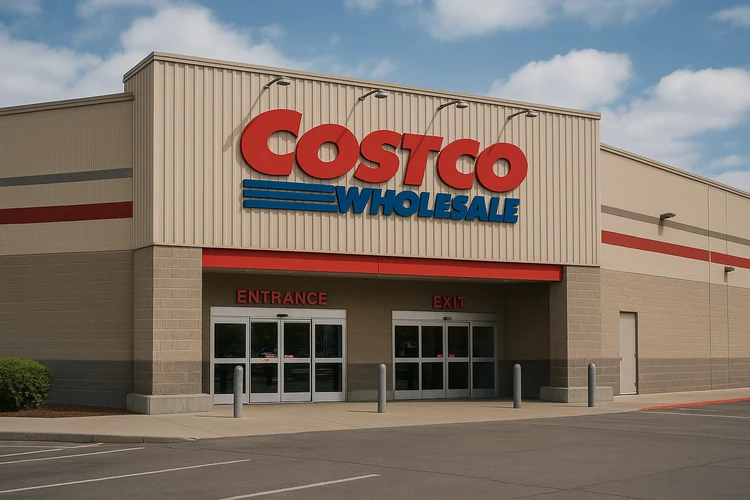
A new class action lawsuit is challenging the ingredients in one of Costco’s most popular food items, alleging that the retailer misled shoppers about preservatives used in its iconic $4.99 rotisserie chicken.

Filed in federal court, the lawsuit claims Costco markets its rotisserie chicken in a way that leads consumers to believe the product is free from artificial preservatives, when in fact it allegedly contains chemical additives used to enhance shelf life and appearance. The plaintiffs argue that ingredient disclosures and in-store marketing do not clearly communicate the presence or purpose of those substances.

What the suit claims

At the center of the case are preservatives such as sodium phosphate and other processing aids, which the lawsuit says many consumers actively try to avoid. The complaint maintains that reasonable shoppers associate Costco’s rotisserie chicken with freshness and minimal processing, and would not have purchased it — or would have paid less — had they known preservatives were involved.

Costco’s rotisserie chicken has achieved near-legendary status as a loss leader, drawing millions of customers into its warehouses each week. The company has previously highlighted its control over the supply chain, including operating its own poultry facilities, to ensure consistency and affordability.

“Because sodium phosphate and carrageenan perform preservative functions in the Rotisserie Chicken, the Rotisserie Chicken in fact contains added preservatives,” the lawsuit claims. “This inconsistency is not apparent to consumers at the time of purchase because, compared to the “No Preservatives” Representations, the ‘back of the label’ ingredient list is less prominent, appearing in smaller print on the Rotisserie Chicken’s packaging.”

The company’s response

In response to the lawsuit, Costco has denied any wrongdoing, stating that all ingredients are properly disclosed and approved by regulators. The company says its labeling meets federal food safety standards and that preservatives used in the chicken are common in the industry and serve legitimate food safety and quality purposes.

Consumer advocates say lawsuits like this reflect growing demand for transparency in food labeling, as shoppers increasingly seek out products they perceive as natural or minimally processed. Courts, however, often weigh those expectations against whether companies technically comply with labeling regulations.

The lawsuit seeks class-action status, damages for affected consumers, and changes to Costco’s labeling and marketing practices. If the case proceeds, it could have implications for how prepared foods are described across grocery stores nationwide.

2025
Article Image

States join FTC lawsuit against Uber over Uber One subscriptions

  • New York Attorney General Letitia James has joined a multistate lawsuit accusing Uber of trapping consumers in hard-to-cancel subscriptions.

  • The suit targets Uber One, a paid service that promises savings on rides and food delivery but allegedly enrolls users without clear consent.

  • State and federal officials are seeking refunds for consumers and a permanent ban on the company’s alleged deceptive practices.


A bipartisan coalition of 20 attorneys general in a lawsuit against Uber Technologies, LLC and Uber USA, LLC, accusing the company of misleading consumers and trapping them in recurring subscriptions to its Uber One service.

The lawsuit, originally filed by the Federal Trade Commission, alleges that Uber violated state and federal consumer protection laws by deceptively marketing Uber One and making it unreasonably difficult for users to cancel once enrolled.

According to the lawsuit, Uber aggressively promotes Uber One through pop-ups and in-app notifications in the Uber and Uber Eats apps, encouraging users to sign up for promised savings on rides and food delivery. The attorneys general allege that many consumers were enrolled without realizing they had signed up for a paid subscription.

Once enrolled, users were automatically charged $9.99 per month — or $96 annually — and faced what the lawsuit describes as a confusing and burdensome process to cancel, requiring them to navigate multiple menus and screens.

“Unwanted subscriptions that are seemingly impossible to cancel are driving up costs for everyday New Yorkers,” said New York Attorney General Letitia James. “Companies should not be able to profit by tricking consumers into recurring charges that can require hours of difficult work to stop.”

Claims about savings challenged

The lawsuit also challenges Uber’s marketing claims about the financial benefits of Uber One. State officials allege that Uber falsely promised consumers they would “save $25 every month” with the subscription, without adequately disclosing that the claimed savings did not account for the monthly subscription fee.

Attorneys general argue that these representations misled consumers about the true cost and value of the service, particularly when combined with the automatic, recurring charges.

What the states are seeking

James and the coalition are asking the court to order restitution for consumers who were charged for unwanted Uber One subscriptions. The lawsuit also seeks a permanent injunction to stop Uber from engaging in what the states describe as deceptive subscription and cancellation practices.

If successful, the case could force changes to how Uber markets and manages paid subscriptions nationwide, particularly those promoted through mobile apps with recurring billing.

Article Image

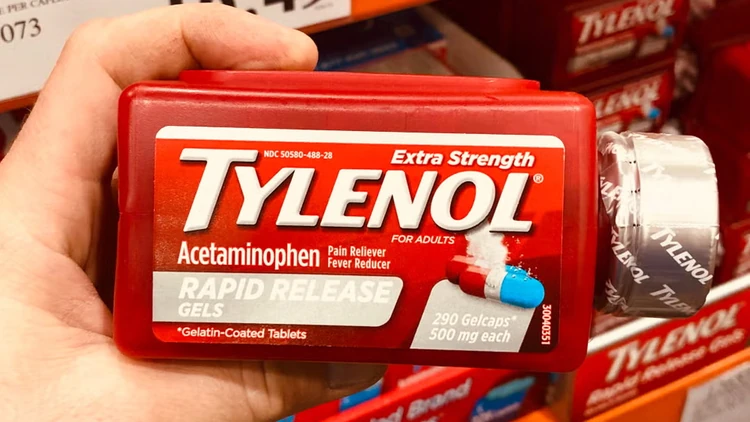
Texas sues Tylenol makers over alleged pregnancy risks

• Paxton accuses Johnson & Johnson and Kenvue of hiding safety risks
• Suit follows Trump’s statements that Tylenol use in pregnancy causes autism
• Medical experts say science remains inconclusive and warnings could harm maternal care


Texas Attorney General Ken Paxton filed a lawsuit Tuesday against Johnson & Johnson and Kenvue, the makers of Tylenol, alleging that the companies concealed potential risks of the drug’s use during pregnancy on children’s brain development.

The lawsuit claims the companies “knowingly withheld evidence” linking acetaminophen, Tylenol’s active ingredient, to autism and attention deficit hyperactivity disorder (A.D.H.D.). It also asserts that Johnson & Johnson spun off Kenvue in 2023 to shield itself from liability related to the drug.

The case echoes claims made by President Trump that Tylenol use in pregnancy could cause autism.

Scientific debate and political overtones

Medical experts and regulators say there is no proven causal link between acetaminophen use during pregnancy and neurodevelopmental disorders in children. While some studies have shown correlations, others have found no connection once factors like genetics and maternal health are considered.

A recent scientific review from Harvard’s T.H. Chan School of Public Health and Mount Sinai found that more than half of 46 studies showed a correlation — but none proved causation. Major health agencies, including the Food and Drug Administration and the European Medicines Agency, have concluded that the evidence remains inconclusive.

The FDA recently announced it was considering adding a label warning about possible neurodevelopmental effects, a move Kenvue said it would oppose.

“We will defend ourselves against these baseless claims,” said Melissa Witt, a spokeswoman for Kenvue, in a New York Times report. “We stand firmly with the global medical community that acknowledges the safety of acetaminophen.”

Public health officials warn that spreading fear about Tylenol could have unintended consequences. Medical groups note that acetaminophen is often the only safe pain reliever during pregnancy, particularly for treating high fevers that could endanger both mother and baby.

While hundreds of families nationwide have sued the companies over similar claims, federal courts have largely dismissed the cases for lack of scientific proof. Paxton’s new case — filed in a conservative Texas county — takes a different approach, focusing on alleged consumer deception under state law.

2024
2023
2022