2024 Consumer Product Lawsuits and Safety Alerts

Article Image

Consumers warned not to use alcohol fire pits

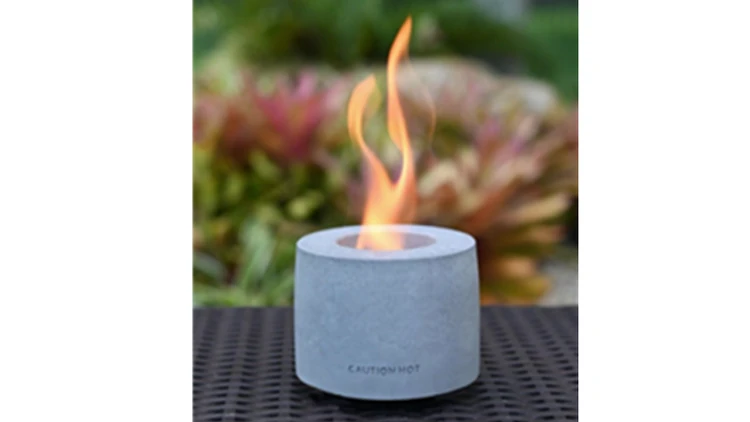
The Consumer Product Safety Commission has issued a critical consumer alert, urging consumers to stop purchasing or using fire pits designed to burn pooled alcohol or other liquid fuels.

These products, often marketed as tabletop fire pits, fire pots, miniature fireplaces, or portable indoor fires, pose significant safety risks and should be immediately discontinued and disposed of by consumers. Retailers are also advised to halt sales of these hazardous items.

In October, Colsen issued a recall for about 89,500 fire pits because the company said there is a risk of serious burn injuries from flames jetting from the pit and spreading fire. At the time there had been 31 incidents reported, some resulting in serious burns.

Since 2019, CPSC said alcohol fire pits have been linked to two fatalities and over 60 injuries, prompting the CPSC's stern warning. This alert follows previous advisories concerning FLIKRFIRE Tabletop Fireplaces and the recall of Colsen-branded tabletop fire pits.

Regulators said the primary danger associated with these fire pits arises from their design, which requires users to pour isopropyl alcohol or other liquid fuels into an open container before ignition.

This process violates the voluntary safety standard ASTM F3363-19, intended to prevent pool fires and flame jetting. These standards are crucial in mitigating the risks of flames spreading across the surface of pooled liquids and preventing explosive flame jetting incidents.

Extreme temperatures

The fuels used in these fire pits, such as isopropyl alcohol and ethanol, burn at temperatures exceeding 1,600°F, capable of inflicting third-degree burns in under a second. Igniting these fuels in an open container can lead to uncontrollable pool fires, producing unexpectedly large and intense flames that may extend beyond the confines of the fire pit.

A particularly perilous hazard, flame jetting, can occur during the refueling process if any flame remains present. This phenomenon can cause an explosive reaction, propelling flames and burning liquid onto users or nearby individuals. The CPSC has released a safety video demonstrating the severe impact and reach of flame jetting.

These dangerous products are widely available through various retailers and online platforms. The CPSC strongly advises consumers to discontinue use and dispose of any alcohol or liquid-burning fire pits and urges sellers to remove these items from their inventories immediately.
Article Image

SKIL batteries for tools recalled due to fire hazard

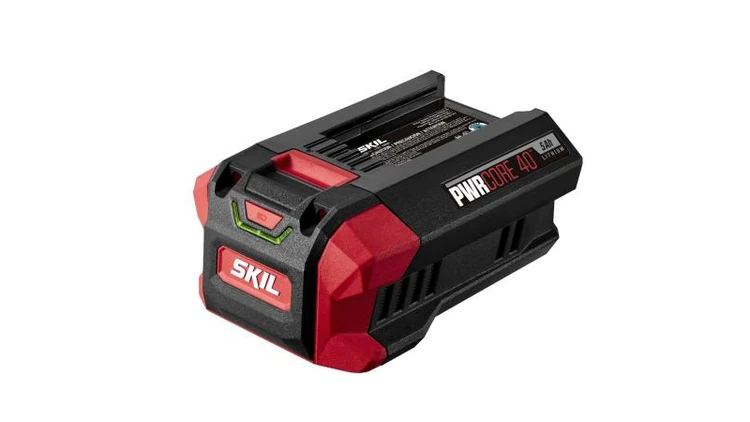
Chervon North America has issued a recall for 63,000 of its SKIL 40V 5.0Ah lithium-ion batteries for SKIL lawnmowers and outdoor tools due to a fire hazard. 

The firm has received 100 reports of thermal incidents involving the batteries including overheating, melting, smoking and fire. These included eight reports of minor burns and/or smoke inhalation and 49 reports of related property damage.

The batteries were sold at Lowe’s and other hardware and home improvement stores nationwide and online at Amazon.com, Walmart.com and Lowes.com from October 2019 through December 2024 for about $170 for batteries sold individually and about $400 for combination kits with lawnmowers.

This recall involves SKIL brand 40V 5.0Ah Lithium-Ion Batteries that were manufactured before May 1, 2021. “SKIL” and “PWRCORE 40” are printed on the batteries. 

The recalled batteries were sold individually under the model number BY8708-00 for use with all SKIL 40V tools and were also sold in a combination kit with SKIL 40V Brushless 20-in Push Mowers (Model #PM 4910-10) or SKIL 40V Brushless 20-in Self-Propelled Mowers (Model #SM4910-10). Only the battery is recalled. 

The model number BY8708-00 and manufacturing date code, which is the first three digits of the 9-digit serial number, are located on a nameplate on the top of the battery pack near the battery terminals. The following manufacturing date codes are included:

What to do

Consumers should immediately stop using the recalled lithium-ion batteries and contact Chervon for a free replacement or refund for the price of the battery. Consumers should register for the recall online at www.skil.com/recalls. Chervon will provide a battery collection kit for the consumer to return the recalled battery and will provide the requested remedy upon return of the recalled battery. 

Consumers may contact Chervon North America toll-free at 833-476-5325 from 8 a.m. to 8 p.m. ET Monday through Friday, email at BY8708-00recall@na.chervongroup.com, or online at www.skil.com/recalls or www.skil.com and click on “PRODUCT RECALLS” at the top of the page for more information.

Article Image

Charmast recalls nearly a half million power banks sold by Amazon

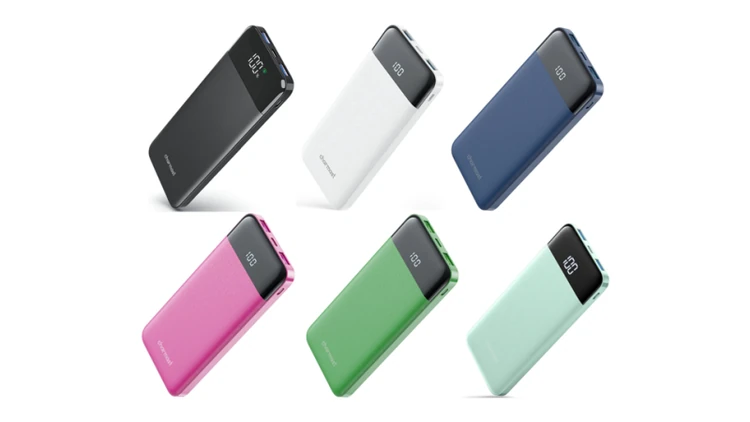
Charmast has issued a recall for 488,000 power banks because the can overheat and pose fire and burn hazards. The company said it has received 44 reports of the recalled power banks expanding, igniting, melting, overheating or smoking, including four reports of consumers receiving burns or blisters.

The devices were sold exclusively at Amazon. This recall involves Charmast power banks, model W1056. They were sold in black, blue, green, mint, pink and white colors. The brand name “Charmast” is printed on the front and “Model: W1056” is printed on the back.

What to do

Consumers should stop using the recalled power banks immediately and contact Charmast for instructions on how to receive a full refund. 

To receive a refund, consumers will be required to provide photographs of their model W1056 power bank, their names and dates of the photograph written in indelible (permanent) marker above the label, and the severed power cord. Consumers should dispose of the power banks in accordance with local and state regulations.

Consumers may contact Charmast collect at 929-636-0293 Monday through Friday, from 10 a.m. to 3 p.m. ET, by email at rcus@charmast.com, or online at https://www.charmast.com/pages/recall-info-page or www.charmast.com and click on “Recalls” at the top of the page for more information.

Article Image

FDA found ‘mold-like substance’ at Tom’s of Maine plant

The U.S. Food and Drug Administration has sent a warning letter to Tom’s of Maine, telling the personal care products company that FDA inspectors found a “mold-like” substance at its plant, along with other safety violations.

The black mold-like substance was found at the base of the hose reel and behind the water storage tank, according to the FDA inspector’s report.

“Your firm failed to follow appropriate written procedures, designed to prevent objectionable microorganisms in drug products not required to be sterile (21 CFR 211.113(a)),” the FDA wrote in a letter to Tom’s of Maine CEO Noel Wallace.

Bacteria in the water supply

The FDA said it found several types of bacteria in the water supply and the company’s plant in Sanford, Maine. It identified the bacteria as  Paracoccus yeei,  Pseudomonas aeruginosa and Ralstonia insidiosa. 

Pseudomonas aeruginosa can cause blood, lung and urinary tract infections. Ralstonia insidiosa can lead to sepsis.

Of concern to the FDA inspector who filed the report, the company used the bacteria-tainted water to clean equipment at the plant. 

Tom's of Maine is known for products such as toothpaste, mouthwash and lip balms. Founded as an independent disrupter in the personal care products space, it is now owned by Colgate-Palmolive, which gives the products wide distribution.

In a statement to the news media, Tom’s of Maine said it is working with the FDA to resolve all of the issues noted in the warning letter.

Article Image

New class action suit is targeting maker of Stanley cups

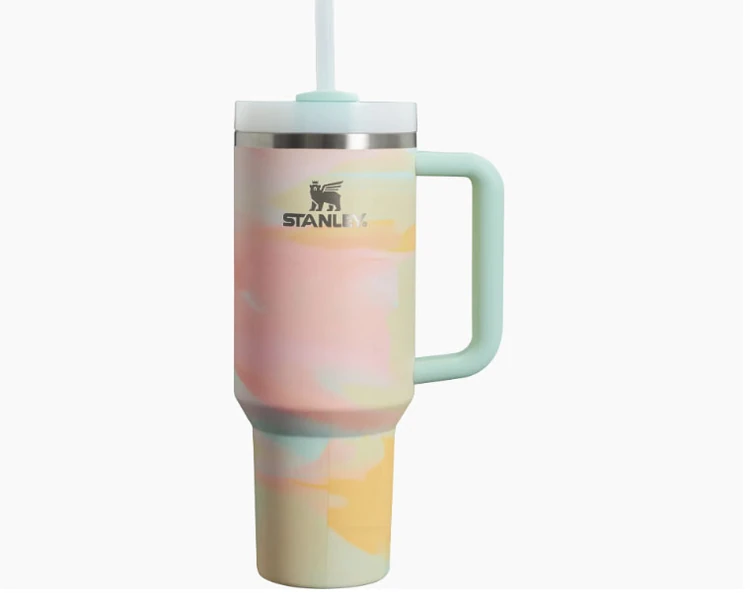
Stanley tumblers have taken the world by storm in recent months. The cups drew a lot of public attention and interest after becoming an internet phenomenon, and then quickly came under scrutiny for containing lead. 

Now, the manufacturer of the popular cups, Pacific Market International (PMI), is being sued by four California women in a class action suit for allegedly deceiving consumers about the presence of lead in the tumblers. 

“PMI had a duty to disclose its use of lead before enticing millions of customers to unwittingly buy its drinkware,” the suit states. “Instead of allowing customers to decide for themselves and their families whether to accept any risks associated with using a lead-contaminated drinking cup, PMI kept customers in the dark so as not to interfere with its bonanza of influencer-driven sales, especially to young women.” 

Is there lead in Stanley cups?

The short answer: yes. But it’s more complex than that. 

To keep drinks cold, Stanley tumblers use stainless steel. At the bottom of each cup, there is a small pellet that contains lead, which is the stainless steel vacuum seal insulation.

Should that seal come off, consumers would have direct exposure to the lead pellet while drinking from their Stanley cups. However, according to comments from the company, the likelihood of that happening is very slim. 

“Our manufacturing process currently employs the use of an industry standard pellet to seal the vacuum insulation at the base of our products; the sealing material includes some lead,” the company explains on its website. “Once sealed, this area is covered with a durable stainless steel layer, making it inaccessible to consumers.” 

The company also explained that all cups and tumblers are eligible for a lifetime warranty should any of the seals break. 

What are the details of the lawsuit? 

Though PMI has been forthcoming in its use of lead in the manufacturing process of its Stanley cups, the lawsuit alleges that this hadn’t come out until recently. Meanwhile, the cups had generated a great deal of internet buzz prior to that. 

“PMI has marketed its products to the public for years as a safe, practical item especially suitable for young women,” the suit states. “But PMI did not disclose its use of lead in manufacturing until January 2024. Rather, it advertises its cups as being ‘BPA-free’ and made of stainless steel, while omitting another key ingredient used in its vacuum seal: lead.” 

The suit also states that all four women bought the cups, containing lead, with no disclosures or warnings about the lead, and they wouldn’t have bought the cups – or spent as much as they did on a cup – had they known they contained lead. 

The plaintiffs are requesting that Stanley discloses the use of lead or any other toxins in its products, as well as several undisclosed damages.