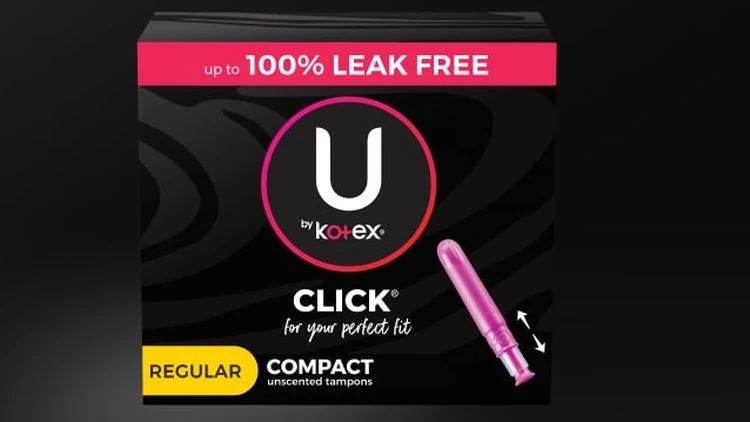

• Plaintiffs say independent lab testing found “substantial” lead in all sizes/configurations of the product.
• The class-action alleges Kimberly‑Clark Corporation failed to disclose the lead content, depriving consumers of informed choice.
• The case spotlights growing scrutiny of feminine hygiene products and corporate disclosure practices.
A proposed class action lawsuit brought in Illinois federal court accuses Kimberly-Clark of selling its “U by Kotex Click” tampons with undisclosed levels of lead. According to the complaint, lab testing revealed that the lead content in the tampons exceeded California’s Proposition 65 maximum allowable dose for reproductive toxicity (0.5 micrograms per day) — for example, the suit alleges that some tampon sizes contained 0.437-0.560 micrograms of lead each, according to ClassAction.org
The plaintiffs argue that because the product is used vaginally — providing direct, unfiltered access to the bloodstream — the presence of lead is particularly concerning.
The lawsuit seeks to represent U.S. consumers (excluding California) who purchased the tampons for personal use, alleging economic injury (i.e., the value of the product was diminished by the undisclosed contamination).
Industry research
A peer-reviewed study published by researchers at University of California, Berkeley found that lead and other toxic metals were present in all 30 tampons tested across 14 brands, CBS News reported.
However, the study and regulators note that while presence of metals is documented, there is not yet conclusive evidence that levels found in tampons pose a proven health risk when used as directed.
According to regulatory analysis, the U.S. Food and Drug Administration (FDA) classifies tampons as “medical devices,” but currently does not require pre-market testing for heavy metal contamination or mandatory disclosure of all ingredients. The litigation comes amid rising consumer scrutiny of menstrual products: some states have begun requiring full ingredient disclosure of feminine hygiene items or limiting chemical contaminants such as PFAS.
Company response
Kimberly-Clark has not admitted wrongdoing in the matter. The company’s public statements stress that its Kotex products are formulated with safety in mind and prohibit certain substances including heavy metals. However, the petitioning groups say independent testing contradicts these assurances.
Notably, in February 2025 a California federal judge dismissed related fraud claims against Kimberly-Clark and competitor Procter & Gamble — but without prejudice, meaning the complaint may be amended and re-filed.
Key legal challenges for the plaintiffs include proving that the lead levels in the tampons caused a health risk or injury, and demonstrating that the company knew (or should have known) of the contamination and intentionally withheld disclosure. Previous heavy-metal and PFAS tampons lawsuits faced dismissals on factual and causation grounds.
What consumers should know
If you use U by Kotex Click tampons (or other tampon brand), you may wish to review purchase records and product packaging, and consider switching to an alternative product if you have concerns.
While the presence of lead has been documented in tampons generally, at this time there is no regulatory recall or mandated warning specific to Kotex for lead contamination.
Users experiencing unusual symptoms (e.g., irritation, infection, systemic signs) after tampon use should consult a healthcare provider — but current science has not established a direct link between tampon-based lead exposure and specific health outcomes.
For those who feel they bought a product under misleading claims (e.g., safe, free from harmful elements), the lawsuit may offer a path for potential economic-loss recovery — though timing, jurisdiction, and proof requirements vary.
Keep records of product lots, box packaging, and purchase dates can aid if you plan to monitor legal developments or potential future claims.
This case signals an elevated focus on consumer goods disclosure and menstrual product safety — particularly around internal-use items that may bypass regular metabolic filtration. As legal and scientific developments progress, it may force manufacturers to enhance transparency and regulatory bodies to strengthen oversight of feminine hygiene items.