


A proposed class action lawsuit claims Costco’s rotisserie chicken contains undisclosed or misleadingly labeled preservatives.
Plaintiffs allege shoppers believed the popular chicken was more natural than it actually is.
Costco says its labeling complies with food safety and disclosure laws.
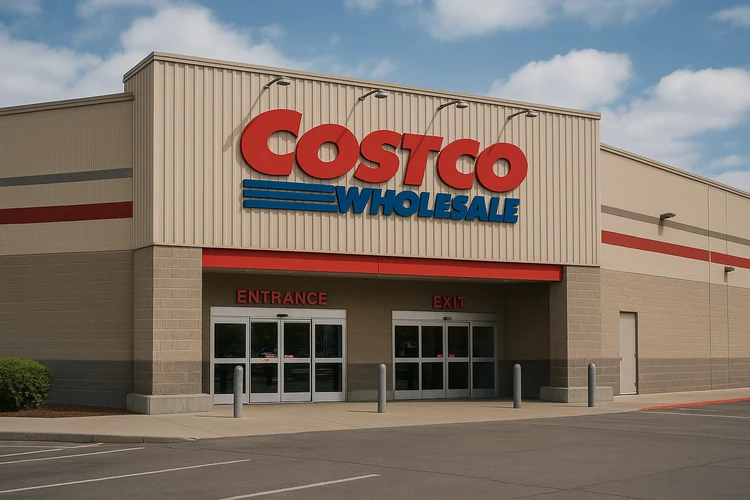
A new class action lawsuit is challenging the ingredients in one of Costco’s most popular food items, alleging that the retailer misled shoppers about preservatives used in its iconic $4.99 rotisserie chicken.
Filed in federal court, the lawsuit claims Costco markets its rotisserie chicken in a way that leads consumers to believe the product is free from artificial preservatives, when in fact it allegedly contains chemical additives used to enhance shelf life and appearance. The plaintiffs argue that ingredient disclosures and in-store marketing do not clearly communicate the presence or purpose of those substances.
What the suit claims
At the center of the case are preservatives such as sodium phosphate and other processing aids, which the lawsuit says many consumers actively try to avoid. The complaint maintains that reasonable shoppers associate Costco’s rotisserie chicken with freshness and minimal processing, and would not have purchased it — or would have paid less — had they known preservatives were involved.
Costco’s rotisserie chicken has achieved near-legendary status as a loss leader, drawing millions of customers into its warehouses each week. The company has previously highlighted its control over the supply chain, including operating its own poultry facilities, to ensure consistency and affordability.
“Because sodium phosphate and carrageenan perform preservative functions in the Rotisserie Chicken, the Rotisserie Chicken in fact contains added preservatives,” the lawsuit claims. “This inconsistency is not apparent to consumers at the time of purchase because, compared to the “No Preservatives” Representations, the ‘back of the label’ ingredient list is less prominent, appearing in smaller print on the Rotisserie Chicken’s packaging.”
The company’s response
In response to the lawsuit, Costco has denied any wrongdoing, stating that all ingredients are properly disclosed and approved by regulators. The company says its labeling meets federal food safety standards and that preservatives used in the chicken are common in the industry and serve legitimate food safety and quality purposes.
Consumer advocates say lawsuits like this reflect growing demand for transparency in food labeling, as shoppers increasingly seek out products they perceive as natural or minimally processed. Courts, however, often weigh those expectations against whether companies technically comply with labeling regulations.
The lawsuit seeks class-action status, damages for affected consumers, and changes to Costco’s labeling and marketing practices. If the case proceeds, it could have implications for how prepared foods are described across grocery stores nationwide.