Pet Care and Wellness

This living topic covers a wide range of important issues related to pet health and wellness, offering valuable insights for pet owners. It includes advancements in veterinary technology like AI for detecting heart murmurs in dogs, the importance of dental hygiene for pets, and emergency first aid techniques. It also discusses the impact of pet ownership on mental health, the risks of over-the-counter flea and tick treatments, and the spread of bird flu. Additionally, it highlights the benefits and drawbacks of pet insurance and wellness plans, the use of telehealth for veterinary services, preventing heat stroke in dogs, and understanding the stress levels in dogs related to their owners' behavior. Overall, the content provides comprehensive guidance on maintaining the health and well-being of pets.

Latest

Summer travel with pets: What to know before you hit the road or take to the skies

A little preparation can go a long way toward keeping animals safe, healthy, and comfortable

Featured Pet News photo

Not every pet is suited for travel, so experts recommend considering your animal's health, temperament, and comfort level before bringing them along.

Watch for signs of stress such as trembling, excessive panting, hiding, or refusing food, especially when introducing pets to new environments.

Before you leave, schedule a veterinary checkup, update vaccines and identification information, and locate emergency veterinary care near your destination.

For many pet owners, summer...

Read Article
Featured Pet News photo
2025
Article Image

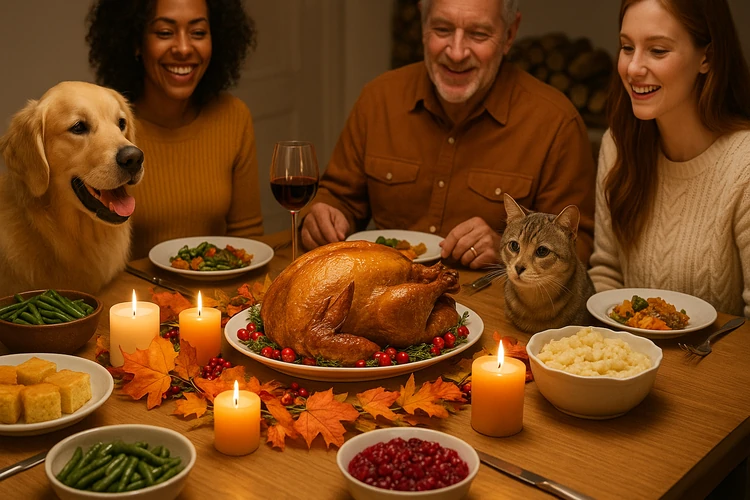
The holidays can pose a threat to dogs and cats

  • Holiday foods pose hidden toxicity risks for pets, with emergency clinics reporting spikes in chocolate, onion, and alcohol poisonings.

  • Decorations and gifts account for a surge in injuries, including ingestible ornaments, batteries, and hazardous plants.

  • Seasonal stress and extreme weather can worsen anxiety and lead to dangerous outdoor conditions for dogs and cats.


As families across the country gear up for holiday celebrations, veterinarians are issuing new warnings: the festive season consistently brings one of the busiest periods for pet emergencies. 

From toxic foods to dangerous décor, experts say many well-loved traditions come with risks that can turn a joyful gathering into a visit to the emergency clinic.

Each year, veterinary poison control hotlines see dramatic increases in calls related to holiday foods. Chocolate remains the top culprit, particularly dark and baking varieties, which contain higher concentrations of theobromine, dangerous even in small amounts for dogs and cats. Xylitol, a sweetener found in cookies, gum, and many “sugar-free” products, can cause rapid insulin spikes and life-threatening hypoglycemia in dogs.

Other seasonal staples also pose hidden risks:

  • Onions, garlic, and chives can damage red blood cells, leading to anemia.

  • Alcohol and unbaked yeast dough may cause dangerous intoxication or bloat.

  • Turkey bones and fatty trimmings can trigger choking or severe pancreatitis.

Veterinarians stress the importance of securing food waste and keeping counter-surfing pets away from plates and gift baskets.

Festive decorations that end in emergency surgery

From twinkling lights to shiny ornaments, household décor becomes a minefield for curious pets. Cats, in particular, are drawn to tinsel and ribbon—materials that can cause intestinal blockages requiring surgery. Dogs are more likely to chew on or swallow holiday lights, batteries, or small toy pieces, resulting in electrical burns or heavy-metal poisoning.

Popular seasonal plants also raise red flags:

  • Poinsettias can cause stomach upset.

  • Lilies, often included in holiday bouquets, are extremely toxic to cats and can lead to kidney failure.

  • Mistletoe and holly contain toxins that may trigger severe gastrointestinal and cardiovascular reactions.

Experts advise anchoring Christmas trees, covering electrical cords, and avoiding hazardous botanicals altogether.

Other complications

Cold snaps and icy conditions create additional challenges. Outdoor cats may seek warmth under car hoods, while dogs can suffer frostbite or hypothermia faster than many owners expect. Icy sidewalks also mean more slipping injuries—especially for senior pets.

Meanwhile, the holidays can be emotionally taxing for animals. Crowded gatherings, fireworks, and disruptions to routine often cause anxiety, leading to escape attempts or destructive behavior. Boarding facilities and travel compound the risks if pets are not properly identified, vaccinated, and supervised.

While holiday emergencies are common, they are largely preventable. Veterinarians recommend:

  • Keeping toxic foods and plants out of reach.

  • Supervising interactions with decorations and gifts.

  • Maintaining routines as much as possible amid travel and festivities.

  • Ensuring microchips and ID tags are up to date.

For many families, pets are central to holiday celebrations. With awareness and preparation, experts say the season can remain joyful—and safe—for dogs and cats alike.
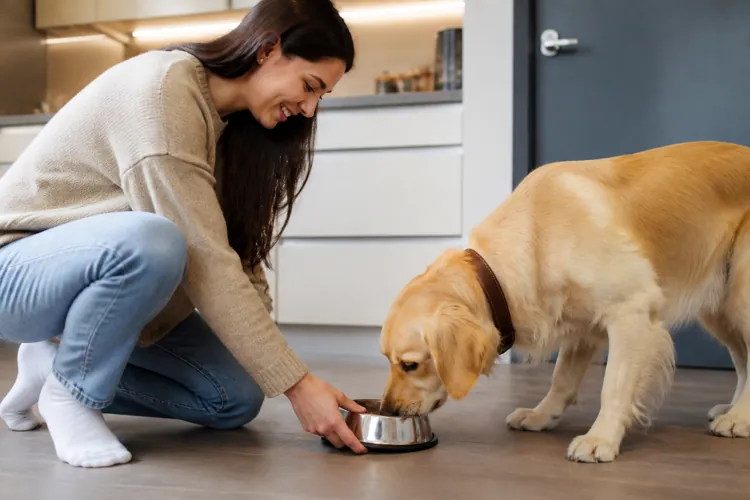
Article Image

Researchers explain how you can share antibiotic resistance with your pets

  • Pet owners can share bacteria with their pets – and vice versa, which can increase the risk of antimicrobial resistance on each side. 

  • Antimicrobial resistance happens when bacteria and other germs stop responding to the medications meant to kill them, making infections harder to treat. 

  • Pet owners are always encouraged to consult their vets with any questions about antibiotics, medication, or signs of infection in their pets. 


If you’re cuddling with your cat or dog right now, you might be surprised to learn you’re also sharing something invisible: bacteria.

Researchers from the Cummings School of Veterinary Medicine at Tufts University have explained that people and their pets often swap tiny microorganisms — called “flora” — through everyday contact. 

These microbes live on the skin, in the gut, and around the home. When either you or your pet takes antibiotics or other antimicrobial medications, it can change the balance of those microorganisms. 

This means that if your pet carries drug-resistant bacteria, there's a chance you might end up carrying them too. This also means that when an infection develops — for either you or your pet — antimicrobial resistance may be more likely for one or both of you. 

Why it matters

Antimicrobial resistance (AMR) is a growing public health concern. It happens when bacteria and other germs stop responding to the medications meant to kill them, making infections harder to treat. 

While the problem has been closely tracked in hospitals for years — where strict rules are in place to limit unnecessary antibiotic use — pet care hasn’t caught up.That’s beginning to change.

Experts at the Cummings School of Veterinary Medicine are leading efforts to improve how antibiotics are used in pets. Their goal? To stop the spread of resistance before it becomes an even bigger threat.

“We know antibiotic use in animals can cause resistance to develop in them, which can be shared with their owners and the environment, and the same can happen if antibiotics are used in people with pets,” Claire Fellman, D.V.M., Ph.D., said in a news release.

“We have to be mindful of antimicrobial use and resistance across species.”

What can pet owners do?

No pet owner wants to willingly increase health risks or complications with their pets. To help lower the risk of AMR, Lindsey Veterinary Center shared some of the top ways pet owners can help prevent antibiotic resistance: 

  • Follow directions with antibiotics. Pet owners should give their pets the entire course of antibiotics when they’re prescribed – even if symptoms have gone away. 

  • See your vet regularly. Preventative veterinary care can help lower the risk of serious infections or any other health concerns. Your vet can also catch any potential infections early when you bring your pet in for regular check-ups. 

  • Hygiene is key. Keeping your home clean and sticking to regular grooming with your pets can help lower the risk of infection. Pet owners are also encouraged to wash their hands after handling their pets – especially if they’re sick. 

Bottom Line

The next time your vet prescribes antibiotics for your pet, ask questions. Just like in human medicine, it’s important to use these drugs only when truly necessary. 

After all, when it comes to germs, your furry best friend is closer to you than you might think.

2024
2023
2022