How ConsumerAffairs uses cookies

This website utilizes technologies such as cookies to enable essential site functionality, as well as for analytics, personalization, and targeted advertising. To learn more, view the following link:

Artificial Sweeteners

This topic explores the health implications of various products people use daily, such as artificial sweeteners, prescription drugs, over-the-counter medications, and everyday consumables like bottled water and processed foods. It delves into the potential risks associated with these items, such as increased risk of diseases, exposure to toxins, and hidden health hazards. The content spans from discussing specific cases like the contamination in artificial sweeteners and tampons to broader issues such as the high cost of healthcare and the dangers of misleading medical information online. It also highlights the importance of awareness and informed choices to mitigate health risks and improve overall well-being.

Latest

Diet soda vs. water: Which is better for weight loss?

A two-year study found similar results for people drinking either beverage while managing their weight

Featured Health News photo

A study of 493 adults found that diet drinks and water supported similar weight-loss results over two years.

Participants in both groups maintained weight loss, even after a year without regular support from a weight-management program.

The findings suggest diet drinks can be an alternative to sugary beverages without putting weight-loss progress at a disadvantage compared with water.

If you're trying to lose weight, choosing what to drink can feel like another decision to ...

Read Article
Featured Health News photo
2025
Article Image

Zero-calorie sweeteners may increase your appetite, study finds

A new study conducted by researchers at USC’s Keck School of Medicine explored a popular artificial sweetener – sucralose. 

Sucralose is a calorie-free sweetener that’s commonly found in many diet drinks. The researchers learned that the sweetening agent can actually impact our brain activity and subsequently increase our appetite levels. 

According to researcher Kathleen Page in a news release, the basis of the study was centered around two questions: “Are these substances actually helpful for regulating body weight?” And, “what happens in the body and brain when we consume them, and do the effects differ from one person to the next?”

The study

To better understand how calorie-free sweeteners affect the body and the brain, the researchers had 75 participants involved in the study. 

Each participant completed three different trials – one where they consumed sucralose, one where they consumed sugar, and one where they consumed water. Both before and after each trial, the researchers conducted brain scans and took blood samples. The participants also completed questionnaires on how hungry they were both before and after the experiments. 

The effect of sucralose

Here’s what the study revealed: 

  • Compared to regular sugar, sucralose increased activity in the hypothalamus – the part of the brain responsible for regulating hunger. It also led to the participants feeling more hungry. 

  • Sucralose also increased activity in the hypothalamus compared to drinking water, but had no impact on participants’ hunger. 

  • Compared to sugar and water, consuming sucralose increases connections in the brain between the hypothalamus and other areas that are related to decision-making and motivation. This leads the researchers to believe that it could impact eating behaviors or cravings. 

  • Drinking sucralose had no impact on hormones that regulate blood sugar, while consuming traditional sugar increased insulin and glucagon-like peptide 1 (GLP-1). 

  • Women and people with obesity were the most impacted by these outcomes. 

“The body uses these hormones to tell the brain you’ve consumed calories, in order to decrease hunger,” Page said. “Sucralose did not have that effect.

“If your body is expecting a calorie because of the sweetness, but doesn’t get the calorie it’s expecting, that could change the way the brain is primed to crave those substances over time,” she said.

Further research

Moving forward, the researchers hope to do more work in this area, specifically on the ways that sucralose affects children and teens. 

“Are these substances leading to changes in the developing brains of children who are at risk for obesity? The brain is vulnerable during this time, so it could be a critical opportunity to intervene,” Page said. 

2024
Article Image

Food allergy sufferers need more support, study finds

Imagine constantly worrying about the food you eat, every single day. That's what it's like for many people with food allergies. This constant stress and fear can really affect their mental health, making them feel anxious, sad, or even depressed.

A new study found that most adults with food allergies and parents of kids with allergies feel this way. They worry about things like:

  • Having a serious allergic reaction: This is a big fear, as reactions can be life-threatening.

  • Accidentally eating something unsafe: It can be hard to avoid certain foods, especially when eating out or at school.

  • Missing out on normal activities: Food allergies can make it difficult to enjoy things like parties, sleepovers, and travel.

  • Their child being bullied: Sadly, kids with food allergies are sometimes bullied because of their condition.

The study also found that very few people with food allergies get help for these mental health struggles. This is a big problem because:

  • Most people don't get screened for these issues: Doctors often don't ask about anxiety or depression during allergy appointments.

  • Getting help is expensive: Therapy and counseling can be costly, and many people can't afford it.

The researchers behind the study want to change this. They believe everyone with food allergies should be able to get the mental health support they need. They're working on creating online resources to help people cope with the emotional challenges of food allergies.

In short:

Living with food allergies can be tough, not just physically, but mentally too. Many people struggle with anxiety and sadness, but don't get the support they need. This needs to change so that people with food allergies can live full and happy lives.

Article Image

Thousands of chemicals from food packaging can make their way into the human body

If you think you see the last of your food wrappers once you dispose of them, you may want to think again. 

A new study revealed that nearly 4,000 chemicals used for food packaging can have lasting impacts on the human body, with traces detectable in urine, breast milk, and blood. Additionally, many of these chemicals have been known to be detrimental to consumers’ health long-term.

“This work highlights the fact that food contact materials are not fully safe, even though they may comply with regulations, because they transfer known hazardous chemicals into people,” said researcher Dr. Jane Muncke. “We would like this new evidence base to be used for improving the safety of food contact materials – both in terms of regulations but also in the development of safer alternatives.” 

The risks of food wrappers

For the study, the researchers analyzed data from five human biomonitoring programs, three metabolome/exposome databases, and recent studies that included information on more than 14,000 food contact chemicals (FCCs). 

Ultimately, their analysis revealed that 3,601 chemicals, or 25%, were found in humans. This means that the chemicals that are used to make food packaging are then leaching into the human body. 

“There are surprisingly many hazardous chemicals used in food contact materials, and they do not just stay there, but quite some of them reach, to some extent, the human body,” said researcher Dr. Martin Scheringer. “This is concerning, and there clearly is a need for safer and simpler food contact materials.”

Some of the well-known chemicals that have long been detected in food packaging include metals, bisphenols, per and polyfluoroalkyl substances (PFAS), phthalates, and volatile organic compounds. Exposure to these chemicals comes with a long list of health hazards – a higher risk of cancer, reproductive issues, fertility issues, immune system issues, developmental delays, behavioral changes, and more. 

There are still unknowns

In addition to uncovering the chemicals studies have long identified in food packaging, the researchers also identified thousands of new chemicals. The primary concern is that the long-term health effects of these lesser-known chemicals are also unknown. So, as consumers continue to be exposed to them, it remains unclear how that exposure is affecting them. 

“We already knew that problematic chemicals in food packaging are not limited to well-known substances such as bisphenol and phthalates, but we were surprised by the high number of food contact chemicals for which some evidence of human exposure exists,” said researcher Olwenn Martin.

“This shows that there needs to be more research about the toxicity and exposure to many chemicals and regulation around their use in food packaging.” 
Article Image

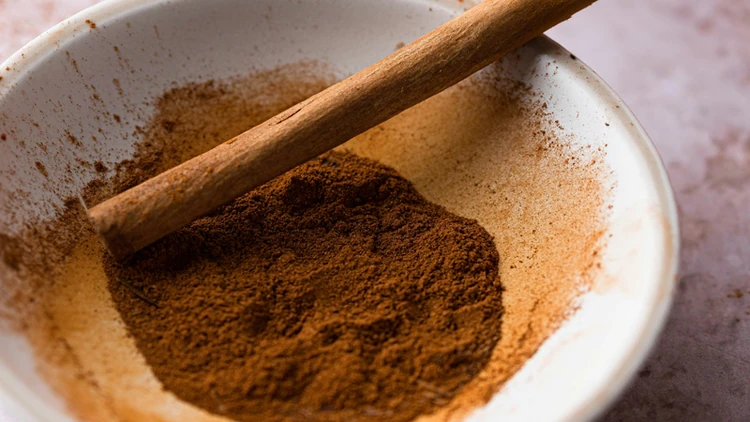
Cinnamon products have a lead problem

Cinnamon is a favorite spice around the holidays, but this year consumers should be mindful of what increasingly comes with that spicy flavor – unhealthy levels of lead.

The U.S. Food and Drug Administration (FDA) has issued eight recalls for cinnamon products since June 1 because of lead content. The most recent came in recent days when Asli Fine Foods issued a recall for Asli Cinnamon Powder because it has the potential to be contaminated with lead. 

The issue began to gain attention in late 2023 when the FDA issued an advisory to parents and caregivers not to buy WanaBana apple cinnamon fruit puree pouches because the company recalled the product for having too much lead. In the months that followed several children were treated for lead poisoning. 

There have been 519 cases in 44 states of lead poisoning linked to the food as of March 22, according to the Centers for Disease Control and Prevention.

In spite of all the attention, cinnamon with elevated lead levels is still out there. Consumer Reports this month released a lab analysis showing that most of the 36 cinnamon products it tested had concerning amounts of lead.

So, how in the world does lead get into ground cinnamon? According to food safety experts, contaminated soil, unsafe food production and sellers mixing lead into spices are the likely culprits.

Three ways lead gets into cinnamon

Most, if not all, of the tainted ground cinnamon came from Ecuador, where the FDA said some sellers may have mixed in lead to increase the cinnamon's value by adding weight and more vibrant color.

“These recent cases may reflect a step up in surveillance,” Thomas Gremillion, director of food policy at the nonprofit Consumer Federation of America, told ConsumerAffairs earlier this year. “They may also be an indication, however, that the apple sauce incident was just the tip of the proverbial iceberg.”

Lead can also get into root crops like sweet potatoes and fruit like grapes if the soil is contaminated, food safety experts say. Lead can also get into food by coming in contact with other metals, such as aluminum, tin, brass and bronze, which is more of a problem in countries slower to phase out of lead or where it still in pipes and paint.

To ensure food is safe, Teresa Murray, consumer watchdog at the nonprofit U.S. Public Interest Research Group, says companies selling in the U.S. should focus on working with trusted partners, distributors and importers.

She adds that domestic and foreign suppliers should test their products voluntarily to meet safety standards.

2023
2022