2022 Artificial Sweeteners

Article Image

Dark chocolate contains two heavy metals, a new study shows

Memo to Santa – if you plan to stuff stockings with dark chocolate this year you might be advised to choose another candy. Despite previous studies, dark chocolate might not be so healthy.

Researchers at Consumer Reports (CR) report finding cadmium and lead, two heavy metals, in the dark chocolate bars they tested. Consuming just small amounts of those metals on a regular basis could lead to health problems in both children and adults.

So how much cadmium and lead are we talking about? The researchers conclude that eating just an ounce of dark chocolate daily would put an adult over the healthy limit.

The researchers also say that if you eat dark chocolate, the heavy metals are almost impossible to avoid. The research team tested 28 brands of dark chocolate bars. They found cadmium and lead in all 28.

Tunde Akinleye, the CR food safety researcher who led the project, says over-exposure to heavy metals can have negative health effects for people of all ages. He says it can lead to high blood pressure, immune system suppression and kidney damage, as well as other health conditions.

But who eats dark chocolate every day? You might be surprised. Consumer Reports cites data from Mintel suggesting that 15% of people who snack on dark chocolate do it every day.

Five brands with the least amount

But not to be a complete holiday buzzkill, the CR researchers did find five brands of dark chocolate with low levels of the metals. They are:

  • Mast Organic Dark Chocolate

  • Taza Organic Dark Chocolate

  • Ghirardelli Intense Dark Chocolate

  • Ghirardelli Intense Dark Chocolate Twilight Delight

  • Valrhona Abinao Dark Chocolate

For years studies have heralded the positive health effects of dark chocolate. The candy is rich in antioxidants and has less sugar than other candies. 

Article Image

B vitamins and folic acid may be used to treat fatty liver disease, study finds

A new study conducted by researchers from Duke-NUS explored the health benefits of B vitamins. According to their findings, vitamin B12 and folic acid may be used in the treatment of non-alcoholic fatty liver disease and slow the progression of the disease.

The researchers explained that the treatment may help prevent non-alcoholic steatohepatitis (NASH), a severe form of liver disease where scar tissue and inflammation occur. 

“Our findings are both exciting and important because they suggest that a relatively inexpensive therapy, vitamin B12 and folic acid, could be used to prevent and/or delay the progression of NASH,” said researcher Dr. Brijesh Singh. “Additionally, serum and hepatic homocysteine levels could serve as biomarkers for NASH severity.” 

Improving liver health

The researchers started their work by examining the role that homocysteine, an amino acid, plays in liver disease. Earlier studies have linked higher levels of it to the development of NASH. This study assessed the interaction between homocysteine and liver function in preclinical trials. 

While the team was able to confirm that elevated homocysteine levels can impede consumers’ liver function, they also found that increasing consumers' intake of both vitamin B and folic acid promoted better liver health. 

The researchers found that taking supplements for both vitamins restored key liver functions. Not only did it slow the progression of liver disease and the development of NASH, but it also increased levels of syntaxin 17, which is an important protein in the liver. With higher syntaxin 17 levels, the liver was able to remove toxins and produce healthier cells. High levels of each vitamin were also linked with a lower risk of fibrosis and liver inflammation. 

“While fat deposition in the liver is reversible in its early stages, its progression to NASH causes liver dysfunction, cirrhosis, and increases the risk for liver cancer,” Dr. Madhulika Tripathi. 

While there are currently no treatments available for patients with NASH, the researchers hope their findings highlight the benefits of increasing vitamin B and folic acid levels. 

“Currently, the only treatment for patients with end-stage liver disease is to receive a transplant,” said researcher Patrick Casey. “The findings by Dr. Tripathi and her colleagues demonstrate that a simple, affordable, and accessible intervention could potentially half or reverse the damage to the liver, bringing new hope to those suffering from fatty liver diseases. The team’s findings underscore the value of basic scientific research, through which the scientific community continues to have a major positive impact on the lives of patients.” 

Article Image

CVS Health plans to open primary care doctor offices

CVS, which added the word “Health” to its corporate name a few years ago, has announced plans to move even more deeply into the health care field.

Company CEO Karen Lynch, addressing reporters and analysts on the company’s second-quarter earnings call, said CVS Health plans to provide primary health care services by merging with or acquiring a provider. With that move, the company has telegraphed its intentions to compete with Amazon and Walgreens – two companies that are already moving in that direction. 

In addition to its retail drug stores throughout the U.S., CVS Health operates MiniuteClinics inside some of its stores, where customers can get a vaccination or urgent care. The company also owns Aetna, a major health insurance provider.

The addition of primary care services would greatly expand the company’s health care footprint. It would offer doctor offices that could provide annual checkups, as well as treat acute symptoms or injuries. 

Making health services more accessible

Company executives have said such an expansion would bring health care services to many people who have no doctor or who are underserved. It would also provide services during off hours and weekends when private practice doctor offices are closed.

Rather than build from scratch, company officials have said the best strategy would be to acquire an entity that is already providing those services. 

Walgreens and Amazon have already moved into the primary care space, with the former opening hundreds of primary care offices in partnership with VillageMD. Amazon announced in July that it is buying One Medical, a chain of primary health care offices, for nearly $4 billion. One Medical has 188 locations in 25 markets.

Aetna expands offerings in California

Meanwhile, CVS Health has announced that Aetna is entering the individual insurance exchange marketplace in California with its Aetna CVS Health co-branded insurance product. The company says those plans will provide affordable access to health care for more Californians.

"With millions of Americans being uninsured or underinsured, our plans provide quality care, at an affordable price and the ability to conveniently access this care using virtual technology and in-person care in their communities," said Dr. Kyu Rhee, chief medical officer at Aetna. "By bridging the gap between people and the support and services they need, we can offer a human-centered approach where, when, and how they need us."

As these plans roll out, CVS Health says policyholders will have access to Aetna's expansive network of primary care doctors, mental health providers, specialists, and hospitals.

Article Image

Inflammatory bowel disease increases risk of pregnancy complications, study finds

A new study conducted by researchers from the University of Missouri-Columbia explored how a preexisting digestive issue may affect pregnant women and their babies. According to their findings, inflammatory bowel disease (IBD) may increase the risk of complications and health risks for pregnant women and their newborns. 

“IBD is an incurable disease, and its relapsing and remitting nature is stressful for the estimated 3 million U.S. men and women diagnosed,” said researcher Dr. Yezaz Ghouri. “

Because this disease tends to affect women during their peak fertility period, we wanted to know the impact of IBD on maternal and fetal outcomes. To our knowledge, this study is the most comprehensive of its kind, using data from multiple institutions in 48 states.” 

Pregnancy risks

For the study, the researchers analyzed data from 8 million pregnancies between 2016 and 2018. They looked closely at those who had received IBD diagnoses and their pregnancy and delivery outcomes. The researchers also accounted for several health and lifestyle factors, such as high blood pressure, smoking, malnutrition, age, race, and obesity, among several others. 

The study showed that there were several health risks present among pregnant women with IBD. Compared to women without the digestive condition, pregnant women with IBD were more likely to spend extra time in the hospital after they gave birth, which also led to larger medical bills. The researchers found that women with IBD were likely to spend nearly $3,000 more on hospital bills than women who didn’t have IBD. 

From a health standpoint, IBD posed a risk to both women and their babies. Women with the condition were more likely to have a stillbirth, deliver early, and give birth to babies with low birth weight. Additionally, they had a higher risk of high blood pressure problems, gestational diabetes, and postpartum hemorrhage. 

The researchers hope these findings highlight the benefits of women working with their doctors to get a handle on IBD before getting pregnant, as it is likely to lead to better pregnancy outcomes for both them and their babies. 

“Based on our findings, we suggest that women who have moderate to severe IBD should get pre-conceptional counseling and be treated aggressively to achieve remission prior to getting pregnant,” Dr. Ghouri said. “Our study results illustrate the importance that IBD be optimally controlled prior to conception.” 

Article Image

Consuming more calcium and potassium helps prevent recurring kidney stones, study finds

A new study conducted by the Mayo Clinic explored the way that consumers’ diet choices can affect their kidney health. According to their findings, incorporating more foods that are high in potassium and calcium are likely to lower the risk of recurring kidney stones. 

“These dietary findings may have particular importance because recommendations for preventing kidney stones have been based primarily on dietary factors associated with first-time rather than recurrent stone formation,” said researcher Dr. Andrew Rule. “Patients may not be likely to adjust their diet to prevent an incidence of kidney stones, but they are more likely to do so if it can help prevent recurrence.” 

Improving long-term kidney health

The researchers had over 400 participants who recently had their first kidney stones and over 380 people who hadn’t had a kidney stone involved in the study. All of the participants visited the Mayo Clinic in either Florida or Rochester between 2009 and 2018, and they answered in-depth questionnaires that assessed their diets. 

Ultimately, there were several links between diet and kidney health. Lower levels of calcium and potassium were two of the leading risk factors associated with getting the first kidney stone. After following up with the participants for more than four years, the researchers learned that increasing calcium and potassium intake was beneficial in preventing future kidney stones. 

The team recommends that consumers incorporate more foods that are high in both nutrients. This can include fruits and vegetables like apricots, bananas, peas, oranges, potatoes, cantaloupe, and zucchini, among several others. The researchers say aiming for 1,200 mg of calcium per day should be consumers’ goal, but there is no set figure for potassium intake. 

“Changing your diet to prevent kidney stones can be very difficult,” Dr. Rule said. “Thus, knowing the dietary factors that are most important for preventing kidney stone recurrence can help patients and providers know what to prioritize.” 

Article Image

Antibiotic use in early childhood may increase risk of lifelong allergies and asthma, study finds

A new study conducted by researchers from Rutgers University explored some of the health risks associated with antibiotics. According to their findings, kids who are given antibiotics from a young age have a higher risk of developing lifelong allergies and asthma. 

“The practical implication is simple: Avoid antibiotic use in young children whenever you can because it may elevate the risk of significant, long-term problems with allergy and/or asthma,” said researcher Martin Blaser. 

Antibiotics affect gut health

The researchers conducted a two-part experiment on mice to determine the long-term risks associated with prescribing antibiotics to young children. 

The first trial tested the effects of amoxicillin and azithromycin on five-day-old mice. They were given either one of the antibiotics or just water, and the team studied them until they matured. After being exposed to dust mites, it was clear that the mice that were given antibiotics during their earliest days were more likely to have allergies.

In the second part of the study, the team exposed new adult mice to fecal samples from mice in the first part of the study. While the adult mice had never been exposed to any kind of germs, the samples were full of new bacteria – including antibiotics – that they had never come in contact with. 

The researchers tracked the health outcomes of both the adult mice and their offspring. While the adult mice showed no adverse health outcomes after being exposed to the antibiotics, their babies didn’t fare as well. When the first generation of mice had been exposed to antibiotics, their offspring were much more likely to show signs consistent with allergies and asthma. 

“This was a carefully controlled experiment,” Blaser said. “The only variable in the first part was antibiotic exposure. The only variable in the second two parts was whether the mixture of gut bacteria had been affected by antibiotics. Everything else about the mice was identical."

The team explained that these findings hold up because human adults that are prescribed antibiotics aren’t likely to develop serious allergies or asthma. For young kids or infants, they believe that antibiotics kill off healthy bacteria in the gut, which ultimately affects their immune systems long-term. 

“These experiments provide strong evidence that antibiotics cause unwanted immune responses to develop via their effect on gut bacteria, but only if gut bacteria are altered in early childhood,” Blaser said. 

Article Image

FDA wants consumers to have more information before LASIK surgery

For more than 20 years, LASIK eye surgery has been a big business. Now, the U.S. Food and Drug Administration (FDA) wants consumers to know more about the risks and benefits before they undergo the operation.

The FDA has issued draft guidance to help improve the flow of information to both patients and health care professionals so that everyone knows what to expect with a successful procedure and what could go wrong.  

"It is important to provide patients with comprehensive labeling that clearly describes the risks involved with LASIK surgery, including potential adverse effects such as dry eye, pain and discomfort, and visual symptoms," said Dr. Jeff Shuren, director of the FDA's Center for Devices and Radiological Health. "These proposed labeling recommendations, based on extensive consultation with stakeholders and patients, are intended to present information about LASIK in language that is easy to read and understand."

Shuren said the draft guidance is designed to support discussions that patients should have with their eye care providers to help them make an informed decision before proceeding with the surgery. 

LASIK is performed using lasers on an outpatient basis. It’s a procedure that permanently reshapes the cornea to change the way the eye focuses light rays onto the retina at the back of the eye. 

Corrects common vision problems

Doctors who perform LASIK surgery use it to correct common vision problems such as nearsightedness, farsightedness, and astigmatism. It can also reduce a patient’s need to wear glasses and contact lenses.

According to the Mayo Clinic, there can be complications that result in a loss of vision, but they are very rare. Clinic doctors say other side effects of LASIK eye surgery -- particularly, dry eyes and temporary visual problems such as glare -- are fairly common.

A prominent Russian eye surgeon, Dr. Svyatoslav Fydorov, discovered the LASIK procedure in 1974 by accident when he was treating a young boy’s eye injury. The FDA approved the procedure in 1999. Since then, an estimated 10 million Americans have had the operation.

New FDA guidance

The FDA’s draft guidance includes the agency’s recommendations for both the content and format of patient labeling for LASIK devices. It includes:

  • General information about the surgical procedure

  • Indications for use, benefits, procedure alternatives, contraindications, warnings, and precautions

  • Risks

  • What to expect before, during, and after surgery

  • Clinical study information

  • Manufacturer contact information

The draft guidance also proposes the inclusion of a decision checklist as part of the labeling information that physicians provide to their patients prior to the procedure. 

To help patients fully understand the decision checklist, the FDA said it will provide information about who is a good candidate for LASIK and a summary of the long-term risks. 

Article Image

Eating foods high in potassium may improve women's heart health, study finds

A new study conducted by researchers from the European Society of Cardiology explored how women’s diets may affect their heart health. Their findings showed that eating more foods that are high in potassium may improve women’s long-term heart health and neutralize the effects of salty foods. 

“It is well known that high salt consumption is associated with elevated blood pressure and a raised risk of heart attacks and strokes,” said researcher Liffert Vogt. “Health advice has focused on limiting salt intake but this is difficult to achieve when our diets include processed foods. Potassium helps the body excrete more sodium in the urine. In our study, dietary potassium was linked with the greatest health gains in women.” 

Potassium can improve heart health

For the study, the researchers analyzed data from nearly 25,000 people between the ages of 40 and 79 who were enrolled in the EPIC-Norfolk study. Participants provided a urine sample, answered questions about their lifestyles, and also had their blood pressure measured. 

The researchers identified a link between women’s potassium intake, salt intake, and blood pressure. Independent of salt intake, higher potassium consumption was linked with lower blood pressure in women. However, the study also found that women with high sodium levels were able to improve their blood pressure when they increased their potassium intake. Each one-gram increase in potassium was linked with a 2.4 mmHg lower systolic blood pressure reading. 

“The results suggest that potassium helps preserve heart health, but that women benefit more than men,” Vogt said. “The relationship between potassium and cardiovascular events was the same regardless of salt intake, suggesting that potassium has other ways of protecting the heart on top of increasing sodium excretion.” 

For consumers looking to incorporate more potassium into their diets, the researchers recommend eating more beans, bananas, fish, fruits, vegetables, dairy products, and nuts. The team says more women should also consider adding salmon or avocados into their diets to improve their long-term heart health. 

“Our findings indicate that a heart-healthy diet goes beyond limiting salt to boosting potassium content,” said Vogt. “Food companies can help by swapping standard sodium-based salt for a potassium salt alternative in processed foods. On top of that, we should all prioritize fresh, unprocessed foods since they are both rich in potassium and low in salt.” 

Article Image

WHO declares monkeypox as a global health emergency

The World Health Organization (WHO) has officially declared monkeypox to be a global health emergency.

After the outbreak grew from 3,040 cases in 47 countries to 16,000 cases in 75 countries, and five deaths occurred in a month's time, the organization’s Emergency Committee decided that the virus represented a public health emergency that affects every corner of the world.

WHO officials say the risk of monkeypox is "moderate" on a global scale, but they note that the risk is high in the European region. While there is a risk of the virus spreading further internationally, WHO Director General Tedros Adhanom Ghebreyesus said there is currently a low risk of the virus interfering with international traffic.

Not necessarily related to monkeys

According to the Centers for Disease Control and Prevention (CDC), the monkeypox virus has been around since 1958. It is part of the same family of viruses as the variola virus, which is connected to smallpox. Monkeypox symptoms are similar to the symptoms of smallpox, but they tend to be milder and are rarely fatal.

The CDC notes that the source of monkeypox is unknown. It is not related to chickenpox or – despite its name – specifically related to monkeys. While non-human primates such as monkeys can harbor the virus and infect people, so can African rodents like striped mice and tree squirrels.

Although he is declaring a public health emergency of international concern, Ghebreyesus said the outbreak is currently concentrated among sexually active gay men, especially those who have multiple sexual partners.

“That means that this is an outbreak that can be stopped with the right strategies in the right groups,” he said. “It’s therefore essential that all countries work closely with communities of men who have sex with men, to design and deliver effective information and services, and to adopt measures that protect the health, human rights, and dignity of affected communities.

“In addition to our recommendations to countries, I am also calling on civil society organizations, including those with experience in working with people living with HIV, to work with us on fighting stigma and discrimination,” Ghebreyesus said.

Addressing the outbreak

Not unlike the coronavirus, Ghebreyus said consumers may want to reconsider having gatherings while the current outbreak is a threat. However, he noted that it isn't mandatory to cancel these gatherings as a "default measure."

The WHO is taking the outbreak seriously and has laid out a plan to curb the spread of monkeypox as quickly and effectively as possible. The organization hopes to mitigate any further outbreaks by implementing a coordinated response to stop transmission of the virus. It is also seeking to protect vulnerable groups and strengthen clinical management and infection prevention and control in hospitals and clinics.

Article Image

Following a healthy lifestyle may lower the genetic risk of a stroke, study finds

A new study conducted by researchers from the University of Texas Health Science Center explored how consumers’ lifestyles can affect their risk of stroke. According to their findings, adopting heart-healthy habits may help lower the genetic risk of having a stroke. 

“Our study confirmed that modifying lifestyle risk factors, such as controlling blood pressure, can offset a genetic risk of stroke,” said researcher Myriam Fornage, Ph.D. 

Promoting long-term heart health

For the study, the researchers analyzed data from over 11,500 adults between the ages of 45 and 64. The team followed the group for nearly 30 years and tracked their cardiovascular health in seven key areas – smoking, diet, exercise, weight, blood pressure, cholesterol, and blood sugar. 

While having a genetic predisposition to stroke certainly elevated the participants’ risk of having one, the study also showed that taking steps to live a healthy life can lower that risk. The researchers learned that stopping smoking, eating better, getting activity, losing weight, managing blood pressure, controlling cholesterol, and reducing blood sugar lowered the risk of stroke by as much as 45%; this was true regardless of how high participants' genetic risk for stroke was.

However, the opposite was also found to be true. Participants with the poorest heart health increased their risk of stroke – especially when they had a genetically higher risk for the condition. Following the most healthy habits was linked with just over a 6% risk of stroke, whereas following the fewest healthy habits made strokes nearly 57% more likely. 

Moving forward, the team hopes these findings can be helpful in identifying those who may have the highest risk of experiencing a stroke because of both genetic and cardiovascular factors. Making these lifestyle adjustments can help promote long-term heart health. 

“We can use genetic information to determine who is at higher risk and encourage them to adopt a healthy cardiovascular lifestyle, such as following the AHA’s Life’s Simple 7, to lower that risk and live a longer, healthier life,” said Dr. Fornage. 

Article Image

Phthalates pose danger to pregnant women and their children, researchers say

Earlier this year, the U.S. Food and Drug Administration (FDA) opted not to impose a total ban on phthalates in consumer products. However, findings from a recent study suggest that pregnant women could be endangered by that decision.

Researchers from the National Institutes of Health (NIH) found that pregnant women who are exposed to these chemicals have a higher chance of experiencing a preterm birth.

"Having a preterm birth can be dangerous for both baby and mom, so it is important to identify risk factors that could prevent it," said Dr. Kelly Ferguson, an epidemiologist and the study's senior author.

Preterm births spiked when phthalates were present

The research team analyzed data from over 6,000 pregnant women in the U.S. and found that those who had higher levels of phthalate metabolites in their urine were more likely to experience a preterm birth. Preterm births were defined as a delivery that occurred three or more weeks before the expected due date.

The researchers stated that the most consistent levels of phthalate metabolites came from personal care products like nail polish and cosmetics. Using statistical models, they predicted that lowering phthalate metabolite levels by 50% could prevent 12% more preterm births, on average. 

"It is difficult for people to completely eliminate exposure to these chemicals in everyday life, but our results show that even small reductions within a large population could have positive impacts on both mothers and their children," said first study author Dr. Barrett Welch.

The researchers recommend that consumers reduce their phthalate exposure by eating more fresh, home-cooked foods and avoiding processed foods that come in plastic containers and wrappings. They also say pregnant women can opt for fragrance-free or "phthalate-free" products to help lower their exposure.

The full study has been published in JAMA Pediatrics.

Article Image

Heart failure patients who lose a family member may have a higher risk of dying

A new study conducted by researchers from the American College of Cardiology explored how dealing with the loss of a family member may affect consumers’ heart health. Their findings showed that heart failure (HF) patients who experience the death of a loved one may have a higher risk of dying themselves. 

“The association between bereavement and mortality was not only observed in cases of loss due to cardiovascular disease and other natural causes, but also in cases of unnatural deaths,” said researcher Hua Chen.

“Our finding that bereavement was associated with mortality in HF patients contributes to and extends the existing literature regarding role of stress in prognosis of HF and is consistent with studies reporting associations between bereavement and increased risk of incident cardiovascular conditions.”  

Grief and heart health concerns

For the study, the researchers analyzed data from over 500,000 heart failure patients who were either enrolled in the Swedish Heart Failure Registry from 2000-2018 or who had received a heart failure diagnosis between 1987 and 2018. The team followed up with the participants over the course of several years and looked at the Cause of Death Register to determine the link between grief and heart health. 

The team ultimately identified a link between grieving and heart failure. The greatest risk came after losing a spouse, as the study participants had a 20% higher risk of death. Losing a sibling, child, or grandchild yielded similar risks for those struggling with both heart failure and grief. 

The researchers also identified other risk factors that could impact how heart failure patients deal with loss. The study showed that losing multiple family members increased the risk of heart failure patients’ death by 35%. 

The team found that the risk of death was highest within the first week of losing a loved one. In that first week, the risk of death after losing a spouse shot up to 113%, while the risk of death after losing a child went from 10% to 31% in that time. In general, heart failure patients had a nearly 80% higher risk of death within the first week after experiencing a loss. 

The researchers explained that heightened stress during the grieving process may be responsible for the increased risk of death. They hope these findings inspire greater support and mental health resources for heart failure patients after losing a family member. 

“The findings of the study may call for increased attention from family members, friends, and involved professionals for bereaved heart failure patients, particularly in the period shortly after a loss,” said researcher Krisztina László.

Article Image

Bronchitis during childhood may make lung issues more common in adulthood, study finds

A new study conducted by researchers from the University of Melbourne explored how childhood health outcomes may linger into adulthood. According to their findings, contracting bronchitis before the age of seven may increase the risk of lung disease and respiratory concerns in middle age. 

“This is the first very long-term prospective study that has examined the relationship between childhood bronchitis severity with adult lung health outcomes,” said researcher Dr. Jennifer Perret.

“We have seen already that children with protracted bacterial bronchitis are at an increased risk of serious chronic infective lung disease after two to five years, so studies like ours are documenting the potential for symptomatic children to develop lung conditions, such as asthma and lung function changes, up to mid-adult life.” 

Long-term respiratory health risks

The researchers analyzed data from over 8,500 people enrolled in the Tasmanian Longitudinal Health Study. They tracked the participants' health outcomes for more than four decades and asked participants about their health histories and current health status. 

The study showed that nearly 48% of the participants had been diagnosed with bronchitis during childhood. The more severe the case of bronchitis was during childhood, the more likely the participants were to be diagnosed with asthma or pneumonia in middle age. 

“Compared with the majority who never had bronchitis, there was an incremental increase in risk for later asthma and pneumonia, which strengthened the more often a person has suffered from bronchitis as a child, and especially if they had recurrent episodes which were prolonged for at least one month in duration,” Dr. Perret said. 

“It is notable that the link with later adult active asthma was seen for participants who did not have co-existent asthma or wheezing in childhood, and a similar finding has been recently seen in a very large meta-analysis of school-aged children who had had a lower respiratory tract infection during early childhood.” 

Knowing that respiratory health during childhood can have lasting effects into adulthood, the researchers hope more medical professionals pay close attention to their young patients who struggle with lung health. 

“Collectively, these findings provide novel insights into the potential natural history of severe bronchitis in children,” the researchers wrote. “Importantly, they support initiatives to enhance awareness among primary care physicians to promote the timely diagnosis and management of protracted episodes of cough in children with close monitoring for subsequent development of asthma and other complications such as bronchiectasis.” 

Article Image

Optimism may help women live longer, study finds

While recent studies have found how consumers’ food choices can help them live longer, a new study conducted by researchers from the Harvard T.H. Chan School of Public Health explored how certain personality traits may affect our lifespans.

According to their findings, women with high levels of optimism may be more likely to live longer – sometimes past 90 years old. 

“Although optimism itself may be affected by social structural factors, such as race and ethnicity, our research suggests that the benefits of optimism may hold across diverse groups,” said researcher Hayami Koga.

“A lot of previous work has focused on deficits or risk factors that increase the risk for disease and premature death. Our findings suggest that there’s value to focusing on positive psychological factors, like optimism, as possible new ways of promoting longevity and healthy aging across diverse groups.” 

Improving lifespan

For the study, the researchers analyzed data from nearly 160,000 women who were enrolled in the Women’s Health Initiative study. The women were between the ages of 50 and 79 when the study began, and they regularly completed surveys about their life experiences. The researchers followed up with them for nearly three decades. 

There was a clear link between optimism and longevity. The researchers found that participants with the highest levels of optimism were 10% more likely to live beyond 90 years old and increase their lifespan by nearly 5.5%. The team said these findings held up regardless of several important factors like healthy eating and exercise, chronic health conditions, mental health, and demographic factors.

Moving forward, the researchers hope these findings inspire women to think differently about their health and wellness. 

“We tend to focus on the negative risk factors that affect our health,” said Koga. “It is also important to think about the positive resources such as optimism that may be beneficial to our health, especially if we see that these benefits are seen across racial and ethnic groups.” 

Article Image

Social isolation may increase risk for dementia in later life, study finds

A new study conducted by researchers from the University of Warwick explored some of the risks related to dementia. Their findings showed that experiencing social isolation may increase consumers’ risk of dementia. 

“There is a difference between social isolation, which is an objective state of low social connections, and loneliness, which is subjectively perceived social isolation,” said researcher Edmund Rolls.

“Both have risks to health, but using the extensive multi-modal dataset from the U.K. Biobank, and working in a multidisciplinary way linking computational sciences and neuroscience, we have been able to show that it is social isolation, rather than the feeling of loneliness, which is an independent risk factor for later dementia.” 

Long-term dementia risks

The researchers analyzed data from over 462,000 participants with an average age of 57 who were enrolled in the U.K. Biobank dataset. The team analyzed the participants’ brain scans and accounted for socioeconomic, demographic, health, and behavioral factors, such as alcohol intake, smoking status, and physical activity. They followed up with the group for more than a decade to understand the link between social isolation and dementia. 

The researchers learned that social isolation played a major role in the participants’ long-term cognitive health. Those who experienced social isolation were 26% more likely to develop dementia. 

The team also looked at what role loneliness played in cognitive health. The findings showed that loneliness did increase the risk of dementia; however, for participants also struggling with depression, the link between social isolation and dementia wasn’t as strong. 

The researchers explained that social isolation affected the participants’ brains. This group had lower levels of gray matter in the frontal and temporal regions of the brain, which can affect memory and overall cognitive health. 

The COVID-19 pandemic has affected consumers’ social habits and made isolation more common, so the researchers hope more work is done to improve communication and interactions. 

“With the growing prevalence of social isolation and loneliness over the past decades, this has been a serious yet underappreciated public health problem,” said Rolls. “Now, in the shadow of the COVID-19 pandemic, there are implications for social relationship interventions and care – particularly in the older population.” 

Article Image

Three grams of omega-3 fatty acids per day may lower blood pressure, study finds

A new study conducted by researchers from the American Heart Association explored the effect that omega-3 fatty acids may have on blood pressure. According to their findings, consuming around three grams of either docosahexaenoic acid (DHA) or eicosapentaenoic acid (EHA) per day can lead to better health outcomes.

“According to our research, the average adult may have modest blood pressure reduction from consuming about three grams of a day of these fatty acids,” said researcher Dr. Xinzhi Li. 

Improving blood pressure

The researchers analyzed data from over 70 clinical trials from 1987 through 2020 that explored the link between omega-3s and blood pressure. This included information on more than 5,000 study participants between the ages of 22 and 86; some of them had high blood pressure and others didn’t. 

The study showed that sticking to two to three grams per day of either DHAs or EHAs was linked with better blood pressure outcomes. Those with healthy blood pressure levels who incorporated this amount on a daily basis were likely to see a small drop in both diastolic and systolic blood pressure readings. 

However, for those already struggling with high blood pressure, the benefits were even greater. After eating three grams of omega-3s, the high blood pressure group experienced a greater dip in systolic blood pressure. On the other hand, those without hypertension noted a much smaller drop in blood pressure when increasing their DHA or EPA intake. 

The researchers explained that they want to do more work in this area, as there was no way to distinguish which participants were using omega-3 supplements and which chose to change their diets to incorporate more omega-3s. Regardless, these findings do point to the benefits of the fatty acid. 

“Our study supports the FDA guidance that EPA and DHA omega-3 fatty acids may reduce the risk of coronary heart disease by lowering high blood pressure, especially among people already diagnosed with hypertension,” Dr. Li said. “However, while our study may add a layer of credible evidence, it does not meet the threshold to make an authorized health claim for omega-3 fatty acids in compliance with FDA regulations.” 

Article Image

Watching less TV may reduce risk of heart disease, study finds

A new study conducted by researchers from the University of Cambridge explored how consumers’ TV-watching habits may affect their long-term heart health. They learned that cutting back TV time to less than one hour per day may prevent more than 15% of coronary heart disease cases. 

“Our study provides unique insights into the potential role that limiting TV viewing might have in preventing coronary heart disease,” said researcher Dr. Youngwon Kim. “Individuals who watch TV for less than one hour a day were less likely to develop the condition, independent of their genetic risk. 

“Limiting the amount of time sat watching TV could be a useful, and relatively light touch, lifestyle change that could help individuals with a high genetic predisposition to coronary heart disease in particular to manage their risk.” 

Preventing poor heart health

For the study, the researchers analyzed data from over 500,000 adults enrolled in the U.K. Biobank. The participants answered questions about how often they watched TV and how much time they spent on computers. The researchers then created heart disease risk scores for the participants based on genetic risk factors of the condition. 

The team identified a link between time spent watching TV and long-term heart health. Ultimately, those who watched the most TV also had the highest risk of developing coronary heart disease; however, time spent on computers didn’t affect disease risk. 

Regardless of genetic risks, four hours or more of watching TV each day was associated with the highest risk of heart disease. However, cutting back on TV watching helped participants prevent their risk of coronary heart disease. Those who watched two to three hours of TV each day were 6% less likely to develop heart disease than those who watched four hours or more. That percentage was even higher for those who watched less than an hour of TV each day, at 16%. 

The researchers explained that there could be several reasons why this link between TV watching and heart disease exists. They said consumers tend to snack more when they watch TV for longer periods of time. Another factor is that most consumers watch the bulk of their TV after eating dinner, which is likely to increase cholesterol and blood sugar levels. 

“Coronary heart disease is one of the most prominent causes of premature death, so finding ways to help people manage their risk through lifestyle modification is important,” said researcher Dr. Katrien Wijndaele. “The World Health Organization recommends reducing the amount of sedentary behavior and replacing it with physical activity of any intensity as a way of keeping healthier. 

“While it isn’t possible to say for certain that sitting watching TV increases your risk of coronary heart disease, because of various potential confounding factors and measurement error, our work supports the WHO’s guidelines. It suggests a straightforward, measurable way of achieving this goal for the general population as well as individuals at high genetic risk of coronary heart disease.” 

Article Image

Painkillers linked to serious health risks in new study

A new study conducted by researchers from Yale University explored some of the health risks associated with non-steroidal anti-inflammatory drugs (NSAIDs). While these painkillers have anti-inflammatory properties, some of them may also make health concerns like cancer or heart disease more common. 

This study showed that a specific group of NSAIDs activate a protein – nuclear factor erythroid 2-related factor 2 (NRF2) – that works to reduce inflammation. While the team can’t say with certainty that NRF2 is the link behind these drugs and adverse health outcomes, the findings from this study indicate that this might be the case. 

“It’s interesting and exciting that NSAIDs have a different mode of action than what was previously known,” said researcher Anna Eisenstein. “And because people use NSAIDs so frequently, it’s important we know what they’re doing in the body.” 

Understanding the health risks associated with NSAIDs

The researchers conducted their study on mice to better understand how NSAIDs work in the body and can cause long-term health risks. Previous studies have shown that these drugs work by hindering the production of certain enzymes; however, this process doesn’t explain some of the health risks associated with these drugs, including a higher risk of heart disease. 

The team learned that certain types of NSAIDs like ibuprofen and indomethacin activate the NRF2 protein and produce anti-inflammatory properties throughout the body. The NRF2 protein is incredibly powerful and can affect several different bodily processes, such as aging, immune response, longevity, and metabolism. 

“That NRF2 does so much suggests that NSAIDs might have other effects, whether beneficial or adverse, that we haven’t yet looked for,” Eisenstein said. 

As more studies examine how these painkillers can be used to treat inflammatory conditions like asthma or Alzheimer’s disease, doctors may give their patients guidance on which NSAIDs to take for different ailments. 

Article Image

Insomnia symptoms could be devastating to consumers' cognitive health, study finds

Previous research has already shown that children who suffer from insomnia have a higher risk of developing anxiety and other mental health problems. But a new study from the University of Helsinki suggests that the condition can be devastating to older consumers too. 

Researchers found that consumers who developed insomnia in midlife experienced problems with their memory, concentration, and ability to learn. These problems persisted well into later life, affecting participants even after they had retired. 

"The findings indicate that severe insomnia symptoms were associated with worse cognitive function among those who were on statutory pension," said researcher Antti Etholén.

Symptoms worsen with prolonged insomnia

The researchers found that study participants who experienced insomnia symptoms over longer periods of time had the worst cognitive outcomes. However, the team noted that mental function improved by retirement age if symptoms eased over the years. 

The team stated that there are several ways for consumers to improve their chances of getting a good night's sleep, including adjusting the temperature and brightness of the sleeping area. Adjusting factors like coffee consumption, diet, and exercise can also help.

"Based on our findings, early intervention tackling insomnia symptoms, or measures aimed at improving the quality of sleep would be justified," said researcher and professor Tea Lallukka.

The researchers hope to continue researching this subject by investigating whether the treatment of insomnia could help slow down the development of memory disorders. The full study has been published in the Journal of Aging and Health.

Article Image

Prediabetes may increase risk of heart attack in young adults, study finds

A new study conducted by researchers from the American Heart Association explored the health risks associated with prediabetes. According to the findings, high sugar levels may increase young people's risk of being hospitalized due to a heart attack.

“Prediabetes, if left untreated, can significantly impact health and progress to type 2 diabetes, which is known to increase a person’s risk for cardiovascular disease,” said researcher Dr. Akhil Jain.

“With heart attacks happening increasingly in young adults, our study was focused on defining the risk factors pertinent to this young population, so that future scientific guidelines and health policies may be better able to address cardiovascular disease risks in relation to prediabetes.” 

Long-term heart health risks

For the study, the researchers analyzed data from consumers between the ages of 18 and 44 who were enrolled in the National Inpatient Sample in 2018. They looked specifically at hospitalization records for young adults who had heart attacks. 

The team was able to identify a link between prediabetes and heart attack risk. The incidence of heart attack was over 2.1% for participants with prediabetes. That paled in comparison to the only 0.3% of people who had healthy blood sugar levels.

“After taking into account various influencing and modifying factors, we found that young adults with prediabetes had 1.7 times higher chances of being hospitalized for a heart attack compared to their peers without prediabetes,” said Dr. Jain. “Despite having higher chances of having a heart attack, the young adults with prediabetes did not have higher incidences of other major adverse cardiovascular events, such as cardiac arrest or stroke.” 

The team identified other health and demographic factors that impacted the participants’ heart health. Prediabetes was linked with higher risks of both obesity and high cholesterol, both of which can impact heart health. The researchers also learned that consumers with prediabetes who had higher incomes and those who were Black, Hispanic, or Asian/Pacific Islander were all more likely to be hospitalized with a heart attack. 

Moving forward, the researchers hope these findings encourage more consumers to take control of their health before prediabetes escalates. 

“When blood sugar levels meet the criteria for prediabetes, this is a wake-up call to take action,” said researcher Dr. Eduardo Sanchez. “It’s important for people with prediabetes to know lifestyle changes are key to improving their glucose levels and overall health, and possibly reversing prediabetes and preventing type 2 diabetes. 

“Eating a healthy diet, being physically active, and losing weight, if needed, are all meaningful ways to reverse a prediabetes diagnosis. For smokers, participation in a program to stop smoking is also extremely important. Other lifestyle and behavior changes, like reducing stress, may seem small, yet they can have a large impact on many different areas of life and can make a difference as well.”

Article Image

Drug overdoses skyrocketed in 2021, new report finds

Drug overdoses cost the lives of more than 100,000 Americans in 2021, up 15% from 2020 and more than any other year, according to a new report from the National Center for Health Statistics.

The report claims that more than 80,000 people died using opioids (including prescription pain pills and fentanyl). Since the year 2000, prescription pain pills, heroin, fentanyl, and methamphetamine have killed more than a million people across the U.S.

“2022 will probably be as horrible as 2021 was, quite possibly worse,” Keith Humphreys, an addiction and drug policy researcher at Stanford University, told the Washington Post.

The Post reported that overdose deaths skyrocketed by 30% during the first half of the COVID-19 pandemic from 2019 to 2020. The publication cited strained finances, mental health issues, and the housing crisis as reasons for the spike.

Young and rural consumers affected most

Most of the people affected by the drug outbreak are younger Americans and those living in rural areas. A recent study from the Journal of the American Medical Association shows that young Americans lost an estimated 1.2 million years of life from drug overdoses between 2015 and 2019.

“Adult decedents have been the focus of most overdose mortality reports, despite the fact that adolescents (aged 10-19 years) and young people (aged 10-24 years) are increasingly dying of unintentional drug overdose,” the study authors reported.

“This troubling trend requires further study, given that adolescents and young people are deprived of many more years of work, community life, and family life than are older individuals dying of unintentional drug overdose.” 

Humphreys notes that fentanyl has significantly impacted the number of opioid overdoses. He says the drug, which is increasingly laced in counterfeit pills bought online and made in labs, is easier to produce than plant-based drugs. It’s also sometimes mixed with heroin, cocaine, or methamphetamines, which makes it an even greater concern. 

“There may not be much heroin around in 10 years because everything is fentanyl,” Humphreys said. “What do you do in a world where no one needs a farm anymore to make drugs?”

Article Image

Food insecurity may increase the risk of diabetes, study finds

A new study conducted by researchers from Washington State University explored the long-term health risks associated with food insecurity. According to their findings, young adults who struggled to get enough food were more likely to develop diabetes and obesity within 10 years than those without food security issues. 

“When we look at the data 10 years later, we do see this separation in prevalence of diabetes: those that experienced risk of food insecurity at young adulthood are more likely to have diabetes in middle adulthood,” said researcher Cassandra Nguyen. 

Long-term health risks

For the study, the researchers analyzed data from nearly 4,000 people enrolled in the National Longitudinal Study of Adolescent to Adult Health. Participants received medical exams at the start of the study to get a baseline assessment of body mass index scores and their risk for diabetes. They also reported on other important factors, such as the risk of food insecurity, social demographics, and overall health and wellness. 

The researchers ultimately identified a link between food insecurity and long-term health risks. Participants between the ages of 24 and 32 who were worried about having enough food at any point within the last year were more likely to develop obesity and diabetes by middle adulthood.

The team didn’t notice any higher or lower risk of disease among different racial or ethnic groups. However, they explained that food insecurity may make consumers more likely to follow unhealthier diets, which increases the risk for higher BMIs and diabetes. 

“Eating according to the dietary guidelines tends to cost more money, and it may cost more time,” Nguyen said. “It’s not always accessible to households that have limitations such as transportation to sources of lower cost, nutritionally dense food.” 

Moving forward, the researchers say consumers need to be educated about the resources available to those struggling with food security, including the Supplemental Nutrition Assistance Program (SNAP). 

“It’s really important to ensure that individuals who are experiencing food insecurity are able to be identified and that they have resources made available to them to be able to break the cycle,” Nguyen said. 

Article Image

Higher levels of antioxidants may lower the risk of dementia, study finds

A new study conducted by researchers from the American Academy of Neurology explored how antioxidants can affect cognitive health. According to their findings, consumers with higher levels of antioxidants may be less likely to develop dementia. 

“Extending people’s cognitive functioning is an important public health challenge,” said researcher May A. Beydoun, Ph.D. “Antioxidants may help protect the brain from oxidative stress, which can cause cell damage. Further studies are needed to test whether adding these antioxidants can help protect the brain from dementia.” 

How antioxidants affect brain health

The researchers had over 7,200 people who were at least 45 years old involved in the study. The team took baseline vitals -- including a blood test, a physical exam, and a cognitive assessment -- at the start of the study. The researchers then tracked the participants' health outcomes over the course of 16 years. 

The study showed that participants who had the highest levels of three antioxidants – lutein, zeaxanthin, and beta-cryptoxanthin – had a lower risk of developing dementia. Each 15.4 micromoles/liter increase of lutein and zeaxanthin was linked with a 7% lower risk of dementia. Similarly, each 8.6 micromoles/liter increase of beta-cryptoxanthin was linked with a 14% lower risk of dementia. 

The researchers explained that lutein and zeaxanthin can be found in broccoli, kale, spinach, and other leafy, green vegetables. On the other hand, beta-cryptoxanthin can be found in fruits, like persimmons, oranges, tangerines, and papayas. 

While the researchers hope to do more work in this area to better understand why this link between antioxidants and dementia risk exists, these findings highlight the cognitive benefits of having higher antioxidant levels. 

“It’s important to note that the effect of these antioxidants on the risk of dementia was reduced somewhat when we took into account other factors such as education, income, and physical activity, so it’s possible that those factors may help explain the relationship between antioxidant levels and dementia,” Dr. Beydoun said. 

Article Image

Abuse during childhood may increase risk of high cholesterol as an adult, study finds

Recent studies have discovered how consumers’ health during childhood can impact them into adulthood. Now, researchers from the American Heart Association have explored how experiences during childhood can affect long-term heart health. 

According to their findings, experiencing abuse during childhood may increase the risk of having high cholesterol as an adult. 

“Our findings demonstrate how the negative and positive experiences we have in childhood can have long-term cardiovascular consequences in adulthood and define key heart disease risk disparities by race and sex,” said researcher Liliana Aguayo, Ph.D. 

How childhood experiences affect heart health

For the study, the researchers analyzed data from over 5,100 adults enrolled in the Coronary Artery Risk Development in Young Adults (CARDIA) Study from 1985 to 1986 and 2015 to 2016. Participants were around 25 years old when the study began, and they received clinical exams at the start of the study and then every few years for nearly 30 years. The participants also completed questionnaires about their childhoods that focused on abuse, nurturing, and household organization. 

The researchers learned that participants who experienced abuse when they were kids had a higher risk for serious long-term health conditions, including high cholesterol and type 2 diabetes. However, the study also showed that certain demographic factors can impact consumers’ long-term heart health. 

The study found that high cholesterol was 3.5 times more common in white women and Black men who experienced frequent abuse as children. On the other hand, high cholesterol was nearly 35% less likely among those with no history of abuse or household dysfunction. 

White men who reported mild abuse during childhood were 35% more likely to have high cholesterol as adults when compared to white men with no such childhood history; similarly, white women who had experienced low levels of abuse during childhood were 26% more likely to have high cholesterol as adults. 

White men who experienced frequent abuse during childhood were also more than 80% more likely to develop type 2 diabetes during adulthood. 

While the researchers believe more work needs to be done in this area to better understand the link between childhood experiences and adult health outcomes, these findings highlight how the two can be connected. 

“Further research is needed to better understand the potential mechanisms linking childhood abuse and family environment to higher heart disease risk factors, as well as the impact of structural racism and social determinants of health, which likely influenced the differences we found by race and sex,” said Dr. Aguayo. “This information is critical to strengthening cardiovascular disease prevention interventions and policies, particularly those that focus on people who experienced abuse or other trauma during childhood.” 

Article Image

Cutting down on sedentary time may lower risk of heart disease and diabetes, study finds

A new study conducted by researchers from the University of Turku explored how consumers can work to lower their risk of serious health conditions. According to their findings, replacing at least one hour per day of sitting with physical activity can help lower the risk of heart disease and type 2 diabetes. 

“It’s an encouraging thought that health benefits can be achieved by reducing the time spent sitting and increasing the amount of even light-intensity physical activity,” said researcher Taru Garthwaite. “For many, this may be an easier starting point than increasing actual exercise.” 

Benefits of staying active

The researchers had 64 middle-aged adults who were mostly sedentary and had metabolic syndrome participate in the study. While one group carried on with their usual routines, the other group was instructed to swap one sedentary hour of their days with more standing and light-intensity physical activity. The participants kept this up for three months and wore accelerometers to accurately measure their sedentary time, standing time, and active time. They also gave blood samples at the start and end of the study. 

“What makes our research design unique is that sedentary time and physical activity of both groups were measured with accelerometers throughout the entire three-month period, whereas in earlier studies activity has typically been measured only for a few days at the beginning and end of the study period,” Garthwaite said. “This makes it possible to receive more information on the actual behavior changes over a longer time period.” 

The researchers learned that swapping sedentary time for standing or active time was beneficial for the participants’ long-term health. The study showed that the participants in the activity group had lowered their total sitting time by about 50 minutes each day, and they were successful at being more active. 

This, in turn, improved their health in several key areas. The team reported improvements in insulin sensitivity, blood sugar regulation, and overall liver health. Because these participants had metabolic syndrome, they already had a higher risk for several health conditions, including cardiovascular disease and diabetes. Based on these findings, being more active and sitting less during the day can be effective at improving consumers’ health. 

While these findings are an important step in the right direction, the researchers hope consumers know that living a healthy lifestyle is key to improving long-term health outcomes. 

“Reducing the time spent sitting might still slow down the development of these diseases, but greater benefits can of course be gained by increasing the amount or intensity of physical activity in addition to sitting less,” Garthwaite said. 

Article Image

Viral changes in the gut may predict potentially fatal condition in preterm infants, study finds

A new study conducted by researchers from Arizona State University identified a risk factor linked to a serious disease common among infants – necrotizing enterocolitis (NEC). 

Their work found that preterm infants who experience changes to the viruses in their gut – known as the gut virome – may be more susceptible to developing NEC. The disease can be deadly for infants, and it can also increase the risk for lifelong health concerns. 

“For many years now, there’s been some inkling that the microbiome is implicated in this rapidly developing disease,” said researcher Efrem Lim. “Studies have shown that changes in the microbiome of the gut in these preterm infants seem to predict the progression to NEC disease.”  

Changes to viral make-up indicate disease risk

To better understand how the gut virome can impact infants’ long-term health, the researchers analyzed nearly 140 stool samples from 23 preterm infants through their first 11 weeks of life. The team used a sequencing method that allowed them to test the bacterial diversity in the infants’ stool samples to see what role different viruses and bacteria play in the development of NEC. 

Ultimately, nine of the infants involved in the study developed NEC. The researchers observed notable differences in the bacterial and viral make-up of the infants diagnosed with the condition. While no single bacteria or virus has been identified as the cause of NEC, this study showed that specific bacterial-viral interactions occurred in all of the infants diagnosed with the disease. 

The study also showed that infants presented with lower diversity in viral composition in their guts within 10 days of their NEC diagnosis. This change in viral composition proved to be the biggest clue to the researchers that the infants had a higher risk of NEC. 

NEC poses a risk to infants

The researchers explained that NEC is most common in infants between two and six weeks old, and it can become life-threatening within a matter of hours. The disease attacks healthy intestinal tissue, and its precise cause remains unknown. 

With these new findings, the researchers hope more infants who have a high risk of developing NEC are identified in the earliest stages. They say their goal is to help develop better treatments for infants struggling with the condition. 

Article Image

PTSD creates over $230 billion in annual health care costs, study finds

A new study conducted by researchers from the Veterans Affairs Research Communications explored the financial impact of post-traumatic stress disorder (PTSD). The team explained that PTSD creates over $230 billion annually in health care costs, which surpasses the cost of care for any other mental health condition. 

“The $232 billion annual economic burden of PTSD in the U.S. demonstrated in this study is staggering and fuels the urgency for public and private stakeholders to work together to discover new and better treatments, reduce stigma, improve access to existing treatments, and expand evidence-based recovery and rehabilitation programs,” the researchers wrote. 

The economic burden of PTSD

For the study, the researchers analyzed government publications, insurance claim data, and academic literature to understand the costs related to PTSD. This included information on both civilian and U.S. military populations. 

The researchers explained that 2018 was the latest year for which PTSD-related cost data was recorded. That year, the group estimates that total health care costs for PTSD exceeded $232 billion. 

The study showed that civilian costs for PTSD totaled nearly $19,000 per person each year. That figure was nearly $26,000 for military personnel. The researchers explained that the burden among civilians comes from unemployment and general health care costs, whereas the use of disability programs is higher among military members. 

Not just a military problem

The study showed that all consumers are struggling with PTSD – not just veterans. Civilians account for more than 80% of total PTSD costs, while veterans and active military personnel make up less than 20%. 

“Much of the research and legislative response on PTSD has focused on combat-exposed populations due to the high prevalence of the condition among the military population,” the researchers wrote. “However, the military population composed a small proportion of the overall U.S. population with PTSD. 

“With the increasing occurrence of national and societal traumatic events around the world, including COVID-19, civil unrest, and climate change, there is mounting concern of an increase in PTSD and burden in the civilian population. As such, the current cost estimate is likely an underestimation given these recent global traumas, the effects of which would not have been captured and are likely to result in increasing negative repercussions.” 

Improving PTSD treatment

The goal moving forward is to improve treatment and rehabilitation programs for consumers struggling with PTSD. As these efforts get stronger, the researchers say the economic burden that is linked to the condition will likely decrease. 

“Experts agree that there is a long-standing crisis in pharmacologic drug development for the treatment of PTSD, as no medication has been FDA-approved for PTSD since the only two marketed agents were approved 20 years ago,” the researchers explained.

“A burden that is often ignored in economic calculations is the cost for psychotherapy not covered under health plans, which represents a significant out-of-pocket [expense] for someone with PTSD, as demonstrated in the current study.” 

Article Image

Mental illness may increase the risk of cardiovascular-related death, study finds

A new study has explored the link between mental and physical health struggles. The findings showed that those who struggle with a mental illness may have a higher risk of cardiovascular-related death. 

“Our systematic and meta-analysis of over 100 studies has confirmed a strong association between severe mental illness and cardiovascular disease, which became stronger in the 1990s and 2000s,” said researcher Amanda Lambert. 

Mental health affects heart health

For the study, the researchers analyzed over 100 earlier studies that included data on more than 30 million participants. The studies assessed individuals who were diagnosed with a psychiatric disorder between the ages of 16 and 65. The team looked at the relationship between mental health struggles and physical health risks. 

The biggest takeaway from the study was that cardiovascular-related deaths were twice as high among those who had a mental illness. This was true regardless of the participants’ mental health diagnosis; however, those with schizophrenia had the highest risk of cardiovascular disease mortality. 

The researchers also learned that the link between heart disease and mental illness has grown stronger in recent years. While the data in the study spanned several decades, the risk of cardiovascular disease-related deaths for those with a mental illness has become more pronounced since the 1990s. 

Though it’s unclear why this trend has emerged and gotten stronger in recent years, the researchers speculate that a few factors may come into play. 

“The increased relative risk of CVD diagnosis in more recent decades may be a result of disparity in smoking prevalence between people with [severe mental illness] and the general population or increased use of psychotics,” the researchers wrote. “The changes since the 1990s approximately coincide with the release of newer, second-generation antipsychotics which are known to have worse metabolic effects.” 

Article Image

Complications after a stroke may increase risk of future heart problems, study finds

A new study conducted by researchers from the American Heart Association explored some of the health risks that stroke survivors often face.

According to their findings, experiencing heart-related complications within one month of having a stroke may put patients at a higher risk for future heart attack, another stroke, or death. 

“We know heart disease and stroke share similar risk factors, and there’s a two-way relationship between the risk of stroke and heart disease,” said researcher Benjamin J.R. Buckley, Ph.D. “For example, heart conditions and stroke also increase the risk of heart conditions. We wanted to know how common newly diagnosed heart complications after a stroke and, importantly, whether stroke-heart syndrome is associated with increased risk of long-term major adverse events.” 

Long-term heart health risks

For the study, the researchers analyzed data from more than 365,000 treated for strokes between 2002 and 2021. The team analyzed the long-term heart health outcomes of people who developed stroke-heart syndrome, which is a condition defined by heart-related complications after having a stroke.

The researchers learned that heart complications following a stroke were fairly common among the participants. Over 11% developed acute coronary syndrome, nearly 9% developed atrial fibrillation, and over 6% developed heart failure following a stroke.

Ultimately, these heart troubles were linked with long-term health concerns. Those with atrial fibrillation following a stroke were 10% as likely to have another stroke within five years, while those who developed any kind of cardiovascular issues after a stroke were 50% more likely to have another stroke. 

“I was particularly surprised by how common stroke-heart syndrome was and the high rate of recurrent strokes in all subgroups of adults with stroke-heart syndrome,” Dr. Buckley said. “This means that this is a high-risk population where we should focus more secondary prevention efforts.” 

Higher risk of death

The risk of death among these stroke-heart syndrome patients was also higher. The study showed that developing heart failure post-stroke raised the risk of death within five years by nearly 85%. Similarly, those with acute coronary syndrome were 49% more likely to die within five years, while those with atrial fibrillation were 45% more likely to die within that time frame. 

The researchers hope to do more work to better understand which patients have the highest risk of developing stroke-heart syndrome and what health care professionals can do to best care for them.

“We are working on additional research to determine how stroke-heart syndrome may be better predicted,” Dr. Buckley said. “We also need to develop and implement treatments to improve outcomes for people with stroke-heart syndrome. For example, comprehensive exercise-based rehabilitation may be helpful after a stroke, so for people with stroke and newly developed heart complications, it should also be beneficial, maybe even more so.” 

Article Image

Staying hydrated may lower long-term risk of heart failure, study finds

A new study conducted by researchers from the National Heart, Lung, and Blood Institute explored how consumers’ hydration may impact their long-term heart health. According to their findings, staying well hydrated may lower the risk of heart failure. 

“Similar to reducing salt intake, drinking enough water and staying hydrated are ways to support our hearts and may help reduce long-term risks for heart disease,” said researcher Natalia Dmitrieva, Ph.D. 

Hydration levels affect heart health

For the study, the researchers analyzed data from 15,000 people between the ages of 45 and 66 who were enrolled in the Atherosclerosis Risk in Communities (ARIC) study. The team tracked the participants’ overall health, including hydration levels and heart health, and followed them over the course of 25 years. 

The researchers measured the participants' serum sodium levels, which measures how much sodium is in the blood and is an indicator of dehydration. They learned that this had a direct impact on heart health outcomes. 

Healthy serum sodium levels fall between 135 and 146 mEq/L. Participants who started at 143 mEq/L were nearly 40% more likely to develop heart failure. With each increase of 1 mEq/L, the risk of heart failure went up by 5%. 

These findings were confirmed when the researchers analyzed another set of data that looked at 5,000 people between the ages of 70 and 90. The researchers found that middle-age is important in terms of hydration and heart health; when the participants’ serum sodium levels exceeded 142.5-143 mEq/L, they were 54% more likely to develop heart failure and 62% more likely to develop ventricular hypertrophy. 

While the researchers hope to do more work in this area moving forward, they hope these findings highlight the importance of consumers staying hydrated. 

“Serum sodium and fluid intake can easily be assessed in clinical exams and help doctors identify patients who may benefit from learning about ways to stay hydrated,” said researcher Dr. Manfred Boehm. 

Article Image

Exposure to more fires increases firefighters' risk of heart problems, study finds

A new study conducted by researchers from the American Heart Association explored some of the health risks firefighters face on the job. Their work showed that the more fires that firefighters are exposed to, the higher the likelihood that they’ll struggle with atrial fibrillation (AFib). 

“A few years ago, I treated a local firefighter for atrial fibrillation, and he felt dramatically better with the treatment, so he referred other firefighters to me for care, all with AFib,” said researcher Dr. Paari Dominic. “I decided to methodically examine AFib in the firefighter population, as it may shed light into the cause of atrial fibrillation in non-firefighters as well.” 

Heart health risks on the job

For the study, the researchers surveyed nearly 11,000 firefighters from across the country. They answered questions about their medical histories, specifically regarding their heart health, and the number of fires they typically fight in a year. 

The researchers found that firefighters had a higher risk than the general population for developing AFib. The risk among male firefighters was just under 3%, while the risk among female firefighters was just under 1%. 

“Among adults in the general population younger than age 60, there is a 0.1-1.0% prevalence of having AFib,” Dominic said. “However, among our study population, 2.5% of firefighters ages 60 or younger had AFib. Of the few respondents who were 61 or older, 8.2% reported a diagnosis of AFib.” 

The team believes there is a combination of several factors that contribute to these heart health risks: exposure to harmful chemicals and pollutants, psychological stress, and exposure to high temperatures. 

“First, and foremost, are the inhalation and absorption through the skin of harmful compounds and substances produced by the combustion of materials during a fire, including particulate matter, polyaromatic hydrocarbons, and benzene,” Dominic said. “Exposure to these substances, especially particulate matter in air pollution, even for a short time has been previously linked to an increased risk of AFib. 

“In addition, firefighters are exposed to high physical and psychological stress together with long work hours, all of which can increase their adrenaline levels and cause an imbalance in the mechanisms that maintain heart rate. Finally, heat stress (exposure to high temperatures) can cause an increase in core body temperature and severe hydration, both of which increase the demand for a higher heart rate, and may subsequently trigger AFib.” 

The study showed that the risk of developing AFib was 2% for firefighters who fought up to five fires per year. However, when that number increased to 31 or more fires per year, the risk of AFib was 4.5%. 

“Clinicians who care for firefighters need to be aware of the increased cardiovascular risk, especially the increased risk of AFib, among the unique group of individuals,” Dominic said. “The conditions that elevate their risk further, such as high blood pressure, type 2 diabetes, lung disease, and sleep apnea should be treated aggressively. In addition, any symptoms of AFib, such as palpitations, trouble breathing, dizziness, and fatigue should be investigated promptly.” 

Article Image

Severe mental illness may increase risk of heart disease, study finds

Researchers have previously identified a link between mental health and physical health outcomes, and now a new study conducted by researchers from the American Heart Association is further proving that connection. 

According to the findings, consumers who struggle with a serious mental illness may have a higher risk of developing heart disease – even from an earlier age. 

“Even at younger ages, people with serious mental illness had a higher risk of heart disease than their peers, which highlights the importance of addressing cardiovascular risk factors for these individuals as early as possible,” said researcher Dr. Rebecca C. Rossom. “Interventions to address heart disease risk for these individuals are maximally beneficial when initiated at younger ages.”  

The link between mental health and heart health

The researchers analyzed data from 600,000 people between the ages of 18 and 75 who had received health care at a primary care clinic in Minnesota and Wisconsin between 2016 and 2018. The team used different risk analysis measures to determine how mental health impacted the participants' heart health outcomes. 

Ultimately, 11,000 participants were diagnosed with severe mental illness, including bipolar disorder, schizophrenia, and schizoaffective disorder. The researchers learned that participants in this group were nearly 10% more likely to develop heart disease within 10 years; comparatively, those who didn't have a serious mental illness had an 8% higher risk of heart disease within a decade. 

The risk shot up even higher when looking at the 30-year projections. Participants with mental illness were 25% more likely to develop heart disease, whereas those without mental health concerns were 11% as likely to develop heart disease long-term. 

The study showed several risk factors that may increase the risk of heart disease for those struggling with a serious mental illness. For starters, smoking was common among 36% of participants with mental health concerns, and obesity was common in half of this group. The team found that these participants were more likely to have high blood pressure and diabetes, both of which can increase the risk of heart disease. 

The researchers say these findings held up for the youngest participants in the trial – those between the ages of 18 and 34. With a better understanding of these physical and mental health risks, the team hopes health care professionals use this new information to help their patients.

“We encourage health care systems and clinicians to use the 30-year cardiovascular risk estimates for young adults with serious mental illness, as these may be used starting at age 18,” Dr. Rossom said. “Right now, estimates of 10-year heart disease risk are used most frequently, and they cannot be applied until people are at least 40 years old, which is too late to start addressing heart disease risk in people with serious mental illness.” 

Article Image

Drinking alcohol may negatively affect consumers' brain size, study finds

A new study conducted by researchers from the University of Pennsylvania has explored how consumers’ alcohol intake may affect their brain health.

According to the findings, alcohol may have a negative impact on consumers’ brain size; the more alcohol that is consumed, the more brain volume consumers are likely to lose. The researchers say this finding also holds up for moderate drinkers. 

“These findings contrast with scientific and governmental guidelines on safe drinking limits,” said researcher Henry Kranzler. “For example, although the National Institute on Alcohol Abuse and Alcoholism recommends that women consume an average of no more than one drink per day, recommended limits for men are twice that, an amount that exceeds the consumption level associated in the study with decreased brain volume.” 

One drink may have an effect on brain health

For the study, the researchers analyzed data from more than 36,000 participants enrolled in the U.K. Biobank. Participants answered questions about their alcohol consumption and underwent brain scans to better understand the link between drinking and brain health. 

The researchers learned that alcohol doesn’t have a positive effect on the brain, with brain health becoming worse for participants who drank more. However, drinking heavily wasn't necessary for participants to experience brain changes.

The study found that having as few as two drinks per day instead of one can age the brain up to two years. Similarly, going from two drinks to three drinks each day aged the brain more than three years. The researchers found that those who had as many as four drinks per day added a decade onto their brain’s health.  

“The fact that we have such a large sample size allows us to find subtle patterns, even between drinking the equivalent of half a beer and one beer a day,” said researcher Gideon Nave. 

“There is some evidence that the effect of drinking on the brain is exponential,” added study author Remi Daviet. “So, one additional drink in a day could have more of an impact than any of the previous drinks that day. That means that cutting back on that final drink of the night might have a big effect in terms of brain aging.” 

Article Image

Fungal infections account for nearly $7 billion in U.S. health care costs, study finds

A new study conducted by researchers from the University of Georgia explored the cost of fungal infections across the United States. Their findings showed that health care costs reached nearly $7 billion in 2018, with hospital stays for these infections surpassing $37 billion. 

“Fungal infections are much more than a yeast infection or athlete’s foot,” said researcher Emily Rayens. “These infections can have a very big impact on people’s lives and have a very high mortality rate.” 

Rising health care costs

For the study, the researchers analyzed data from the National Inpatient Sample, which tracks hospitalizations and in-patient care in the U.S. This allowed them to evaluate the number of infections, the associated costs, and the health risks associated with fungal infections. 

Ultimately, there were over 666,000 recorded cases of fungal infections, with some of the most common types affecting the respiratory system and the bloodstream. The study also showed that consumers with immune system disorders may have a higher risk of contracting a fungal infection. 

Overall, the researchers learned that fungal infections accounted for 1.1% of all health care expenses in the U.S. in 2018. Hospital stays accounted for more than $37 billion in health care costs. 

Antibiotic resistance poses a threat

The researchers explained that the biggest concern with treating fungal infections is antibiotic resistance. There are currently only three types of drugs used to eradicate these kinds of infections, and they’re becoming less successful over time. 

“Our data show that the number of fungal infections and the costs of treating those infections are going up,” said Rayens. “The currently available antifungal drugs are not doing a good enough job to reduce mortality due to fungal infections.

"To address this growing clinical problem, our laboratory is focused on developing a preventive antifungal vaccine that would target multiple fungal infections. We believe a vaccine-based preventive strategy for vulnerable patients would be of great benefit in terms of reducing disease burden, mortality, and health care costs.”

Article Image

Government agencies and states look to further regulate PBMs

Consumers have been up in arms over problems they’ve had with pharmacy benefit managers (PBMs) for years, but companies like Cigna’s ExpressScripts, CVS Caremark, and UnitedHealth’s OptumRx have continued to grow by leaps and bounds. However, aid for consumers may soon be on the way.

Last week, the U.S. Department of Justice (DOJ) announced that it will attempt to block UnitedHealth Group’s acquisition of Change Healthcare, a company that provides payment and revenue cycle management to connect payers, providers, and patients in the health care ecosystem.

Consumers have the National Community Pharmacists Association (NCPA), in part, to thank for that effort by the DOJ. Last September, the organization publicly called for DOJ officials to block the merger, saying it would produce an unfair competitive advantage for a company that is already one of the kings of the PBM hill.

NCPA kept the heat on regulators, repeatedly raising concerns with the DOJ and the Federal Trade Commission (FTC) about the proposed acquisition and the broader vertical consolidation that is happening in the industry. The group alleged that UnitedHealth Group’s access to Change Healthcare's eRx system would be devastating to patients and independent pharmacies.

In arguing its case, the NCPA had plenty of ammunition that consumers aren’t happy with the current PBM-driven prescription world. Survey respondents spoke loudly about their dissatisfaction with health insurance plans and their PBMs. Namely, the participants took umbrage with how PBMs and insurance companies get to decide which pharmacies patients must use and whether they must use more expensive medicines when there is a less expensive alternative available. 

Getting more regulators on board

Getting the DOJ to add some muscle to its efforts is a major plus for the NCPA, but “there is far more for agencies like the DOJ and FTC, Congress, and state policymakers to act on in order to rein in PBMs and create a fairer, more competitive health care marketplace for consumers,” said NCPA CEO B. Douglas Hoey.

Before the DOJ announced its intent to block the UnitedHealth/Change Healthcare deal, the FTC had actually voted against fielding a study of PBMs and their business practices. But the agency apparently had a change of heart and has now decided that it might be a wise move to ask the public how it feels about the impact of PBMs after all. 

Requests for Information like the one the FTC has launched regarding PBMs can make a huge impact, and the agency is asking patients, employers, pharmacies, and any other entity that deals with prescriptions to comment on any issues or concerns they believe are relevant to the PBM situation. Interested parties have until April 25, 2022, to submit their comments on the FTC's website. 

Michigan further regulates PBMs

While things are brewing in D.C., Michigan regulators have decided they're going to do something about PBMs too. On Wednesday, Gov. Gretchen Whitmer signed bipartisan bills designed to lower prescription drug costs by regulating PBMs that oversee coverage for employers, insurers, and others. Part of the laws took effect immediately, and the rest will go into effect beginning in 2024.   

“Without question, Michigan's new PBM bill is one of the most significant wins for consumers in years because it deals directly with several ‘back end’ practices that are known to generate billions in revenue for insurers but do nothing to lower costs for patients and plan payers,” Monique M. Whitney, executive director of Pharmacists United for Truth and Transparency, told ConsumerAffairs. 

Whitney says she hopes that Witmer’s support will help the pro-consumer movement pick up steam across the rest of the U.S.

“Besides important transparency requirements in the PBM licensing and regulation, Michigan patients will have protections generally not found elsewhere in the U.S., including the right to fair and impartial information about drug pricing and coverage (and access to lower cost alternative drugs) and exclusive authority over their own prescription transfers," she said.

Michigan might not be alone for long. Community pharmacists in Kentucky are leaning hard on its legislators to pass a bill designed to “prohibit insurers, pharmacy benefit managers, and other administrators of pharmacy benefits from imposing certain requirements on health plan insureds.”

“[This bill] would address the mail order mandates and ensure Kentuckians have safe, reliable access to the brick-and-mortar community pharmacy they choose,” wrote Cathy Hanna, president of the Kentucky Pharmacists Association. “This protects a critical link in Kentucky’s healthcare chain, particularly in rural communities where pharmacists are often the most direct and trusted provider contact for many individuals and families.”

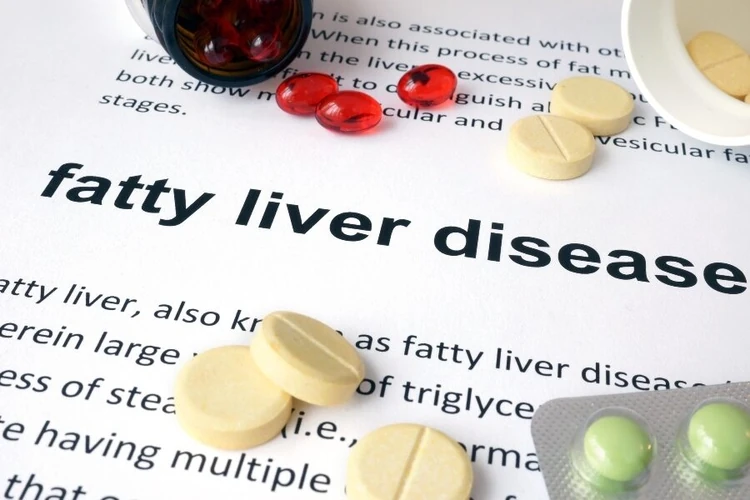
Article Image

Smart packages for medication may help older consumers stay on track with prescriptions

A new study conducted by researchers from the University of Waterloo explored how new technology may improve how older consumers take their prescriptions. 

They explained that prescription bottles equipped with smart packaging can help track when consumers take their pills and ensure that they don't forget to take their medication. The team argues that this would lead to better health outcomes. 

“Many of these products are advertised as user-friendly and efficient, but not all are tested with seniors in mind,” said researcher Sadaf Faisal. “So how would we know if older adults are able to use them for their day-to-day medication intake and are there any factors that can impact in-home utilization?” 

Benefits of new technology

The researchers had 10 participants with an average age of 76 years old involved in the study. The group was given smart packaging for their medications, and the team interviewed them on how well they were able to use it and what they thought of the technology. The participants took about 11 medications each day for several different chronic conditions. 

Many of the participants reported being comfortable with the smart packaging; those who were the most familiar with technology reported the greatest outcomes with the device. Because the packaging tracked their habits, they were less likely to miss their medication. 

“Across participants, we found fairly consistent pros and cons to the technology,” said researcher Tejal Patel. “The ability to learn the product easily was important for the participants to use it consistently. Feedback from their social circle – such as supportive children, partners, or health-care providers – also helped reinforce using the technology.” 

While there were benefits to this smart packaging, the participants also had some hesitations. For starters, the price of these devices was considered to be too high without any assistance from a health insurance plan. The participants also expressed frustration when the device glitched or didn’t perform as designed. 

The researchers believe these devices can ultimately be effective for older consumers. Moving forward, they hope health care professionals work with their older patients to ensure the best health outcomes. 

“For technology to be effective, it has to be accepted by the end-users,” Faisal said. “Smart, technology-based adherence products have the potential to support patients, but health care providers should assess older adults’ medication intake behaviors and barriers and facilitators to using a product before recommending them.” 

Article Image

Household chores and activities may lower heart disease risk for older women, study finds

A new study conducted by researchers from the University of California at San Diego explored how older women’s habits around the house may affect their heart health. 

According to their findings, keeping up with daily household activities, like washing dishes, cooking, or even taking a shower, may lower the risk of heart disease in older women. 

“The study demonstrates that all movement counts towards disease prevention,” said researcher Steve Nguyen, Ph.D. “Spending more time in daily life movement, which includes a wide range of activities we all do while on our feet and out of our chairs, resulted in a lower risk of cardiovascular disease.” 

All movement helps disease risk

For the study, the researchers analyzed data from over 5,400 women enrolled in the Women’s Health Initiative Objective Physical Activity and Cardiovascular Health study. For one week, the women wore accelerometers to measure the frequency and intensity of their daily movement. The team was primarily interested in analyzing movement that wouldn’t be considered traditional exercise, such as movement related to daily chores or activities. 

The study showed that activity that the team defined as “daily life movement” is an integral part of heart health. They classified daily life movement as any activity that occurs while standing or walking indoors, such as cooking, gardening, changing clothes, taking a shower, or doing dishes. 

The researchers learned that women who logged at least four hours per day of daily life movement had stronger heart health than those who did less than two hours of these activities. Women in the former group were 43% less likely to develop heart disease and more than 60% less likely to experience a heart disease-related death. They were also 43% less likely to develop coronary heart disease and 30% less likely to have a stroke. 

With many older women struggling with heart health, the researchers hope these findings bring some positive news. While traditional exercise is important for heart health, this study shows that staying active in the home throughout the day can also significantly benefit older women’s hearts. 

“Much of the movement engaged in by older adults is associated with daily life tasks, but it may not be considered physical activity,” said researcher Andrea LaCroix, Ph.D. “Understanding the benefits of daily life movement and adding this to physical activity guidelines may encourage more movement.” 

Article Image

Extracurricular activities and resilience training in school may help prevent mental health problems

A new study conducted by researchers from the Murdoch Children’s Research Institute explored how initiatives in schools may help boost kids’ mental health. Their work showed that extracurricular activities and resilience training may help improve kids’ mental health and prevent future mental health concerns. 

“With about 50 percent of mental health disorders beginning before the age of 14 years, prevention and early intervention are paramount if we want to reduce the lifetime prevalence of mental health disorders and allow children to live their best possible lives,” said researcher Harriet Hiscock. 

Prioritizing kids’ mental health

The researchers interviewed over 140 clinicians to better understand how schools can be doing more to support kids’ well-being and mental health. They answered questions on their experience working with kids through mental health struggles and what role schools can play in supporting children’s mental health. 

The clinicians believe schools have a powerful platform for helping prevent long-term mental health disorders for kids. They say administrators should either train school personnel to provide mental health support or integrate more mental health professionals into school buildings.

“Schools as buildings act as a trusted physical space where mental health clinicians could offer services that are otherwise challenging to access,” said researcher Kate Paton. “Clinicians believed teachers can offer prevention by supporting children through school-wide psycho-education, sport and social skill, and coping programs.” 

The researchers found that focusing on extracurricular activities and sessions that focused on developing strong coping skills geared toward resilience were the best options for children’s mental health at school. By offering these programs, the clinicians believe teachers will be able to identify children who have a higher risk for mental health concerns while providing them with the right tools and resources to promote well-being. 

“Whilst educators have identified many challenges to providing this support, including perceived stigma, lack of resources, and an overcrowded curriculum, understanding clinicians’ views on the roles of educators and schools and how they could work together to achieve good mental outcomes are important questions,” Paton said. 

“It’s important to understand whether different perspectives may exist between educators and mental health clinicians which need to bridged if these professionals are to work successfully together to achieve both good education and mental health outcomes.” 

Article Image

Cooking with more spice may help older consumers use less salt, study finds

A new study conducted by researchers from Washington State University explored a new way for older consumers to cut back on their salt intake.

According to their findings, cooking with more spice is one way to help reduce how much salt is added to food; over time, this pattern can have significant heart health benefits for older consumers. 

“We were working specifically with a population of older adults to see if we could reduce the amount of salt in a product and then tailor it to their tastes,” said researcher Carolyn Ross. “This is important because the ability to taste and smell is known to weaken with age, and weaker perception of salty flavors may induce people to season their food with excessive salt, which may increase their risk of cardiovascular disease.” 

Adding spice benefits consumers’ health

The researchers had 39 participants over the age of 60 involved in a taste-test trial over the course of several days. The participants tasted three different variations of a pasta sauce: one had no added seasonings, one was seasoned with herbs, and the third had a combination of chipotle seasoning and herbs. The group then answered questions about their overall health and the medications they were taking to better understand what factors may impact their sense of taste. 

The researchers learned that the combination of herbs and chipotle seasoning was the most effective at limiting the participants’ salt intake. When trying this combination of spices, the participants were unable to tell how much salt was used, and they were less likely to add more salt. However, the sauce that contained just the herbs wasn’t as effective in this way. 

The study also found that taking several different medications and having poor oral health may affect consumers’ sense of taste. These factors can affect saliva production, making it harder to distinguish between different flavors. The researchers say older consumers could be adding more salt to their meals because their ability to taste has diminished as they’ve aged. 

Ultimately, these findings were helpful in identifying tangible ways for older consumers to limit their salt intake. Now, the team plans to do more work to better understand what happens to consumers’ tastes throughout the aging process. 

“To date, a clear relationship between taste loss, and thus higher taste thresholds, and eating behavior remains to be established,” said Ross. “So, we are investigating a bunch of different possible factors.” 

Article Image

Social media may negatively impact consumers' physical health, study finds

While several studies have explored how social media use can impact consumers’ mental health, a new study conducted by researchers from the University of Buffalo explored the physical health toll associated with screen time. 

According to their findings, frequent social media use may increase consumers’ risk for a number of physical health concerns, including inflammation, a higher risk of disease, and a greater likelihood of doctors’ visits. 

“Social media use has become an integral part of many young adults’ daily lives,” said researcher Dr. David Lee. “It’s critical that we understand how engagement across these platforms contributes to physical health.” 

Social media poses a health risk

The researchers had over 250 college students between the ages of 18 and 24 participate in the study. They answered questions about their social media use and physical health and also provided blood samples. 

Using that information, the researchers identified a link between social media use and physical symptoms. The participants’ blood samples showed that more time on social media was associated with higher levels of the C-reactive protein (CRP), which is a biomarker closely associated with inflammation throughout the body. Over time, CRP can increase the risk for disease, including cardiovascular disease, diabetes, and cancer. 

“By looking at a biological marker in the blood, we were able to find a relatively more objective association between social media usage and physical health, but this correlational finding can’t rule out the possibility that poor health impacts social media usage,” Dr. Lee said. 

Participants who spent the most time on social media also more frequently reported experiencing headaches and back pains. These participants also visited their doctors with more regularity than participants who spent less time on social media. 

As the researchers hope that more work is done in this area, the team wonders if healthy consumers are less likely to spend lots of time on social media, whereas those with health issues are more frequent social media users. 

“There’s still work to be done,” Dr. Lee said. “But right now, I wanted to get the word out there that social media use may have a link to important physical health outcomes.” 

Article Image

Blood pressure medications may cause kidney damage long-term, study finds

A new study conducted by researchers from the University of Virginia Health System explored how taking blood pressure medication may cause health problems. According to their findings, some of these medications can cause kidney damage to consumers if they are taken long-term.

“Our studies show that renin-producing cells are responsible for the damage,” said researcher Dr. Maria Luisa Sequeira Lopez. “We are now focusing on understanding how these cells, which are so important to defend us from drops in blood pressure and maintain our well-being, undergo such transformation and induce kidney damage. What is needed is to identify what substances these cells make that lead to uncontrolled vessel growth.” 

Understanding the risks of high blood pressure

To better understand why blood pressure medication has a negative effect on kidney function, the researchers conducted a study on both mice and humans that explored the ways these drugs affected artery and blood vessel health in the kidneys. 

The team identified renin cells as the major culprit behind many of the kidney health risks. When the body is functioning properly, these cells create a hormone that regulates blood pressure levels. However, when consumers are taking medication to regulate their blood pressure, it creates a buildup of these cells that can prevent healthy blood flow to the kidneys. 

The researchers explained that these findings may sound the alarm bells for many consumers. However, the team urges consumers who are taking blood pressure medications to continue doing so because they are an important way for those with hypertension to maintain their heart health. The team hopes more work continues to be done to understand why these medications interact so poorly with the kidneys. 

“It would be important to conduct prospective, randomized controlled studies to determine the extent of functional and tissue damage in patients taking medications for blood pressure control,” said researcher Dr. Ariel Gomez. “It is imperative to find out what molecules these cells make so that we can counteract them to prevent the damage while the hypertension is treated with the current drugs available today.”