


2023 Artificial Sweeteners

Article Image

Want to live longer? Just 4,000 steps a day may be all you need

For years, many of us have been living by the long-held belief that our daily step count should reach or exceed 10,000. However, researchers from the European Society of Cardiology have found this may not be necessary to reap health benefits. 

According to their findings, walking and staying active is crucial to living longer and lowering the risk of death, but keeping your daily step count to around 4,000 per day can yield those benefits.

While exceeding that number is associated with greater health outcomes, the study showed that staying around 4,000 steps per day was linked with a lower risk of death from any cause. 

“Our study confirms that the more you walk, the better,” said lead researcher Maciej Banach. “We found that this applied to both men and women, irrespective of age, and irrespective of whether you live in a temperate, subtropical, or subpolar region of the world, or a region with a mixture of climates. 

“In addition, our analysis indicates that as little as 4,000 steps a day are needed to significantly reduce deaths from any cause, and even fewer to reduce deaths from cardiovascular disease.” 

Walking for longer life 

For the study, the researchers analyzed 17 earlier studies that included data on roughly 227,000 people. The team was most curious to understand how daily step count affected the participants’ risk of death from any cause, as well as the risk of death from cardiovascular disease. 

Their work revealed that walking is beneficial to consumers’ health and wellness, but the number of steps to take daily to retain the most health benefits may not need to be as high as many have believed. 

The study found that taking at least 2,337 steps per day reduced the risk of death from cardiovascular disease, while taking at least 3,867 steps per day reduced the risk of death from any cause. 

However, the more steps taken above those figures, the better the health outcomes. Taking 1,000 more steps than those recommended numbers was linked with a 15% lower risk of dying from any cause while taking an additional 500 steps daily lowered the risk of cardiovascular-related death by 7%.

These benefits continued to increase the more that the participants walked – even with as many as 20,000 steps a day. 

Younger adults have a slight advantage

The average age of the participants in the study was 64, and the researchers found that age might play a role when it comes to walking and health outcomes. 

Adults under the age of 60 had a nearly 50% lower risk of death when they took between 7,000 and 13,000 steps daily. Comparatively, adults over the age of 60 had a 42% lower risk of death when they took between 6,000 and 10,000 steps daily. 

Overall, the researchers hope that both consumers and medical professionals look to the benefits of daily exercise when thinking about improving health outcomes. 

“In a world where we have more advanced drugs to target specific conditions such as cardiovascular disease, I believe we should always emphasize that lifestyle changes, including diet and exercise, which was a main hero of our analysis, might be at least as, or even more effective in reducing cardiovascular risk and prolonging lives,” Banach said. 

Article Image

Non-sugar sweeteners shouldn't be used for weight loss, WHO says

Many consumers turn to non-sugar sweeteners (NSS) – Equal, Truvia, Splenda, etc. – as a healthier alternative to traditional sugar. 

However, new guidance from the World Health Organization (WHO) suggests that this may not be the healthiest option. Experts found that NSS aren’t ideal for consumers looking to lose weight, and long-term consumption of these sweeteners can lead to a number of health risks. 

“Non-sugar sweeteners are low- or no-calorie alternatives to free sugars that are generally marketed as aiding weight loss or maintenance of healthy weight, and are frequently recommended as a means of controlling blood glucose in individuals with diabetes,” the WHO guideline states. “Individual sweeteners undergo toxicological assessment to establish safe levels of intake (i.e. acceptable daily intake). However, there is no clear consensus on whether NSS are effective on long-term weight control or if they are linked to other long-term health effects at habitual intakes within the acceptable daily intake.” 

Research says: there are health risks 

Experts at the WHO analyzed several recent studies that explored the effect of NSS on weight loss, as well as the overall health effects associated with these sweeteners. 

One of the biggest takeaways was that long-term consumption of artificial sweeteners was linked with not only higher weight and body mass index (BMI), but a wide range of other health concerns.

High intake of NSS over a 10-year period increased the risk of obesity, cardiovascular disease, type 2 diabetes, cardiovascular-related death, and all-cause mortality. 

These findings prompted the WHO to recommend that consumers avoid these sweeteners in food and drinks – particularly when it comes to weight loss or long-term disease risk. However, there are two caveats to the guidance: those with diabetes are exempt from these recommendations, and personal care and hygiene products that contain NSS (toothpaste, moisturizer, etc.) don’t lead to long-term health risks. 

What to avoid

Some of the most common artificial sweeteners the WHO says you should avoid include: aspartame (NutraSweet, Equal, Sugar Twin), stevia (Truvia), saccharin (Sweet and Low), cyclamates, sucralose (Splenda), acesulfame K (Sweet One), neotame, and advantame. 

“Replacing free sugars with NSS does not help with weight control in the long term,” said Francesco Branco, director for nutrition and food safety at WHO. “People need to consider other ways to reduce free sugar intake, such as consuming food with naturally occurring sugars, like fruit, or unsweetened food and beverages. 

“NSS are not essential dietary factors and have no nutritional value,” he continued. “People should reduce the sweetness of the diet altogether, starting early in life, to improve their health.” 

Article Image

Contaminated eye drops have caused multiple injuries and one death

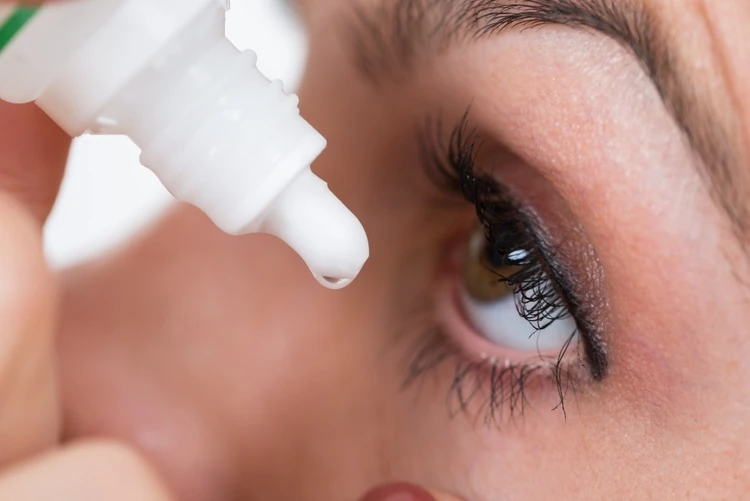
If you have eye drops in your medicine chest, look closely at the brand before you use them. Eye drops sold under the brand names EzriCare Artificial Tears and Delsam Pharma’s Artificial Eye Ointment may be contaminated and have been linked to serious injury and at least one death.

More than a month ago the Centers for Disease Control and Prevention (CDC) issued a Health Alert Network (HAN) Health Advisory about infections linked to the products. Health officials warned the bacteria causing the infection is highly resistant to drugs.

“Most patients reported using artificial tears,” the CDC warned. “Patients reported more than 10 different brands of artificial tears, and some patients used multiple brands. The majority of patients who used artificial tears reported using EzriCare Artificial Tears, a preservative-free, over-the-counter product packaged in multidose bottles.”

CDC laboratory testing identified the presence of the outbreak strain in opened EzriCare bottles with different lot numbers collected from two states. The agency urged patients and healthcare providers to immediately discontinue using EzriCare artificial tears. Unfortunately, the message didn’t reach everyone.

Eight patients lost their vision

In an update last week, the CDC identified 68 patients in 16 states who had been injured by the infections, including four people who underwent surgery to remove an eyeball. One person died from the infection and eight others lost their vision. Thirty-seven patients were linked to four healthcare facility clusters. 

The drops, which were sold nationwide via Amazon, Walmart, and other retailers, have all been recalled but health officials are worried many of the contaminated products are still in the possession of consumers.

According to the CDC, patients should stop using EzriCare or Delsam Pharma’s Artificial Tears pending additional information and guidance from CDC and the U.S. Food and Drug Administration (FDA). If patients were advised to use EzriCare or Delsam Pharma’s Artificial Tears by their healthcare provider, they should follow up with their healthcare provider for recommendations about alternative treatment options.

What to do

Patients who have used EzriCare or Delsam Pharma’s artificial tears and who have signs or symptoms of an eye infection should seek medical care immediately. At this time, there is no recommendation for testing of patients who have used this product and who are not experiencing any signs or symptoms of infection.

Eye infection symptoms may include:

  • Yellow, green, or clear discharge from the eye

  • Eye pain or discomfort

  • Redness of the eye or eyelid

  • Feeling of something in your eye (foreign body sensation)

  • Increased sensitivity to light

  • Blurry vision

Article Image

Are you addicted to high-calorie food?

If you’re over 50 and struggling to maintain a healthy weight, a new study suggests an unhealthy relationship with certain food could be a contributing factor.

Researchers at the University of Michigan (UM) found that 13% of people aged 50 to 80 showed signs of addiction to high-calorie foods and beverages in the last 12 months. The data were gathered by the National Poll on Healthy Aging. 

The researchers found that women struggle with food addiction more than men. The percentage was highest among women in their 50s and early 60s. It was also higher in older adults who say they are overweight, lonely, or in fair or poor physical or mental health.

The pollsters, supported by UM Medicine and AARP, asked 13 questions to measure whether, and how often older adults experienced the signs of addiction. In terms of food, the questions asked about the consumption of highly processed foods such as sweets, salty snacks, sugary drinks, and fast food. 

But is it really an addiction?

Is “addiction” too strong of a word? The researchers set some pretty high parameters. They focused on subjects’ intense cravings, an inability to cut down on intake, and signs of withdrawal.

“The word addiction may seem strong when it comes to food, but research has shown that our brains respond as strongly to highly processed foods, especially those highest in sugar, simple starches, and fat, as they do to tobacco, alcohol and other addictive substances,” said U-M psychologist Dr. Ashley Gearhardt. “Just as with smoking or drinking, we need to identify and reach out to those who have entered unhealthy patterns of use and support them in developing a healthier relationship with food.”

In order to be classified as addicted to highly processed food, subjects had to report experiencing at least two of 11 symptoms of addiction when it comes to processed food. By these criteria, addiction to highly processed foods was seen in:

The results

  • 17% of adults aged 50 to 64, and 8% of adults aged 65-80

  • 22% of women aged 50 to 64 and 18% of women aged 50 to 80

  • 32% of women who say their physical health is fair or poor, and 14% of men who say the same – more than twice as high as the percentages among those who say their physical health is excellent, very good or good

  • 45% of women who say their mental health is fair or poor, and 23% of men who say the same – three times as high as the percentages among those who say their mental health is excellent, very good or good

  • 17% of men who self-report they are overweight, compared with 1% of men who indicate they’re around the right weight

  • 34% of women who self-report they are overweight, compared with 4% who indicate they’re around the right weight

  • 51% of women who say they often feel isolated from others, and 26% of men who say the same – compared with 8% of women

The most commonly reported symptom of addiction to highly processed foods was intense cravings, on the magnitude of smokers and those addicted to alcohol. Gephardt says questions about food cravings should become part of regular health screening at doctors’ offices.

Article Image

Amazon’s RxPass is now available to the public

Photo (c) Andrei Stanescu - Getty Images

Amazon’s latest push into the healthcare market has taken another turn. Six years after beginning its quest, the company announced that RxPass – a Prime membership benefit that offers consumers affordable, generic medications that treat more than 80 common health conditions – is now available in most U.S. states.

It’s not free, but it does meet the definition of affordable. With RxPass, Prime members can receive all of their eligible medications for a flat $5 monthly fee, plus have those prescriptions delivered free of charge. The company promised that there are no hidden fees and no markups to the $5 per month subscription. 

Who this will benefit

The company said that Prime members who pay more than $10 a month for their eligible medications will see their prescription costs drop by 50% or more by signing up for RxPass.

“Plus they save time by skipping a trip to the pharmacy,” said John Love, vice president of Amazon Pharmacy. “We are excited to offer our customers surprisingly simple, low pricing on the eligible medications they need each month.”

Enrolling in RxPass is pretty simple for existing Prime members. To sign up, members can go to the RxPass website.

From there, it’s a pretty easy sign-up process that verifies a person’s eligibility and prescription information. The company said that if customers have questions during the enrollment process or even after a prescription arrives, Amazon pharmacists are on hand 24/7 to help – be it coordinating with a customer’s doctor or helping with refills.

Will other retailers follow suit?

Don’t expect others to sit idly by while Amazon grabs up consumers trying to save money on prescriptions. In 2021, Walmart added prescription discounts to its Walmart+ membership program and invested considerable time in 2022 beefing up the number of Walmart Health locations. 

As PYMNTS noted earlier a couple of weeks ago, CVS is apparently planning to expand its healthcare offering, too, by acquiring Oak Street Health, a company centered on helping older adults stay healthy.

And to make sure rural America is taken care of, Dollar General is also seeing what it can do to bring affordable healthcare to consumers living outside larger cities. Taking a cue from the old mobile library van model, it’s partnering with DocGo to set up mobile clinics in Dollar General's parking lots where people can get preventative care services like vaccinations and immunizations and more immediate care services that address situations like the flu and COVID-19 or caring for a wound.

Article Image

Will raising your metabolism help you lose weight?

Many people in their 20s find they can eat and drink just about anything and not gain much weight. But when you hit 40, that changes quickly.

In fact, aging tends to slow down metabolism and the older you get, the harder it is to shed pounds. So, if you’ve resolved to lose weight in 2023, will speeding up your metabolism help? The jury is still out on that one.

Health experts at the Mayo Clinic say the best way to lose weight is to increase activity and reduce calories. But since metabolism is the process your body uses to convert food into energy, speeding up that process can’t hurt. 

“Supplements claiming to boost your metabolism may have little or no benefit and may contain substances that have serious side effects,” the clinic’s experts wrote. “How much you weigh largely depends on the choices you make about food and how much physical activity you get.”

Is there a way to safely speed up your metabolism? The ConsumerAffairs research team looked into it and found several natural ways to do it. And what we found may seem counter-intuitive: To speed up your metabolism you need to eat.

What to eat

The experts we consulted suggest eating breakfast and eating throughout the day. And you must eat the right kind of food.

They say you should start by eating more whole foods, which they describe as a simple way to improve your overall health and speed up your metabolism. That means cutting back on convenience foods.

Have a home-cooked meal with real ingredients once or twice a week. Add a couple of servings of whole fruits and vegetables to your daily diet and drink lots of water.

While altering your diet, get plenty of exercise to convert that food into energy. A combination of aerobic exercise and resistance training steps up fat burning and leads to an increase in metabolism.

Finally, cut back on caffeine and alcohol. According to the experts we consulted, both influence insulin output, glucose metabolism, and liver function and can slow metabolism.

Shoot for ‘normal’

If you’re in your 50s or 60s, you may find that even with these steps your metabolism isn’t going to return to the rapid rate of your 20s. Instead, it may return the rate to what is normal for your age.

If you're concerned about your weight or you think your metabolism is too slow, Dr. Donald Hensrud of the Mayo Clinic says you should discuss it with your doctor. 

“Your doctor can check for medical causes and help you adopt healthy lifestyle changes to aid your weight loss,” he said.

Article Image

Considering a gym membership? Here’s what ConsumerAffairs reviewers say

When January rolls around and the calendar flips to a new year, parking lots at fitness centers tend to suddenly be very crowded. There are a lot of New Year’s resolutions for improving health and fitness.

There are also plenty of gyms and fitness centers that can help with that, but which ones are the best? We checked ConsumerAffairs reviews to see how they rate on a 5-star scale and here are our top five. We included only national chains and companies with more than 100 reviews.

  • Anytime Fitness 3.8 stars

  • Planet Fitness 3.7 stars

  • Curves 3.0 stars

  • Gold’s Gym 2.9 stars

  • 24-Hour Fitness 2.8 stars

Anytime Fitness

Anytime Fitness leads the pack. But like all health clubs, it has its share of detractors. Recent 1-star reviews seem to deal with club policies and complaints about local staff. Favorable reviews praise cleanliness, and on many occasions, local staff members.

The majority of negative reviews have to do with cancelation policies, which seem to be restrictive industry-wide. 

Planet Fitness

Planet Fitness is close behind in second place, and a couple of things stand out in customer reviews. At different locations across the country reviewers comment on maintenance and customer support.

“I just wanted to let someone know that the staff at PF Fredericksburg Costner Corner are amazing,” Angel, of Stafford, Va., wrote in a ConsumerAffairs review. “They always have smiles and are cleaning some type of equipment. It is refreshing to know that the staff truly cares about fitness and customer service.”

Curves International

Curves International is a women-only club – one of the largest fitness franchise chains for women, with over 1,000 locations in the U.S. and internationally. It offers group fitness classes, weight loss support and personal coaching.

“Very good customer service, clean place, great machines,” Blanca, of Reseda, Calif., told us during the early days of the pandemic. “Not so crowded, respectful crew.”

Gold’s Gym

Gold’s Gym, with a 2.9-star rating, is in fourth place. It has its share of gripes about membership and billing policies but gets a thumbs up from some customers for the quality and condition of equipment and the efficiency of the staff.

24 Hour Fitness

24 Hour Fitness, has a 2.8-star rating, dragged down in part by membership and cancelation policies. But even when things go wrong, at least one customer said the company made it right.

“I have had some issue with the billing statement, so I sent an email to 24H (and) within an hour, the location general manager called back and left a void message, explaining the issue and how to fix it. After that, I've received confirmation email that the issue has been resolved,” Don, of Allen, Texas, told us. Impressive!

According to our research, most gym memberships are paid in monthly dues which can range from around $10 to several hundred dollars a month, depending on the gym’s features and its location. 

Consumers considering a gym membership should get all the details in writing in an official contract. If it is difficult to cancel, know that going in.

Gym membership contracts and pricing schedules vary from company to company. Be sure to read the entire contract and ask questions before signing if you’re not sure what something means.