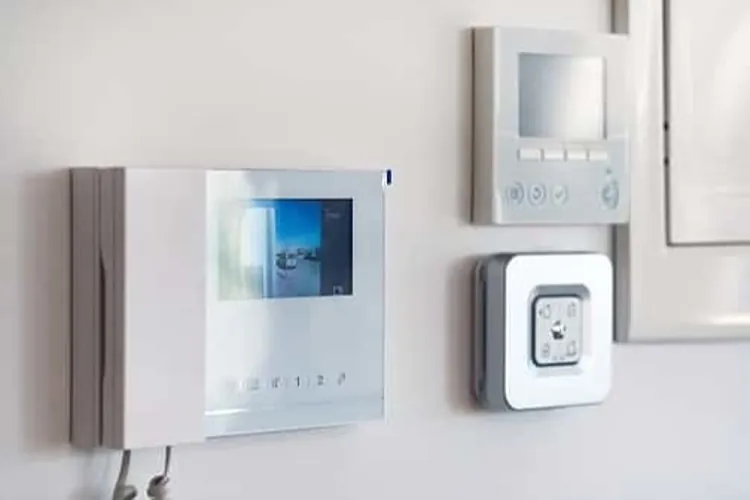


Home security system installation cost overview
Home security system installation can cost nothing if you install it yourself, or thousands of dollars for professional installation, depending on the system’s complexity and the size of the property being protected. However, top home security companies typically charge $100 to $600 for installation.
Installation is just part of the total security system cost. Home security system costs include the equipment, installation, maintenance, activation and monthly monitoring fees. Even self-monitored systems often have monthly fees for cloud storage, two-way communication and mobile alerts.
Types of security installation
While DIY installation may seem like a good way to save money, you should consider ancillary costs as well.
DIY vs. professional security system installation
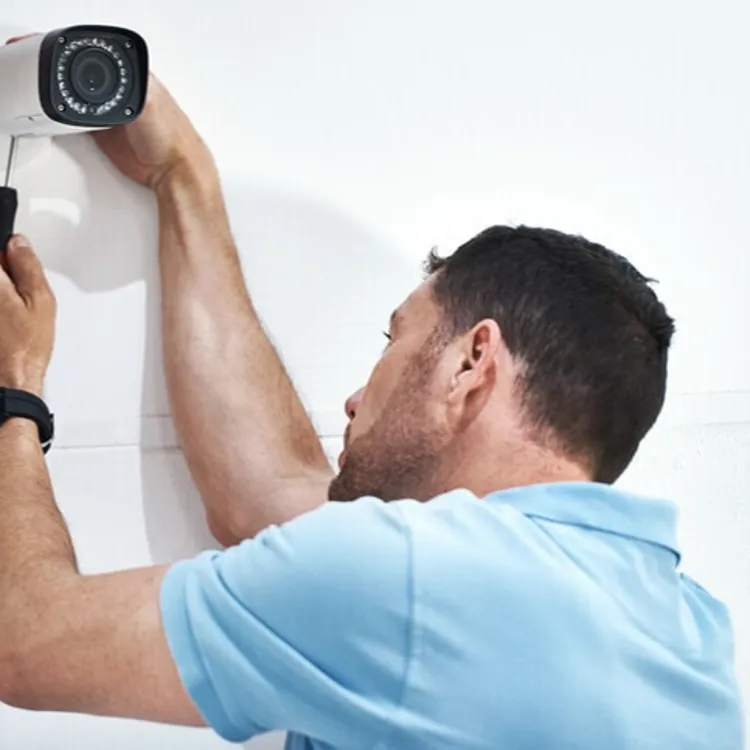
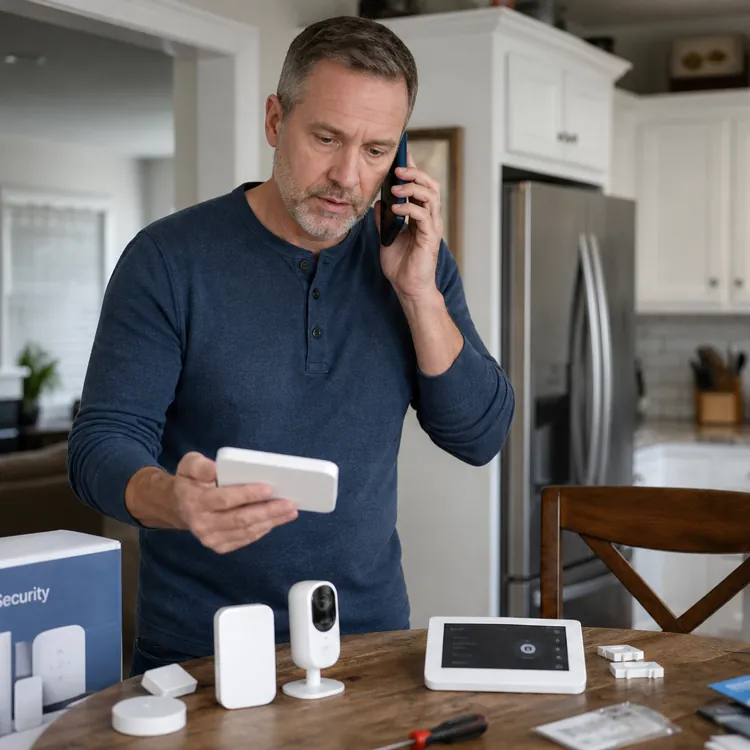
DIY security system installation relies heavily on your prior knowledge and the tools you have on hand.
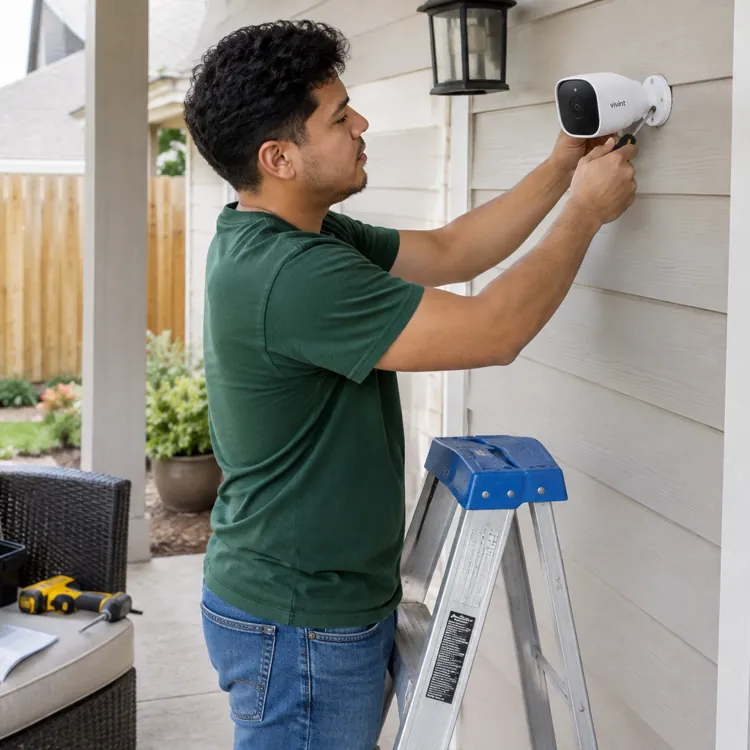
For example, while a Wi-Fi security camera may be advertised as requiring only batteries and a screwdriver, you'll more likely need a ladder, a screwdriver, a drill for tough surfaces and batteries.
| Time | Installation supplies | Knowledge | Permits and licenses | |
|---|---|---|---|---|
| DIY Installation | Hours to days of work and research | May need wires, a multimeter, screwdrivers, a drill, drill bits, a ladder, paint, caulk, drywall | Depends on experience | May require an electrician or construction permit |
| Professional Installation | A few hours, with the technician doing the work | Typically included | Trained in system installation and use | Typically included |
Hardwired vs. wireless security installation
Security system installation ranges from simple to complex, whether wired or wireless. However, installation differs depending on the type of security system.
Wireless security systems are easier to install
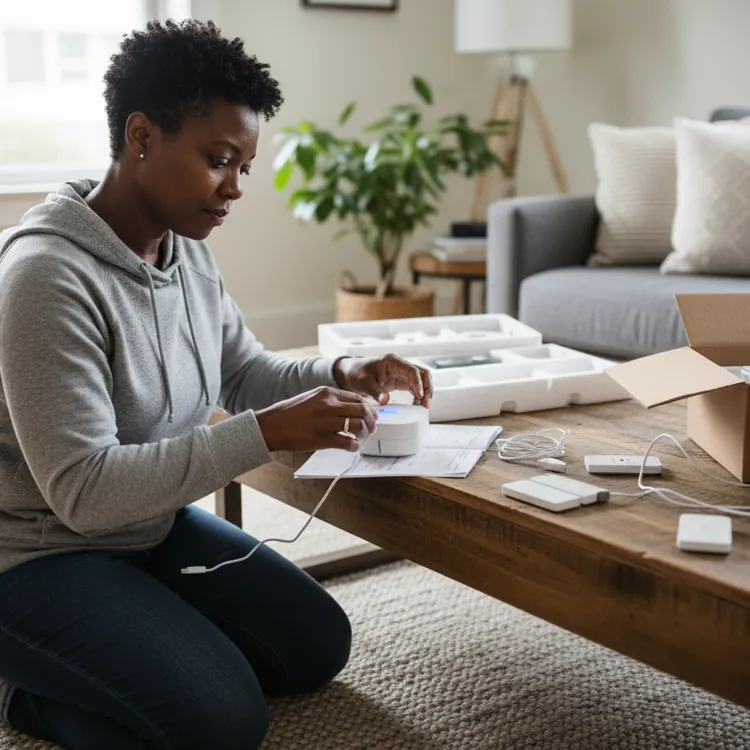
Wireless security cameras and systems are simpler to install and require fewer tools and less know-how. The best wireless security systems are designed for DIY installation or often include free installation. However, you still need to know where to place cameras and how to operate the system. Connecting the system to an app or base station is often the hardest part.
Hardwired systems are more complex
Hardwired security systems are far more complex to install and are typically not recommended for DIY homeowners. Wired security systems tend to fall on the higher end of installation costs and are least likely to offer free installation. However, custom-quoted wired security bundles may offer discounted installation or turnkey package pricing.
Why hardwired installation costs more
Skilled labor, supplies, permits, time and training requirements drive hardwired security costs. Hardwired systems require electricians and specialized knowledge for safety and legal reasons should new wiring need to be added or existing wiring modified.
» RELATED: Wired vs. wireless security cameras
What affects home security installation costs
For professional security installation, costs vary by system and location for several reasons, including home layout, equipment type, number of devices, local regulations and market rates.
Home size and number of devices
More devices and more area to cover increase labor time and cost. The number of doors, windows and other access points influence how many cameras and other sensors you need.
Home layout
Ease of access to device placement locations, layout complexity and even ceiling height affect installation difficulty.
Types of sensors
Some equipment requires more effort and expertise to install. For example, glass-break sensors must be installed precisely to function properly, and radio-frequency (RF) sensors can interfere with each other if improperly spaced.
Wiring needs
For wired systems, running cables adds time and supplies, increasing installation costs. For example, the cost of copper wire for power has skyrocketed as demand for new infrastructure soars, and even Power over Ethernet (PoE) cameras are affected because Ethernet cables use copper. In some cases, installers may also need electrician licenses.
Installer
Some companies use in-house installers, while others subcontract to local companies. You may assume in-house installers provide higher-quality service, but costs can be higher or lower with either option depending on your location, travel time and local labor rates.
Brand
As with any product, prices vary by brand, what is included in the installation and the level of service. For example, one brand may offer white-glove service, with techs wearing booties and cleaning up debris or packaging, while another does not.
Location
Your proximity to an installer, local restrictions, permit and licensing requirements and ease of access to your property all affect costs.
Ongoing costs after installation
Home security costs typically break down into upfront and ongoing fees. Upfront fees cover what you pay to install and activate your system. Continuing costs are monthly or annual costs paid over the life of your system.
Upfront costs typically include:
- Equipment: The cost of equipment such as cameras, window sensors and a base control station. Increases with the amount of equipment and equipment features.
- Installation: Mounting a base station, cameras and sensors; adjusting angles and placement; running wiring; connecting cameras and sensors to the base station; testing the equipment and training the homeowner to use the system. Increases with system size and complexity.
- Activation: Activation fees may apply to your security system, much like the activation fee you pay when you sign up with a new mobile phone carrier. Not typically affected by system size.
- Alarm permit: Some cities require system registration fees as part of their false-alarm reduction programs. These fees are typically passed on to homeowners, or homeowners must pay the city directly.
Continuing fees typically include:
- Storage access: For self-monitored systems, most home security systems charge a monthly fee for cloud storage of video and photos, plus internet-based features such as remote access and activity alerts. Fees are often tiered by storage and features.
- Professional monitoring: Professional monitoring connects your system to a staffed response center, typically 24/7. Some plans cover only intrusions, while others also respond to fire alarms or senior fall alerts. Monitors may contact you before dispatching emergency services.
- Equipment payments: If you financed your equipment or took advantage of a special offer with purchase of monitoring, you may have a monthly payment for your equipment.
- Maintenance plans/extended warranties: While not available for all systems, some may offer maintenance plans to extend equipment warranties for a monthly or annual fee.
- Maintenance costs: Ongoing maintenance, including updates, testing, batteries and repairs, continues for the life of your system. Some maintenance only requires your time, while repairs and annual permits carry costs that vary by location and system.
- Termination fees: Many home security services require service plans for two years or more. If you cancel the service during that time, you may be liable for a termination fee or lump sum payment for equipment if you financed the equipment.
- False alarm fines: Many areas charge escalating fines for false alarms to reduce the drain on resources. For example, a first false alarm may be free, but a fifth false alarm fine may be several hundred dollars. In many cases, local ordinances specifically prohibit fining the alarm company and instead fine the alarm system owner.
FAQ
What security system do burglars hate?
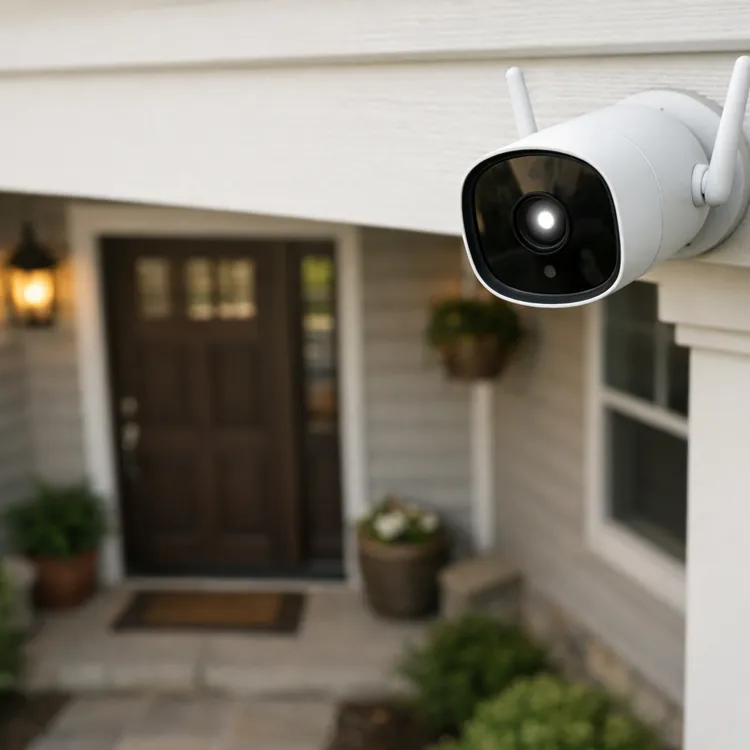
Burglars typically don’t judge security systems by brand as much as whether an actively monitored system is present. Most burglars avoid homes with visible cameras, regardless of brand.
Is professional installation worth the extra cost over DIY?
Yes, for home security systems using professional monitoring or including more than two or three wireless cameras, professional installation is generally worth the cost to ensure proper operation.
How much does home security monitoring cost per month?
On average, professional home security monitoring costs $35 per month.
What is the average cost of a home security system with cameras?
ConsumerAffairs found the average cost of a home security system is roughly $279, plus $35 per month for monitoring.
Bottom line
Realistically, homeowners can expect home security installation costs to range from $100 to $600, excluding special offers or very complex installations. To get the best deal, get quotes from several leading home security companies such as ADT, ADT Blu, Vivint or Vector Security.
Compare equipment and installation costs, contract durations and terms (including early termination fees) and monthly monitoring fees. Remember that home size and layout, your location and the type of security sensors to be installed (such as wired or wireless) affect costs.
Taking time to research and compare quotes helps ensure you get the best home security at the best price.
Article sources
ConsumerAffairs writers primarily rely on government data, industry experts and original research from other reputable publications to inform their work. Specific sources for this article include:
- Elsevier, "The widening gap between copper supply and demand will have an impact on economic development and energy futures." Accessed Nov. 18, 2026.
- City of Los Angeles Office of Finance, "Alarm Permits." Accessed Nov. 18, 2026.
- City of Houston Burglar Alarm Administration, "Alarm Permit Application." Accessed Nov. 18, 2026.
- New York State Senate, "Fines for false alarms." Accessed Nov. 18, 2026.