
Compare our top 7 DIY home security systems
To come up with our top picks, we started with a list of dozens of home security companies that are featured in our home security buyers guide. After narrowing it down to the ones that specialize in DIY systems, we compared cost, features, ease of installation and available monitoring plans.
We also tried many of our top picks hands-on to see how they work in real-world situations.
| Company | Customer rating | Lowest monthly monitoring fee | Required contract | Self-monitoring option | Cameras work without system | |
|---|---|---|---|---|---|---|
 ADT Blu | Learn More | No ratingView profile | $9.99 | No | Yes | No |
 Frontpoint | Learn More | 1.5 | $4.99 | 36 months (if financing) | No | No |
 Cove | Learn More | 1.7 | $23 | No | No | No |
 Link Interactive | Learn More | 4.6 | $30.99 | One to three years | Yes | Yes |
 SimpliSafe | Get Started | 2.9 | $9.99 | No | Yes | No |
 Ring | Learn More | 1.3 | $20 | No | Yes | Yes |
 Abode | Learn More | 4.3 | $6.67 | No | Yes | No |

- Self-monitoring option:
- Yes
- Required contract:
- No
- Warranty:
- 90 days
- Cameras work without system:
- No

- Self-monitoring option:
- No
- Required contract:
- 36 months (if financing)
- Warranty:
- Three-year limited warranty
- Cameras work without system:
- No
- Self-monitoring option:
- No
- Required contract:
- No
- Warranty:
- One-year to lifetime warranty
- Cameras work without system:
- No
- Self-monitoring option:
- Yes
- Required contract:
- One to three years
- Warranty:
- Three-year limited warranty
- Cameras work without system:
- Yes

- Self-monitoring option:
- Yes
- Required contract:
- No
- Warranty:
- One-year limited warranty
- Cameras work without system:
- No
- Self-monitoring option:
- Yes
- Required contract:
- No
- Warranty:
- One-year limited warranty
- Cameras work without system:
- Yes

- Self-monitoring option:
- Yes
- Required contract:
- No
- Warranty:
- One-year limited warranty
- Cameras work without system:
- No
How to choose a DIY security system
Not surprisingly, researching the DIY security company should be at the top of your list when choosing a system.
“If you're opting for a DIY home security system instead of a professionally installed one like Vivint or ADT, I think the most important thing to consider is the reputation and track record of the DIY company,” said Rebecca Edwards, security and safety expert at SafeWise.com.
Many DIY systems let you add more devices later, so it pays to think about whether you want to expand your system later when shopping.
Edwards added that it’s important to find out what kinds of customer help and support are available — especially since you have to install it yourself. You don't want faulty installation to impact your security, so knowing that reliable experts are on call to help is important.
Look for a system that will give you all the devices you need. Some companies offer basic devices like motion sensors and key fobs, while others offer an expanded lineup. Some common devices in a security system include:
- Garage door sensors
- Fire, smoke and carbon monoxide detectors
- Indoor/outdoor cameras
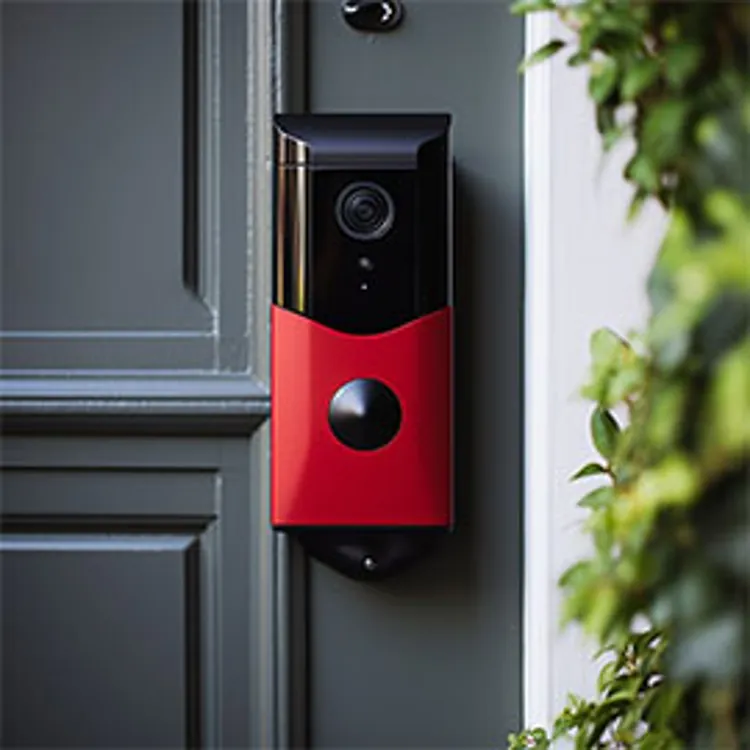
- Doorbell cameras
- Smart locks
- Floodlights
- Emergency alert buttons
- Glass break sensors
- Water leak sensors
During the research process, consider whether you’re interested in self-monitoring or paying a monthly fee for professional monitoring. If you decide to monitor the system yourself, you’ll want to choose a DIY security system with a reliable, streamlined app.
“If you're truly looking to go DIY, including monitoring your system on your own, the most important thing will be a mobile app that gives you remote alerts, lets you check in on video from your phone, and doesn't cost too much to access,” Edwards said.
How much do DIY security systems cost?
The upfront cost of a DIY security system is anywhere from $20 to $1,000, depending on the company and system components you choose. If you opt for self-monitoring, there may be no subscription cost, though some companies charge a fee to record and store video. Security companies charge extra for professional monitoring services — the average cost is around $35 per month.
Add-on equipment also factors into overall costs. Starter kits come with basic components, but you’ll have to spend more if you want to expand the system with extra cameras or sensors. Many home security companies provide customizable kits, so you can build a DIY system that includes the exact components that you want.
» READ MORE: How much does a home security system cost?
Benefits of a DIY security system
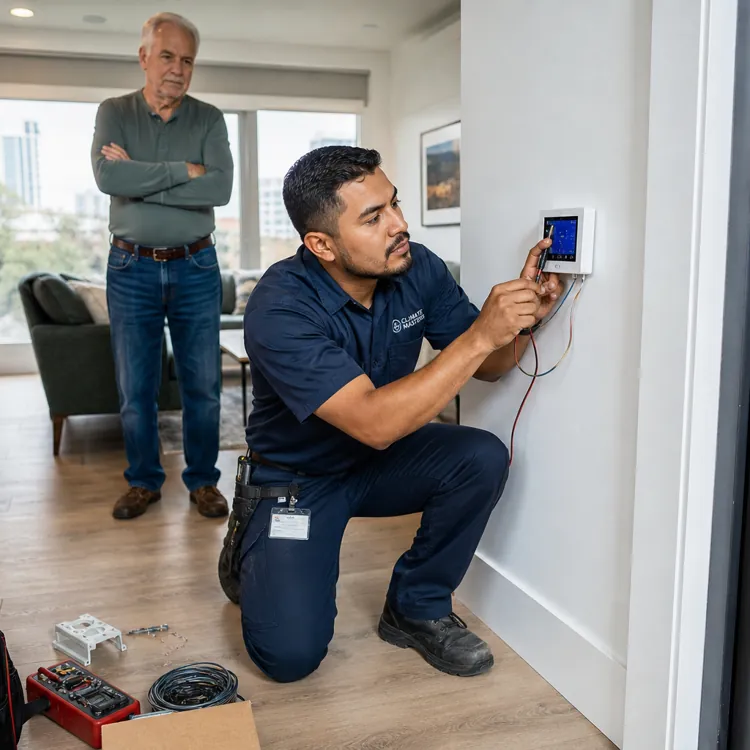
There are two big benefits of a do-it-yourself security system. First, DIY systems are ideal for people who want to save money by installing their systems themselves. A typical professional installation costs between $99 and $199. You can bypass this upfront cost completely by installing the system yourself.
Additionally, DIY home security systems are best for those who want to customize and fully control their security systems. Many of the home security companies on this list have customizable packages that let you choose exactly which devices and services you’d like included in your system.
» LEARN MORE: Security system installation: DIY versus professional
FAQ
What is a DIY security system?
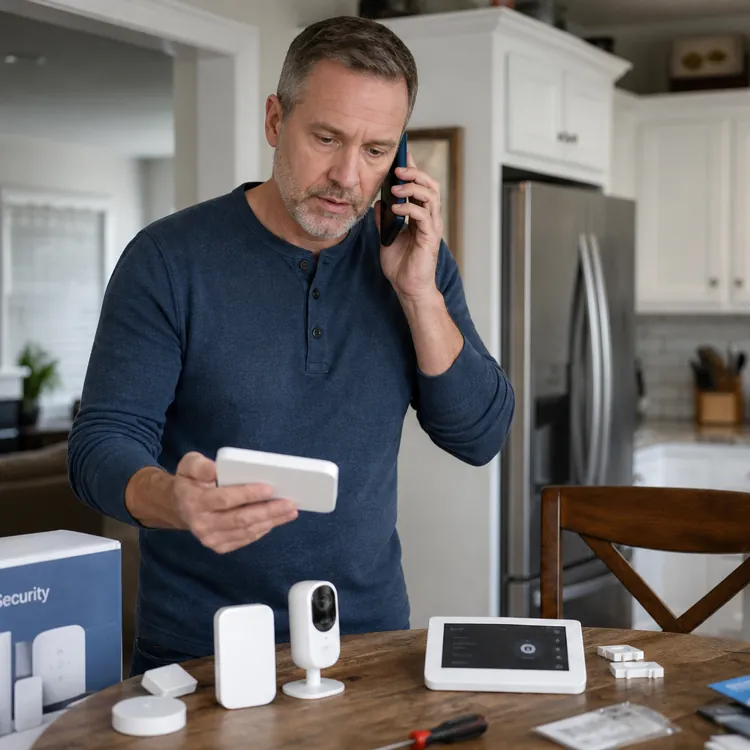
A DIY security system is installed by the customer. The security company ships the equipment to the purchaser with instructions for setup. Most DIY systems are wireless and use Wi-Fi and a cellular network.
DIY systems typically include the following components:
- Controls: A control panel and keypad are standard. Motion and window sensors also come with most systems. The control panel, sometimes called a “hub” or “base,” is essentially the brains behind the whole system.
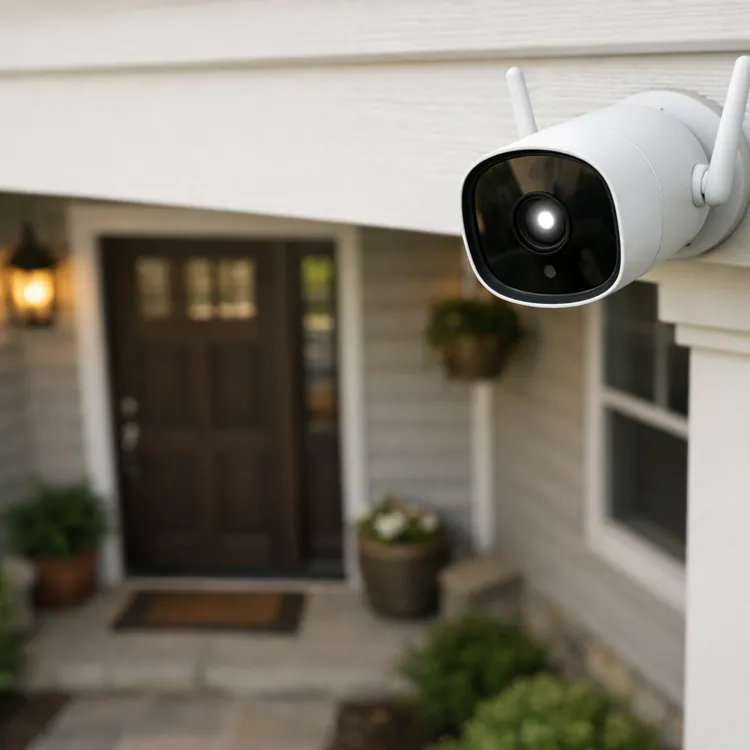
- Camera: We suggest at least one outdoor video camera posted by your front door. For more, read about how to find the best DIY security camera.
- Sensors: Entryway sensors are for doors. The window or contact sensor can trigger an alert if anything is opened or closed. Motion detectors are good for hallways. You can also get an integrated smoke detector, glass break sensors and other smart-home devices.
» DISCOVER: Best wireless home security systems
Are DIY security systems good?
Overall, DIY security systems are great for apartments and homes that don’t require complex security systems. They’re often easier to move to another residence, which makes them ideal for renters.
Doing it yourself also saves money, but it does require installation on your part. You should consider professional installation if your home needs more advanced security arrangements or is very large, or you aren’t comfortable setting up the system on your own.
How do you install your own home security system?
Most of the time, you can install a DIY home security system in an hour or two. Usually, you start with the wireless control panel or base. You attach it to a wall by your primary entry door with removable, double-sided adhesive or a small nail.
“Peel-and-stick” backings and magnets are increasingly common on various sensors and detectors. This makes it easy to install your devices without tools.
Can I take my DIY system with me if I move?
Yes, in most cases, the system can be removed and installed in a new residence. This is why wireless equipment is an attractive option for renters and those who don’t plan to stay in their homes for a long time.
» COMPARE: Best no-contract security systems
How do I protect my DIY security system from hacking?
There are several ways you can protect a wireless security system from hacking, including:
- Making sure your Wi-Fi is password-protected
- Enabling encryption on your router
- Verifying that the system’s app has a strong password and two-factor authentication
Can I monitor my own alarm system?
Yes, several popular DIY home security systems allow self-monitoring (alerts go straight to your phone rather than to a monitoring center). If you choose to self-monitor, you won’t have to pay a monthly fee for professional monitoring services.
» DISCOVER: Best self-monitored home security systems