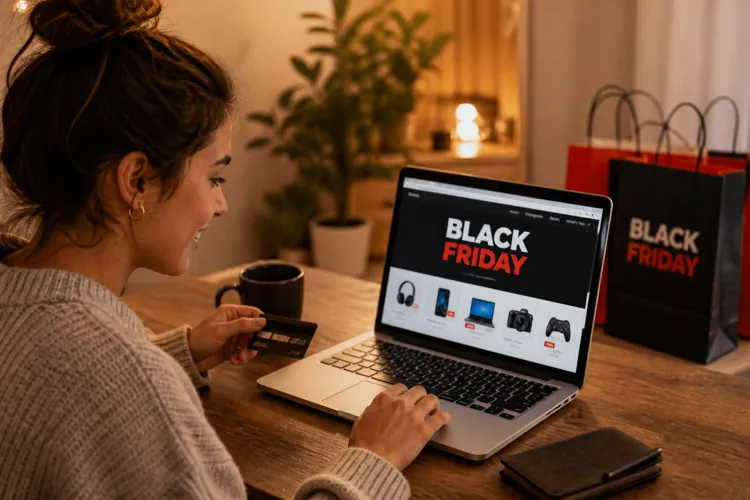

Fake retail websites, phishing messages, and fraudulent shipping notifications are among the biggest scams shoppers should watch for this holiday season.
Scammers are using AI and deceptive identity verification links to make fraud attempts more convincing and steal shoppers' personal information.
If you fall victim to a scam, act quickly by contacting your bank, securing your accounts, freezing your credit if necessary, and reporting the fraud.
Black Friday and the holiday shopping season bring plenty of opportunities to save money, but they also create opportunities for scammers to take advantage of shoppers.
From too-good-to-be-true deals and fake retail websites to identity theft and fraudulent promotional messages, consumers have plenty of reasons to be cautious before clicking on a link or entering their payment information.
ConsumerAffairs spoke with Ira Bondar-Mucci, Fraud Platform Lead at Veriff, who broke down some of the biggest shopping scams consumers should watch out for this holiday season, how fraudsters are changing their tactics, and what shoppers can do to protect themselves.
What to look for
Bondar-Mucci explained that Black Friday and the holiday shopping season are a peak time for fraud, as limited time promotions and urgency tied to this period leave many shoppers ignoring red flags they may have previously questioned. She shared some of the primary red flags to look for.
“Consumers should be on high alert for fake retail websites, fraudulent social media ads, and phishing scams targeting personal /financial information,” she said. “For example, bad actors will use these vectors for non-delivery scams, accept payment for popular or heavily discounted products, and never send the items.
“They may also send fraudulent shipping notifications claiming a package is delayed, missing, or held up by an unpaid fee. These messages often include links to fake carrier websites designed to steal even more personal information. Shoppers should track orders directly through an official shipping carrier or retailer and verify any shipping issues independently before clicking links or sharing sensitive information.”
Link-sharing scams
On top of that, Bondar-Mucci wants shoppers to be on the lookout for what fraud teams are calling a link-sharing scam. She broke down how it works.
“You get a message asking you to ‘verify your identity’ to release a delayed order, unlock a refund, or claim a prize. The link leads to a real identity check prompting users to scan an ID or take a selfie. However, that check belongs to an account the fraudster is opening in your name, such as a bank, buy now, pay later, or marketplace seller account.Because you are a real person holding your real ID, every security check passes.
“A retailer or carrier will not ask you to scan your ID and take a selfie through a link sent by text or social media to deliver a package,” she continued. “If you didn't start the identity verification process yourself, in the company's own app or website, don't finish it.”
Red flags in promo texts, ads, and checkout flows
Some of the most common red flags that are consistent over time are: a sense of urgency to act, unusually steep discounts, or sharing personal or financial information. However, generative AI makes it harder than ever to distinguish the real from the fake.
“Generative AI now enables bad actors to ensure their fake assets look as polished as ever,’ Bondar-Mucci said. “While consumers should still be wary of this sign, it's important they be extra cognizant of other behavior-based red flags, focusing on what the message is asking you to do.
“The biggest red flag is platform steering, where a seller or ‘customer support agent’ moves you off the marketplace into a text thread, messaging app, or direct payment link. The moment you leave the platform, its buyer protections no longer apply. AI makes these conversations far more convincing, from a cloned voice on a ‘support’ call to a deepfake video of a seller ‘showing’ you the product.
Other things to be wary of:
Checkout flows that pressure shoppers to pay with methods like gift cards or cryptocurrency
Unexpected changes at the time of purchase, like requests to re-enter payment information through a separate pop-up link
Changes to a vendor name, or additional charges
Any request to scan your ID or take a selfie to complete a purchase or receive a refund, through a link you didn't initiate
Act quickly if you’re involved in a scam
If you find yourself involved in a Black Friday scam, Bondar-Mucci’s best advice is to act quickly. Here are her top tips:
Immediately lock any compromised or potentially compromised cards.
Contact your bank or credit card issuer to report and dispute any fraudulent transactions.
If a password was shared, it should be immediately changed, and any other accounts where that password has been reused should be updated as well.
If personal identity information like a social security number was shared, place a fraud alert or credit freeze with the major credit bureaus to help prevent bad actors from opening accounts in your name.
If you completed an ID or selfie check through a link someone sent you, contact the company that ran it and tell them it wasn't you who requested it, so the account opened with your identity can be shut down.
It is also recommended to report the fraud to the FTC of the FBI Internet Crimes Complaint Center at their respective websites.
Report the ad or seller to the platform where you found it too, and keep screenshots, receipts, and messages.
You can also contact your local police department using the non-emergency phone number or website.