

Key insights
Porcelain is the most common type of tile for flooring, but natural stone materials, like marble, granite and travertine, are great options for a more luxurious and natural look.
Jump to insightCeramic is cheaper than porcelain but isn’t as resistant to impact or wear, and it can absorb water more readily, so most homeowners choose porcelain unless they’re on a tight budget.
Jump to insightMarble, granite and travertine are the most popular types of stone tile, with marble being ideal for luxury kitchens and bathrooms, granite being the most popular and travertine being the most affordable.
Jump to insightTypes of tile flooring materials
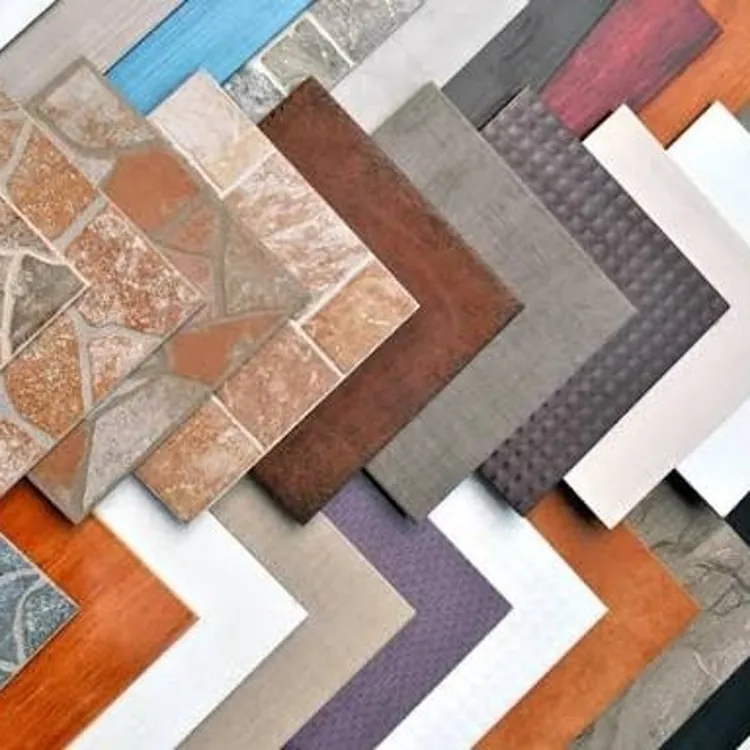
The most common tile floor types are ceramic and porcelain, which are what most people picture when they think of tile floors. But natural stone tiles are also popular, with granite, marble and travertine among the most common materials.
Ceramic and porcelain
Ceramic and porcelain tiles are made of clay and aggregates, and manufacturers shape them and dry them in high-temperature kilns. Both options can have a smooth face or a more natural, textured face. Porcelain tiles are more durable and withstand impact better, so they’re more popular for flooring.
Natural stone
Natural stone tiles are cut directly from stone quarried from the earth. Marble is a high-end option prized for its appearance, while travertine is more budget-friendly. Granite is the most popular natural stone flooring material because it’s extremely durable and less prone to staining and water intrusion than most other options.
Tile floor materials compared
Use the table below to compare tile options and find the best fit for your space and flooring replacement budget.
| Cost (per sq. ft.) | Wear resistance | Water resistance | Stain resistance | Best for | |
|---|---|---|---|---|---|
| Ceramic | $7 to $25 | Excellent | Very good | Excellent | Budget-friendly installations |
| Porcelain | $7 to $25 | Excellent | Excellent | Excellent | Most bathrooms and kitchens |
| Travertine | $10 to $40 | Very good | Very good | Very good | High-end bathrooms and kitchens |
| Marble | $10 to $40 | Very good | Very good | Good | Luxury bathrooms and kitchens |
| Granite | $10 to $40 | Excellent | Excellent | Excellent | High-end bathrooms and kitchens |
» RELATED: Tile flooring installation costs
Ceramic vs. porcelain tile flooring
Ceramic and porcelain are the most common options for residential kitchens and bathrooms because they balance affordability, longevity, value and appearance.
Ceramic tile flooring
Both ceramic and porcelain are made from fired clay, but ceramic requires a much lower kiln temperature. This lowers production costs but makes the material less durable and more prone to cracking. So it may not be ideal for busy kitchens and bathrooms, where dropped items are more likely to hit the floor. But it is affordable flooring, costing as little as $7 per square foot installed.
Porcelain tile flooring
Porcelain requires higher kiln temperatures, making it more durable and better suited for busy kitchens and bathrooms. It also won’t absorb water as readily as ceramic, so it’s an overall better option for areas that may see leaks, spills or dramatic humidity changes. However, porcelain is more expensive, so expect prices closer to $25 per square foot.
Installation complexity and safety considerations
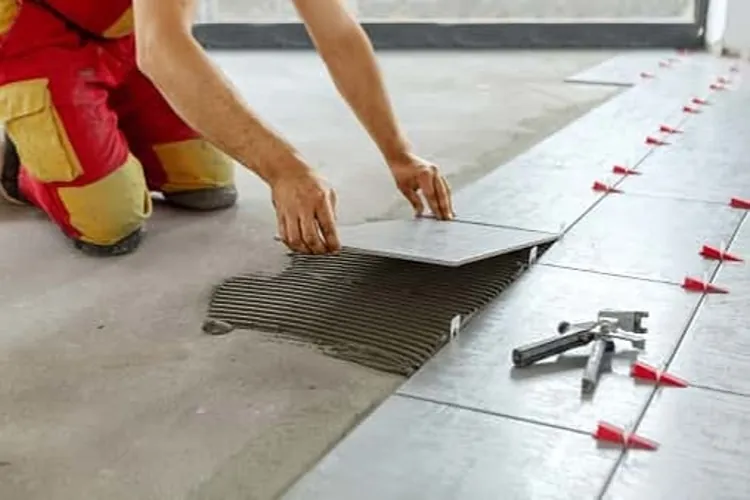
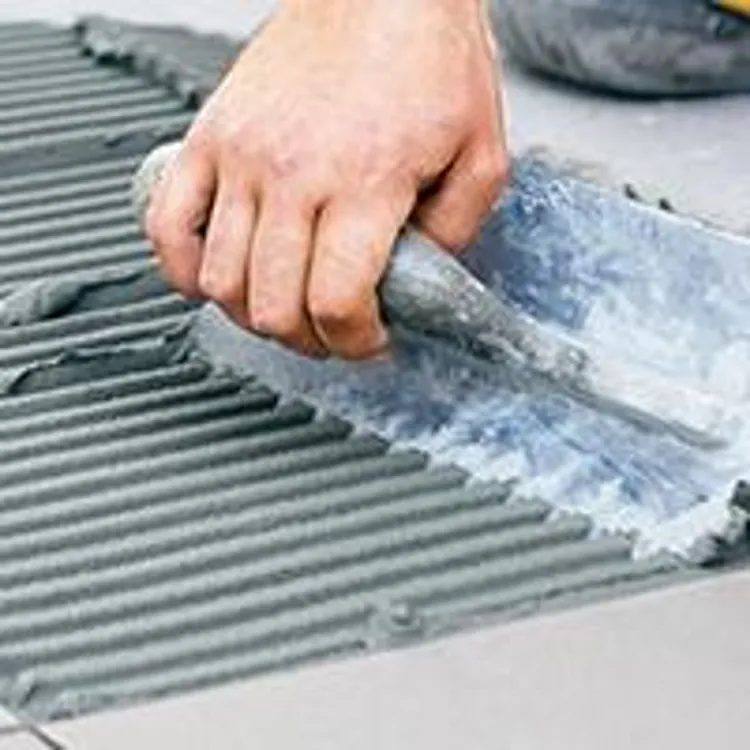
You can technically install either ceramic or porcelain tile yourself, but the process is time-consuming, requires special tools and demands skill to achieve a good finished appearance. It’s best to hire a pro for either, but especially for porcelain tile, which is denser, heavier and harder to cut.
Consider tile texture and grout lines to help reduce slipping risks.
Ceramic and porcelain can have a slick surface if the tile is glazed or a slightly textured surface if unglazed. For rooms where your flooring may get wet, like bathrooms, consider unglazed tile, as the light texture offers better traction and can reduce the risk of slipping and falling.
You can also opt for smaller tiles, which are harder and more time-consuming to install but have more grout lines that can provide texture for grip and safety.
Natural stone tile flooring
Granite, travertine and marble are popular materials for homeowners looking to use natural stone tiles.
Granite flooring
Granite is the most common choice because it offers outstanding water and wear resistance, withstands dropped items and lasts 100 years or more with minimal maintenance.
Marble flooring
Marble has similar durability, but is usually more expensive and can stain and yellow from UV exposure. Despite the added maintenance requirements to keep it free of stains, it has a stunning appearance and is a popular flooring option in luxury homes. Marble can also last 100 years or more, though lighter-colored marble may not age as well.
Travertine flooring
Travertine is usually more affordable than granite and marble, so it’s a good option for homeowners who want the look and feel of real stone without overextending their budget. It requires similar maintenance to granite and can last 100 years or more with proper routine care.
Installation complexity, maintenance and safety considerations
Natural stone is very challenging to cut and requires specialized tools. It’s also difficult to set in place properly with even grout lines for a professional look. Hire a pro if you want a natural stone floor, because cutting mistakes can be costly with expensive stone.
Seal natural stone floors regularly to maintain water resistance and prevent stains.
All natural stone floors will require routine sealing to maintain good water resistance. If you choose marble, expect to reseal your floors more often to prevent staining. You may also need treatments to prevent sunlight-induced yellowing.
Natural stone tiles can have a lightly textured surface or be smooth and polished. Consider a textured surface for bathrooms to reduce the risk of slipping and falling. You can choose smaller stone tiles with more grout lines for grip, but larger tiles highlight the material's natural beauty.
Choosing tile flooring by room
If you’re not sure which tile floor is right for you, consider the room you’re replacing and how you’ll use it. The best flooring companies can help you weigh these factors when choosing the right tile.
- Physical wear resistance: Most tile floors can last 100 years or more and handle constant foot traffic, but choose an extra-durable option like porcelain or granite if your room will see activity from children or pets.
- Water resistance: For bathrooms and kitchens, always optimize for water resistance. Porcelain and ceramic tile are the best options for water resistance, as they can both create a truly waterproof floor that doesn’t absorb water and doesn’t require sealing.
- Maintenance requirements: Porcelain and ceramic tile are virtually maintenance-free, while granite and travertine require routine resealing. Marble needs more frequent resealing and treatments to prevent yellowing.
- Ease of cleaning: Tile floors suit rooms that need frequent cleaning, including bathrooms and kitchens. Consider a smooth-surface tile for easier cleaning, plus a darker grout color that won’t show dirt as easily.
- Stain resistance: Spills are common in busy kitchens, so prioritize a tile that resists staining, even if it sees red wine, tomato sauce or coffee. Glazed porcelain and ceramic tile are best for this, though dark-colored granite and travertine can also hide stains well.
- Slip resistance: For bathrooms with frequently wet floors, consider a textured tile to reduce the risk of slipping and falling.
- Visual appeal: You’ll want a floor that looks great in your home and adds value. In most cases, marble and granite offer the best visual appeal.
Kitchen floors
Porcelain is ideal for kitchens because it's easy to clean and maintain and resists stains and wear. However, granite is a solid option that handles impact better in busy kitchens. Marble is the most luxurious option, making it best for high-end kitchens where you don’t mind a bit more maintenance.
Bathroom and shower floors
For bathrooms, porcelain, granite and travertine are typically best, but marble is popular for luxury bathrooms. Choose a lightly textured tile to improve grip and reduce the risk of slipping and falling, or use small tiles with more grout lines for better grip.
These options also work well for shower floors, but porcelain is better than natural stone since it won’t require frequent resealing and is easier to clean. Again, go with a textured tile for safety.
Entryway and mudroom floors
Porcelain and ceramic tile are the best options for entryways and mudrooms because they won’t stain from mud and other debris you track in.
Porcelain is a slightly better fit because it’s more durable and resistant to wear from constant foot traffic and abrasive debris like sand, dirt and rocks. A smooth, glazed porcelain tile is easier to clean, and you’ll usually be wearing shoes in the entryway that provide sufficient grip.
Living areas and hallway floors
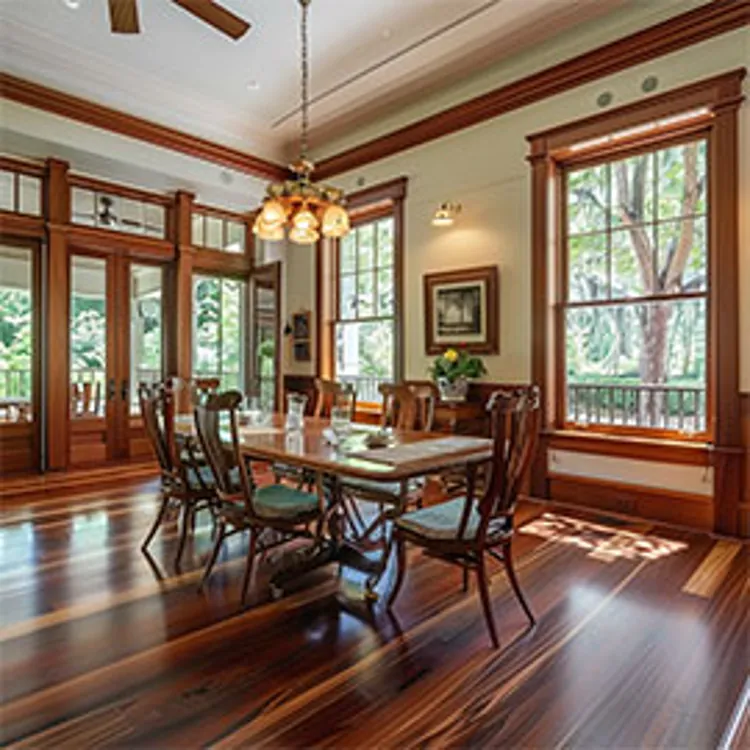
Tiles aren’t terribly common in main living areas or hallways, as homeowners more often choose hardwood or vinyl over tile. If you do want tile, choose porcelain over ceramic in high-traffic areas like living rooms, or opt for popular stone materials.
In less-trafficked bedrooms, many homeowners choose carpet over tile because it’s warmer and more comfortable underfoot. It’s also much more affordable. For a more luxurious feel, choose hardwood over tile.
For spill-prone areas like dining rooms, choose glazed porcelain or ceramic, or dark-colored granite or travertine, instead of light-colored marble.
Outdoor room floors
For outdoor rooms, choose a flooring tile that won’t absorb water and won’t fade or discolor in sunlight. Glazed porcelain is ideal, but consider a dark-colored granite or travertine if you really want to go with natural stone. Just be prepared to reseal regularly.
FAQ
What type of tile is best for flooring?
Porcelain is the most popular type of tile for flooring, but the best material depends on your needs and preferences. Natural stone tiles, especially marble and granite, offer a distinctive look that works well with luxury finishes and traditional decor. Travertine and ceramic tiles provide other attractive options at a range of price points.
If you can’t decide what is right for your home, talk to a flooring installer for help.
What are the 10 most common types of flooring?
The 10 most common types of flooring include vinyl, hardwood, engineered wood, laminate, carpet, porcelain tile, ceramic tile, marble, granite and travertine. Vinyl is the most popular option in modern homes, but hardwood and natural stone remain very common.
How can you tell if a tile is ceramic or porcelain?
It’s difficult to tell ceramic and porcelain tiles apart just by looking at them. The most reliable way to confirm which type is installed in your home is to check the product information from the builder or flooring professional who installed it.
Is tile flooring waterproof?
Most floor tiles, including porcelain, ceramic and natural stone, can absorb water with prolonged exposure. Still, they’re much more water-resistant than almost any other flooring material. Professionals usually pair tile floors with a waterproof underlayment, so your subfloor won't sustain damage, even with constant exposure to water and moisture.
Article sources
ConsumerAffairs writers primarily rely on government data, industry experts and original research from other reputable publications to inform their work. Specific sources for this guide include:
- The Tile Shop, "Porcelain vs Ceramic Tile: Which is Better?" Accessed Oct. 19, 2026.
- International Association of Certified Home Inspectors, "InterNACHI's Standard Estimated Life Expectancy Chart for Homes." Accessed Oct. 19, 2026.
- Spenza Ceramics, "Tiles vs Marble vs Granite: Pros, Cons, and Cost Comparison." Accessed Oct. 19, 2026.
- Stone Forensics, Inc., "Is Direct Sunlight Harmful to Marble?" Accessed Oct. 19, 2026.