

How to choose flooring
There’s no one-size-fits-all type of flooring, but there’s usually one option that will work best for your particular space. Finding that material involves thinking primarily about the room's function. Use the steps below to narrow down your options and find the best fit.
1. Consider the room you’re renovating
You should think about your room’s function, how much comfort you want in the space, how much foot traffic the room will see and how much of a risk there is for water or moisture exposure.
For kitchens and bathrooms, tile and stone are best, although luxury vinyl plank (LVP) is also a viable option.
Hardwood, engineered wood, LVP, laminate and carpet are the most popular options for dry living areas, with carpet being a common choice for bedrooms. LVP and laminate are popular in basements because they can be installed directly over concrete floors and won’t warp with exposure to moisture.
Here’s a quick guide to good flooring materials based on your room:
| Room | Best flooring materials | Avoid |
|---|---|---|
| Basement | LVP or laminate | Carpet, hardwood and engineered wood |
| Bathroom | Tile, stone or LVP | Carpet, hardwood and engineered wood |
| Bedroom | Carpet, hardwood, engineered wood or LVP | None |
| Dining room | Hardwood, engineered wood or LVP | None |
| Kitchen | Tile, stone or LVP | Carpet, hardwood and engineered wood |
| Laundry room | LVP or laminate | Carpet, hardwood and engineered wood |
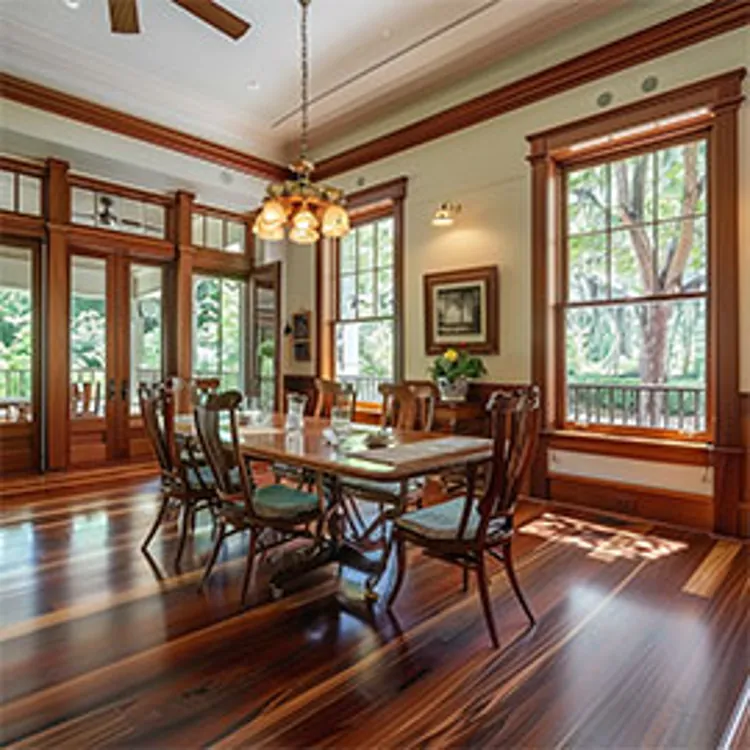
| Living room | Hardwood, engineered wood or LVP | None |
2. Set your budget
Once you’ve limited your flooring options a bit, you can narrow down even further by considering your budget for the materials that work in your room. Flooring installation costs can range from $3 per square foot all the way up to $40 per square foot, so overall pricing can vary widely.
Measure your room to determine its square footage, then multiply that number by the average cost per square foot to estimate your total. This can vary a lot depending on room complexity, your existing floors, the condition of your subfloor, and more, but it gives you a good baseline to help you find a flooring material that suits your budget.
| Type of flooring | Average cost per square foot* |
|---|---|
| Carpet | $3 to $12 |
| Engineered wood | $6 to $15 |
| Hardwood | $8 to $20 |
| Laminate | $3 to $12 |
| Stone | $10 to $40 |
| Tile | $7 to $25 |
| Vinyl (LVP or LVT) | $4 to $14 |
3. Think about your installation options
For most types of flooring, it’s best to leave the work to a professional. So if you want to DIY the work to save on labor costs, your options will be more limited.
Here are a few types of flooring that work well for DIY installation:
- Carpet tiles: Peel-and-stick carpet tiles are the easiest to install. Just take some careful measurements before you get started to make sure the floor is square to the room.
- Laminate: As long as you’re okay with a floating floor, interlocking laminate planks make DIY installation fairly straightforward.
- Vinyl: The same is true with vinyl. Planks are easy to cut with a miter saw and click together for easy installation.
Note that it’s still a good idea to consider having an expert install these flooring options since you’re more likely to get a professional finish.
4. Compare durability and physical wear resistance
Next, consider how much foot traffic your room will see, and match your flooring’s wear resistance to your needs. Kitchens and main living areas need hard-wearing floors because you’ll be using them constantly. Bedrooms and laundry rooms see much less action, so less durable flooring materials are suitable in those rooms.
Here’s a quick comparison of flooring materials based on wear resistance to help you decide:
| Flooring material | Wear resistance |
|---|---|
| Carpet | Low |
| Engineered wood | Moderate |
| Hardwood | Moderate |
| Laminate | Moderate |
| Stone | Very high |
| Tile | Very high |
| Vinyl | High |
5. Think about water resistance
For rooms with a high risk of moisture, leaks and spills, like kitchens, bathrooms and laundry rooms, you should always choose a flooring material with high water resistance. Tile and stone are the most resilient when it comes to water and moisture. That’s because the materials themselves are waterproof and the grout behind and between the tiles will protect your subfloor.
Here are the water-resistance levels of some common home flooring materials:
| Flooring material | Water resistance |
|---|---|
| Carpet | Very low |
| Engineered wood | Low |
| Hardwood | Low |
| Laminate | Moderate |
| Stone | High |
| Tile | High |
| Vinyl | High |
6. Check comfort, noise and warmth
For living areas, especially bedrooms, consider how much comfort and warmth the flooring provides. Carpet offers the most cushioning and feels warm underfoot, while LVP and laminate installed over thick underlayment can also reduce strain on your joints.
You may also want to consider how noisy your flooring options are. Hardwood can creak as it settles, and floating floors can shift underfoot, which could interrupt sleep. Harder materials will also bounce sound, while softer materials, like carpet, will absorb it.
| Flooring material | Comfort | Warmth | Noise reduction |
|---|---|---|---|
| Carpet | High | High | High |
| Engineered wood | Moderate | Moderate | Moderate |
| Hardwood | Low | Moderate | Low |
| Laminate | Moderate | Moderate | Moderate |
| Stone | Very low | Low | Low |
| Tile | Very low | Low | Low |
| Vinyl | Moderate | Moderate | Moderate |
7. Review lifespan and warranties
Next, it’s important to consider how long each flooring material will last, as you’ll need to replace materials with shorter lifespans more frequently. This can disrupt your daily routine more often. It also adds to your long-term flooring costs.
You can base your expectations on the following industry averages, but you should also check the manufacturer warranties for the specific type of flooring you’re considering:
| Flooring material | Average lifespan |
|---|---|
| Carpet | 8 to 10 years |
| Engineered wood | 50 years or more |
| Hardwood | 100 years or more |
| Laminate | 15 to 25 years |
| Stone | 100 years or more |
| Tile | 75 to 100 years |
| Vinyl | 25 years |
8. Finalize purchase and schedule installation
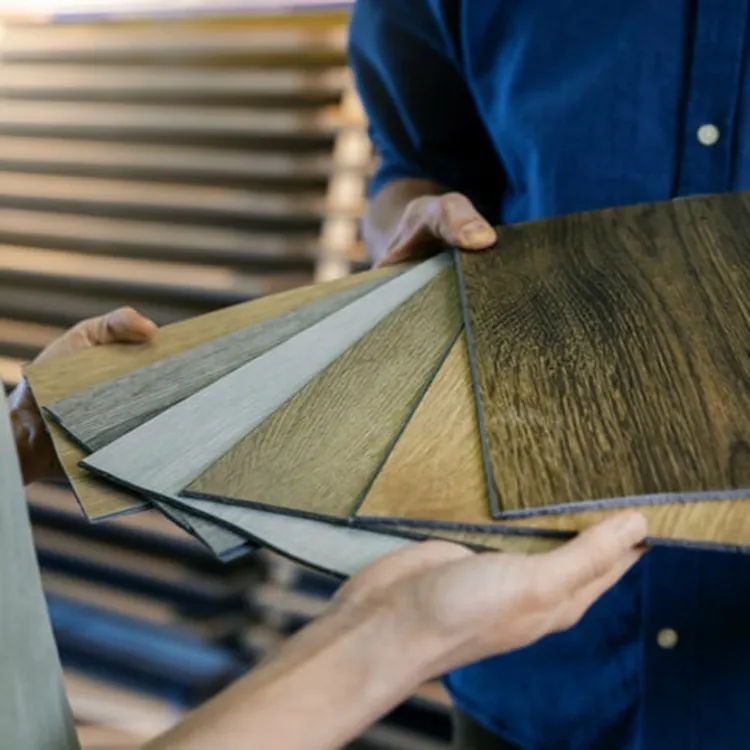
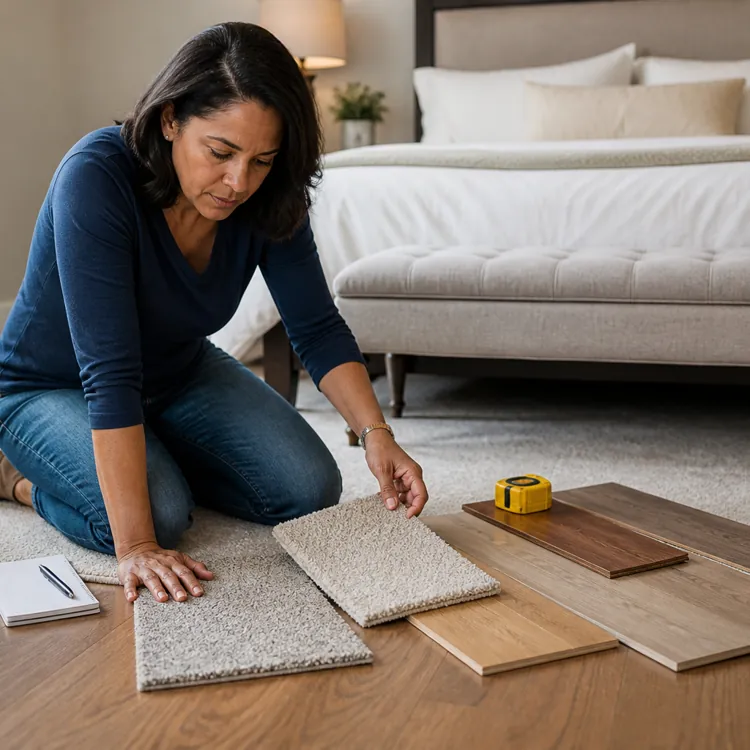
Once you’ve narrowed down your options and chosen the best fit for your space, you can order samples to test color, texture and material quality. Compare samples in your home’s lighting throughout the day to make sure you know exactly how your new flooring will look in your living space.
Finally, you can go ahead and order your flooring and schedule your installation. Make sure you talk to your flooring installer about installation timelines, whether your flooring needs to acclimate to your home's humidity before installation, and what, if anything, you’ll need to do to prepare for the work.
Flooring types compared by performance
The steps above should help you choose flooring if you’re not sure of what materials to install — but if you already have a material in mind, an understanding of how it will perform in your space is also helpful.
Carpet
Carpet has the lowest wear resistance of any flooring material, and it also has the lowest resistance to water and moisture. It can deteriorate quickly under heavy foot traffic, it’s prone to snags from pet nails, it stains more easily than any other material and it’ll readily hold onto moisture, making it the most likely to harbor mold.
Consider this:
Carpet is inexpensive, warm and comfortable, but it wears down the most quickly.
Carpet also traps allergens and can release them into the air, making it the least appealing option for homeowners and family members with allergies or asthma.
Engineered wood
Engineered wood is significantly more durable than carpet, and it will stand up to years of heavy foot traffic. It is prone to scratching, though, so it’s not always ideal for areas that see a lot of activity from kids or pets.
Engineered wood will wear down from foot traffic over time, but you can sand and refinish this material a few times to renew its appearance before you need a full replacement.
The biggest performance concern with engineered wood is how it reacts to moisture. Although it's more stable than solid hardwood due to the plywood base, it will still expand and contract with moisture changes and swell with water exposure. This flooring can buckle and warp, making it a poor option in areas that see water leaks or moisture.
Hardwood
Hardwood has durability similar to engineered wood, but you can sand and refinish it many more times before it needs to be replaced, so it can last more than twice as long overall.
However, hardwood is more reactive to water and moisture, so it can quickly get ruined with exposure to leaks from appliances and sinks, or to heavy moisture, as you’d see in some basements.
On the other hand, it’s a great option for dry living areas. It stands up to foot traffic well and adds natural beauty to your space.
Laminate
Laminate flooring usually has moderate resistance to physical wear, though this depends on the material's quality and the Abrasion Class (AC) rating. AC1 has the lowest resistance to wear, while higher ratings increase durability but also cost.
Laminate itself is waterproof, but water can still leak through the seams between planks. It’s best suited for areas like laundry rooms because of its water resistance. Since many homeowners don’t prefer its appearance, it’s also commonly used in less-visited areas of the home.
Stone and Tile
Stone and tile are very similar in their durability, lifespan and resistance levels. They are the hardest-wearing materials, lasting 100 years or more, and they can withstand constant foot traffic without wear.
Both stone and tile are waterproof, making them perfect for bathrooms and kitchens. However, you’ll need to seal stone flooring every few years to keep the material protected.
Vinyl
Vinyl is one of the most popular flooring materials in homes today because it offers great durability and excellent water resistance. High-quality vinyl flooring is sturdy and scratch-resistant, but choose a thick protective wear layer for added durability, especially in rooms with heavy foot traffic or activity from children and pets.
Vinyl itself is waterproof, and modern LVP flooring creates excellent seals between planks, improving the floor's overall water resistance.
This flooring type’s midrange cost, combined with its durability, makes it a good value.
Flooring style, color and plank size
Regardless of the flooring material you choose to install, there are a few key things to consider that will affect how your flooring makes your room look and feel.
Light vs. dark flooring
Lighter-colored flooring tends to make rooms feel larger and brighter, making them popular in primary living areas. However, they show stains and dirt more readily. Darker floors can create a sense of peace and warmth, but they also show scratches, imperfections and footprints more easily. Midtone floors balance practicality and appearance.
Warm vs. cool undertones
Warm undertones in your floors, like honey and amber, create cozy spaces that feel more inviting and homey. Cool undertones like grays and blues lend a more modern feel to your space. It’s a good idea to consider your wall color and overall style when deciding on what hue you want for your flooring.
Gloss, texture and finish
For wood, engineered wood, laminate and LVP, you’ll have some options for finishes. A matte finish reduces glare and can make a room appear darker. A high-gloss finish reflects more light and is easier to clean, but it also highlights scratches and imperfections. A medium-gloss finish offers a good compromise for most rooms.
For wood and engineered wood, make sure to think about how protective the finish is. Oil-based finishes offer better physical protection, but they can cause yellowing on lighter wood species, take longer to cure and are less eco-friendly. Water-based finishes dry more quickly and produce fewer volatile organic compounds (VOCs), but they’re not as durable.
Texture can affect the look and feel of your room, but it’s especially important in bathrooms and kitchens, where tile and stone are most popular. These materials can become slippery and dangerous when wet, so textured tiles or small tiles with more grout lines can offer better grip for safety.
Plank direction
For hardwood, engineered wood, LVP and laminate floors, you should think carefully about how to arrange the planks.
Installing lengthwise toward the windows helps maximize natural light, since there are fewer seams to interrupt it. However, it’s usually preferable to run the planks lengthwise, lining up with the longest dimension of the room, which can make the space feel bigger.
Plank or tile size
Choosing thinner planks for hardwood, engineered wood, LVP or laminate flooring creates a more modern look, but can make your room feel smaller, while larger planks create a bit more of a rustic appearance and can visually open up your space.
Similarly, smaller tiles can make your room feel a little smaller, but add more grip for safety, while larger tiles open up the area and pose a greater risk of slipping and falling if the floor gets wet.
Flooring installation and maintenance planning
The final things you need to consider when choosing flooring are the installation processes and maintenance requirements. These will help determine the initial and long-term demands of your flooring choice.
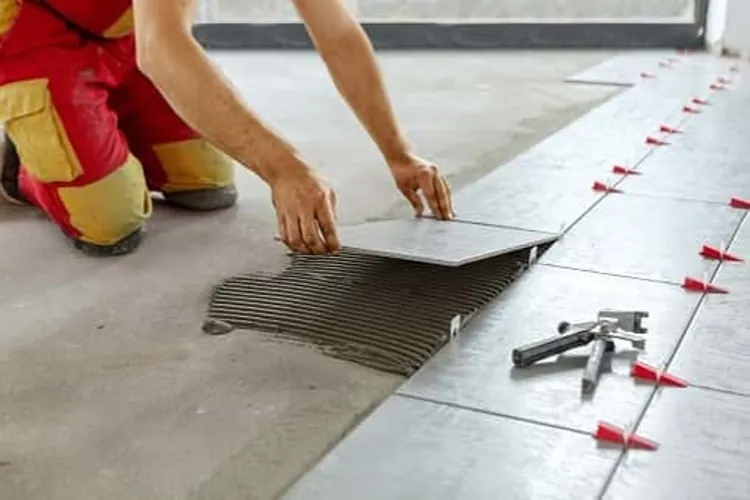
- DIY vs. professional: Some flooring materials, like carpet tiles, laminate and LVP, are DIY-friendly, which can save you thousands on labor costs. Tile, stone, carpet and hardwood generally require professional installation. Engineered wood can be installed yourself, but professional installation is usually preferable.
- Acclimation: Flooring materials that expand and contract with changes in humidity will need to acclimate to the conditions in your home before you can install them safely. Plan to let hardwood and engineered wood sit uninstalled in your living space for up to two weeks, depending on what your installer recommends.
- Room complexity: The layout of your room can affect your installation costs. For example, walls that jut outward, irregular room shapes and other obstructions can complicate installation. Plan on an above-average cost per square foot if you have a complicated layout.
- Hidden costs: Ask your professional about underlayment and transition costs. Prices can vary based on your subfloor, flooring type and personal preference. Be sure you have enough in your budget to cover hidden damage under your old floor in case your installer finds any. This can add an average of between $2 and $10 per square foot to your total. Finally, add 10% to 15% to the materials you think you need to account for waste and future repairs.
Order extra flooring
Buy about 10% more flooring than your room’s square footage to account for cuts, mistakes and future repairs.
- Eco-friendliness and indoor air quality: You may want to consider how eco-friendly each flooring material is if you’re looking to reduce your negative impact on the environment. Hardwood, tile and stone are natural and tend to be the best for eco-friendliness, while human-made materials like LVP and laminate are more taxing on the environment. Consider whether your flooring type gives off VOCs, too. This can affect your indoor air quality.
- Maintenance requirements: Lastly, think about long-term maintenance. LVP and laminate flooring are easy to clean and require virtually no maintenance, making them ideal for active homes. Wood and engineered wood require you to mop up spills quickly, and need refinishing as they wear. Tile and stone both require regular grout cleaning. Stone requires resealing, and carpet demands frequent vacuuming to control allergens.
» MORE: The best flooring companies
FAQ
What is the rule of three in flooring?
The rule of three in flooring is a rule of thumb that suggests that you have no more than three distinct types of flooring in your home in an effort to create cohesion. In many cases, this means something like hardwood or LVP in the main living areas, tile in the kitchen and bathrooms and carpet in the bedrooms.
Should your flooring be lighter or darker than your cabinets?
Flooring and cabinet shades should provide some contrast, but there’s no definitive rule as to which should be darker or lighter.
If you have light cabinets, a darker floor can create some intrigue and prevent the room from feeling monotonous. When in doubt, consult an interior designer or a flooring professional.
What is the best flooring for people with asthma?
The best flooring options for people with asthma include LVP, engineered wood, hardwood, laminate, stone and tile. Unlike carpet, these materials do not readily trap allergens and are relatively easy to clean.
Is luxury vinyl plank better than laminate?
Generally speaking, yes, luxury vinyl plank is a better option than laminate, but it depends on your room, your budget and your personal preference. Most homeowners prefer LVP flooring because it lasts longer, stands up better to physical wear, offers better protection from water and moisture and usually looks better.
Vinyl flooring is more expensive, though, so laminate is a better option in lower-traffic areas and for homeowners on a budget.
» MORE: Vinyl vs. laminate flooring
Article sources
ConsumerAffairs writers primarily rely on government data, industry experts and original research from other reputable publications to inform their work. Specific sources for this article include:
- International Association of Certified Home Inspectors, "InterNACHI's Standard Estimated Life Expectancy Chart for Homes." Accessed July 24, 2026.
- United States Environmental Protection Agency, "Volatile Organic Compounds' Impact on Indoor Air Quality." Accessed July 24, 2026.
- United States Environmental Protection Agency, "Indoor AirPlus and Asthma." Accessed July 24, 2026.