

Key insights
Material and labor costs combined typically range from $3 to $40 per square foot, with carpet and laminate on the lower end.
Jump to insightLabor accounts for 30% to 50% of total project costs, with complexity factors significantly affecting the final bill.
Jump to insightAccurate square footage measurements, local labor rates and material grade are critical for reliable quotes.
Jump to insightFlooring installation costs per square foot
The average cost to install new flooring is $9 per square foot, and most homeowners pay between $3 and $40 per square foot.
While this price can vary quite a bit based on many factors, the type of flooring you choose affects the cost more than anything else. Flooring material accounts for 50% to 70% of your total, according to Steve Silvers, the CEO of Express Flooring, a flooring retailer and installer based in Arizona.
You can use the table below to get an idea of what your flooring will cost on a per-square-foot basis. Prices range within each flooring type based on factors including the quality of the material, the type of flooring the professional needs to remove before installation and the complexity of the room.
| Type of flooring | Average cost per sq. ft. |
|---|---|
| Carpet | $3 to $12 |
| Engineered wood | $6 to $15 |
| Hardwood | $8 to $20 |
| Laminate | $3 to $12 |
| Stone | $10 to $40 |
| Tile | $7 to $25 |
| Vinyl (LVP/LVT) | $4 to $14 |
Carpet installation cost
Carpet installation costs between $3 and $12 per square foot, making it one of the most affordable materials. It’s also one of the least resilient materials, however. It can hold onto dust, pet dander and other allergens, which could potentially be an issue for some homeowners. Carpet is most popular in bedrooms, where it provides warmth and comfort underfoot and doesn’t see as much foot traffic as some other areas in the house.
Carpet lasts for eight to 10 years on average, so while the cost is low, the long-term value is also somewhat lacking.
“Carpet is also often considered a good quality floor for your money,” said Silvers. “But many styles, such as Berbers, can be prone to snags, making it an option you may not want for households with pets.”
Hardwood flooring installation cost
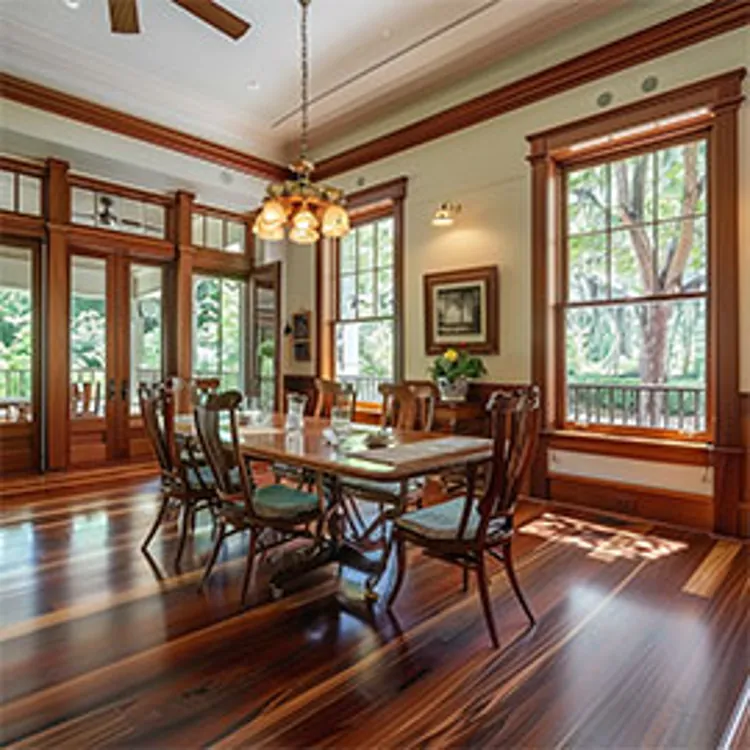
Hardwood flooring installation costs between $8 and $20 per square foot on average, making it one of the more expensive flooring materials.
“Hardwood is a classic choice that adds warmth and long-term value to a home,” said Tim Oswald, owner of Floor Coverings International in Rhode Island. “It's a great fit for living rooms, dining rooms and bedrooms, but I generally steer homeowners toward other options in areas with frequent moisture.”
Hardwood floors can last for 100 years or more, so they provide outstanding value. You can also sand and refinish them many times within that lifespan to maintain a fresh appearance.
Engineered wood flooring installation cost
Installing engineered wood floors costs between $6 and $15 per square foot, on average. These materials are more affordable than hardwood, but they only last for an average of around 50 years, so you don’t get the same value. They’re also susceptible to expansion, water damage and warping, so this flooring type is not ideal in areas where water or moisture could be present.
You can sand and refinish engineered wood floors, but only a few times. They have a top wear layer, and once you sand down to the plywood underneath, you’ll need a full replacement. Still, it may work for some homeowners.
“If you love the look of real wood but want a little more flexibility, engineered hardwood is an excellent option,” Oswald said. “It performs well in many homes and works especially well over concrete.”
Laminate flooring installation cost
Laminate flooring installation costs between $3 and $12 per square foot on average, so it’s one of the most affordable options. Some laminate flooring goes down in sheets and can offer good water resistance, while some goes down in individual tiles, which are easier to install but can present issues with moisture.
Laminate flooring typically lasts for 15 to 25 years, but you may get less time out of it in a high-traffic area. It’s most popular in rooms that don’t see a lot of foot traffic, such as laundry rooms.
Stone flooring installation cost
Stone flooring, which is often granite or marble, costs between $10 and $40 per square foot to install. This flooring type is extremely durable and waterproof, making it a popular alternative to tile for bathrooms and kitchens.
“This is one of the most costly options out there, though, and usually is not the best choice if you’re looking to keep the cost low,” said Silvers.
Maintaining and cleaning stone floors can be a challenge because of the texture and the need for sealing. But stone flooring lasts for 100 years or more, in most cases.
Tile flooring installation cost
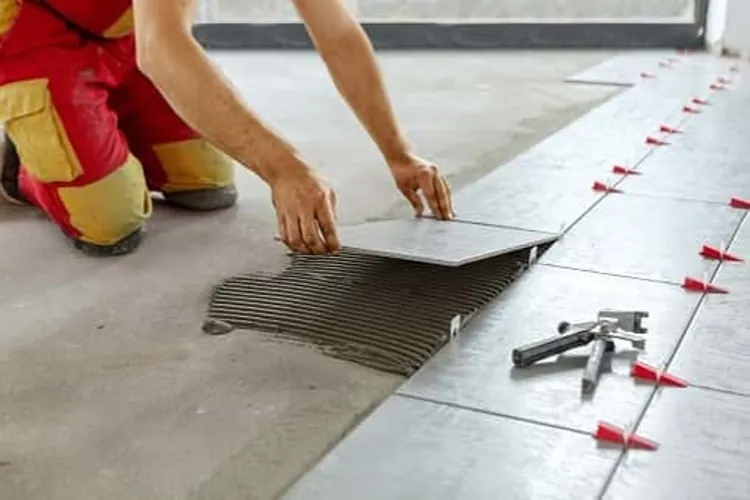
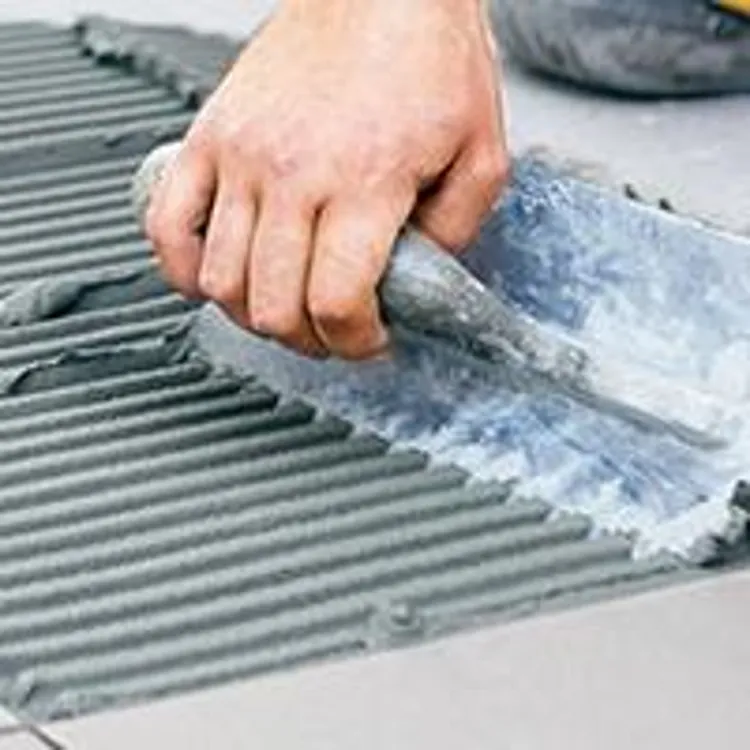
Tile flooring installation costs an average of $7 to $25 per square foot. Tile is expensive to install mostly because of the labor involved, which includes grouting and laying individual tiles with spacers between them for a professional finish.
“Tile is one of the most durable flooring options available and is ideal anywhere you expect water, such as bathrooms, kitchens, laundry rooms and entryways,” said Oswald. It’s waterproof and can stand up extremely well to the wear and tear that these heavily trafficked rooms see. Tile can easily last for up to 100 years before needing replacement.
Choose a textured tile or small tiles for bathroom floors. These provide better grip on wet floors.
Vinyl flooring installation cost
Vinyl flooring installation costs an average of between $4 and $14 per square foot.
“Right now it’s one of the most popular flooring choices because of its water-resistant qualities, low maintenance and the wide array of options for styles,” said Silvers.
Vinyl can be a good option for just about any room in your home. However, most homeowners prefer tile in bathrooms and kitchens, as it’s more resistant to water and moisture, and easier to clean. Vinyl flooring lasts for an average of 25 years.
Flooring installation labor costs breakdown
When you hire a flooring company to install new flooring in your home, between 30% and 50% of your total price tag will go toward labor. The service usually includes the following items, but you should confirm with your flooring professional that they’re included:
- In-person measurements
- Purchasing and delivering materials
- Removing and disposing of the old flooring
- Subfloor preparation, if necessary (may incur additional fees)
- Subfloor repairs (incurs additional fees)
- Flooring installation
- Minor finishing work, such as reinstalling baseboard trim
The following things can drive up labor costs for these line items. You should consider them carefully so you get the most accurate estimate possible.
Room size
It’s typical for flooring contractors to base your estimate primarily on the square feet of flooring you need installed, so larger rooms usually cost more for installation. You can get a rough estimate for your total by measuring the room’s square footage and multiplying by the average cost per square foot for your preferred flooring material.
In many cases, you’ll get a slightly lower per-square-foot cost for flooring installation in large areas because costs such as trip fees and delivery fees are static and get spread across a bigger installation. Each additional square foot will add to your total, though.
Room complexity
The layout of your space is another major consideration. It’s easiest to install flooring in simple, rectangular rooms because they don’t require special cuts or angles. Rooms with bump-outs, closets, rounded walls or otherwise complex layouts can drive labor costs higher, and they can lead to higher material costs due to more cut-offs and wasted material.
Old flooring removal
On average, the labor cost to remove and dispose of your old flooring is between $1 and $4 per square foot, according to our experts.
While it’s possible in some cases to install new flooring over old flooring, it’s best to have your professional remove what’s there before installing the new material. Ripping up carpet and vinyl flooring is quick and easy. On the other hand, removing tile requires much more time and effort to break up the material and remove the hardened grout underneath.
Some pros may upcharge for old flooring removal based on the effort required, and some upcharge for dumping fees for particularly heavy materials, such as stone.
Subfloor prep and repairs
If your flooring professional discovers hidden issues with your subfloor, such as water damage or pest damage, they’ll charge extra for repairs before putting in the new material. Prices can vary widely depending on the extent of the problem, but our experts say you should expect average costs between $2 and $10 per square foot.
You’re more likely to face added fees in bathrooms and kitchens, where leaks are more common.
Stairs
Replacing the flooring on stairs is time-consuming and requires additional finish work, so this task comes with a higher per-square-foot cost.
Location
Where you live can affect labor costs, which usually scale to some extent with the local cost of living. Expect the biggest price difference for labor in major metropolitan areas and in states with an above-average cost of living, such as Hawaii, California or New York. Material costs can also vary, based on local availability and proximity to sources.
Finishes
Many flooring installers include minor finish work, such as reinstalling baseboard trim and installing transitions between rooms. However, some professionals charge separately for these tasks, especially if your home has complex room layouts that make trim installation take longer. Our experts say that you’ll pay an average of $2 to $6 per linear foot if your flooring professional charges separately for this.
Flooring cost estimator and pricing assumptions
You may be able to get a reasonably accurate estimate for your flooring installation costs by following these steps:
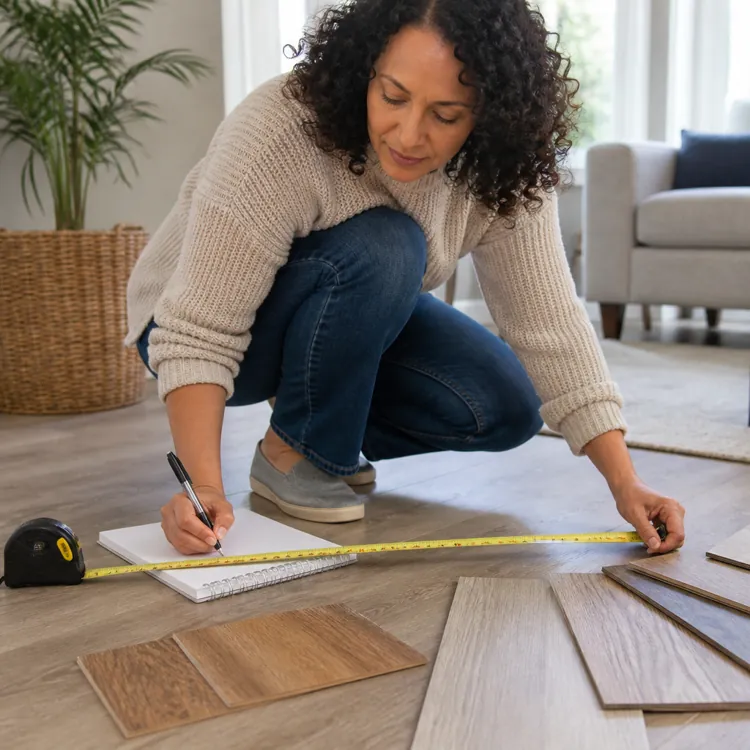
- Measure your space. Start by taking measurements of your room. You can break up the space into different parts to make this step easier; measure the square footage of each part and then add everything together. It can help to sketch your room first to make sure you don’t miss any areas.
- Decide what type of flooring you want. Next, get a price for your preferred flooring type. It’s a good idea to base this on the risk of water or humidity, desired comfort, expected foot traffic and personal taste. Use the low-end estimate for that flooring type if you plan on going with a lower-quality material to save money, and use the high-end estimate if you’re going for maximum quality.
- Determine the total based on square footage. Multiply your total square footage by the estimated cost per square foot for the flooring material you choose. You can also plug these numbers into a flooring calculator.
- Consider job complexity and plan ahead. If you’re basing your per-square-foot costs on materials alone, it’s a good idea to add 5% to 10% to your total to account for cut-offs and waste. Consider adding an additional 10% to 15% to your expected total if you think you may have subfloor damage, if your room has a complex layout or if your existing flooring is tile or stone and may be challenging to remove and dispose of.
While you can get an idea of your total flooring installation costs by following these steps, your best option for an accurate quote is to have flooring pros measure and inspect your space. Get estimates from at least three professionals in your local area so you can compare, determine a fair average and get the most value for your money.
Flooring installation cost-saving tips
Installing new flooring can be expensive, with bigger projects sometimes reaching into the tens of thousands of dollars. There are a few things you can do to help keep your total costs down, though.
- Choose your materials wisely: Consider more affordable material options, while making sure you choose one that will stand up well to the needs of the room. Think about factors such as foot traffic, the risk of leaks and spills, and humidity.
- Go for mid-tier quality: You can save on material costs by avoiding high-end or luxury options for your chosen flooring material. Avoiding the lowest-quality options can help you get better long-term value.
- Shop around: Get estimates from at least three flooring contractors near you to compare and find the best value for your money.
- Aim for the off-season: Flooring professionals are usually busiest in the spring, so opting for installation in the summer, fall or winter can lead to minor savings due to lower demand.
- Consider DIYing what you can: It’s best to have a pro address subfloor repairs and the actual flooring installation. But if you’re comfortable, you can save some money by ripping up and disposing of the old flooring yourself, and reinstalling baseboard trim.
- Think about buying materials separately: Some contractors may upcharge for materials, so consider buying the flooring yourself. Wait for sales or clearance events for the best savings.
- Buy extra flooring: Buying some extra flooring can be a good idea for long-term savings. You can do a partial repair instead of a full replacement if your initial flooring is no longer manufactured when you need the repair.
- Keep things simple: Avoid complex patterns. Opt for standard transitions and trim choices, and go with simple underlayment options to keep costs down.
FAQ
How much does it cost to install 2,000 square feet of hardwood floor?
The average cost to install 2,000 square feet of hardwood floor is between $16,000 and $40,000. Your costs can fall well outside of that range, though, depending on the wood you choose, the type of flooring you need to remove beforehand, the complexity and layout of the area, and the condition of the subfloor. For the most accurate estimate, have a flooring professional come to your home to measure and provide a quote.
How much does Lowe's charge to install flooring per square foot?
Lowe’s charges an average of $2.79 per square foot to install vinyl plank flooring, one of the most common flooring materials. Material and labor prices vary based on existing flooring material, new flooring material, room size and complexity of the installation. You can use the Lowe’s flooring cost calculator to get a more accurate estimate for your project, but having a local professional measure and estimate costs is your best option.
What is the average cost of flooring removal and installation?
The average cost of flooring removal and installation is $11.50 per square foot, or $1,150 for a single 100-square-foot room. However, you could pay anywhere between $4 and $44 per square foot, depending on the old floor you’re removing, the type of new flooring you want, the condition of your subfloor, the complexity of the room layout, the quality of the material you choose and local labor costs.
Is $2 per square foot a fair price for vinyl plank installation?
An estimate of $2 per square foot for vinyl plank installation is unusually low, as vinyl flooring installation costs average between $4 and $14 per square foot. A contractor who quotes that low may be using a low-quality material, may lack the experience to complete a professional installation or may not be including all of the line items you need to consider. Get additional estimates from local contractors to compare, and be wary of those with unusually low estimates.
Article sources
ConsumerAffairs writers primarily rely on government data, industry experts and original research from other reputable publications to inform their work. Specific sources for this article include:
- International Association of Certified Home Inspectors, "InterNACHI's Standard Estimated Life Expectancy Chart for Homes." Accessed July 21, 2026.
- Oklahoma State University Extension, "Basics of Laminated Flooring." Accessed July 21, 2026.