

How tile and vinyl flooring compare
Tile and vinyl are both durable flooring materials that you can technically put in just about any room in your home. They both wear well and have outstanding water resistance, meaning they’re both viable options for bathrooms and kitchens.
Both tile and vinyl come in a range of colors, patterns and finishes, so design won’t necessarily limit your options when choosing flooring for kitchens, bathrooms and primary living areas.
However, tile is one of the least comfortable flooring materials to walk on, so vinyl is generally a better option in living rooms, bedrooms and dining rooms.
Tile is significantly more expensive to install, and it’s tougher to maintain because you have to clean the grout lines between the tiles. Vinyl is more affordable and virtually maintenance-free, but it doesn’t last as long and isn’t nearly as resistant to wear. Tile requires professional flooring installation. Vinyl is DIY-friendly, though professional installation is preferred.
Tile and vinyl at a glance
Here’s a quick look at how tile and vinyl flooring compare based on cost, performance and value:
| Tile | Vinyl | |
|---|---|---|
| Cost | $7 to $25 per sq. ft. | $4 to $14 per sq. ft. |
| Lifespan | 75 to 100 years | 25 years |
| Wear resistance | Very high | High |
| Water resistance | High | High |
| Scratch resistance | Very high | Moderate to high |
| Resale value | High | High |
| Best rooms | Bathrooms and kitchens | All |
| Warmth | Low | Moderate |
| Comfort | Low | Moderate |
Tile vs. vinyl cost and installation
Tile flooring installation costs between $7 and $25 per square foot, making it one of the most expensive flooring materials. The material itself is relatively expensive, but much of the cost comes from installation and labor. Tile installation is time-consuming and labor-intensive, as a professional must lay each tile individually. It requires a high level of expertise to look good.
Vinyl flooring installation costs between $4 and $14 per square foot, making it the more affordable option. Installing it yourself can lower the cost further. Floating vinyl is generally DIY-friendly, while glue-down vinyl is less forgiving and may require professional installation.
Material costs by type
Tile flooring comes in two main varieties: ceramic and porcelain. Ceramic tile is less expensive and usually costs closer to $7 per square foot. Porcelain is harder, more durable and more resistant to cracking but can push costs up toward $25 per square foot. Ceramic tile is more popular for wall tiles and backsplashes, but it can be a good budget-friendly option.
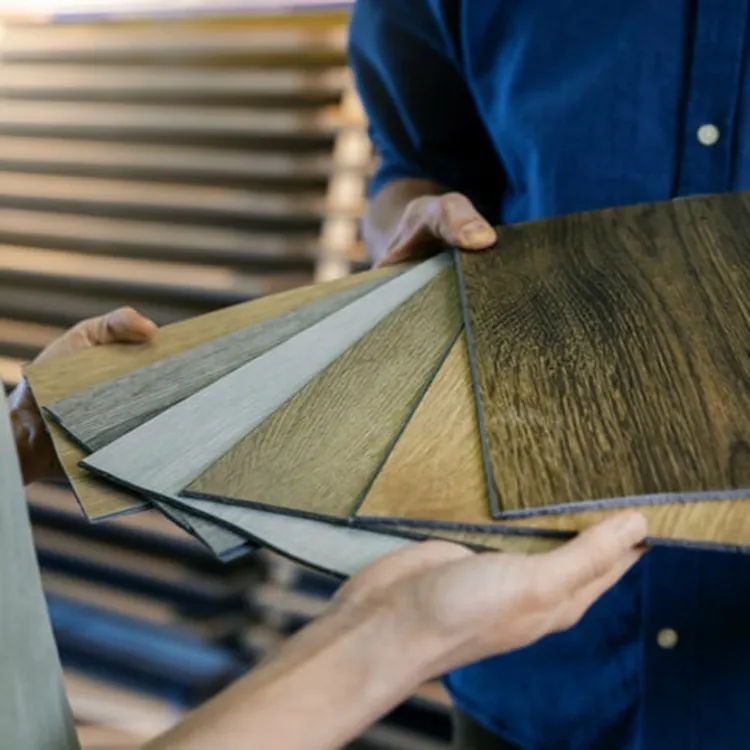
Vinyl flooring comes in three main varieties: luxury vinyl plank (LVP), luxury vinyl tile (LVT) and sheet vinyl.
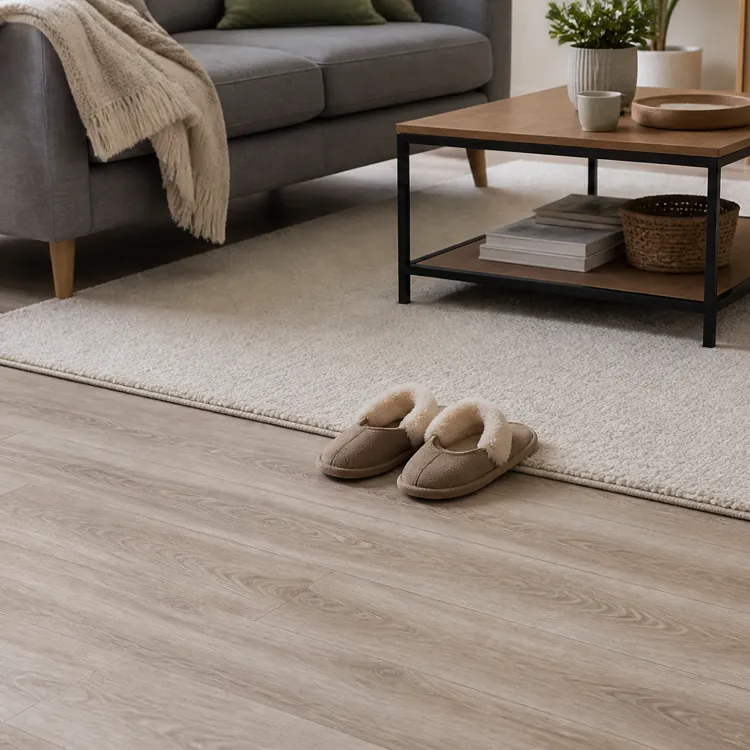
LVP flooring usually resembles wood planks and typically has a wood-plastic composite core, offering more flexibility and comfort underfoot. LVT flooring more often resembles tiles and has a stone-plastic composite core, which is more rigid, making it more durable but less comfortable to walk on.
LVP and LVT flooring are the most popular in homes, while sheet vinyl is a less common but more affordable option. Sheet vinyl comes in a single sheet, which your pro glues down. It’s not as attractive as LVP or LVT, but it can be a good budget option for less trafficked areas, like laundry rooms.
» WHICH IS BEST? Wood, vinyl or laminate?
Labor and prep requirements
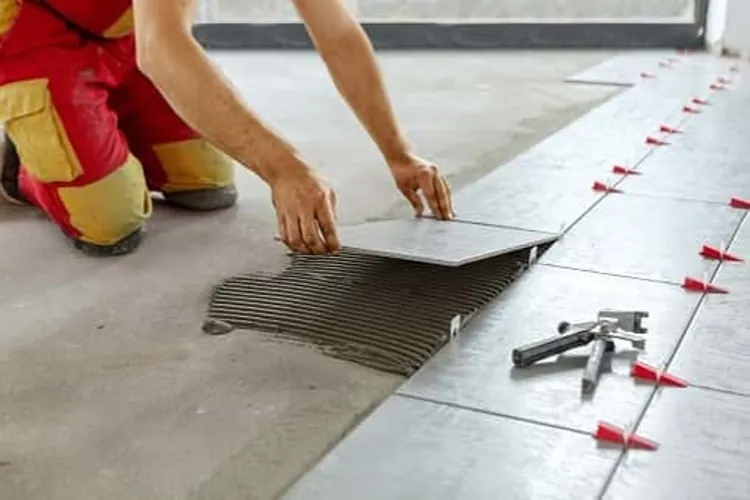
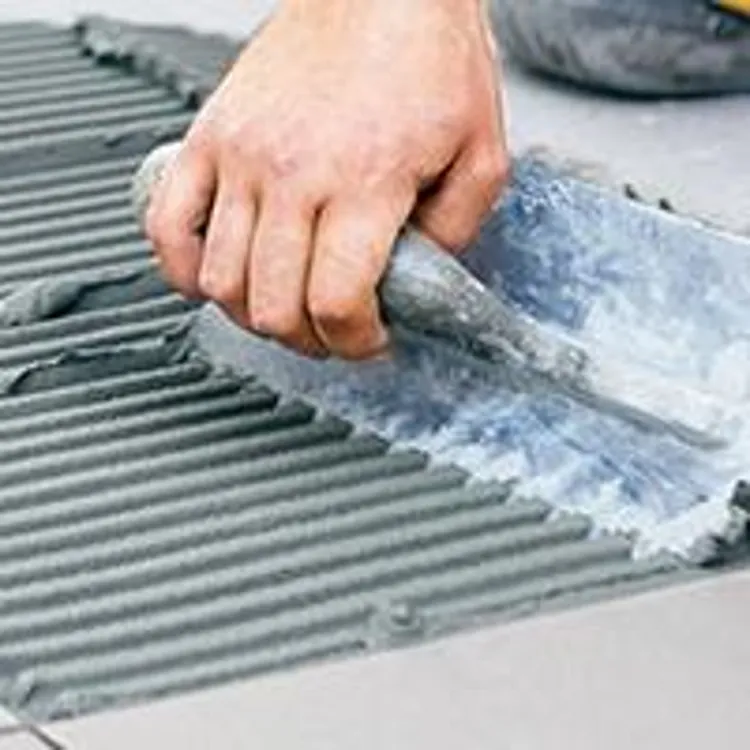
Installing tile is very time-consuming, which contributes to a high overall installation cost. Your pro will need to apply mortar, lay individual tiles and space them properly and then fill the gaps with grout.
Not only is the installation process lengthy, but it also involves a lot of prep work. In most cases, homeowners install tile where there was previously tile, and removing old tile, smoothing out the floor and leveling the subfloor can add to the process.
Installing vinyl is much simpler, as your pro can lay it down over a slightly uneven subfloor, and the underlayment just rolls out.
Labor and prep costs to consider
Here are some floor prep costs you should consider as you decide between tile and vinyl flooring.
| Service | Typical cost | Cost comparison |
|---|---|---|
| Old flooring removal and disposal | $1 to $4 per sq. ft. | Often higher for tile |
| Subfloor repairs | $2 to $10 per sq. ft. | Often higher for tile |
| Floor leveling | $2 to $8 per sq. ft. | More common for tile |
| Baseboard removal and reinstallation | $2 to $6 per linear foot | Similar for both |
Tile generally requires more preparation because it needs a strong, level subfloor to prevent cracking. Vinyl can accommodate minor unevenness, so preparation costs are often lower.
DIY vs. professional installation
Vinyl flooring usually comes in click-lock planks, making DIY installation more straightforward, provided you want a floating floor. Glue-down installations are more challenging and less forgiving, so hiring a pro is best if that’s the direction you want to go.
Tile always demands help from a professional, in part because the material is hard to cut and requires specialty tools. Laying down the mortar for good adhesion and waterproofing is also challenging, and getting grout lines to look clean can also be difficult.
Tile vs. vinyl durability and lifespan
The flooring in your home can and will see foot traffic, impact from drops, spills, leaks, humidity fluctuations and more, so it’s always important to choose a durable material that will stand up to your lifestyle.
Lifespan and long-term value
Tile floors can easily last for 75 to 100 years. The material stands up extremely well to physical damage and wear. Vinyl flooring lasts for an average of 25 years, so you’ll get much less life out of it.
Since tile is roughly twice as expensive as vinyl but lasts three to four times as long, you’ll typically get more value out of tile over time.
Wear resistance
Tile is the most resistant flooring when it comes to physical wear. It can stand up to constant foot traffic and won’t usually scratch, even with exposure to pet nails, sand and furniture. Vinyl has good wear resistance, especially if you choose a product with a thick wear layer, but it’s not nearly as durable as tile.
Flooring experts measure vinyl wear-layer thickness in mils, with 1 mil equaling one-thousandth of an inch. “Anywhere from an 8-to-12-mils (wear layer is) good for low-traffic areas like bedrooms,” said Bruce Odette, president of Carpet Exchange and vice chair of the World Floor Covering Association. “(A) 12-to-20-mils (wear layer) is good for everywhere in the home, and for really busy homes with pets, there (are) 20-plus-mils wear layers.”
Moisture and water resistance
Tile is one of the only truly waterproof options, so it’s the best flooring material for kitchens, bathrooms and basements, where humidity fluctuations, leaks and spills are constant threats. Tile itself is waterproof, but the underlayment can also help protect your subfloor from water, making it the best option for protection from water damage.
Vinyl is also waterproof, but only as a material and not as a complete floor. The planks or tiles have seams that can eventually allow water to pass down to the subfloor. Standing water and ongoing leaks can lead to mold growth, subfloor rotting and other water damage under a vinyl floor. Still, many experts recommend vinyl in areas that will see moisture and water.
“(Vinyl) won’t warp or swell when it comes in contact with water, so that makes it a great choice for every room in your home including kitchens, bathrooms, laundry rooms, living areas, bedrooms and basements,” Odette told us.
Heat and UV resistance
Both tile and vinyl are heat resistant, so they’re suitable options for rooms with radiant heating. Both resist discoloration from UV rays, but tile is a better option in sun-filled rooms because it’s more resilient and holds its color longer.
Stain resistance
Tile and vinyl are both stain-resistant flooring materials, but vinyl is usually the better option in areas where spills are a concern. Ceramic and porcelain tile are nearly impervious and usually won’t stain, but grout lines can easily soak up spills. Vinyl flooring has no grout lines and won’t stain either as long as you’re quick with the cleanup.
Repairs and replacement
Damaged tile and vinyl generally require replacement rather than repair. Tile resists scratches and everyday wear, but it can crack if the subfloor shifts. Vinyl won’t crack in the same way, but its softer surface is more susceptible to scratches, dents and gouges. Replacing a tile is usually labor-intensive, while the difficulty of replacing vinyl depends on the installation method.
Save material for future repairs
Order a few extra tiles or vinyl planks with your original flooring. Matching the color and pattern may be difficult if the product changes or is discontinued.
Tile vs. vinyl maintenance
Tile and vinyl are both hard flooring materials that are easy to vacuum and sweep, and because they can handle water and moisture, you can wet-mop them without worrying about damage.
Vinyl is the better option for ease of maintenance since you don’t have to worry about grout lines. For tile, you’ll have to scrub the grout lines with a grout cleaner as you carry out your normal cleaning routine, and you should seal the grout every few years to prevent staining.
Tile vs. vinyl flooring comfort
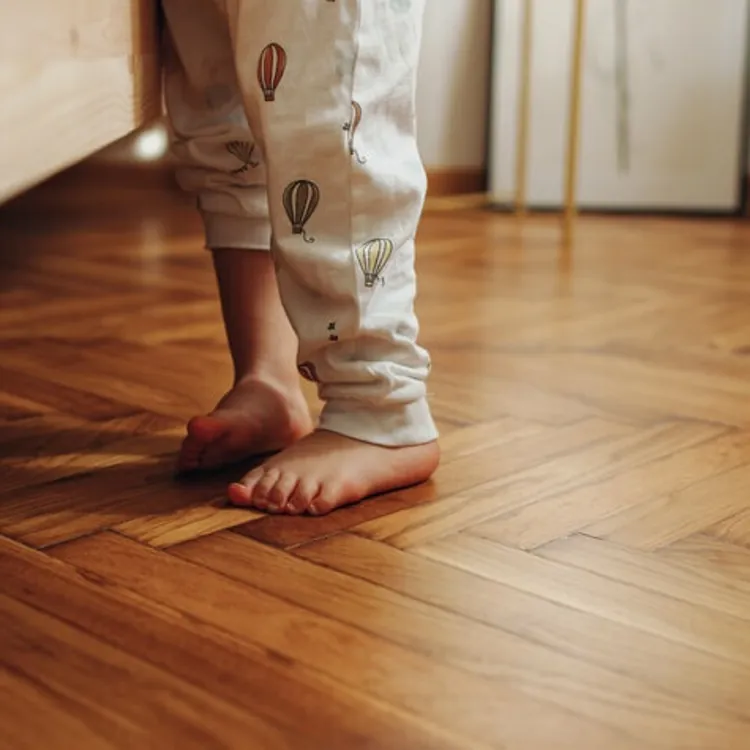
How warm a floor feels can affect comfort in bedrooms and other areas where people often walk barefoot. Tile tends to feel cold and hard underfoot, while vinyl generally feels warmer and softer, though not as warm as carpet.
Noise
Tile adheres directly to your subfloor, so there’s no noise as you walk on it. If you go with a floating vinyl floor, you’ll hear some noise as the planks shift. Both materials can bounce sound around the room, so spaces can feel and sound emptier than they would with carpet unless you treat the floor with area rugs or bath mats.
“You’ll want to use a moisture vapor barrier [between] bare concrete floors [and vinyl flooring] for moisture protection before installing laminate or luxury vinyl flooring,” says Odette. That layer can help dampen sound and also provide a bit more cushioning underfoot.
Underfoot feel
Tile is the least comfortable floor to walk on since it’s so hard and unforgiving. It can be hard on joints, so you may prefer a different material in rooms that you spend a lot of time in, like kitchens and living rooms. Vinyl isn’t the most pleasant material to walk on, but it has more give than tile and can sit over a cushioned underlayment for improved comfort.
FAQ
What is the disadvantage of vinyl flooring?
The primary downside to vinyl flooring is that it’s not the most eco-friendly material. It’s a synthetic flooring material made from polyvinyl chloride (PVC), which is technically recyclable but often isn’t because the process is so challenging. Some homeowners also worry about plastics in the home and prefer a more natural material, like tile or hardwood.
Can you install vinyl flooring over tile?
Yes, you can often install floating vinyl over tile if the existing floor is flat, clean, secure and in good condition. Don’t cover tile that is loose, cracked, uneven or showing signs of moisture problems since issues could damage the new floor or conceal needed repairs. Follow the vinyl manufacturer’s instructions for preparing grout lines and using underlayment.
Does tile flooring increase home value more than vinyl?
Both tile and vinyl flooring offer good resale value, but you’ll usually see more value from tile in bathrooms and kitchens and more value from vinyl in living areas and bedrooms. The actual return on investment depends on the quality of the material, how professional the installation is and the color and design of the flooring.
Which is better, tile or vinyl flooring?
Neither tile nor vinyl is exclusively better than the other, so consider the room you’re installing new flooring in and your lifestyle to find the best fit.
Tile is one of the most durable flooring materials and is entirely waterproof, making it ideal for kitchens and bathrooms. Vinyl itself is waterproof, but water can seep through the seams. It’s more affordable, warmer and more comfortable while still offering good wear resistance, making it a better option for living areas, bedrooms and tight budgets. However, vinyl doesn’t last nearly as long as tile.
Article sources
ConsumerAffairs writers primarily rely on government data, industry experts and original research from other reputable publications to inform their work. Specific sources for this article include:
- International Association of Certified Home Inspectors, "InterNACHI's Standard Estimated Life Expectancy Chart for Homes." Accessed Aug. 20, 2026.
- Yale Environment 360, "Plastics Reckoning: PVC Is Ubiquitous, But Maybe Not for Long." Accessed Aug. 20, 2026.
- Pacific Northwest National Laboratory, "Water-Resistant Flooring." Accessed Aug. 20, 2026.
- Tile Council of North America, "Cracked Tile." Accessed Aug. 27, 2026.