

Key insights
Carpet is the cheapest flooring option at $3 to $12 per square foot, while stone can cost up to $40 per square foot.
Jump to insightSolid hardwood costs $8 to $20 per square foot and can offer long-term value.
Jump to insightTile and stone are pricey to install, but they’re also some of the most durable flooring options.
Jump to insightFlooring price comparison
“As a rule of thumb, most of the cost of your flooring will go towards the material, with roughly 50% to 70% of the price for the material and 30% to 50% of the price for labor,” said Steve Silvers, CEO of Express Flooring, a flooring company in Arizona.
With materials accounting for most of your flooring installation costs, it’s a good idea to begin your estimation process by choosing the type of flooring you want. Then use the average material and labor costs below, along with your room size, to estimate your total cost.
Flooring material and labor costs
The table below includes average pricing for different flooring materials to help you choose the option that suits your space and your budget.
| Flooring material | Material cost (per sq. ft.) | Labor cost (per sq. ft.) | Total cost (per sq. ft.)* | Best rooms |
|---|---|---|---|---|
| Carpet | $1.50 to $8.50 | $1.50 to $3.50 | $3 to $12 | Bedrooms |
| Engineered wood | $3 to $10.50 | $3 to $4.50 | $6 to $15 | Bedrooms and dry living areas |
| Hardwood | $4 to $14 | $4 to $6 | $8 to $20 | Bedrooms and dry living areas |
| Laminate | $1.50 to $8.50 | $1.50 to $3.50 | $3 to $12 | Bedrooms, dry living areas and laundry rooms |
| Stone | $5 to $28 | $5 to $12 | $10 to $40 | Kitchens and bathrooms |
| Tile | $3.50 to $17.50 | $3.50 to $7.50 | $7 to $25 | Kitchens and bathrooms |
| Vinyl (LVP/LVT) | $2 to $10 | $2 to $4 | $4 to $14 | All |
Cost and value factors to consider
It’s important to note that the price ranges listed above are just averages. Your per-square-foot costs and your all-in costs for flooring replacement can vary based on the following factors, as can the long-term value you see from your floor.
Flooring materials
The flooring materials you choose can affect your pricing even beyond the typical material and labor calculation. Materials like stone and tile, for example, require a perfectly level subfloor to avoid cracking, so labor costs can increase if you need subfloor prep and leveling before installation. Hardwood and engineered wood benefit greatly from a vapor barrier, which can add to material costs.
Room size
Your total will increase the bigger your room is, but your cost per square foot can also vary with room size. The best flooring installers will usually offer a small discount per square foot for bigger jobs, which means your total will be higher for larger areas, but your cost per square foot could be lower.
Material quality
Each flooring material comes in many options, with quality ranging widely even within a given category. Higher-quality materials will almost always cost more, but they can also last longer and withstand more abuse, potentially providing more value and saving you money over time.
Labor quality
Similarly, a contractor with an unusually low cost of labor might save you money upfront, but you’re more likely to have to pay more down the road for repairs and even early replacement if poor installation leads to flooring or subfloor damage.
Installation complexity
The layout and complexity of your room always matter, but they can drive prices disproportionately higher for materials that are already challenging to work with. Tile and stone are prime examples, where you’ll see a much higher increase in labor fees for complex room layouts than you would with carpeting, which is easy to cut and work with. “The more complex the job, the higher the price will be for the installation part of the equation, and the greater the share the labor cost will have in the overall flooring cost,” said Silvers.
Wood flooring costs by type
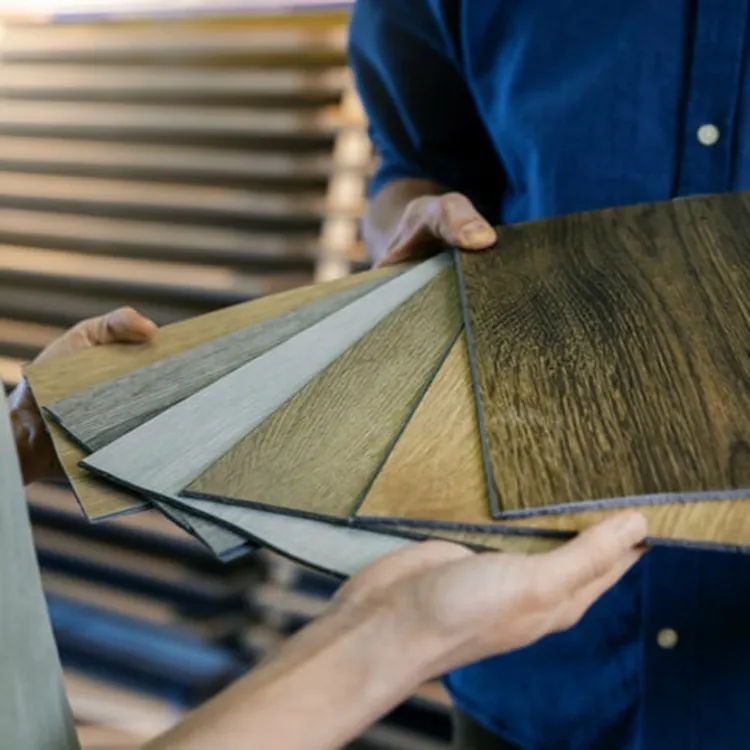
Solid and hardwood are the two main types of wood flooring available. Installing solid hardwood flooring costs more, averaging between $8 and $20 per square foot. Installing engineered wood flooring costs between $6 and $15 per square foot. The difference comes down mostly to materials, as installation is similar.
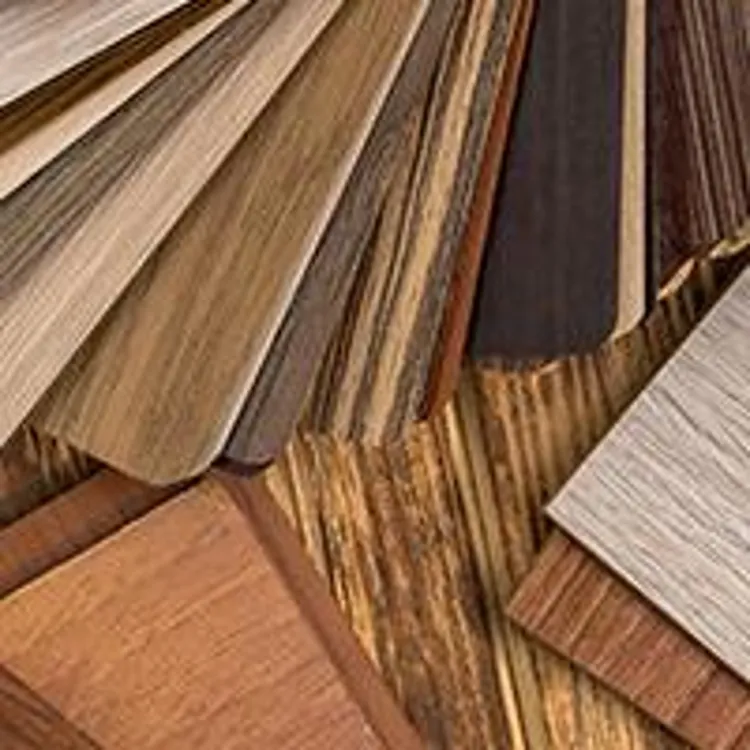
Your costs in both cases depend on the wood species, with common options like pine, oak and maple typically falling within these ranges. Exotic species, like teak, mahogany and acacia, can drive material costs much higher and push the total cost well above the top end of those ranges. Solid hardwood flooring costs inflate much more quickly with exotic species.
Pricing also depends on flooring grade. For standard species, select is the highest quality with the fewest imperfections, so it costs the most, followed by two common grades that have more imperfections but cost less. For exotic species, there’s clear-grade flooring, which has no imperfections, few color variations and is the most costly.
Wood floor installation methods and pricing
A flooring professional can either nail down wood flooring materials or glue them down. Glue-down wood and engineered wood floors take longer to install and will drive labor costs higher, but you get less floor movement and less noise coming from the planks. Nail-down installation is faster and more affordable, but you’ll get more shifting and creaking underfoot.
Refinishing and repair costs
Refinishing wood floors costs an average of $2 to $7 per square foot whether you’re sanding and refinishing solid hardwood or engineered wood floors.
While the cost per instance is about the same, you can refinish solid hardwood many more times than engineered wood. Overall, solid hardwood offers longer life and more value, despite the higher upfront cost. On average, hardwood floors can last for 100 or more years, while engineered wood lasts for 50 or more years.
Tile and stone flooring costs
You can choose from either ceramic or porcelain tile, and for stone, there are countless materials, but granite, marble and travertine are among the most common.
Ceramic and porcelain tile costs
Tile floors come in two varieties: ceramic and porcelain. Porcelain tile is harder and more water-resistant because it’s fired at much higher temperatures. It stands up better to constant foot traffic, but both materials can last 75 to 100 years.
Tile flooring installation costs average between $3.50 and $17.50 per square foot for materials alone. Porcelain is likely to push material costs closer to the higher end of that range, while ceramic is more likely to sit at the lower end.
Natural stone flooring costs
Natural stone flooring comes in many varieties, but travertine and granite are the most common, with marble being more common in higher-end homes. Stone flooring averages between $5 and $28 per square foot for materials alone. Travertine is more likely to sit at the lower end of that range, and granite and marble will push toward the higher end.
With granite and marble in particular, material costs can vary widely based on stone quality. Rare grain patterns and colors can drive costs well above that $28 per square foot mark.
While natural stone flooring can be expensive, it can easily last 100 or more years and is one of the hardest-wearing materials. You will need to consider resealing every few years, though, which can add to maintenance costs.
Other cost considerations
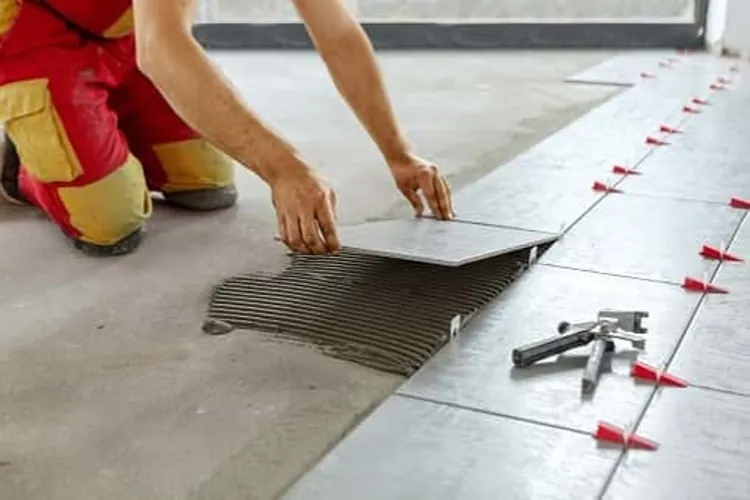
Tile and stone are both labor-intensive flooring materials to install, so consider a few key factors when estimating your costs:
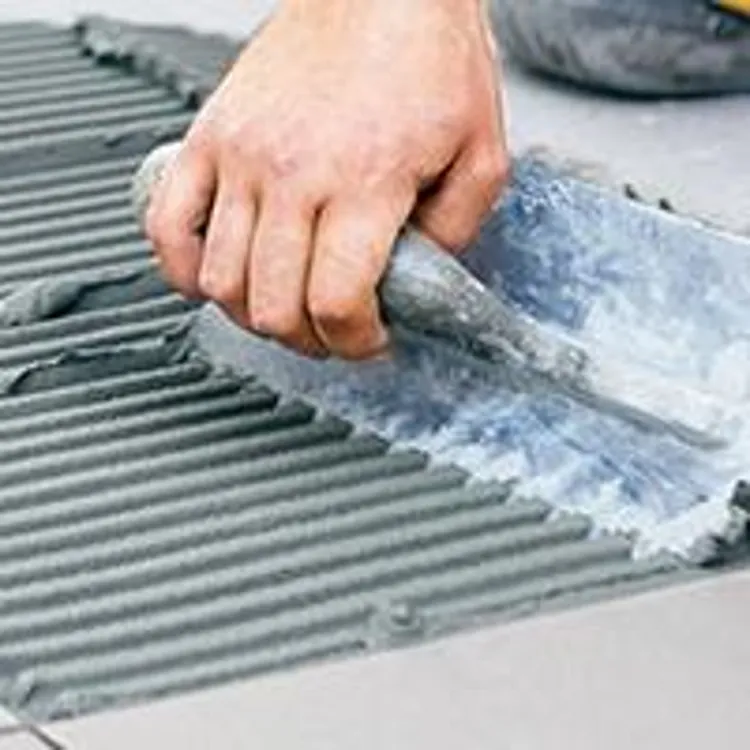
- Subfloor repairs and leveling: Tile and stone are rigid and can crack if the subfloor isn’t perfectly flat. You may need to pay more for subfloor repairs and leveling, which can add $2 to $10 per square foot to your total.
- Removing old tile: Removing and disposing of your existing flooring can add between $1 and $4 per square foot to your total. In many cases, homeowners install tile and stone floors where those materials already existed. These floors are time-consuming and labor-intensive to remove, so expect higher per-square-foot removal costs.
- Maintenance and grout cleaning: Consider the cost of resealing stone floors every few years, and with both stone and tile floors, you’ll also need to keep up with grout cleaning, which can add to your long-term costs.
- Tile size and pattern: Smaller tiles/stones and more complex floor designs take longer to set, so labor costs can increase disproportionately for floors that use small tiles or call for ornate patterns.
Vinyl, laminate and carpet costs
Vinyl, laminate and carpet tend to be the most affordable flooring materials to install, with carpeting and laminate being the most affordable and vinyl sitting slightly higher but offering the best value potential of the three.
Vinyl flooring costs
Vinyl flooring installation costs between $4 and $14 per square foot on average. Vinyl is increasingly popular in modern homes because it balances upfront cost, wear resistance, water resistance and appearance very well. It can last for 25 years, stands up well to foot traffic and offers outstanding protection for your subfloor from water and moisture.
The biggest factor affecting your vinyl flooring costs is the type you choose. Sheet vinyl is easy to work with and affordable. While it doesn’t have the best appearance, it tends to sit closer to the $4 end of the price range. Luxury vinyl plank (LVP) flooring is more durable and looks better, but it tends to sit toward the higher end of the price range.
Vinyl is relatively easy to install, even for DIYers, so you usually don’t have material-specific cost concerns to worry about.
Laminate flooring costs
Laminate flooring installation costs between $3 and $12 per square foot on average, making it one of the most affordable options. However, it typically lasts 15 to 25 years, and many homeowners take issue with its appearance, especially with lower-quality materials.
“Laminate gets you the wood or stone look for less money and goes in fast, but it's a pain to repair once it's damaged and it doesn't do well in anything humid,” said Mike Solomich, a design consultant with Quality Hardwoods of Michigan. “(It’s) fine for bedrooms and hallways, (but it’s) not something I'd put in a bathroom or laundry room.”
High-quality laminate flooring with a greater thickness for durability and a higher AC rating for physical wear resistance is more likely to push toward the $12-per-square-foot mark.
Like vinyl, laminate flooring is simple and easy to install, so few things can complicate the process and drive costs higher. Just note that its value for the money is limited because of its lifespan and return on investment (ROI).
Carpet and padding costs
Carpet installation costs between $3 and $12 per square foot, including the padding, making it one of the most affordable materials available.
Prices depend on material quality and the specific fiber. Polyester and nylon will usually fall closer to the lower end of the price range, while wool and acrylic will sit near the high end. Prices can also increase per square foot if you want an extra-thick padding for added comfort and reduced noise underfoot.
While carpeting isn’t usually DIY-friendly, it is easy for professionals to install, so fewer complications can drive up labor costs. Material prices can range, though, based on the specific fiber, pile type and overall design and quality.
Carpet is the least durable flooring material, and it’s the most prone to damage from moisture. Long-term costs can sit quite high if you need replacements after leaks or mold growth, and maintenance can be expensive if you run into staining or need deep cleaning because of pets.
FAQ
What is the most cost-effective type of flooring?
The most cost-effective type of flooring is tile or hardwood, depending on the location in your home. These are among the most expensive flooring materials, but you can get 100 years or more out of them, so they provide the best long-term value. Vinyl is the most cost-effective option for homeowners on a budget, as it can cost half as much as tile and hardwood upfront.
What type of flooring is most expensive?
Stone flooring is the most expensive flooring type. Marble and granite, specifically, can cost up to $40 per square foot to install, with prices climbing even higher for high-quality stone with attractive grain patterns and colors.
What is the best flooring for asthma sufferers?
The best flooring for asthma sufferers includes hard materials like hardwood, engineered wood, vinyl planks, laminate, tile and stone. These materials won’t hold onto pollen, pet dander, dust or other allergens, which can make asthma symptoms worse, and they’re easy to clean and sanitize. Carpet is really the only floor to stay away from if you’re looking to minimize asthma symptoms.
How much does it cost to install 1,000 square feet of flooring?
The average cost to install 1,000 square feet of flooring is $9,000, but prices can easily range from $3,000 up to $40,000. Your total will fluctuate mostly based on the material you choose. However, room complexity, how easy it is to remove your existing floor, the condition of your subfloor and many other factors can all affect your final price.
Bottom line
Flooring costs range from $3 to $40 per square foot, depending on the material. Base your decision on cost, appearance, durability and water resistance, as these factors affect the value you get from your floor. Get a formal installation quote from a flooring pro for a more accurate estimate, including add-ons like old flooring removal and trim replacement.
Article sources
ConsumerAffairs writers primarily rely on government data, industry experts and original research from other reputable publications to inform their work. Specific sources for this article include:
- Realtor.com, "How Much Does It Cost To Refinish Hardwood Floors? What To Know About Refinishing Hardwood Floors." Accessed Aug. 14, 2026.
- International Association of Certified Home Inspectors, "InterNACHI's Standard Estimated Life Expectancy Chart for Homes." Accessed Aug. 14, 2026.
- Carpet Exchange, "Carpet Installation Cost in 2026: Full Breakdown." Accessed Aug. 14, 2026.