

Best flooring for kitchens considerations
You can choose flooring materials based on aesthetic and comfort preferences in most of your home’s common areas, but kitchens present some unique challenges that make certain options unsuitable. There are a few things unique to kitchens that you should think about when deciding on a flooring option, as well as some general considerations.
- Plumbing leaks: Kitchens are home to sinks, water dispensers and appliances that can lead to plumbing leaks. Because of this, kitchen flooring should have excellent water resistance; otherwise, a single leak could mean a full flooring replacement.
- Spills and stains: Kitchens are also the most likely place for spills in the home, so you want a flooring material that makes quick cleanups easy. Certain spilled items, such as coffee, red wine and pasta sauce, can stain. Kitchen flooring should be stain-proof and make cleanups simple.
- Heavy foot traffic: Your kitchen is likely one of the most-trafficked rooms in your home, so it needs a flooring material that can stand up to heavy use. This will help maximize its lifespan and overall value, as well as help keep your kitchen looking good for years to come.
- Comfort: As one of the busiest rooms in the home, it’s also a good idea to consider how comfortable the kitchen floor is underfoot. Softer materials tend to be more absorbent, so you may need to compromise on either comfort or water resistance.
- Ease of maintenance: Heavy foot traffic and spills mean you’ll likely need to clean your kitchen floors more often than the floors in some other rooms. To make your life easier, choose a flooring material that’s easy to clean and maintain.
- Style: The kitchen is a great place to showcase your personal style, so make sure you choose a flooring material that lets you express yourself while tying together the rest of the room. Consider how the floor will look with your cabinets, countertops and backsplashes.
- Budget: Flooring installation costs vary widely by material, so choose an option that will meet your needs and match your style without pushing you over budget.
- Value and longevity: Kitchens play a major role in home appeal, so think about material durability and long-term value when deciding on a floor. Kitchens are also one of the hardest rooms to live without, and a material with a long lifespan can prevent you from having to replace your floor again in the near future.
With these factors in mind, some of the most popular types of flooring for kitchens in 2026 include vinyl, tile and stone.
» RELATED: Best flooring companies
Best kitchen flooring by key factors
There’s no one-size-fits-all kitchen floor that will suit all homeowners equally, and every option comes with its own pros and cons. Consider the factors that are important to you, then choose a material that optimizes for those. Here are some of the most crucial points to consider, along with the best flooring options for each factor.
Waterproof capabilities
Above all else, you should prioritize your kitchen floor’s waterproof quality. Leaks from plumbing pipes, dishwashers, ice makers and water dispensers can quickly damage a floor that doesn’t have high water resistance. Additionally, kitchen floors are prone to food and beverage spills, splatters and splashes that can damage certain materials.
“Tile is a superior option for areas with lots of water and (moisture),” said Steve Silvers, CEO of Express Flooring in Arizona.
The best kitchen floors for water resistance include:
- Ceramic and porcelain tile
- Luxury vinyl plank/tile (LVP and LVT)
- Natural stone (requires sealing to avoid staining)
Physical damage resistance
Kitchens are among the most heavily trafficked rooms in the home, so you should also consider physical durability. Kitchen floors need to stand up to constant foot traffic and impacts from dropped pots, pans, dishes or utensils — and they should resist scratching, especially if you have pets.
The best kitchen floors for physical durability include:
- Natural stone
- Ceramic and porcelain tile
- LVP and LVT
Ease of cleaning
Kitchen floors see a ton of activity, and cleaning is crucial for avoiding pests that are drawn to spills and crumbs. Ease of cleaning and maintenance is important for all homeowners, but you may want to put it at the top of your list if you have kids or pets, or if you host frequently.
The best kitchen floors for ease of cleaning include:
- Ceramic and porcelain tile
- LVP and LVT
- Natural stone
- Laminate
Comfort and safety
For elderly homeowners and those who do a lot of cooking, comfort might be one of the more important factors. Materials such as ceramic tile and natural stone are great for water resistance, but they’re extremely hard and rigid, so they can be uncomfortable to walk and stand on for extended periods.
“(Tile) floors can feel cool underfoot and aren’t ideal if you are looking for something soft (and comfortable),” said Silvers.
For homeowners aging in place and those with young children, safety is another important thing to consider. Tile and stone are slick and can be very slippery if they get wet.
Vinyl flooring and engineered hardwood are more comfortable, especially because you can choose a softer underlayment that absorbs some of the impact. They’re also less slippery than other harder materials and can improve safety in the kitchen.
The best kitchen floors for comfort and safety include:
- LVP and LVT
- Engineered hardwood
- Laminate
Kitchen flooring options compared
While water resistance, durability, ease of cleaning and comfort are some of the most important factors to consider when choosing a kitchen floor, it’s best to compare your options based on other factors, too.
| Vinyl (LVP/LVT) | Tile | Natural stone | Engineered wood | Laminate | |
|---|---|---|---|---|---|
| Water resistance | High | Very high | High | Low | Moderate |
| Physical durability | High | Very high | Very high | Moderate | Moderate |
| Comfort | Moderate | Low | Low | Moderate | Moderate |
| Ease of maintenance | High | High | Moderate | Moderate | High |
| Ease of cleaning | High | High | High | Moderate | High |
| Visual appeal | High | High | High | High | Moderate |
| Average cost (per sq. ft.)* | $4 to $14 | $7 to $25 | $10 to $40 | $6 to $15 | $3 to $12 |
Luxury vinyl plank
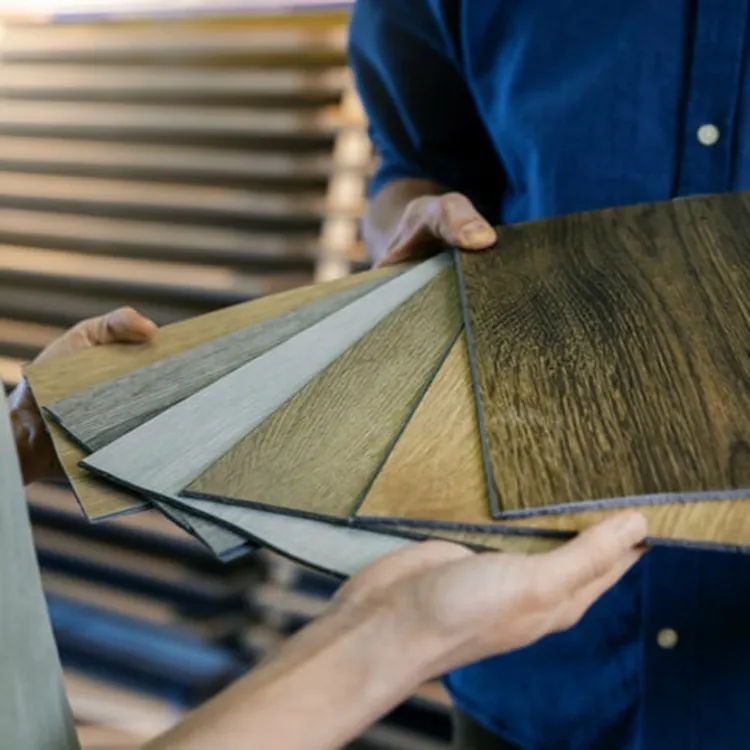
Luxury vinyl is one of the most popular options for flooring because it balances durability, water resistance, maintenance and value. “It's a smart choice for busy families and works well in almost any room,” Oswald said.
The flooring itself is waterproof, although standing water can seep through the seams over time. High-quality vinyl has a scratch layer that can stand up to constant wear and tear. It’s easy to clean and virtually maintenance-free, and it mimics more expensive materials, such as hardwood or stone, giving it excellent visual appeal. Vinyl flooring lasts an average of 25 years.
Vinyl pros
- Water resistance
- Relatively affordable
- Easy to maintain
Vinyl cons
- Not fully waterproof
- Shorter lifespan than tile or stone
- Not eco-friendly*
Note: Vinyl flooring is technically recyclable, but it’s not often recycled due to the complicated process. It also has the potential to off-gas potentially harmful compounds.
Porcelain and ceramic tile flooring
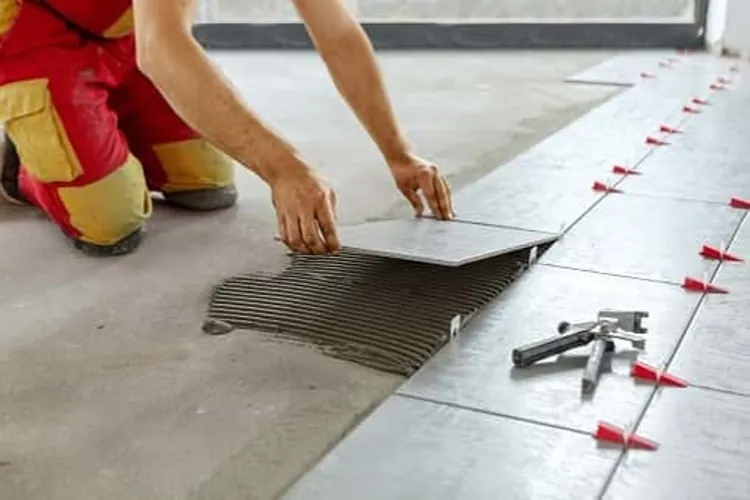
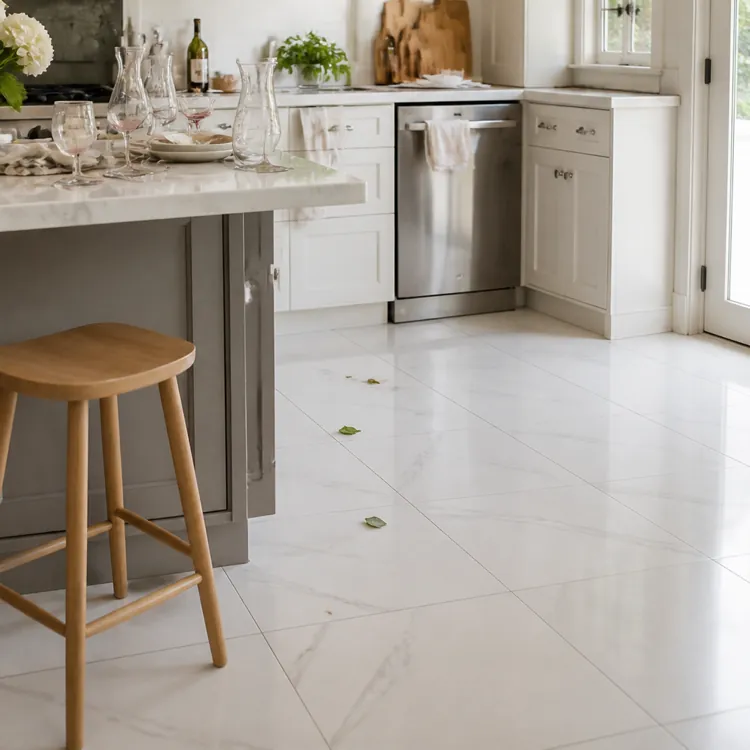
Tile flooring is another very popular option for kitchens. It’s one of the only flooring options that can be truly waterproof, and while the grout can stain and chip, the tile itself is impervious and extremely durable. Porcelain tile is harder than ceramic and more resistant to drops, so while it’s more expensive, it’s a better option for homes with children.
Tile flooring looks good and can last for 100 years. But it’s expensive, and the hard, slick surface means it’s not ideal for comfort or safety.
Tile pros
- Lasts up to 100 years
- Outstanding water and damage resistance
- Easy to clean
Tile cons
- Expensive
- Not the most comfortable option
- Slick when wet
Natural stone
Natural stone flooring is a popular alternative to more traditional ceramic tile. Granite and marble are popular options, especially in luxury kitchens.
“Natural stone creates a beautiful, one-of-a-kind look and can really elevate a space,” explained Oswald. “It's typically chosen when homeowners are looking for a more premium finish.”
Stone floors can be fully waterproof, although some stone is permeable and can stain from spills. Stone is durable and can last 100 years or more, even in the busiest of kitchens.
Natural stone is very expensive and isn’t the best when it comes to comfort, as it’s hard underfoot. It also requires more maintenance than tile, as you’ll have to seal it regularly to maintain its waterproof qualities.
Natural stone pros
- Excellent visual appeal
- Extreme physical durability
- Can last for 100+ years
Natural stone cons
- Very expensive
- Requires regular maintenance
- Hard on joints
Engineered hardwood
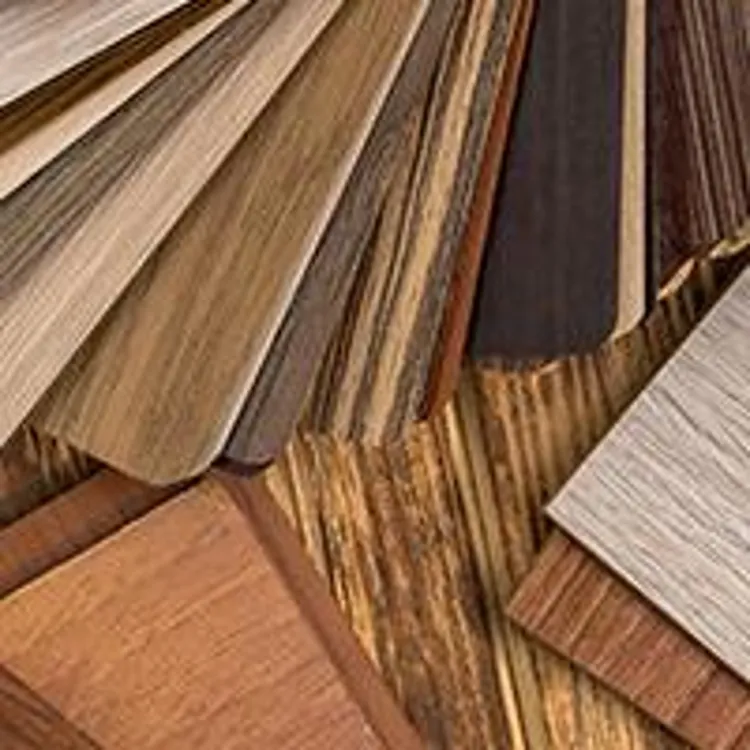
Engineered hardwood is a less common option in kitchens, mostly because it can swell and warp in the presence of water or moisture. Many homeowners avoid it for this reason alone, but it can also stain, can be slippery when wet and is prone to denting and scratching.
However, engineered wood is relatively affordable, can provide some comfort underfoot with the right underlayment and lasts for 50 or more years. It will need some maintenance during that time, but you can sand and refinish to keep your floors looking like new and restore their physical durability.
Engineered hardwood pros
- Beautiful appearance
- Lasts for 50+ years
- Relatively affordable
Engineered hardwood cons
- Can warp and swell from water/moisture
- Prone to denting and scratching
- Can be slippery when wet
Laminate
Laminate floors have a water-resistant coating on top, but they can swell at the seams, so standing water and major spills can destroy the material. Newer materials can resist standing water for 24 to 72 hours, so they can still be functional in busy kitchens.
Laminate is also the most affordable flooring option you can consider for your kitchen, and you can couple it with a cushioned underlayment for improved comfort.
Laminate can resemble more luxurious flooring materials, but some homeowners don’t prefer the appearance. It also only lasts for 15 to 25 years; you may get even less time out of it in a busy kitchen, as the physical durability is lower than most other options.
Laminate pros
- Very affordable
- Option for increased comfort
- Can mimic more expensive materials
Laminate cons
- Not waterproof
- Relatively short lifespan
- Not the best physical durability
Kitchen flooring installation and maintenance
Consider a few key things when installing new kitchen floors to help maximize value, avoid going over budget and plan for long-term maintenance.
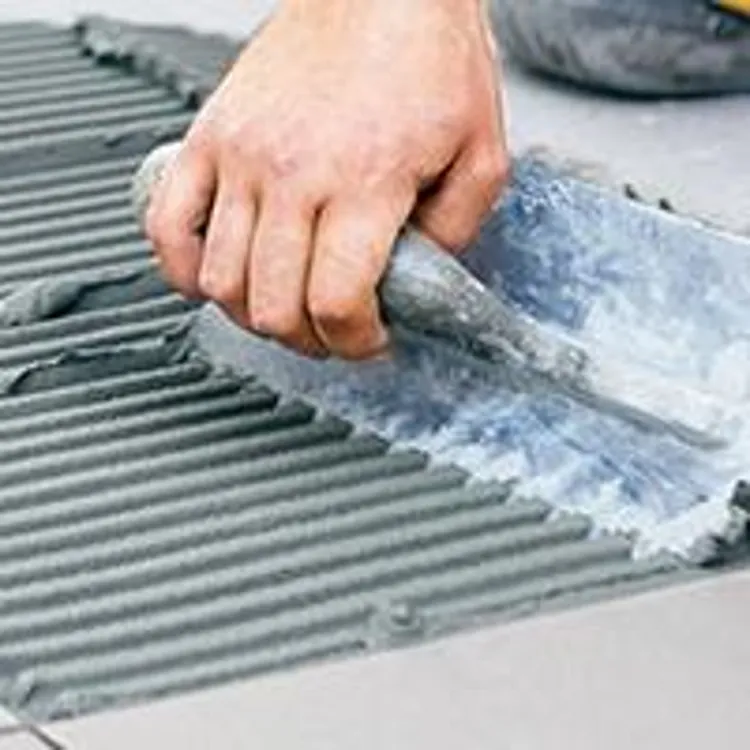
- Consider subfloor preparation costs: When budgeting for your kitchen floor, don’t forget to think about what’s underneath. If you’ve had issues with leaks in the past, you may need to pay for repairs, and if you’re putting down tile or natural stone, your pro may need to level the subfloor to avoid cracking.
- Understand when a moisture barrier is necessary: In slab-on-grade homes and basement kitchens, you should budget extra for a moisture barrier. This will protect your flooring from moisture that wicks up through the concrete underneath.
- Understand your floor’s maintenance requirements: Know what you’re getting into before you commit. Vinyl requires a simple wiping or mopping; tile and stone require grout maintenance and cleaning; certain stone tiles may need frequent resealing; and engineered hardwood requires low-moisture cleaning to avoid water damage. When in doubt, ask your flooring installer for a breakdown on necessary maintenance.
- Know when to repair or replace your floor: Understand what damages are common on your preferred flooring type so you know what to look out for. Most importantly, make sure you know what water damage looks like on your flooring type so that you can identify and fix leaks quickly.
- Know how to clean your floors: Different kitchen flooring materials require different cleaning methods to avoid damage. Ask your local flooring professional for guidance, but in general, steer clear of wet mopping on laminate and engineered wood floors, avoid harsh cleaners on vinyl and avoid abrasive cleaning tools on vinyl, laminate and engineered wood.
FAQ
What is the hardest-wearing kitchen flooring?
Tile and natural stone are the hardest-wearing kitchen flooring materials. They’re extremely durable and resistant to foot traffic and scratching, and they can stand up well to drops. Both can last for 100 years or more, making them the most durable kitchen floor options available.
Is laminate or vinyl plank better for a kitchen?
Vinyl plank is generally a better option for a kitchen. Laminate is more affordable, but it’s less water-resistant, so leaks and moisture can be problematic. Vinyl also has greater physical durability, so it’s a better option in high-traffic kitchens, especially those that are home to children and pets.
What kitchen flooring adds the most value?
Natural stone adds the most value to a kitchen, as it’s visually the most appealing option and it offers outstanding durability and water resistance. However, it’s also one of the most expensive flooring materials. For the best value for your money, luxury vinyl plank and luxury vinyl tile flooring are the best options.
Is tile or vinyl better for kitchen floors?
Vinyl is currently the more popular option, but neither is strictly better than the other. Vinyl is more affordable, isn’t as slippery when wet and is usually more comfortable to walk and stand on. But tile is more durable, has a longer lifespan and can be truly waterproof rather than just water-resistant.
Article sources
ConsumerAffairs writers primarily rely on government data, industry experts and original research from other reputable publications to inform their work. Specific sources for this article include:
- International Association of Certified Home Inspectors, "InterNACHI's Standard Estimated Life Expectancy Chart for Homes." Accessed July 21, 2026.
- Yale Environment 360, "Plastics Reckoning: PVC Is Ubiquitous, But Maybe Not for Long." Accessed July 21, 2026.