

Comparing flooring types
Flooring materials vary in cost, durability, water resistance and appearance. The best option depends on the room, your budget and how much wear the floor will need to handle.
Common types of flooring materials include:
- Carpet
- Engineered wood
- Hardwood
- Laminate
- Linoleum
- Stone
- Tile
- Vinyl
Each of these brings something unique to the table and offers varying levels of wear resistance, water resistance, comfort, sound dampening, visual appeal, longevity and ease of maintenance.
You can use the table below as a quick guide on choosing a flooring material for specific rooms in your home, but you may want to consult with a flooring installation company in your area to choose what’s best for your specific situation.
| Best rooms | Avoid in | Water resistance | Wear resistance | Lifespan in years | Cost per square foot* | Installation difficulty | Ease of maintenance | Comfort | |
|---|---|---|---|---|---|---|---|---|---|
| Carpet | Bedrooms | Bathrooms, kitchens, laundry rooms and high-traffic areas | Very low | Low | 8 to 10-plus | $3 to $12 | Low | Moderate | High |
| Engineered wood | Bedrooms and dry living areas | Bathrooms, kitchens and laundry rooms | Low | Moderate | 50-plus | $6 to $15 | Moderate | Moderate | Moderate |
| Hardwood | Bedrooms and dry living areas | Bathrooms, kitchens and laundry rooms | Low | Moderate | 100-plus | $8 to $20 | High | Moderate | Moderate |
| Laminate | Bedrooms, dry living areas and laundry rooms | Bathrooms and kitchens | Moderate | Moderate | 15 to 25-plus | $3 to $12 | Low | High | Moderate |
| Linoleum | Entryways | Bathrooms, kitchens, damp basements and laundry rooms | Moderate | Moderate to high | 25-plus | $3 to $12 | Low | High | Moderate |
| Stone | Bathrooms and kitchens | Rooms with an uneven subfloor | High | Very high | 100-plus | $10 to $40 | High | Moderate | Low |
| Tile | Bathrooms and kitchens | Rooms with an uneven subfloor | High | Very high | 75 to 100-plus | $7 to $25 | High | High | Low |
| Vinyl | Most rooms | Areas with frequent standing | High | High | 25-plus | $4 to $14 | Moderate | High | Moderate |
Your flooring costs can vary widely by material, with laminate and vinyl generally at the lower end and hardwood and natural stone at the higher end. To get an accurate price for your project, always get an estimate from a local flooring installer.
» MORE: Best Flooring Companies
Carpet flooring
Carpet is one of the most affordable flooring options and provides more cushioning and sound absorption than hard flooring. It works best in bedrooms and other dry living areas, but it can trap dirt and allergens. It’s also vulnerable to stains, moisture and wear.
Carpet adds softness and cushioning to bedrooms and other living areas.
Vinyl and laminate flooring
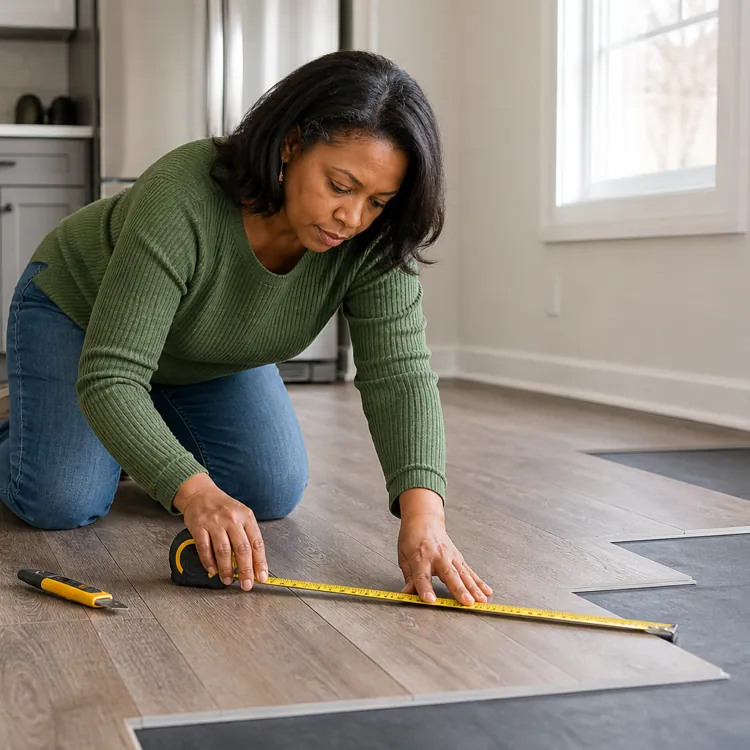
Vinyl is one of the most popular types of flooring in modern homes, and there are three different types available. Laminate is a different flooring material entirely, but it’s sometimes categorized with vinyl because it’s another synthetic product.
- Luxury vinyl planks (LVP): LVP flooring is made primarily from polyvinyl chloride (PVC) and comes in planks, often resembling wood flooring. LVP itself is waterproof, although its seams are only water-resistant. It’s a popular option for kitchens and bathrooms.
- Luxury vinyl tile (LVT): LVT is made of the same materials as LVP, but it looks like tiles instead of planks. Some products use a stone plastic composite (SPC) core, which is denser and more rigid than a wood plastic composite (WPC) core. LVT works well in kitchens, bathrooms and other rooms where water resistance is important.
- Sheet vinyl: Sheet vinyl is installed in a single sheet rather than as planks or tiles. It’s waterproof except around the edges. It’s usually more affordable than LVP or LVT and has fewer seams, making it a practical option for kitchens, bathrooms, laundry rooms and utility spaces.
- Laminate: Laminate flooring has a high-density fiberboard (HDF) core covered by a printed design layer and a clear wear layer that protects the surface. “Laminate is a great option for homeowners looking for a durable floor at a more affordable price,” said Tim Oswald, owner of Floor Coverings International, based in Georgia. “It's best suited for dry areas like bedrooms, hallways and living spaces.” Laminate is more affordable than vinyl, but many homeowners agree that it doesn’t look as nice. It’s more common in areas with less traffic, much like sheet vinyl.
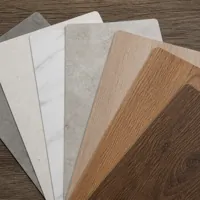
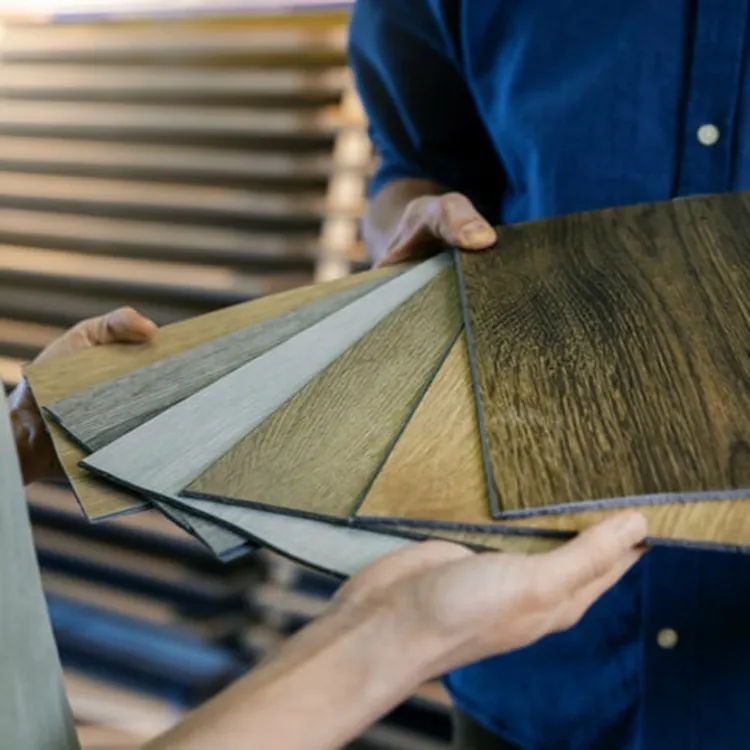
Vinyl and laminate flooring can mimic the look of wood or stone
Here are some things to consider if you’re thinking about installing vinyl or laminate flooring in a room in your home:
- Thickness of the wear layer: Vinyl and laminate flooring options both have a clear wear layer that protects against scratching, gouging and foot traffic. The thicker the wear layer, the higher the cost — but the longer your floor will last, especially with heavy foot traffic.
- Water resistance: Vinyl flooring is a popular option in bathrooms and kitchens because of its high water resistance, but resistance levels vary among brands. LVP and LVT are the most popular in these rooms because they combine water resistance with designs that look like wood or stone. Adding a waterproof underlayment can provide additional protection. Laminate is generally better suited to dry areas.
- Underlayment options: In addition to waterproof underlayments, you may want to consider thicker materials for better sound dampening and comfort underfoot. This can be particularly helpful for aging homeowners.
- Budget and value: Sheet vinyl is the most affordable type of vinyl flooring, but consider upgrading to LVP or LVT for improved value, durability and longevity, especially in high-traffic rooms. Laminate floors are also very affordable, but you don’t get the same value or lifespan. “Vinyl doesn't carry the same resale prestige real wood does,” said Mike Solomich, an expert at Quality Hardwoods of Michigan with over 15 years of experience. “Buyers still see it as the budget-friendly option even when the quality's there.”
Vinyl doesn't carry the same resale prestige real wood does. Buyers still see it as the budget-friendly option even when the quality's there.”
Tile and stone flooring
Tile and stone flooring are most popular in bathrooms and kitchens. There are many different varieties of natural stone you can use for flooring, with granite and marble being the most popular. Tile comes in two varieties as well, with ceramic being the more affordable option and porcelain the more durable.
- Granite: Granite is more affordable than marble, and it comes in a wider variety of colors. The stone is porous though, so you’ll need to reseal it every few years. Aside from that, cleaning and maintenance are very straightforward. Granite stands up extremely well to foot traffic and resists scratching, chipping and cracking.
- Marble: Marble is a more luxurious material and is usually more expensive than granite. It has a higher porosity, so you’ll need to seal it more often, usually one to two times per year. Marble is usually white in color and will show stains more readily. It’s also more likely to show yellowing with sun exposure. However, it stands up very well to foot traffic and can add substantial value, especially in luxury homes.
- Ceramic: Ceramic tile is more affordable than porcelain, but it’s also less durable. It’s best for low- to moderate-traffic bathrooms and kitchens. Guest bathrooms and kitchens are the best places to go with ceramic, but you can go this route to save on flooring costs if you’re willing to replace it more often.
- Porcelain: Porcelain is made from finer clay and is fired at a higher temperature, so it’s much more durable. It’s ideal for high-traffic bathrooms and kitchens.
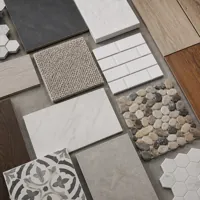
Tile and natural stone come in a range of colors, patterns and finishes.
If you’re thinking about a natural stone or tiled floor in your home, make sure you consider all of the following before committing:
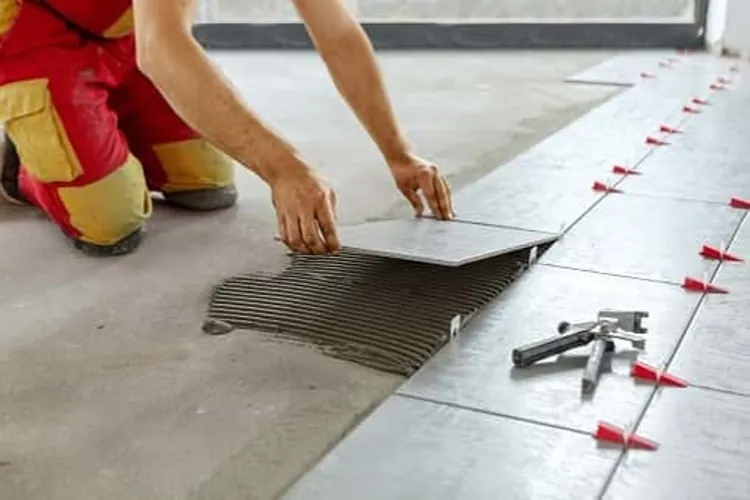
- Subfloor condition and preparation: Tile and stone can crack if the subfloor underneath isn’t perfectly flat. Always hire a professional to install a tile or stone floor to ensure proper prep work and to make sure the floor is truly waterproof, especially in bathrooms and kitchens.
- Safety: Tile and stone are ideal in rooms where water and moisture are possible, but they also become very slick when wet or damp. For your own safety, consider textured tiles or choose small tiles with more grout lines to add grip.
- Maintenance: Ceramic and porcelain tiles require regular grout cleaning. Stone tile requires the same, but you’ll also need to reseal the actual tile every six months to a year for marble or every two to three years for granite. Make sure you’re comfortable with the required maintenance before installing.
- Budget and value: Porcelain tile provides the best balance between cost, value and longevity. Consider ceramic tile to save money. Upgrading to granite or marble adds more value but comes with a higher initial cost. Complex patterns and additional demolition or subfloor preparation can significantly increase the total installation cost.
Wood and linoleum flooring
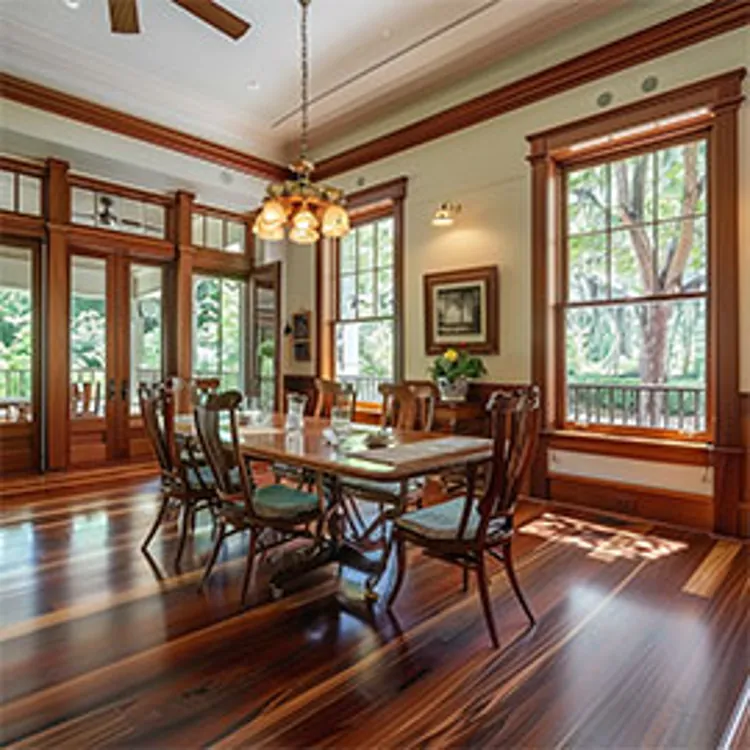
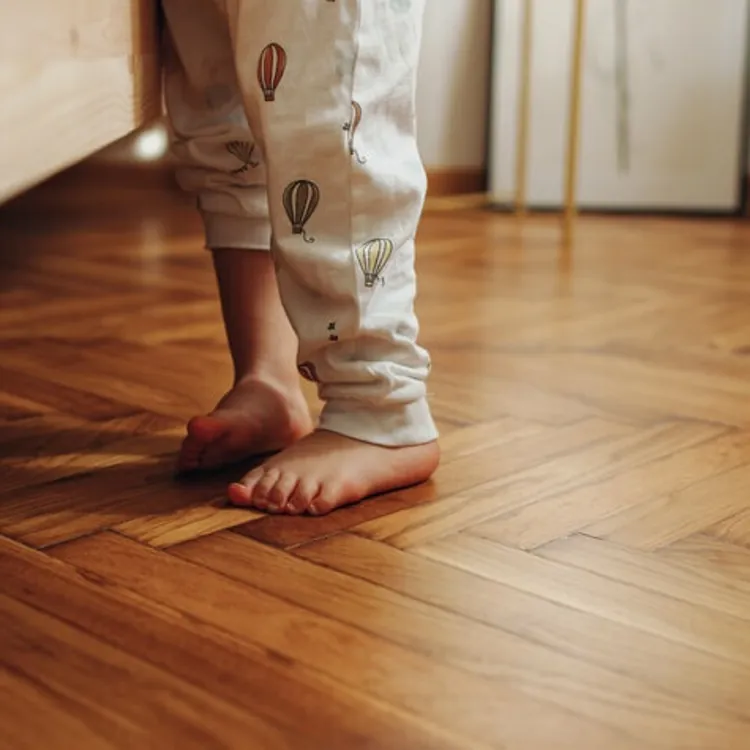
Wood flooring, including hardwood and engineered wood, is a traditional option that can still add tons of value to your home. Linoleum flooring is another natural product that can resemble wood flooring but is much more affordable and has a significantly shorter lifespan.
- Engineered wood: Engineered wood has a thin layer of real wood laid over a plywood core. The plywood helps prevent warping and buckling, but engineered wood still only has a moderate resistance to water. It’s a good option in living areas and bedrooms that won’t see water or moisture. You can sand and refinish engineered wood, but not as many times as hardwood.
- Hardwood: Hardwood flooring is a “classic and traditional option (that) adds to the long-term value of your home and brings natural beauty to your house,” said Steve Silvers, CEO of Express Flooring in Arizona. “(However), while it’s gorgeous and offers timeless style, you should generally avoid installing this in a room prone to a lot of moisture.” Wood naturally expands and contracts with changes in humidity, so it’s prone to warping and buckling with exposure to moisture. You can sand and refinish hardwood many times, giving it an extremely long lifespan of 100 or more years. It’s also a sustainable building material.
- Linoleum: Linoleum flooring is made from linseed oil, sawdust, pine resin and other natural materials, so it sometimes falls in the same category as wood flooring. Linoleum has an even lower resistance to water and moisture. You can’t refinish it, and it doesn’t add as much to a room's visual appeal. However, it’s much more affordable than wood and can look somewhat similar. It’s most popular in entryways, where it offers good resistance to physical wear and is cheap to replace if damaged.
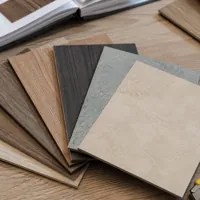
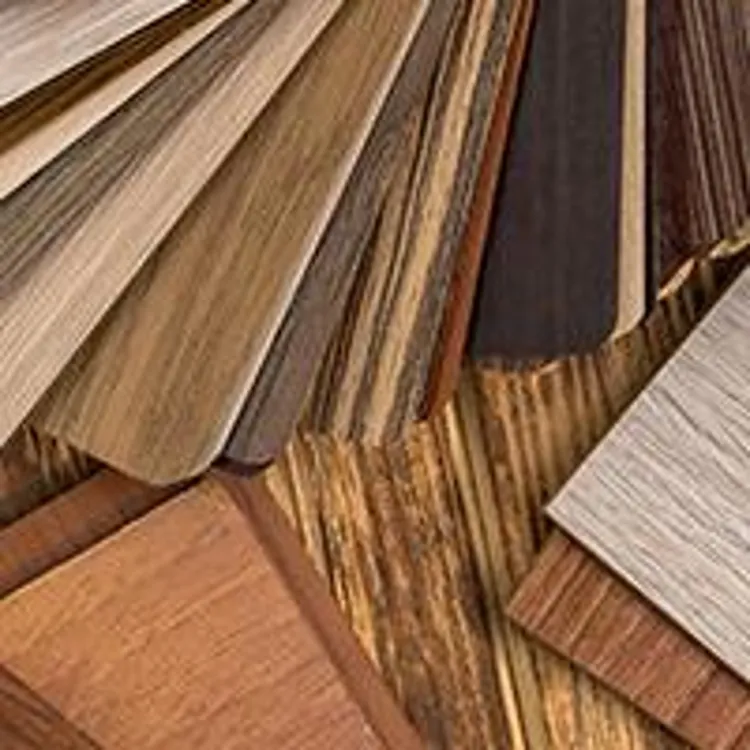
Hardwood and engineered wood provide a natural look, while linoleum comes in a wider range of colors and patterns.
Just like with other flooring types, there are a few key things you should consider before deciding on engineered wood, hardwood or linoleum for your next flooring project.
- Lifespan and refinishing options: Hardwood flooring can last for 100 years or more, largely because you can sand and refinish it six to eight times to breathe new life into your floors. Engineered wood floors can also be sanded and refinished, but some can only be refinished once before the plywood core is exposed. Linoleum cannot be sanded and refinished, so it has a shorter lifespan of about 25 years.
- Moisture concerns: Engineered wood is the most water-resistant of the three options, but it’s still not ideal in kitchens, bathrooms and damp basements because it can still warp and buckle. Wood and linoleum are best in dry living areas.
- Acclimation: Wood and engineered wood floors expand and contract as humidity changes. Purchase the flooring a few weeks before installation and store it in the room where it will be installed so it can acclimate.
- Sealing: Engineered wood comes presealed, so you can walk on it immediately after installation. Hardwood requires sealing after installation, so allow a few days for the sealant to cure. You should also be prepared to leave windows open, as the odor can be quite strong, especially if you use an oil-based polyurethane for added physical protection in high-traffic rooms.
FAQ
What is the most durable type of flooring?
Tile and natural stone are the two most durable types of flooring. They stand up extremely well to constant foot traffic, impact and water. Both can last 100 years or more with proper maintenance. Porcelain is the most durable type of tile floor, and granite is the most durable type of stone floor.
What type of flooring is waterproof?
Tile and stone are the only floors that can truly be waterproof, provided they have the proper underlayment. Vinyl flooring itself is waterproof, but the seams are usually only water-resistant. Standing water can seep through them.
Which flooring is easiest to install?
Floating vinyl or laminate planks are generally the easiest flooring options for DIY installation. Carpet is also relatively quick for professionals to install.
What is the cheapest type of flooring?
Carpet, laminate and linoleum are among the cheapest flooring options, with estimated costs of $3 to $12 per square foot, including materials and labor.
Article sources
ConsumerAffairs writers primarily rely on government data, industry experts and original research from other reputable publications to inform their work. Specific sources for this article include:
- International Association of Certified Home Inspectors, "InterNACHI's Standard Estimated Life Expectancy Chart for Homes." Accessed July 21, 2026.
- National Wood Flooring Association, "How Many Times Can a Wood Floor Be Sanded?" Accessed July 21, 2026.
- Rustic Wood Floor Supply, "Can You Refinish Engineered Hardwood?" Accessed July 21, 2026.