

Home warranty flooring coverage
Home warranties typically do not cover flooring itself. Standard plans commonly cover specific system components such as plumbing, electrical, heating, ventilation and air conditioning (HVAC), along with listed appliances. Flooring is a structural finish and generally falls outside that scope.
For example, your home warranty might pay to repair a covered plumbing part that fails from ordinary use. But the same service agreement likely excludes warped hardwood, damaged laminate or removed tile surrounding that part. Repairing the source of a problem is not the same as paying for resulting property damage.
Ultimately, flooring coverage varies by home warranty company and the plan you choose. Some companies may cover cleaning hardwood floors or carpets; others may cover repairing or replacing damaged flooring. Check your contract before signing to confirm exactly what you’re getting.
Coverage by material
Most plans don't protect flooring, but some let homeowners buy optional flooring add-ons or include limited floor cleaning in higher-tier maintenance packages.
Hardwood: Rarely covered, especially if damaged by normal wear, moisture or accidents. Some policies might cover damage from a plumbing failure, but expect exclusions.
Tile: Ceramic or porcelain tile is usually excluded, except in rare cases where damage is from a covered appliance or plumbing problem. A service agreement may cover a qualifying failure in a covered system behind or beneath tile, but still exclude removal and replacement of the tile.
Carpet: Standard plans usually exclude carpet. Stains, tears and general wear are considered homeowner maintenance issues. Carpet damage from a sudden, covered insurance loss may be a homeowners insurance question instead.
Laminate and vinyl: These materials are also commonly excluded as finished surfaces. A warranty may address the covered source of a leak, but not flooring that swells, separates or discolors because of the leak.
Before filing a claim, ask: Does my home warranty agreement cover the failed system or appliance, the resulting floor damage, or both? For the most part, the answer is only the failed covered item.
What does a home warranty typically cover?
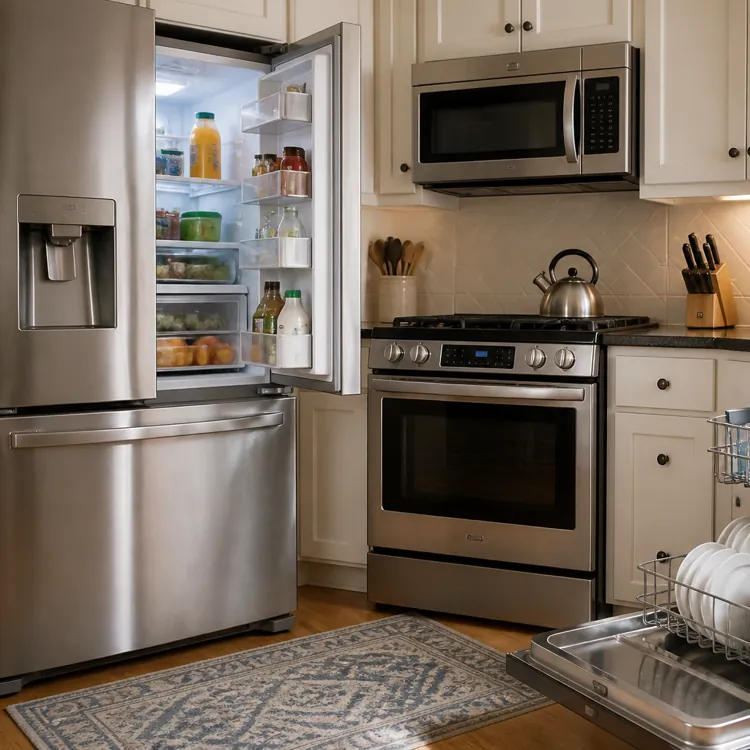
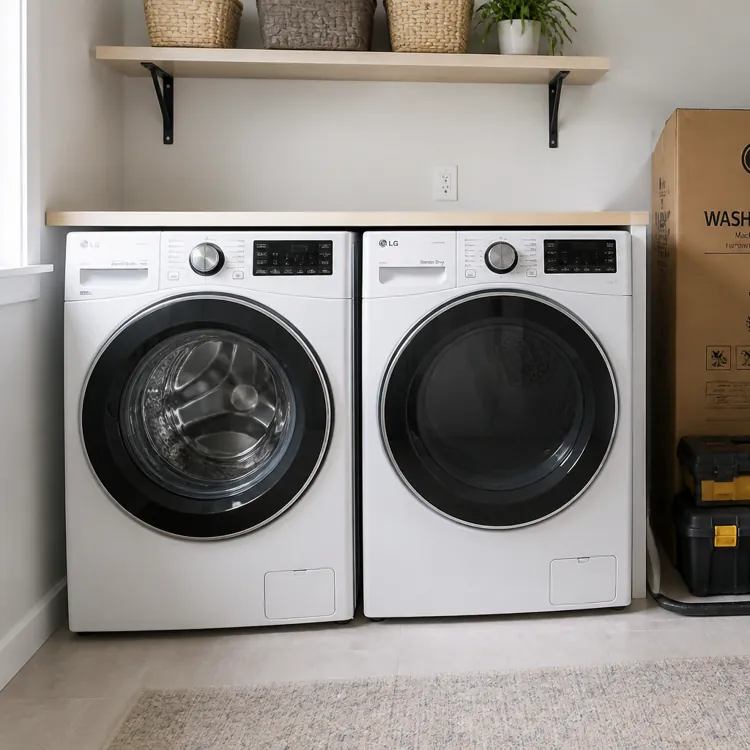
Home warranties usually cover listed systems and appliances that break down under the contract terms. Coverage varies, but it usually includes large appliances, built-in microwaves, water heaters and systems like HVAC, plumbing, ductwork, pool heaters and well pumps. Some plans also cover additional items like pest control, septic systems, central vacuums, sump pumps and more.
» NEED NEW FLOORING? Best flooring companies
Flooring warranty coverage exclusions
Even the best home warranty companies can still deny a claim because of contract stipulations. For flooring, these common situations may not be covered:
Damage that isn't the result of normal wear and tear: “Normal wear and tear” in a home warranty usually refers to a covered system or appliance failing through routine use — not the ordinary aging of your floor.
Damage from "acts of God": Natural events like flooding or fire are excluded.
Improper installation: Warranties usually exclude floors that buckle or cup due to improper subfloor preparation, missing moisture barriers or unlevel foundations.
Excluded places: Most agreements also exclude flooring in detached garages, exterior sheds or guesthouses.
Coverage caps
Depending on your exact service agreement, the provider may pay for some access work, limit the amount it pays or exclude the removal and replacement of finished flooring altogether.
Look out for these terms in your contract:
Access: Work required to reach a covered component.
Tear out: Cutting, removing or opening part of a structure to make a repair possible.
Finished surfaces: Decorative or completed materials, such as hardwood, tile, carpet, laminate, vinyl, cabinets, walls or trim.
Restoration: Replacing or repairing the materials disturbed during access work.
For example, American Home Shield states that it provides up to $1,000 if a technician needs to cut through concrete to access certain system components. That's an example of a specific access limit, but it doesn't prove that a plan will replace flooring or restore other finished surfaces.
What to do if your home warranty doesn’t cover flooring
Flooring isn’t a common home warranty feature. If your home warranty provider rejects your flooring claim, other protection options may still cover your repair costs. For example, you may be covered under your builders warranty if your home is new. If the flooring itself is new but the home isn't, it may still be covered by a manufacturer’s warranty.
If you have sudden flooring damage from something like a flood, fire or earthquake, your homeowners insurance policy may step in. Keeping clear records can help whether you're filing a warranty claim, insurance claim or manufacturer claim.
FAQ
Is carpeting covered under a home warranty?
A standard home warranty typically doesn't cover carpeting. You may find a company that covers flooring maintenance and cleaning as an add-on, but it's uncommon for them to pay to replace damaged carpet.
Do home warranties cover all types of flooring?
Coverage varies by provider and plan, but most home warranties don't include flooring as standard coverage. Some warranties may specifically exclude flooring, while others may offer limited coverage for certain types, such as hardwood, tile or laminate, and often only if the damage is due to a covered appliance malfunction or system failure. Always review your contract for specific inclusions and exclusions regarding flooring materials.
Does a home warranty cover flooring damaged by water leaks?
In most cases, home warranties don't directly cover flooring damaged by water leaks. Instead, the warranty may cover the repair or replacement of the covered appliance or system (like a dishwasher or plumbing) that caused the leak. Any resulting damage to your floors typically falls under homeowners insurance, not the home warranty. Check your policy details for exact terms.
Bottom line
Most home warranties won't cover flooring or the cost to repair or replace floors damaged by a covered system or appliance failure. Your plan may pay to repair the covered pipe, appliance or electrical component that caused your issue, but flooring is commonly excluded as a finished surface or as secondary damage.
Review your home warranty contract's terms and conditions to understand what is covered and any applicable limitations or exclusions. If the damage came from a sudden, covered event, homeowners insurance may be a better route.
Article sources
ConsumerAffairs writers primarily rely on government data, industry experts and original research from other reputable publications to inform their work. Specific sources for this article include:
National Association of Insurance Commissioners, "A Consumer's Guide to Home Insurance." Accessed Sept. 14, 2026.