

Key differences between tile and carpet
Tile flooring consists of ceramic or porcelain tile, both of which are extremely durable and can stand up to constant foot traffic and physical wear. Tile is rigid and cold underfoot, so it’s one of the least comfortable types of flooring material to walk on, but it’s prized for its water resistance, making it the best option for kitchens and bathrooms.
Carpet is the warmest and most comfortable flooring option, which makes it a popular choice for bedrooms. It also dampens sound well, which can help improve sleep. Carpet is the least durable flooring material, though, and will quickly get ruined if it’s exposed to water or humidity. It also doesn’t stand up to foot traffic well, so it’s best in less-trafficked spaces.
Tile and carpet compared
In most cases, tile is reserved for bathrooms and kitchens, while carpet is uncommon outside of bedrooms and dry, low-traffic living areas. Here’s a quick side-by-side comparison to help you choose between these flooring materials.
| Tile | Carpet | |
|---|---|---|
| Cost (per sq. ft.) | $7 to $25 | $3 to $12 |
| Wear resistance | Very high | Very low |
| Water resistance | Very high | Very low |
| Stain resistance | Very high (grout can stain) | Very low |
| Lifespan (years) | 75 to 100 | 8 to 10 |
| Maintenance requirements | Moderate (grout needs cleaning) | High (vacuuming, stain removal, deodorizing) |
| Best for | Kitchens and bathrooms | Bedrooms and low-traffic living areas |
» COMPARE: The best flooring companies
Cost and installation
Tile is one of the most expensive flooring materials, averaging between $7 and $25 per square foot. Carpet is among the most affordable flooring options, as carpet installation costs $3 to $12 per square foot. Going with a high-end type of carpet might mean a more expensive installation than with low-end tiles, but in most cases, tile will cost much more to install.
There are some factors that can influence these prices, which you should keep in mind when comparing:
- Ceramic tile and porcelain tile differ in pricing, with porcelain being more expensive.
- Custom tilework can dramatically increase your costs beyond $25 per square foot.
- Custom tile installation costs more, as the process is more labor-intensive.
- Carpet padding thickness is a common hidden factor that affects pricing.
- Carpeting costs vary based on pile style, density and height.
Installation cost factors
Carpet is a more affordable material, and the installation process is also quick and easy. A pro will remove the old flooring, lay down carpet padding and then pull and install the carpet, which is anchored around the edges.
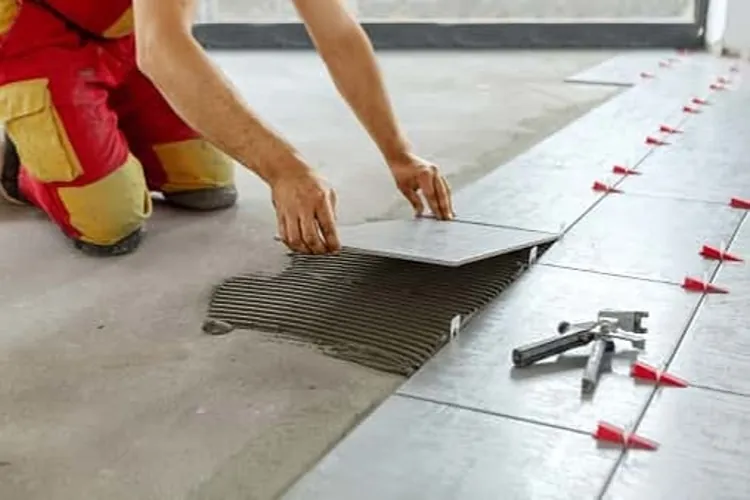
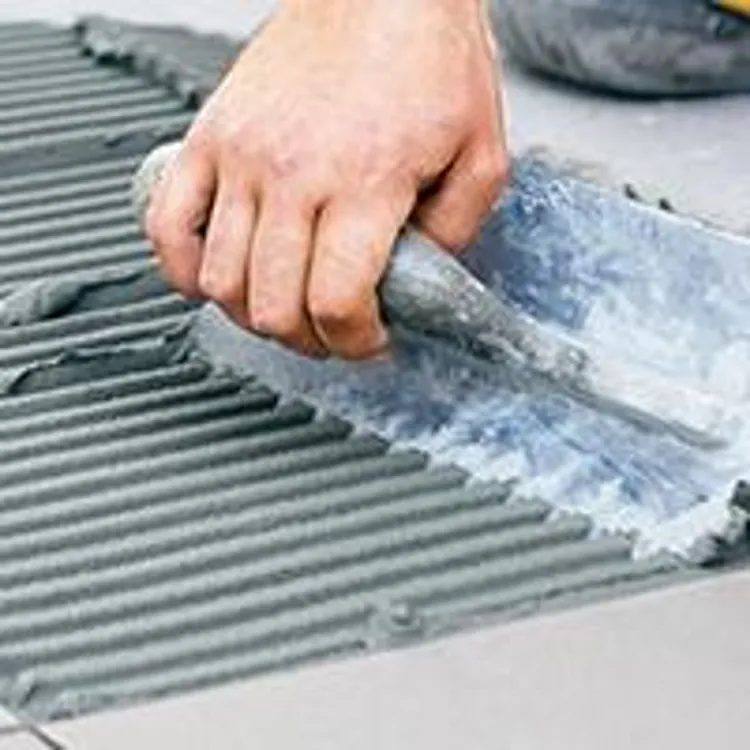
Tile is more complicated, as your pro will need to put down a layer of thinset mortar, space and level the tiles, wait for everything to set, then come back and install the grout, and wipe any excess off after it's partially dry. Finally, they need to complete any touch-ups before letting everything set again.
There are a few other factors that can affect your labor costs with these flooring materials, too:
- Subfloor repairs: If your pros discover damage to your subfloor, you’ll pay between $2 and $10 per square foot to make the necessary repairs. You’re more likely to find unexpected damage under tile since this material is more common in rooms where water damage can persist for months or years without you noticing.
- Subfloor prep: You’re also more likely to pay for subfloor preparation with tile, which can cost between $2 and $8 per square foot. Tile requires a perfectly level and even subfloor to prevent the rigid material from cracking underfoot. Carpeting is flexible and can easily go over slight variations in your subfloor without an issue.
- Old flooring removal: Most homeowners replace tile with tile and carpet with carpet, and since tile is much more time-consuming and labor-intensive to remove, you’re more likely to pay higher flooring removal costs when installing tile.
- Haul away and disposal: Similarly, old tile and thinset are considerably heavier than old carpeting, so you’ll often pay more to have your pro haul away and dump your old flooring when installing tile.
Long-term costs of tile and carpet
When competing on upfront costs, carpet will almost always be more affordable than tile, but it’s important to think about long-term costs as well.
Both flooring materials require a good deal of maintenance, so these costs should be about the same, even if you hire cleaning pros. With tile, you’ll pay for deep grout cleaning and stain removal, and with carpeting, you’ll pay for deep cleaning or steam cleaning every six to 12 months.
More important is the cost of ownership across the life of your flooring. Tile flooring installation costs $7 to $25 per square foot but lasts for 75 to 100 years, which comes out to an annualized cost of 7 to 33 cents per square foot. Carpet costs just $3 to $12 per square foot but lasts eight to 10 years, so the cost of ownership is much higher, at 30 cents to $1.50 per square foot per year.
Comfort and warmth
In most cases, homeowners choose tile for water resistance and wear resistance, especially in rooms that may see water and moisture, and they opt for carpet for comfort and warmth, particularly in bedrooms and offices.
Underfoot feel and cushioning
Tile is rigid and cold, making it one of the least comfortable flooring materials to walk on. It requires thinset mortar as an underlayment, so you can’t opt for a different material to add more cushion. You can improve the feel by adding area rugs, but you’ll only have portions of the floor that are comfortable.
Carpeting, on the other hand, is the most comfortable flooring material, so it’s a popular flooring material in living rooms and bedrooms. A thick carpet padding and a saxony or plush pile style can help maximize cushioning, but even thinner carpets are more comfortable than tile. Carpeting is easier on aging joints and less likely to cause injury during a fall.
Warmth
Tile is cold underfoot, which can feel nice in the summer but is usually unpleasant in the winter. However, tile is compatible with radiant heat, which can improve warmth, but it’s expensive to install and operate.
Carpeting is warm, even in the winter, making it the perfect material to set your feet down on when getting out of bed on a cold winter morning.
Safety
Tile is slick and can get slippery when it’s wet or moist. That makes tile the best flooring material for kitchens and bathrooms, but it also means it’s the most dangerous in the areas where it’s most popular. Small area rugs and bath mats can help, as can lightly textured tiles or small tiles that have more grout lines.
Carpet will never get slippery, so it offers maximum traction, even if it does get wet from a spill. It’s also easier on aging joints, and it provides better grip for pets, especially as they get older. Just keep in mind that carpeting wears much more quickly with exposure to pet nails, and it can hold on to allergens, including pet dander.
Noise and sound insulation
Tile provides virtually no noise dampening. It won’t shift underfoot, but it will bounce back just about any noise in the room. Carpeting absorbs sound and can improve the sense of privacy in a room, which is another reason why it’s one of the best flooring materials for bedrooms.
Cleaning and maintenance
Tile is easy to wipe or mop clean, so routine maintenance is a breeze. The tile itself also won’t stain easily, so even if you’re not quick to clean up spills, you may not have any lasting damage. However, the grout lines between your tiles can be more challenging to clean, so expect annual deep cleanings that take longer and cost more if you have a pro handle the work.
Carpeting is much harder to clean because dirt and debris can get caught deep in the fibers, making it challenging to reach, even with vacuuming. Carpeting can also stain instantly, so you’ll need to be diligent about cleaning up spills and having proper stain removal products on hand.
In addition to holding onto dirt, carpeting can hold allergens and release them over time, which can be problematic for homeowners with allergies, asthma or other respiratory issues. Tile will never hold dust, so a quick dry mop can leave your floor allergen-free.
FAQ
Is it better to have tile or carpet?
Neither flooring material is universally better than the other, so it depends on the room you’re renovating and your lifestyle and demands. Tile is better in rooms that see moisture or water exposure, including kitchens, bathrooms and basements. Carpet is better in bedrooms, where it provides more comfort, better sound-dampening qualities and warmth underfoot.
Is carpeting outdated?
Carpets aren't outdated, although they're far less popular than they used to be. Many homeowners still love the comfort and warmth carpet provides in bedrooms and low-traffic hallways. However, hardwood, engineered wood and luxury vinyl plank (LVP) flooring have all become increasingly popular in bedrooms, especially if it matches the flooring in adjacent hallways or nearby rooms.
What flooring choices do homeowners most regret?
There’s no single flooring material that homeowners regret more than others, but the biggest regrets usually come when homeowners use less water-resistant flooring in areas prone to moisture and water. For example, carpeting, laminate flooring, hardwood and engineered wood in bathrooms and kitchens can very quickly prove to be a bad idea if you experience a plumbing or appliance leak or high levels of humidity.
Are carpet tiles good for home use?
Carpet tiles can be good for home use, particularly in basements and kids’ rooms. Carpet tiles are easy to install for handy DIYers, and it’s easy to replace a single tile if it sustains damage or gets stained. Carpet tiles are also a very affordable flooring option, making them great for temporary floors that may get ruined quickly.
Article sources
ConsumerAffairs writers primarily rely on government data, industry experts and original research from other reputable publications to inform their work. Specific sources for this guide include:
- International Association of Certified Home Inspectors, "InterNACHI's Standard Estimated Life Expectancy Chart for Homes." Accessed Oct. 25, 2026.
- MDPI, "Impact of Carpets on Indoor Air Quality." Accessed Oct. 25, 2026.