

Best flooring for bedrooms compared
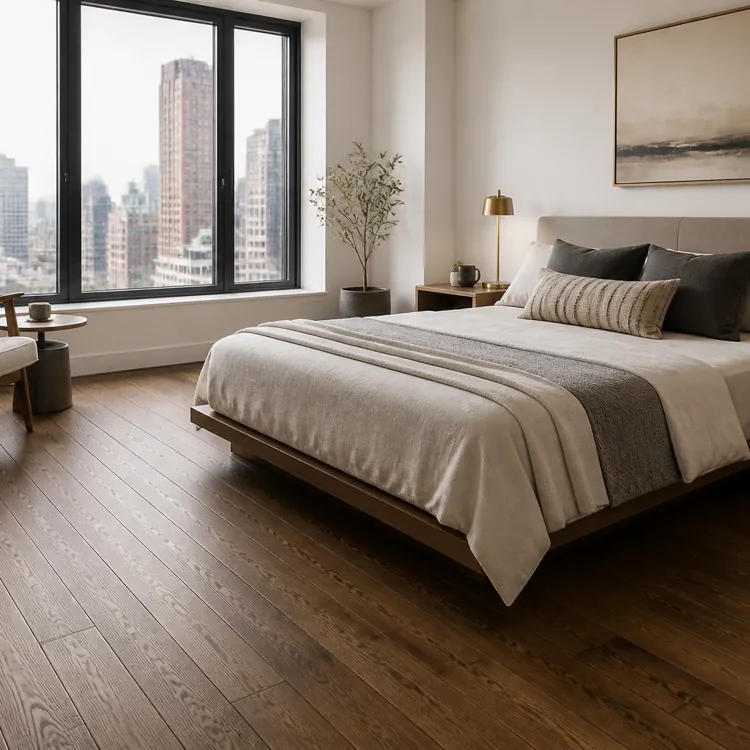
Some of the best flooring for bedrooms include carpet, luxury vinyl plank, hardwood, engineered wood and laminate. Each of these flooring types has different strengths, so the best choice depends on your priorities and the needs of your space.
| Flooring type | Comfort and warmth | Noise reduction | Durability | Water resistance | Cost per square foot* | Best for |
|---|---|---|---|---|---|---|
| Carpet | Very high | Very high | Low (8 to 10 years) | Very low | $3 to $12 | Cozy bedrooms |
| Engineered wood | Moderate | Moderate | High (50-plus years) | Low | $6 to $15 | Appearance of wood at a lower cost |
| Hardwood | Low | Low | Very high (100-plus years) | Low | $8 to $20 | Durability |
| Laminate | Moderate | Low to moderate | Moderate (15 to 25 years) | Moderate | $3 to $12 | Affordability and ease of installation |
| Luxury vinyl plank | Moderate | Moderate | Moderate (25 years) | Moderate | $4 to $14 | Value |
Carpet
Carpet is one of the most popular flooring options for bedrooms because it provides the most comfort, the best noise reduction to promote sound sleep and adds warmth to the space.
“(Carpet) materials like wool offer sophistication, sustainability and performance,” said Bailey Walton, vice president of Anderson Tuftex, a flooring manufacturer and installer based in Georgia. “As a design element, carpet introduces texture, tactile, thermal and acoustic comfort and color in ways that hard surfaces can’t replicate.”
As a design element, carpet introduces texture, tactile, thermal and acoustic comfort and color in ways that hard surfaces can’t replicate.”
Carpet has the shortest lifespan and the lowest durability of any main flooring material, but this usually isn’t as much of an issue in bedrooms, where foot traffic is limited.
Carpet also has low water and wear resistance, so it may not be the best choice for children’s bedrooms, where spills and accidents are possible. It may wear more quickly in bedrooms used by pets, but it does offer more traction and softness than hard flooring.
Engineered wood
The main appeal of engineered wood is that it provides the appearance of hardwood at a lower cost and can last for decades with proper care. Unlike carpet, its surface is smooth, making it easier to sweep and clean. That makes it a practical option for homeowners worried about allergens or routine maintenance.
Engineered wood provides only moderate comfort and is noisier than carpet; it doesn’t dampen sounds within the room. If you or someone in the room is a light sleeper, this could be an issue unless you cover the floor with area rugs. Doing so will also add some comfort and warmth to the space.
While easy to clean, engineered wood has low water resistance, so it might not be best in kids’ rooms. It also has a relatively slick surface, so it’s not ideal for aging pets.
Engineered wood’s relatively thin wear layer may also limit how many times it can be refinished. “(The) downside (compared to hardwood) is that the wear layer is thinner, so you can't refinish it nearly as many times before it (needs replacement),” said Mike Solomich, a professional at Quality Hardwoods of Michigan with over 15 years of experience.
Hardwood
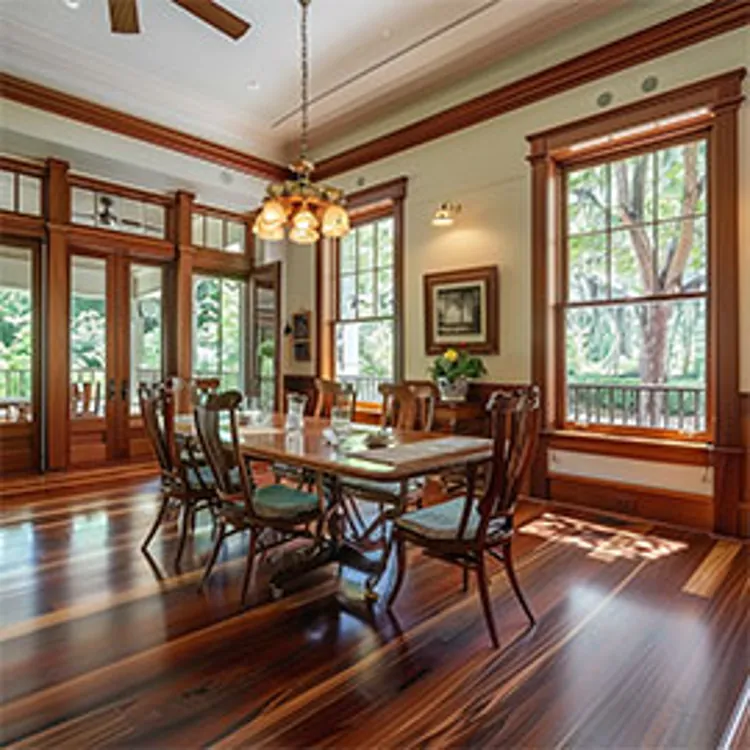
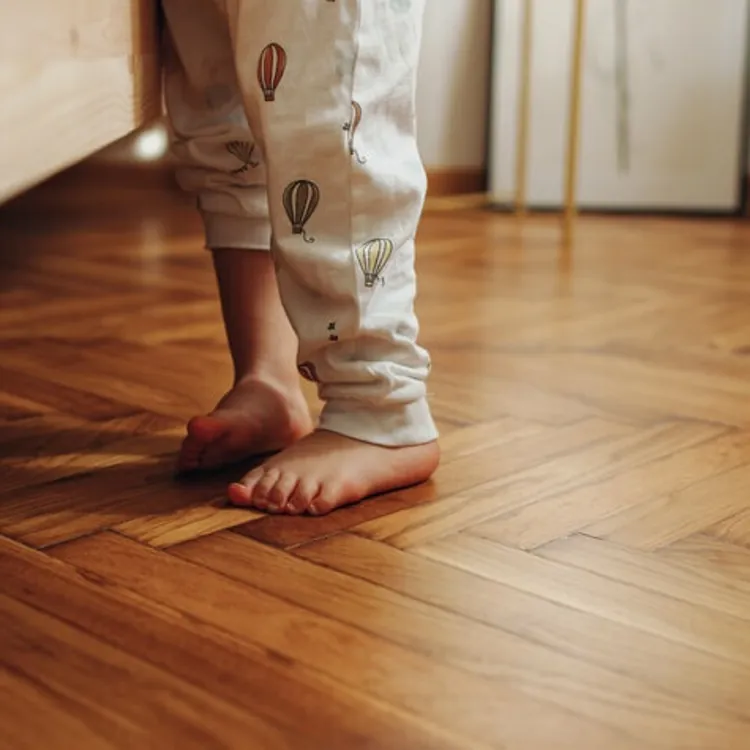
Hardwood is, by far, the most durable flooring material for bedrooms. It can last 100 years or more, and you can refinish it many times over within that timeframe. It’s the more traditional flooring option for bedrooms, but since it’s hard and reflects sound easily, many homeowners couple it with area rugs for comfort and quiet.
Like engineered wood, hardwood has low water resistance and a slick surface, so it may not be ideal in bedrooms frequented by children or pets. While neither wood option is ideal for moisture resistance, Solomich explained that “engineered wood is [better since it] the layered construction doesn't expand and contract the way solid wood does.”
Laminate
Laminate is the most affordable flooring material for bedrooms if you don’t want carpet. It can resemble wood, but it has a shorter lifespan and lower wear resistance. It often comes with an attached subfloor, though, which can provide a bit more comfort than hardwood and better sound dampening than engineered wood in some cases.
Laminate has a slick surface and isn’t ideal for homes with aging pets, but you can couple it with area rugs for improved comfort and sound dampening.
Luxury vinyl plank
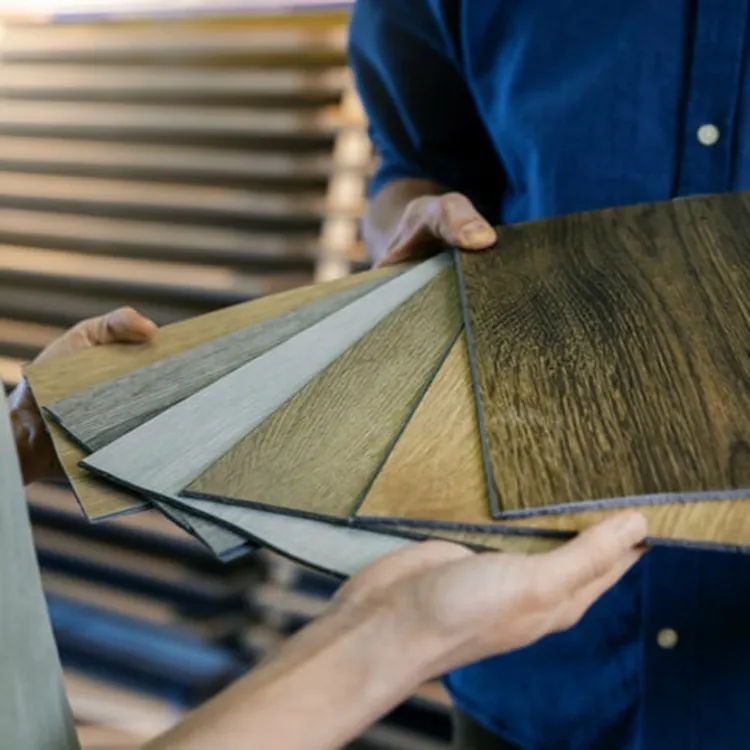
Luxury vinyl plank (LVP) flooring is becoming more and more popular in homes, including bedrooms. It offers a strong balance of comfort, upfront cost, ease of maintenance, water resistance and durability, making it an all-around top performer as a flooring material.
LVP flooring can be a bit noisy, but many options have a preattached subfloor to help deaden sound. You can also add area rugs on top to reduce noise.
Bedroom flooring comfort and noise
Comfort and noise reduction are two of the most important factors to consider when choosing a bedroom flooring material, but you should also think about warmth and the impact of your flooring on your home’s indoor air quality.
Comfort and warmth
Your bedroom is the place you go to relax, unwind and recover, and having a soft, cushioned flooring that’s warm and comfortable underfoot can go a long way toward making the space feel welcoming.
Carpet is, by far, the best option when optimizing for comfort and warmth. It’s the most pleasing material to walk on, especially if you choose a cushioned carpet padding, and it’s never cold underfoot, which makes it more comfortable on cold winter mornings.
However, hardwood is a natural material that can add warmth, making it another popular option for bedroom floors.
“There is a growing interest in authentic hardwood and wall-to-wall carpet,” said Walton. “People are thinking intentionally about how their spaces feel and sound, not just how they perform. Warmth, texture and softness are becoming priorities as people design homes that feel calming and restorative.”
People are thinking intentionally about how their spaces feel and sound, not just how they perform.”
Noise reduction
Optimizing noise reduction in your bedroom can also help improve sleep. Certain flooring options, like carpet, not only deaden sound coming from lower floors but also dampen noises and muffle footsteps.
If you choose harder materials that reflect sound more easily, you can add area rugs to your bedroom to improve comfort and reduce noise. It just won’t be as effective as installing wall-to-wall carpet.
Underlayment and padding options
Those who want more comfort and noise reduction can also consider their underlayment options.
Carpet padding is the most comfortable and noise-reducing underlayment, but it’s only suitable under carpet. Cork underlayment can add cushioning and help reduce noise under engineered wood, laminate and LVP flooring. Rubber and foam underlayment can also be good options that are often more affordable. For the maximum noise reduction benefit, choose a thick underlayment.
Allergies and indoor air quality
You should also consider how your flooring choice will affect overall wellness, including respiratory health. Unfortunately, while carpet is the best option for comfort and warmth, it also traps dust, pet dander and other allergens, and can release them into the air. For homeowners with allergies, this can quickly lead to a less comfortable bedroom experience.
For children with allergies, hard flooring is your best bet because it traps less dust and pet dander than carpet.
All the other bedroom flooring options mentioned above have hard surfaces and are easy to clean, so you’ll have much less of an issue with allergens.
Bedroom flooring durability and maintenance
Most homeowners prioritize comfort, noise reduction and warmth in bedroom flooring, but durability and maintenance also affect how well the flooring holds up over time.
| Flooring type | Scratch and dent resistance | Physical wear resistance | Moisture and spill resistance | Ease of maintenance |
|---|---|---|---|---|
| Carpet | High | Low | Very low | Low |
| Engineered wood | Moderate | Very high | Low | Moderate |
| Hardwood | Moderate | Very high | Low | Moderate |
| Laminate | Moderate | Moderate | Moderate | High |
| Luxury vinyl plank | Moderate | Moderate | Moderate to high | High |
Scratch and dent resistance
Bedrooms are some of the least-trafficked rooms in the home, so some homeowners won’t worry much about their flooring’s resistance to scratching and denting. However, you may want to optimize for this if you’re installing flooring in a child’s room or a room where pets sleep, since drops are more common and pet nails can leave scratches.
Carpet has a low resistance to physical wear, but you won’t see scratches from pet nails or accidental damage like you would on harder surfaces.
Physical wear resistance
Bedrooms are usually places to relax and unwind, so they see minimal foot traffic, and most of the time, they aren’t exposed to abrasive footwear. This is one key reason why carpet, the least durable of all flooring materials, is the most common.
However, consider a more durable material for children’s bedrooms or rooms used by pets, where spills, stains and general wear may be more common.
Moisture and spill resistance
Most homeowners also don’t need to worry much about spills in bedrooms unless they’re installing in a child’s room or one where aging pets may have accidents.
However, you should also consider the moisture resistance of your flooring choice if you’re installing it directly over a concrete foundation. Moisture can wick up through the concrete and lead to mold growth on softer underlayments and carpeting.
Ease of maintenance
Finally, consider how easy it will be to care for and maintain your flooring. Carpet will require frequent vacuuming to remove allergens, as well as occasional shampooing, especially if you have pets. Maintenance can be more time-consuming than the sweeping and mopping you’d do on harder flooring options, like vinyl, engineered wood and laminate.
Wood and engineered wood are relatively easy to clean and maintain, but you will need to refinish them every decade or so. Refinishing can extend their lifespan, though engineered wood can only be refinished a limited number of times because of its thin wear layer.
Bedroom flooring costs and installation
Bedroom flooring costs range from $3 to $20 per square foot, depending on the material. Most homeowners pay $3 to $12 per square foot, which is also the typical range for carpet, the most common bedroom flooring option.
Here’s how costs compare by material:
- Carpet: $3 to $12
- Engineered wood: $6 to $15
- Hardwood: $8 to $20
- Laminate: $3 to $12
- Luxury vinyl plank: $4 to $14
» COMPARE: The best flooring companies
Factors that affect flooring prices
The flooring material you choose is the most impactful cost factor, but here are some other things that can swing your costs up or down significantly:
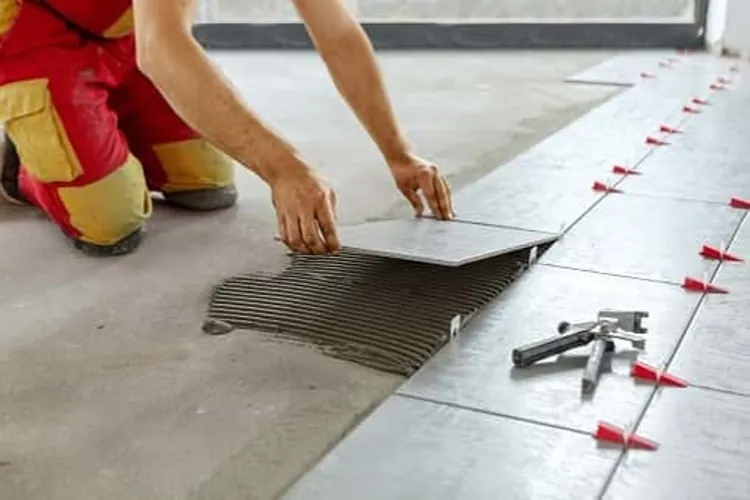
- Professional vs. DIY installation: Labor accounts for close to half of the total installation cost, according to our experts. DIYing your flooring installation can save you between 50% and 70%, on average. However, only laminate and LVP flooring are considered “DIY-friendly,” and even with those materials, mistakes are easy to make.
- Underlayment: The prices above all include standard underlayment options. You might pay more if you’re upgrading to a thicker carpet padding or a sound-dampening cork underlayment.
- Unexpected damage: In some cases, you may need to pay unexpected fees for hidden subfloor repairs. These are relatively uncommon in bedrooms, where there’s a low risk of leaks and moisture, though it’s still possible. According to our experts, subfloor repairs can cost between $2 and $10 per square foot.
- Existing flooring: Most contractors charge between $1 and $4 per square foot to remove and dispose of your existing flooring. Expect to pay closer to the lower end of that range if you have carpet in your bedroom and toward the higher end if you have hardwood.
- Room size and layout: Your total will depend heavily on the room size. Larger rooms have more square footage to cover and come with higher overall prices. The layout of the room also matters; you’ll see higher labor fees if your flooring professional needs to spend more time working around multiple corners, closets or alcoves.
- Location: Labor fees scale with the local cost of living, so you may pay above-average costs per square foot if you live in a more costly state or in a major metropolitan area.
If you’re looking for the cheapest option, carpet and laminate are your best bets at about $3 per square foot.
FAQ
Which floor is good for arthritis?
The best floor for arthritis is carpeting with a thick padding underneath. Carpet provides the most cushion underfoot, which reduces strain and impact on your joints. It’s also not slick, which can be beneficial in homes with aging occupants.
Do people prefer carpet or LVP in bedrooms?
Most homeowners prefer carpet in bedrooms because it’s warm underfoot, offers the most comfort of any flooring material and dampens noise for better sleep. However, LVP flooring is becoming more popular in bedrooms, especially when coupled with a thick underlayment for comfort. LVP is easier to clean, won’t hold onto allergens and lasts significantly longer, so it’s also a great option.
Is waterproof flooring necessary in bedrooms?
Waterproof flooring usually isn’t necessary in bedrooms since there’s typically minimal risk of leaks, spills and moisture. However, you may want a more water-resistant material if you have hot-water baseboard heating or if children or pets who are prone to accidents use the room.
Moisture can also move through a concrete slab from the ground below, so flooring installed directly over concrete may need a moisture barrier.
What flooring works best for bedrooms with pets?
Carpet and LVP flooring are the best options for bedrooms with pets. Carpet is ideal for aging pets since it’s the softest and offers the most traction.
However, LVP flooring is significantly more scratch-resistant and wear-resistant, so it’s the better option in terms of physical durability and longevity when pets are involved.
Article sources
ConsumerAffairs writers primarily rely on government data, industry experts and original research from other reputable publications to inform their work. Specific sources for this article include:
- International Association of Certified Home Inspectors, "InterNACHI's Standard Estimated Life Expectancy Chart for Homes." Accessed July 21, 2026.