

Types of flooring for living rooms
The most common types of flooring for living rooms include hardwood, engineered wood, luxury vinyl plank (LVP), carpet, tile and stone. Each of these materials has strengths and weaknesses, and while there’s no single option that will suit every living room and situation, you can weigh the pros and cons to determine what will work best for your needs.
| Flooring material | Wear resistance | Comfort | Water resistance | Ease of maintenance | Cost per square foot |
|---|---|---|---|---|---|
| Carpet | Very low | Very high | Very low | Low | $3 to $12 |
| Engineered wood | High | Low | Low | Moderate | $6 to $15 |
| Hardwood | High | Moderate | Low | Moderate | $8 to $20 |
| LVP | Moderate | Moderate | Moderate to high | High | $4 to $14 |
| Stone and tile | Very high | Very low | Very high | High | $7 to $40 |
Note: Prices are based on average flooring installation costs.
Carpet
Carpet is a more traditional option for living rooms that provides unmatched comfort and warmth. However, it has fallen somewhat out of favor due to its low wear resistance, especially for homeowners with larger families and those who host frequently. It lasts only eight to 10 years, and if your room sees a lot of foot traffic, its lifespan can be severely truncated.
Carpet is more common in formal living rooms where there’s less activity and little risk of spills. It’s good for reducing joint strain and can provide plenty of traction for aging pets, but it’s somewhat hard to maintain and doesn’t always provide the best appearance, especially as it ages.
“[One] thing people underestimate [with living room flooring] is sound,” said Bailey Walton, vice president of Anderson Tuftex, a flooring company in Georgia. “A hard, bare floor bounces [the sound]. Carpet and rugs absorb it, softening footsteps and echoes and making a [living space] feel calmer the moment you walk in.”
If noise carries easily through your home or your living room is a busy place for children and family activities, carpet may create a quieter, more comfortable space.
Engineered wood
Engineered wood is a more modern option for living room flooring. It looks much better than carpet and is less susceptible to wear. Engineered wood is more popular in living rooms that see heavy activity since it resists physical wear well.
Engineered wood is much more expensive than carpet, but it can last 50 years or more. You can sand and refinish it several times during its lifetime to keep it looking like new.
Engineered wood often comes with an attached underlayment that can enhance comfort and reduce noise. While it’s not as comfortable as carpet, it can feel warmer and cozier than tile or stone.
“Engineered hardwood is being specified more confidently throughout the home than ever before,” said Walton. “Its dimensional stability allows wood to perform well in spaces that were once considered challenging, especially in open-concept layouts where continuity across rooms is key.”
Hardwood
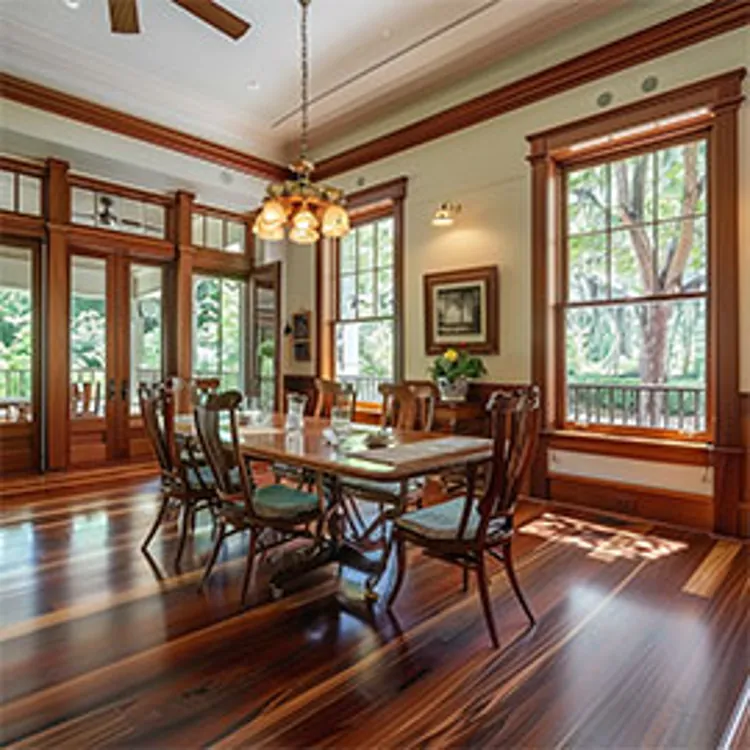
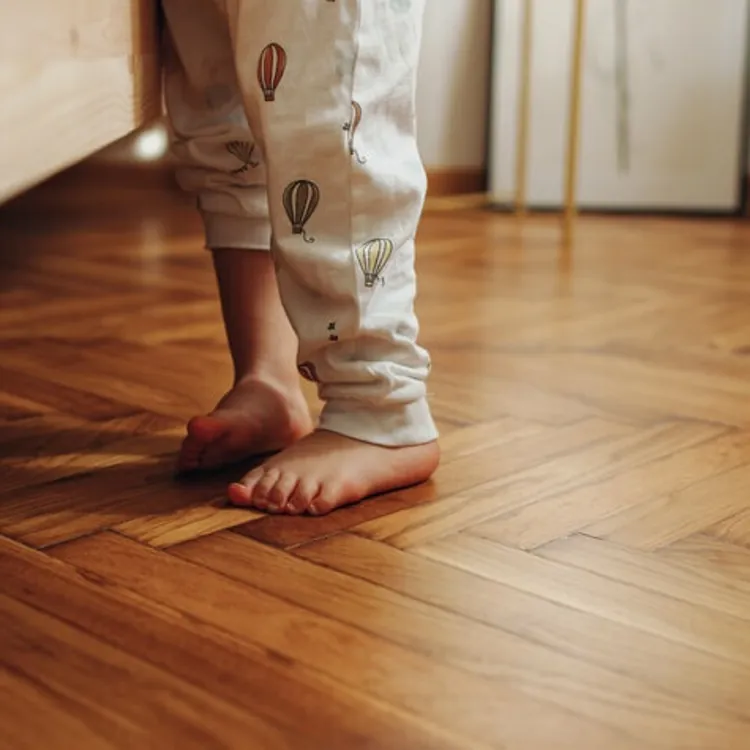
Hardwood is one of the most popular flooring materials for living rooms because it looks beautiful, provides outstanding physical wear resistance and can last for 100 years or longer, even with heavy foot traffic. It’s also easy to clean, although long-term maintenance requires sanding and refinishing to preserve its appearance.
Hardwood can scratch and dent, so it may not be ideal if you have pets or young children, especially if the floor is exposed to dropped dishes, thrown toys or dragged furniture. It can also warp with exposure to moisture, so it’s not ideal if you have baseboard heating that’s prone to leaks, if you have ductless mini splits that can drip on humid days or if you’re installing directly over a concrete foundation, which is prone to moisture wicking up from the soil.
Hardwood doesn’t usually have a thick underlayment, so the floor is indeed hard, which can be uncomfortable, especially for aging joints. It’s warmer than tile and stone underfoot, but it doesn’t provide as much comfort and warmth as carpet.
Luxury vinyl plank flooring
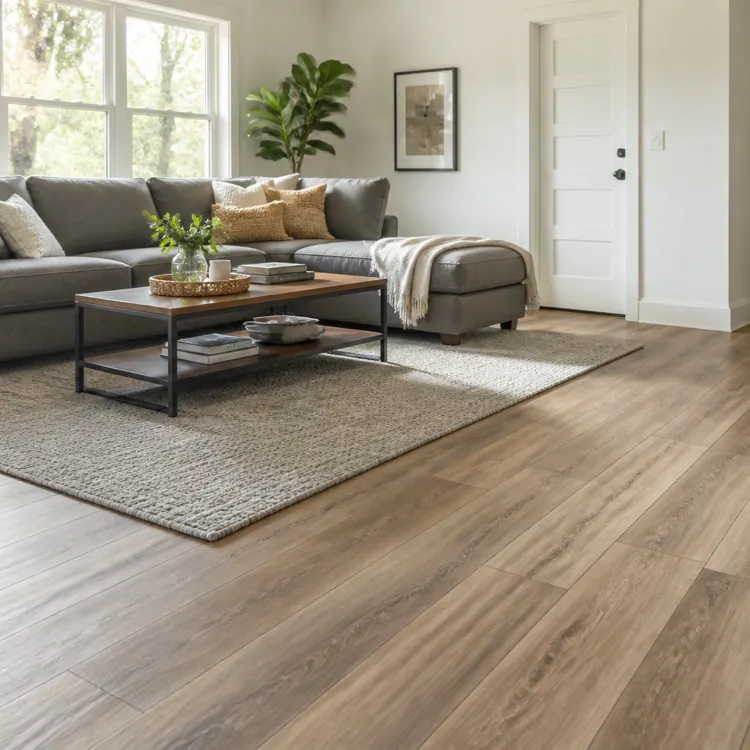
LVPs are an increasingly popular choice for living rooms because they balance visual appeal, affordability, water resistance, wear resistance and longevity very well.
“It's tough, easy enough for homeowners to install themselves and sits in that price range between laminate and hardwood,” said Mike Solomich, sales representative at Quality Hardwoods of Michigan.
LVPs resemble natural wood flooring at a fraction of the cost. The vinyl planks also don’t expand and contract with changes in moisture. While seams can allow water from spills or leaks to reach the subfloor, the flooring itself is entirely waterproof.
High-quality LVPs with a thick wear layer can also stand up to scratching and physical wear like real wood. As such, it’s a good option for living rooms that will see heavy foot traffic, but could also see spills, leaks or changes in moisture and humidity.
LVPs usually have an attached underlayment that can add some comfort underfoot, making the flooring potentially more comfortable than hardwood. The underlayment can also help dampen sound.
Stone and tile
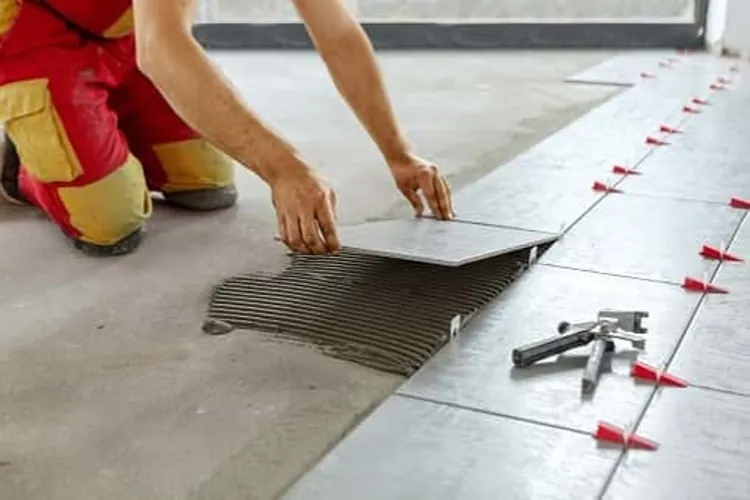
Stone and tile are less common than other flooring materials for living rooms, but they offer the highest wear resistance and a relatively easy cleaning process. This makes them popular options in living rooms that see constant foot traffic, activity from pet nails, shifting furniture and other sources of wear.
Stone and tile have little give underfoot, making them the least comfortable flooring options to walk on. They also don’t muffle sound and can even create a slight echo unless you have area rugs.
Stone and tile are easy to maintain, but the grout lines between them can be tough to clean. When it comes to spills and leaks, however, these flooring options will stand up better than any other materials, making them solid options for homeowners who entertain frequently.
The only other factor to keep in mind is that these materials can be slippery, especially when wet. They offer minimal traction for aging pets and people with mobility issues.
» COMPARE: Top-ranked flooring companies
Living room flooring by lifestyle needs
Another factor that can make choosing your flooring difficult is that the living room is often the most versatile space in the house. Here are a few things you can focus on to find the best fit for your space.
- Durability: Living rooms see more foot traffic than most other spaces, so a floor that lasts a long time and continues to look good under constant use is usually ideal. Tile and stone are the most durable, but hardwood is also a great material, with a lifespan of 100 years or more.
- Comfort: The space sees a lot of traffic, so it’s important that your living room is comfortable. Hardwood, engineered wood and LVP provide a good blend of durability and comfort.
- Appearance: The living room is often where you entertain guests, so appearance matters. Hardwood offers a natural look, while engineered wood and LVP provide similar styles at a lower cost.
- Allergens: Carpet can trap dust, pet dander, pollen and other allergens. Hard flooring is generally easier to keep free of these particles.
- Maintenance and cleaning: LVP is usually the easiest option to maintain. Grout can be difficult to clean, while hardwood and engineered wood may warp if exposed to too much moisture.
- Pets: For younger pets, hard surfaces like tile and stone make cleaning easy, standing up well to potty training accidents, water from drinking bowls and muddy paws. For older pets, carpet offers better traction and a softer place to rest.
- Children: Softer materials like carpet can cushion falls, while LVP or engineered wood balances comfort with easier cleaning. Tile and stone are harder underfoot, so falls may cause more serious injuries.
- Radiant floor heating: Although you’ll need to check that any flooring product is approved for radiant heat before installation, tile is usually best because it conducts and stores heat well. Carpet and thick padding can reduce heat transfer, while wood may expand, contract or dry out with temperature changes.
Luxury vinyl flooring for living rooms
You have two main options for vinyl flooring in living rooms: LVP and luxury vinyl tile (LVT).
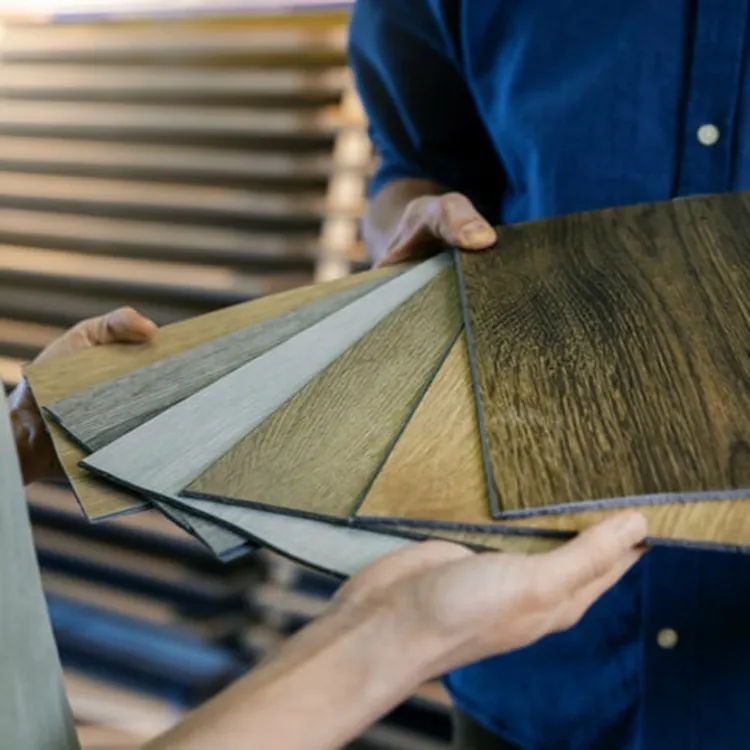
LVP usually resembles wooden planks and is often made with a wood-plastic composite core containing wood fibers. LVT flooring usually looks like natural stone, ceramic or porcelain tiles, and it typically has a stone-plastic composite core that’s more rigid.
Vinyl flooring is an increasingly popular option for living room floors because it blends affordability, physical wear resistance, water resistance and visual appeal better than any other material.
| LVP | LVT | |
|---|---|---|
| Lifespan | 25 years | 25 years |
| Wear resistance | Moderate | Moderate |
| Water resistance | Moderate to high | Moderate to high |
| Appearance | Wood planks | Stone tiles |
| Comfort | Low to moderate | Low |
Best thickness and wear layer
For a high-traffic living room, choose vinyl flooring with a wear layer of at least 12 mil. Thicker wear layers provide better protection from foot traffic, pet nails and moving furniture. Core thickness typically ranges from 4 to 8 millimeters and affects how solid the floor feels, but the wear layer is more important for durability.
Installation options and underlayment
Click-lock LVP can be installed as a floating floor, making it suitable for experienced DIYers. Glue-down flooring is more difficult to install and may require a professional. Foam, cork or rubber underlayment can add cushioning, reduce noise or improve moisture protection, but check the manufacturer’s requirements before adding it.
Hardwood vs. engineered wood for living rooms
Hardwood and engineered wood are both strong living room options because they offer a natural look, good wear resistance and long lifespans. Hardwood is the better choice for maximum longevity and refinishing potential, while engineered wood may work better if you want a lower upfront cost, slightly more stability and added comfort underfoot.
Hardwood can last 100 years or more and can be refinished many times. Engineered wood typically lasts about half as long and can only be refinished a limited number of times, but its layered construction makes it less likely to expand and contract with temperature or humidity changes.
“The layered construction [of engineered wood] doesn't expand and contract the way solid wood does, so it holds up better in most living spaces,” said Solomich.
| Hardwood | Engineered wood | |
|---|---|---|
| Lifespan | 100 years | 50 years |
| Wear resistance | High | High |
| Water resistance | Low | Low |
| Comfort | Low | Low to moderate |
Hardwood is usually the better choice if longevity, refinishing potential and home value matter most. Engineered wood costs less upfront, handles humidity changes better and may feel softer underfoot with an attached underlayment.
Best finishes for busy rooms
For high-traffic living rooms, oil-based polyurethane generally offers stronger protection against scratches, wear and moisture. Water-based polyurethane dries faster, produces less odor and stays clear over time, but it may require refinishing sooner.
Satin and matte finishes hide scratches better than high-gloss finishes, making them practical choices for busy living rooms.
FAQ
What flooring never goes out of style?
Hardwood flooring and tile are two flooring options that have never gone out of style. Hardwood is more common in living rooms and bedrooms, while tile is a more popular flooring material for bathrooms and kitchens. Keep in mind that colors, finishes and tile sizes can go in and out of style, even when the flooring material itself remains popular.
What is the most durable flooring for high-traffic living rooms?
The most durable flooring options for high-traffic living rooms include tile and natural stone floors, which can withstand extreme foot traffic, pet nails, spills and drops. Tile and natural stone are less common in living rooms due to their lack of comfort and warmth. LVPs are an increasingly popular option for living rooms, as they stand up well to wear but also offer some comfort and warmth underfoot.
How do I choose between hardwood and luxury vinyl for my living room?
To choose between hardwood and LVP for your living room, you should consider longevity, durability, upfront cost and your personal style preferences. Hardwood lasts about four times as long and can maintain a like-new look with regular refinishing. Vinyl is more affordable and more comfortable, but you’ll need to replace it more often, especially in high-traffic areas.
Can I install laminate flooring over existing tile in a living room?
Yes, it’s possible to install laminate flooring over existing tile, and doing so can save you money on removing the old floor and preparing the subfloor. However, it’s usually best to remove your old floor before installing the new one. Doing so will help identify potential issues with your subfloor, fix any moisture issues and choose a glue-down installation method for your laminate flooring that will feel better and shift less under foot traffic.
Article sources
ConsumerAffairs writers primarily rely on government data, industry experts and original research from other reputable publications to inform their work. Specific sources for this article include:
- International Association of Certified Home Inspectors, “InterNACHI's Standard Estimated Life Expectancy Chart for Homes.” Accessed July 21, 2026.
- Superior Hardwoods of Montana, “Hardwood Floor Finishes: A Complete Guide To Each Type.” Accessed July 21, 2026.