

Carpet installation cost per square foot
The average cost of carpet installation is between $3 and $12 per square foot, making carpeting one of the most affordable types of flooring. Materials account for between 50% and 70% of the price, putting padding and carpeting costs between $1.50 and $9.50 per square foot. Labor makes up the rest, costing between $1 and $2.50 per square foot.
A few things can influence material costs, which generally have a greater impact on the total price tag than labor.
- Carpet material: Carpet is available with natural fibers — usually wool — and synthetic fibers, which include polyester, nylon and acrylic. Wool and acrylic carpeting typically push prices into the upper end of the material cost range. Polyester and nylon are more affordable flooring types that are likely to fall closer to $1.50 per square foot for materials only.
- Carpet quality: The density of the fibers, which refers to how closely they’re packed, affects the comfort and feel of the material. But a higher density also increases the cost. You also need to think about the pile type. While cut pile and loop pile carpets are more or less the same price, loop pile carpets tend to last longer and contribute to a lower long-term cost.
- Padding quality: The padding you choose for your carpet can also affect pricing. Thicker padding is more comfortable to walk on and takes more pressure off of your joints, but thicker material is usually more expensive. Padding can affect long-term costs, too, as thicker padding often helps carpet stand up to physical wear. Most carpet installations include padding, but you may need to pay a bit extra per square foot if you want to upgrade to a thicker material.
Some flooring companies advertise carpet prices based on the cost per square foot for the materials only, but this is just a portion of what you’ll actually pay. Make sure to also consider labor costs and the factors that influence them.
Carpet installation cost factors to know
On average, labor costs for carpet installation are between $1 and $2.50 per square foot. But your price can fall outside that range, depending on a few key factors:
- Room complexity: A room’s layout can make installation more time-consuming and labor-intensive, which can drive up labor fees beyond the typical range. Expect higher costs if your carpet installer needs to cut around multiple closets, bump-outs, obstructions and angles. This can also lead to more material waste, which may push your all-in costs higher.
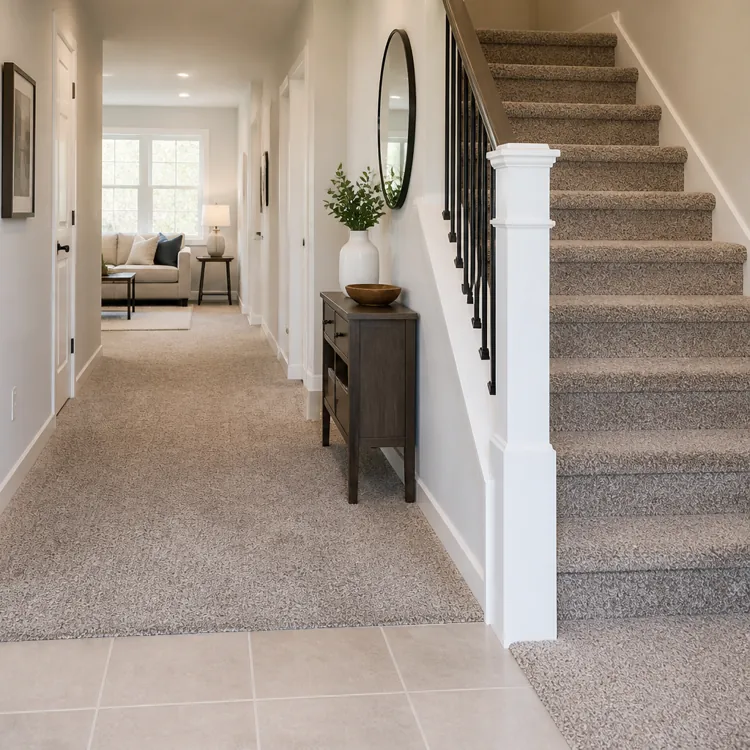
- Stairs and transitions: Installing carpet on stairs is much more time-consuming than it is on a flat surface, so professionals usually charge separately for stairs, leading to higher prices. Expect to pay up to $600 to carpet a standard staircase. You’ll also pay separately for room transitions such as marble, aluminum or oak, so make sure to ask your pro what each transition will add to your total bill.
- Room prep: You’ll see a bump in labor fees if you need the flooring professionals to move furniture before beginning installation. Some installers may not offer this service.
- Old floor removal: Expect to pay between $1 and $4 per square foot for the pro to remove and haul away your old flooring. Prices will sit closer to the lower end of that range for light materials that are easy to rip up, such as carpet. They’ll climb closer to $4 per square foot for hardwood, tile or stone.
- Subfloor condition: The flooring professional may uncover hidden damage to your subfloor; this is most common if there have been leaks in the room. Repairs can cost between $2 and $10 per square foot. Leveling a subfloor can cost between $2 and $8 per square foot, but this is mostly applicable when you choose flooring materials that are rigid and require a perfectly flat base for installation, such as tile and stone.
- Finish work: Many flooring professionals charge extra to remove and reinstall baseboard trim before and after the carpet goes down. If you’re not comfortable doing this work yourself, expect to pay between $2 and $6 per linear foot.
- Local labor rates: Labor costs can vary based on your location, as they usually scale with the local cost of living. Expect prices to climb higher in major cities and in states that have a high cost of living, such as Hawaii, California and New York.
Carpet installation cost by room type
Flooring installation costs are more or less the same across room types, but they fluctuate based on square footage and room complexity. However, some things about carpet in certain rooms can play a role in pricing.
- Carpeting a bedroom: Bedrooms are usually simple and rectangular, making a standard cost per square foot a good estimate. However, bedrooms with chimneys, multiple closets or built-in furniture can cost more due to the more complicated installation.
- Carpeting a living room: Living rooms often have multiple entrances, so you’ll have to budget for several transitions, which can drive your costs higher. This is especially true if you have French doors leading off of the room or an open floor plan; both of these call for unusually long transitions.
- Carpeting a hallway: Carpeting a hallway tends to be a bit more expensive on a per-square-foot basis because hallways see a lot of foot traffic, so you’ll want high-quality carpet and padding that can stand up to constant use. More robust materials usually mean higher prices.
- Carpeting a basement: Carpet can be problematic in basements due to the risk of moisture and mold growth, so you should budget extra for a good dehumidifier to keep the space dry. You’ll also likely need to pay extra for a moisture barrier under the carpet padding to help manage moisture coming up through the concrete. Thicker padding is also a good idea, as you’re more likely to feel imperfections on hard concrete floors through standard padding and carpeting. You may want to consider carpet tile installation rather than traditional carpet, as tiles are easier to repair if a portion of the floor gets wet.
Typical cost to install carpet by room
The table below can give you a rough idea of what carpet will cost in different rooms in your home. But remember that square footage, carpet quality and other factors can affect these prices.
| Typical size (sq. ft.) | Typical cost to install carpet | Common add-ons/cost considerations | |
|---|---|---|---|
| Basement | 1,200 | $3,600 to $14,400 | Consider adding a moisture barrier and upgrading to a thicker padding |
| Bedroom | 130 | $390 to $1,560 | Thicker padding adds to comfort and noise reduction |
| Hallway | Varies widely | Varies widely | Upgrade to a durable carpet material that can stand up to foot traffic |
| Living room | 220 | $660 to $2,640 | Consider a durable carpet material and a thick padding to stand up to foot traffic |
| Whole home | 1,840 | $5,520 to $22,080 | Consider the cost of other materials better suited for kitchens and bathrooms |
Carpet installation quotes and free measurements
Carpet installation costs can vary widely based on material, room complexity, local labor rates and more, so it’s always best to get formal estimates from local flooring installers before committing. Pros will not only get the most accurate measurements, but they’ll also account for waste and anything that complicates the installation process and drives up costs.
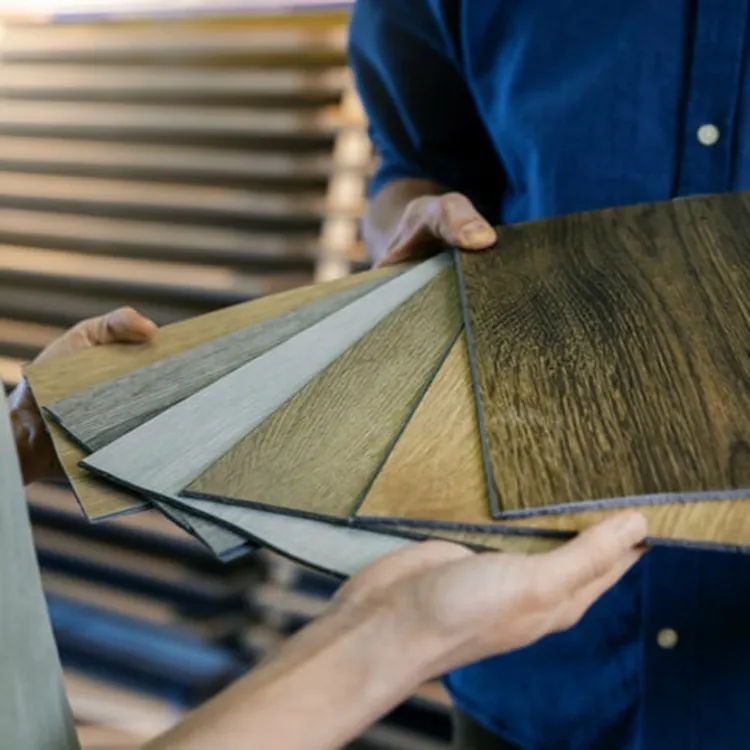
Most installers will measure your space and provide a quote for free, so collecting a few to compare is a good way to get the most value for your money. You can start by contacting local installers to schedule measurements. A professional should then come to assess your space, and many will bring carpet samples for you to compare.
Your professional should take measurements and then send a written estimate once they’ve priced out your project. Here’s what you should look for in a carpet installation quote to compare accurately:
- Material breakdown: The quote should include very specific carpet details, such as brand, color, density, pile type and fiber type. Ideally, your pro will include a specific model number for the carpet they plan to install.
- Padding options: Similarly, your pro should include details about the padding, including thickness and density. Most reliable professionals include a brand and model number here as well.
- Removal and disposal fees: Make sure the estimate includes fees to remove and dispose of your old flooring, or specifies that this service is included in the total.
- Furniture removal: If applicable, make sure the quote includes the cost for professionals to move furniture out of the room before they begin installation.
- Transitions: The quote should include the number of transitions you need, as well as the type of transitions, the labor cost to install them and the cost per linear foot for materials.
- Labor costs: Make sure the estimate breaks down labor fees. Companies that don’t do this may install cheaper materials and inflate labor costs to turn a bigger profit.
- Warranty coverage: The estimate should include warranty details, including the timeline of the manufacturer’s warranty and any labor warranty from the installer. Note the length of the warranty and specific information about what is and isn’t covered.
- Timeline expectations: The quote should include an estimated timeline for the project, including how long delivery should take and when the pro expects to finish installation.
Questions to ask installers
While interviewing flooring installers to find the right one for your project, consider asking the following questions to help narrow down your options and get the best value:
- Are you licensed and insured? Always choose a flooring installer who holds a proper license — which is usually a general contractor’s license — as well as general liability insurance and workers’ compensation insurance.
- How many years of experience do you have? Aim to go with an installer who has at least a few years of experience to get the best results.
- Do you have references? Call past clients to ask how the installation went, what kind of customer service they received and how their flooring has held up over time.
- Do you offer a labor warranty? The most reliable flooring installers will offer a labor warranty in addition to the manufacturer’s warranty. Labor warranty specifics vary, but any coverage is a good sign that the installer is willing to stand behind their work.
- Do you charge for measurements and estimates? The industry standard is to provide free measurements and estimates. A company that charges for these services isn’t necessarily unreliable, but it’s probably best to hire a pro that does this upfront work at no cost.
- Do you use a power stretcher? Power stretchers are machines that pull carpet taut to reduce the risk of wrinkling over time. For carpet longevity, try to go with a company that uses a power stretcher on installations.
FAQ
How much does it cost to carpet a 12 ft. by 12 ft. room?
The average cost to carpet a 12 ft. by 12 ft. room is between $430 and $1,725, based on the average cost per square foot of $3 to $12. The exact price can vary depending on material, padding thickness, room complexity and more. Have a professional measure your space and provide a formal estimate to get a better idea of what your specific project will cost.
What is the cheapest place to buy carpet?
The cheapest place to buy carpet is usually either a home improvement store, such as The Home Depot or Lowe’s, or directly through a local carpet installer. If you’re buying the material yourself from a retailer, pay close attention to the quality — a low price can sometimes mean low quality. Ideally, you should order carpet through your installer; they may be able to get contractor discounts that help reduce material costs.
What is the average lifespan of carpet?
The average lifespan of carpet is between eight and 10 years, making it one of the least durable flooring materials. The life you get from your carpet depends on foot traffic, the presence of pets, the fiber material, the pile type and the thickness of the padding underneath. Speak with your carpet installer about the ideal materials for maximizing flooring lifespan in your space.
How much does Home Depot charge to put in carpet?
The Home Depot charges an average of between $2.70 and $5.70 per square foot to put in carpet. That includes $1 to $4 per square foot for the carpet itself, $1.01 per square foot for the padding and $0.69 per square foot for the labor. Your actual costs will depend on the room size and complexity, as well as the carpet material and more, so you should get a formal estimate before committing to a project.
Bottom line
The average cost to install carpet is between $3 and $12 per square foot, or between $390 and $1,560 for an average-size bedroom. Exact costs depend on the carpet quality, pile type, fiber choice, room complexity, subfloor condition and more. For the most accurate estimate, have a local flooring company measure and write a formal quote.
Article sources
ConsumerAffairs writers primarily rely on government data, industry experts and original research from other reputable publications to inform their work. Specific sources for this article include:
- FlooringStores, "Cut Pile vs. Loop Pile Carpet: Everything You Need to Know." Accessed July 31, 2026.
- Carpet Exchange, "Carpet Installation Cost in 2026: Full Breakdown." Accessed July 31, 2026.
- Federal Reserve Bank of St. Louis, "Housing Inventory: Median Home Size in Square Feet in the United States." Accessed July 31, 2026.
- Sleep365, "Average Bedroom Size: Master & Standard (with Mattress Sizes)." Accessed July 31, 2026.
- Snaidero America, "Ideal Living Room Size Guide: Dimensions, Layout & Functionality." Accessed July 31, 2026.
- International Association of Certified Home Inspectors, "InterNACHI's Standard Estimated Life Expectancy Chart for Homes." Accessed July 31, 2026.
- The Home Depot, "Carpet Installation Cost Guide." Accessed July 31, 2026.