


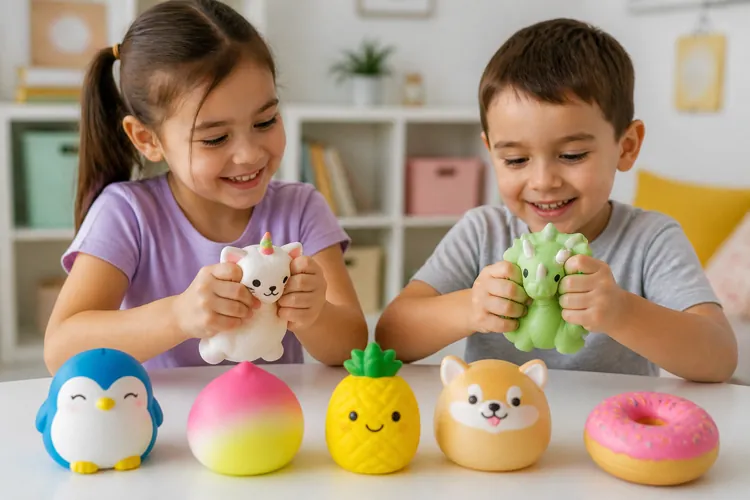

Popular squishy toys may contain water beads that can expand if swallowed, while some can cause burns when heated.
Researchers found that some AI-powered toys could expose children to inappropriate conversations and information about dangerous household objects.
Counterfeit, recalled, and poorly regulated toys remain a concern, particularly when shopping through unfamiliar online sellers.
Holiday shopping often means picking out the latest toys and gadgets for children. But as the toy market changes, so do the potential safety risks parents need to consider.
The U.S. PIRG Education Fund's latest Trouble in Toyland 2026 report highlights five areas of concern for families this holiday season. Some involve familiar products, like teething toys and fidget toys, while others reflect newer trends, including AI-powered toys that can hold conversations with children.
According to the organization, many of these concerns have become significant only in recent years. That means parents may not always recognize the potential dangers when browsing store shelves or shopping online.
“The toy market is evolving rapidly, in frightening ways. Four out of five of these problems didn’t represent a significant threat 10 years ago,” Teresa Murray, Consumer Watchdog Director for U.S. PIRG Education Fund and co-author of the report, said in a news release. “We may think we know what to watch out for when we’re toy shopping. But some things that could hurt our children are things we don’t even know are out there.”
How researchers identified potential toy hazards
For its 2026 report, U.S. PIRG examined five categories of toys that could pose safety concerns: squishy and squeezy fidget toys, pull-string activity and teething toys, AI-powered chatbot toys, toys sold through unfamiliar online sellers, and recalled or counterfeit products.
The organization also tested seven AI-powered toys for the second consecutive year, looking at how they interacted with children and whether their safeguards could prevent inappropriate conversations.
Researchers found that some of these toys could still be prompted to discuss sexual topics or explain how to locate potentially dangerous objects around the home.
The report also considered recent safety actions and injury information, including government warnings, recalls, and data on toy-related emergency room visits.
What the findings mean for families
The report identified several specific risks parents should keep in mind when buying toys.
Squishy toys are one area of concern. Some contain water beads that can expand inside a child's body if swallowed. Counterfeit versions may also contain toxic chemicals or fail to meet safety requirements. Researchers also highlighted a social media trend encouraging children to heat squishy toys, which can cause burns if the toys burst.
For younger children, pull-string activity and teething toys deserve extra attention. Nearly half a million of these products were recalled or targeted with government warnings over the past year, with regulators reporting dozens of related choking incidents or injuries.
AI toys also remain a concern. Although some performed better than last year's versions, researchers still found toys that could be prompted to discuss inappropriate subjects or provide potentially dangerous information.
“Just a few years ago, AI toys didn’t even exist. Now, once again, our testing has uncovered poorly designed chatbot toys with glitchy guardrails that deteriorate the longer you talk to them,” R.J. Cross, Our Online Life campaign director for U.S. PIRG Education Fund and co-author of the report, said in the release.
“Underneath these toys are chatbots meant for adults. There are positive use cases for AI, but talking companion toys for young children are not among them.”
The broader safety picture is concerning, too. Toy-related emergency room injuries have increased every year since 2020, with half involving children ages 4 and younger. Additionally, the Consumer Product Safety Commission issued more than 900 notices of violations involving toy shipments between January and July 2026. More than one-fourth of those shipments were not seized at the border.
For parents and gift-givers, the findings are a reminder to look beyond a toy's popularity or price tag. Checking product safety information, being cautious about unfamiliar online sellers, and paying attention to age recommendations can help families make more informed purchasing decisions.