



Food producer prices rose 1.3% in October, suggesting continued upward pressure on grocery bills.
Vegetables and chicken posted sharp increases, while lower producer prices for pork, eggs and fresh fruit offered some encouraging signs.
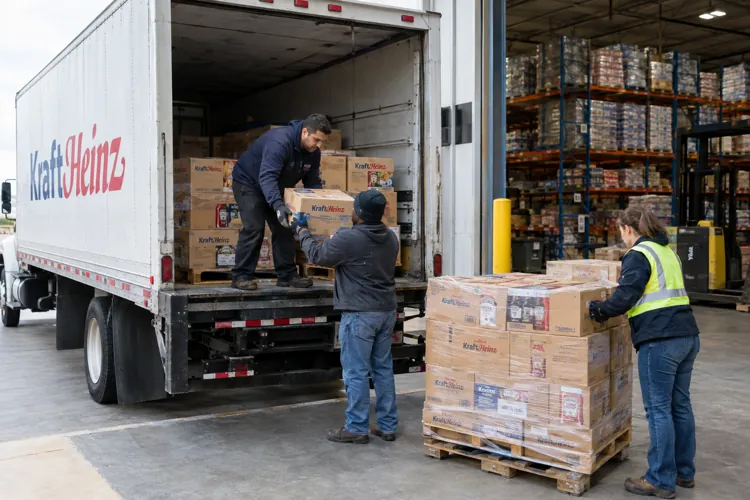
Diesel prices declined, but trucking charges continued to climb, complicating the outlook for food distribution costs.
Food prices at the retail level surged last month. In more bad news for consumers, prices also rose sharply at the wholesale level, suggesting there could be more pain ahead. Food prices accelerated before reaching store shelves, even as some agricultural commodities and fuel became cheaper.
The Bureau of Labor Statistics reported that final-demand food prices rose a seasonally adjusted 1.3% in October, following September’s 1.1% increase. Those back-to-back gains followed three consecutive monthly declines, suggesting renewed pressure on the food supply chain.
The PPI measures prices received by domestic producers, while the Consumer Price Index measures prices paid by consumers. That makes producer prices useful for examining conditions upstream from the checkout counter, although the two indexes cover different transactions and do not move in lockstep.
Vegetables and chicken stand out
Fresh and dry vegetable producer prices jumped 26.7% in October after a 30.7% increase in September. Processed young chicken prices rose 10.8%, reversing the previous month’s decline.
Other increases were smaller but reached familiar grocery purchases. Beef and veal rose 1.3%, roasted coffee increased 2.5%, and dairy products advanced 0.7%.
However, several categories moved lower. Pork prices fell 5.8%, eggs for fresh use dropped 8.8%, and fresh fruits and melons declined 1.8%. Despite the recent monthly acceleration, the overall final-demand food index was just 1.7% above its year-earlier level.
The implications for shoppers are uneven. The figures suggest greater risk of increases in certain departments, rather than evidence that every item in the grocery cart is headed sharply higher.
Cheaper diesel hasn’t brought cheaper trucking
Transportation provided another reason for caution. Diesel producer prices fell 7.9% in October, but prices for truck transportation of freight increased 3.9%. Overall final-demand transportation and warehousing prices rose 2.0%.
That combination suggests a monthly fuel-price decline alone may offer limited immediate relief to food distributors. The report does not establish why trucking charges rose or how much those increases will affect supermarket prices.
Earlier stages of production also sent conflicting signals. Processed foods and feeds rose 1.0%, while unprocessed foodstuffs and feedstuffs slipped 0.2%. Corn, wheat and slaughter hog prices declined, but raw milk increased 8.2%.
Lower commodity prices could eventually help restrain some food costs if those declines persist. Higher milk and processed-food prices point in the opposite direction.
For household budgets, October’s report supports a cautious outlook: Further grocery increases remain a risk, especially in categories showing large producer-price jumps. But it does not provide a timetable or a reliable percentage forecast for supermarket inflation. Retail competition, business costs and pricing decisions will help determine how much of the pressure reaches consumers.