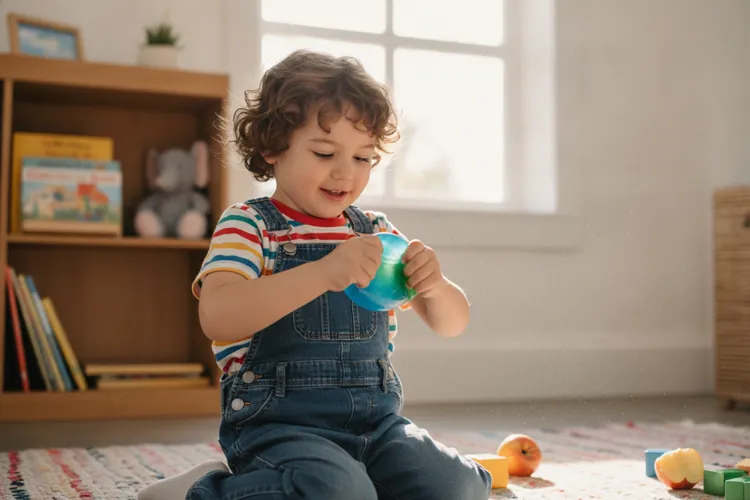

A social media trend encourages kids to microwave squishy toys, which can cause serious burns if the toys burst.
Fake and counterfeit versions may contain hazardous chemicals, water beads, or other materials that don't meet federal safety requirements.
Parents can help by checking the seller and packaging, inspecting toys for damage and keeping squishies away from heat.
Squishy toys may look harmless, but a social media trend involving these popular collectibles has prompted new safety warnings. Videos circulating online show children and teens putting squishy toys in microwaves to watch them expand, change texture or burst. But heating these toys can cause their contents to become extremely hot, creating a serious burn hazard.
Johns Hopkins Medicine warns that if a heated toy breaks or explodes, its contents can shoot onto the skin, face, or eyes. Those burns can lead to significant health risks.
“Many children watch these videos online and think they’re harmless. What they don’t realize is that these burns can leave permanent scars and could require surgery or even skin grafts,” Alejandro Garcia, M.D., director of the Johns Hopkins Children’s Center Pediatric Burn Program, said.
“No online challenge is worth a trip to the hospital.”
The U.S. Consumer Product Safety Commission (CPSC) is also warning about fake and counterfeit squishy toys that may not meet federal safety requirements for children's products.
Why some squishy toys can be dangerous
Some squishy toys contain water beads, gels, liquids, powders, or sand. If the outer covering tears or bursts, children can come into contact with the filling.
Water beads can also expand if swallowed, potentially causing intestinal blockages, choking, aspiration, or injuries if they're inserted into the nose or ear.
Counterfeit toys may also contain excessive levels of lead, prohibited phthalates, or other hazardous chemicals.
Heat is another concern, even outside the microwave. Squishy toys can become dangerously hot when they're left in direct sunlight, inside a hot vehicle, or near a heater. If a heated toy bursts, its sticky filling can adhere to skin and continue transferring heat, potentially worsening a burn.
How to keep children safe
The CPSC shared some tips for parents to help keep their children safe while playing with these popular toys:
Know the seller. Purchase toys from reputable retailers and verified sellers with clear contact and return information.
Beware of bargains. Prices substantially below those charged by established retailers may signal a counterfeit or substandard product.
Check the packaging. Avoid products with misspelled words, poor-quality printing, missing manufacturer or importer information, or no age grading or safety warnings.
Inspect the toy regularly. Stop using any toy that is torn, punctured, leaking, sticky, unusually soft, discolored, or beginning to deteriorate.
Keep damaged toys away from children. Do not allow children to touch, swallow, inhale, or play with material released from a toy.
Keep toys away from heat. Never microwave or intentionally heat squishy toys. Do not leave them in hot cars, prolonged sunlight, near heaters, or on other hot surfaces.
Use caution during cleanup. Avoid direct skin contact with material released from a heated or burst toy.
Follow age restrictions. Keep toys containing small parts or ingestible materials away from young children.
“If a burn does occur, cool the area with cool water for about 20 minutes. Do not use ice, butter or other home remedies. Then, seek medical attention,” says Dr. Garcia. “Parents should also talk to kids about the danger of these trends. If an online video tells them to heat, set fire to, or modify a toy, they should simply not do it.”