



Knives and other cutlery were associated with more than 400,000 emergency room visits in 2024, according to the Consumer Product Safety Commission.
Simple precautions, like using a stable cutting board and keeping knives sharp, can help prevent Thanksgiving kitchen injuries.
Knowing how to control bleeding and recognize warning signs can help you respond quickly if someone gets cut.
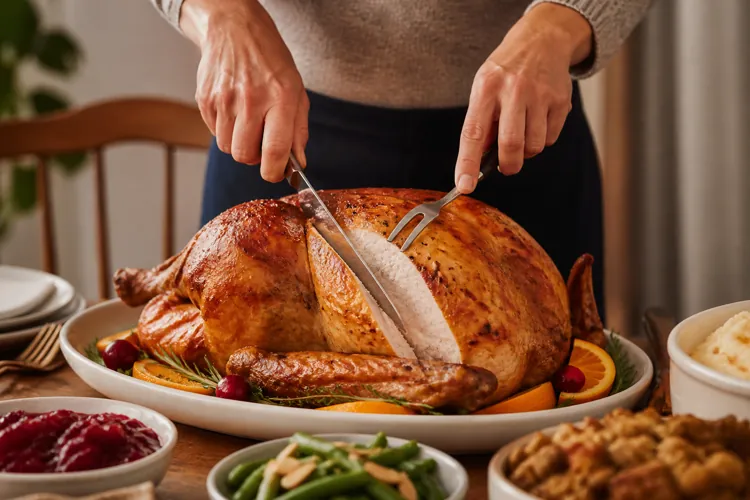
Thanksgiving dinner involves plenty of chopping, peeling, slicing, and carving. With so much happening in the kitchen, it's easy for an accident to happen, even if you're comfortable handling a knife.
According to the Consumer Product Safety Commission (CPSC), knives and other cutlery were associated with more than 400,000 emergency department visits in 2024. While that number includes injuries outside the kitchen, it highlights how frequently knife-related accidents occur.
David S. Shapiro, M.D., FACS, chair of the American College of Surgeons' Stop the Bleed program and a Connecticut-based trauma surgeon, says food-focused holidays can bring an increase in injuries.
“Emergency departments often see spikes in injuries around food-centric holidays like Thanksgiving,” Dr. Shapiro said in a news release. “Preventing cuts starts with understanding how they happen and planning ahead. If an injury does occur, knowing how to control the bleeding and when to seek care can help people respond promptly.”
Small kitchen habits can help prevent cuts
One of the easiest ways to reduce the risk of injury is to create a safe space for food preparation. Shapiro recommends preparing ingredients ahead of time and choosing a stable area where other people won't accidentally bump into you.
A few other precautions can make a difference:
Always use a cutting board, particularly when working with round foods that can roll.
Curl your fingers away from the knife blade while cutting.
Avoid cutting toward your hand.
Keep knives out of sinks filled with soapy water, where someone might reach in without seeing the blade.
Use properly sharpened knives, since dull blades require more force and can slip.
Wear appropriate clothing and shoes while preparing food.
If you do get cut, the first priority should be controlling the bleeding. Apply firm, steady pressure with a clean cloth or gauze. Avoid repeatedly lifting the material to check the wound. If bleeding is heavy or doesn't stop, call 911 and maintain pressure until help arrives.
Once bleeding is under control, rinse away food or debris with running tap water. Minor cuts can be cleaned with soap and water before being covered with a bandage or gauze.
Know when a kitchen cut needs medical attention
Not every cut requires an emergency room visit, but some injuries shouldn't be brushed off, especially during a busy holiday gathering.
Shapiro recommends seeking medical attention if bleeding continues despite firm pressure, a wound is deep or gaping, fatty tissue or bone is visible, or a finger becomes numb or difficult to move.
Blood that spurts from a wound or soaks through clothing can also indicate serious bleeding that requires emergency care.
People taking blood thinners should be especially mindful because their wounds may take longer to stop bleeding. A medical professional can also determine whether a tetanus booster is necessary based on the injury and vaccination history.
For more serious injuries, the American College of Surgeons encourages people to learn basic bleeding-control techniques through its free Stop the Bleed program. Training covers applying direct pressure, packing a wound, and using a tourniquet when appropriate.
Taking a few minutes to prepare your kitchen and understand basic first aid could make a stressful Thanksgiving accident much easier to handle.
“As a trauma surgeon, I want everyone to enjoy the holidays and stay safe,” Dr. Shapiro said. “Knowing how to respond calmly and apply these techniques to a bleeding injury can help people feel more prepared for the unexpected.”