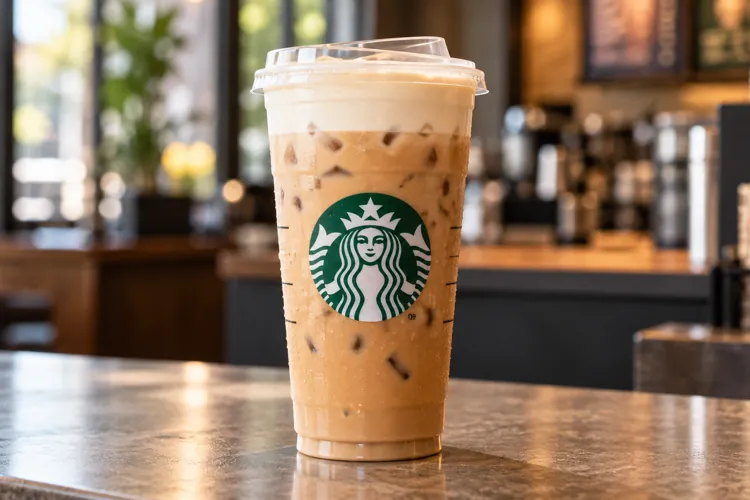

A proposed class-action lawsuit accuses Starbucks of misleading consumers by naming eight protein beverages “sugar-free” despite their sugar content.
The complaint alleges the drinks contain 13 to 21 grams of sugar per venti serving, largely from naturally occurring sugar in milk.
Starbucks disputes the allegations, saying it clearly discloses nutritional information and uses sugar-free syrups in the beverages.
Starbucks is facing a proposed class-action lawsuit alleging that eight of its protein beverages are misleadingly marketed as “sugar-free” even though they contain substantial amounts of naturally occurring sugar.
Filed Oct. 2 in the U.S. District Court for the Western District of Washington, the lawsuit challenges the names of the company’s vanilla and caramel protein lattes and protein matcha drinks, including their iced versions. The plaintiffs allege the beverages contain between 13 and 21 grams of sugar per venti serving.
The dispute centers on whether consumers would understand “sugar-free” to describe the entire beverage or simply the syrup used to flavor it. The drinks contain milk, which supplies lactose, a naturally occurring sugar, according to the complaint.
The three consumers bringing the case purchased the beverages in California, New York, and Washington. Their attorneys argue that the product names are deceptive even when nutritional information is available elsewhere.
What the lawsuit alleges
The plaintiffs contend Starbucks’ beverage names violate federal labeling standards and state consumer protection laws.
Federal regulations generally require products bearing a “sugar-free” claim to contain less than 0.5 gram of sugar per labeled serving and per reference amount customarily consumed. The regulations establish separate requirements for “no added sugar” claims, recognizing that a product can contain sugar naturally present in its ingredients.
The lawsuit also alleges Starbucks failed to include required calorie disclaimers. Under the federal rule, a sugar-free claim must be accompanied by an appropriate disclaimer when the product does not qualify for specified low-calorie or reduced-calorie labeling.
The consumers, represented by Hagens Berman and Sterlington PLLC, seek compensation for purchases and a court order requiring changes to the allegedly misleading marketing. Those requests remain allegations and demands for relief, rather than findings that Starbucks violated the law.
Starbucks rejects the claims
Starbucks says the sugar comes from its protein-boosted milk, that it does not add sugar to the beverages, and that the flavoring syrups are sugar-free.
“We believe these claims have no merit,” a Starbucks spokesperson said.
The company said it consistently provides information about ingredients, customization options, and nutritional content through its menus, marketing, website, and app, and intends to defend itself vigorously.
For consumers, the case highlights a distinction worth checking before ordering: sugar-free syrup does not necessarily produce a beverage without sugar. Milk and other ingredients can contribute to the finished drink’s total.
Customers trying to limit sugar can review the nutritional information for the complete beverage and selected serving size, paying attention to total sugars as well as any claim about added sugar.