
A new study found that Instagram activity could help researchers identify patterns associated with emotional and social loneliness.
People who reported feeling lonelier tended to share fewer photos featuring other people and use more past-focused language.
Researchers say social media activity could eventually help identify people who need support, but privacy and accuracy remain important concerns.
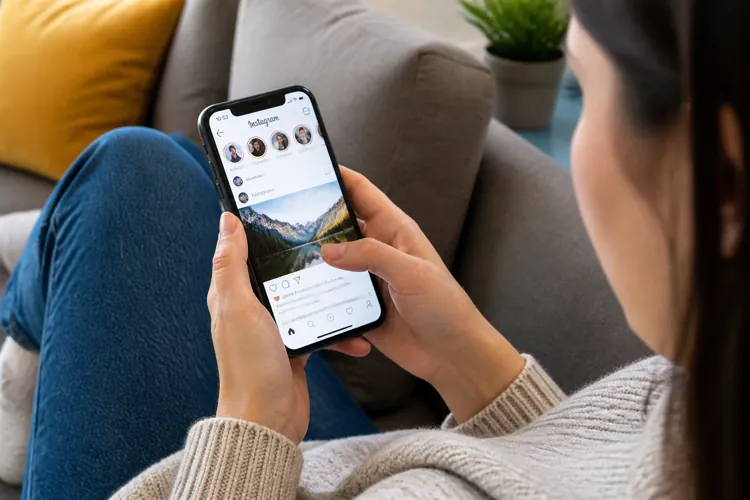
Instagram is often where people share the highlights of their lives, from vacations and celebrations to pictures with friends and family. But according to new research from the University of California San Diego, the way people use the platform could reveal something about how they feel behind the scenes.
Researchers found that everyday Instagram activity can offer clues about loneliness, even when users aren't openly discussing their feelings. Interestingly, the study also found that different types of loneliness were associated with different online behaviors.
The findings suggest that social media could eventually become another tool for recognizing when someone might be struggling with feelings of disconnection. However, researchers emphasize that these patterns aren't reliable enough to diagnose loneliness in individual users.
How researchers studied Instagram behavior
The study, published in npj Mental Health Research, examined Instagram activity from 415 undergraduate students in the U.S. Rather than relying only on public profiles, researchers analyzed information from participants' downloaded Instagram archives, including photographs, captions, comments, likes, and other account activity.
More than 60% of participants had private accounts, giving researchers a broader look at everyday social media habits. Everyone voluntarily shared their information and provided informed consent, with privacy protections in place.
Researchers then used machine learning to look for patterns in participants' photos, language, and activity. They compared those patterns with five established measures of loneliness and asked students about their real-life social networks, including how many friends and relatives they regularly interacted with and could turn to for support.
The researchers specifically examined different dimensions of loneliness, including emotional loneliness (feeling like you lack a close, meaningful connection) and social loneliness (feeling disconnected from a larger group or community).
What the findings could mean for social media users
The researchers found that people reporting greater loneliness generally posted fewer photos featuring other people's faces and used more past-focused words, such as "was" and "had."
There were also differences between the two types of loneliness. People experiencing greater emotional loneliness tended to post more frequently between 11 p.m. and 5 a.m., use more negative language, and have profile pictures showing sadder or angrier expressions. Meanwhile, social loneliness was associated with less liking and commenting on other people's posts and less weekend activity.
Overall, Instagram activity was moderately effective at predicting how lonely students said they felt. However, it was much less effective at predicting the size of their real-life support networks.
Researchers say these findings could eventually help universities, counselors, and health professionals recognize potential warning signs and offer appropriate support. Still, the study doesn't establish whether loneliness changes how people use Instagram, whether Instagram contributes to loneliness, or both.
There are also limitations to consider: Participants were college-aged, predominantly female, and largely Asian or White. More research is needed to determine whether the findings apply to other populations.
For consumers, the takeaway isn't that a late-night post or quiet Instagram account means someone is lonely. Instead, the research highlights how everyday online behavior may offer a window into emotional well-being, while underscoring the importance of privacy and avoiding assumptions about what someone's social media activity means.