How ConsumerAffairs uses cookies

This website utilizes technologies such as cookies to enable essential site functionality, as well as for analytics, personalization, and targeted advertising. To learn more, view the following link:

2025 Electric, Hybrid, and Eco-Friendly Cars

Article Image

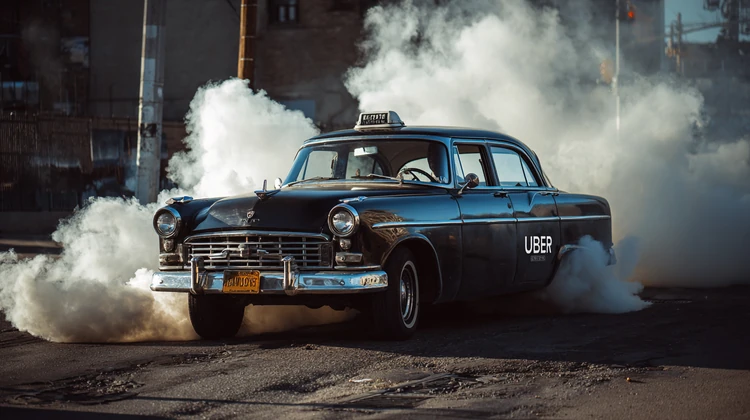
Uber pulls back on electric-vehicle push, cutting driver incentives

Uber cuts EV incentives as costs rise
• Drivers face uncertainty amid shrinking bonuses
• Company shifts focus to autonomous electric fleets


Uber is scaling back its once-high-profile effort to convert its driver fleet to electric vehicles, slashing bonuses and ending several programs that previously rewarded drivers for switching from gas cars to EVs. The move marks a significant recalibration of the company’s clean-transportation strategy at a moment when EV adoption nationwide has slowed.

For years, Uber offered thousands of dollars in bonuses to drivers who purchased or leased electric vehicles. But those incentives proved costly, and internal spending fell short of the company’s own targets. Uber is now discontinuing many of these payments, leaving drivers who had counted on them facing new financial uncertainty.

Market headwinds contribute to slowdown

The shift comes against a backdrop of nationwide EV headwinds: cooling demand, higher interest rates, and slower charging-infrastructure buildout. With the market softening, Uber is reevaluating how aggressively it can push EV adoption among independent drivers already struggling with high vehicle costs.

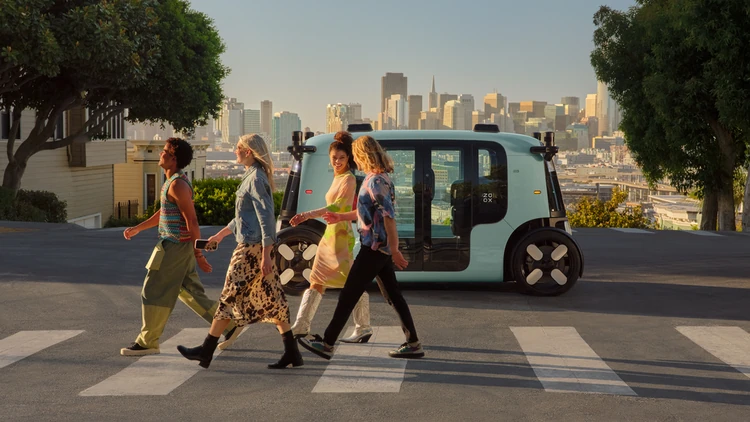
Rather than funding individual EV purchases, Uber is steering more of its electrification investment toward partnerships with autonomous-vehicle companies. The company has signaled it will rely increasingly on electric robotaxis developed with partners such as Nuro and Lucid, betting that dedicated fleets will deliver emissions reductions faster and more predictably than incentives for its distributed driver base.

Climate pledges now face tougher path

Uber has committed to becoming a zero-emission platform in the U.S., Canada, and Europe by 2030. Cutting EV incentives raises questions about whether it can meet those goals, especially if driver adoption slows. The company maintains that autonomous electric fleets will help keep it on track, but critics say the transition may now require more aggressive regulatory or industry pressure.
Article Image

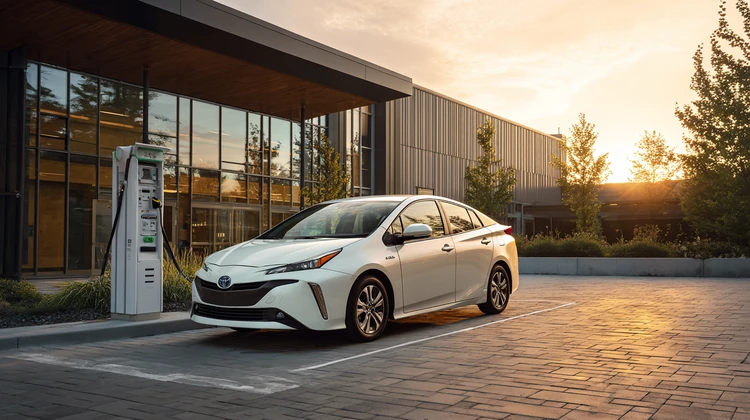
Trump appointees revisit fuel economy, support for EVs

Following his recent appointment as the U.S. Transportation Secretary, Sean Duffy wasted no time in carrying out one of President Donald Trump’s first directives after reclaiming the White House: rewriting stricter fuel-economy rules put in place during the Biden administration.

Duffy’s action came just hours after his swearing-in on Tuesday, when he signed a memorandum ordering the National Highway Traffic Safety Administration (NHTSA) to reassess fuel-economy standards for vehicles produced from the 2022 model year onwards.

The new directive marked a sharp pivot from the previous administration’s push for ambitious fuel economy targets, which were seen by some industry experts as burdensome. Specifically, the Biden administration had set an aggressive standard requiring automakers to reach an average of 50.4 miles per gallon across their fleets by 2031.

Duffy, who had previously served as a U.S. congressman and Fox News contributor, criticized these standards, claiming they inflated the cost of new cars and represented unnecessary government overreach.

Fossil fuel-friendly

Duffy’s actions, signaling the Trump administration’s commitment to a fossil fuel-friendly energy policy, were not limited to fuel-economy rules.

The Transportation Secretary has also been tasked with implementing measures to reduce government support for electric vehicles (EVs). These steps align with the broader agenda to unwind policies that incentivized the manufacturing and purchase of electric vehicles, a major focus of the Biden administration.

The Inflation Reduction Act of 2022, passed under Biden, led to billions of dollars being invested in EV and battery production within the U.S. But the push for electric cars had shown signs of strain, particularly as demand for plug-in models remained tepid, and prices for EVs remained significantly higher than for gasoline-powered vehicles.

In recent months, automakers began to adjust their strategies in response to a perceived shift in the regulatory landscape. Companies like Stellantis NV and Volkswagen AG made significant decisions in alignment with the changing political climate.

Stellantis, for instance, postponed its first all-electric Ram pickup and made revisions to its plans for a Jeep plant in Ohio. Volkswagen, too, reversed plans to introduce its ID.7 electric sedan to the U.S. market. Meanwhile, Stellantis halted work on an electric Chrysler crossover and scrapped plans for Alfa Romeo to transition to exclusively selling electric vehicles by 2027.

Tailpipe pollution

The focus on electric vehicles was further complicated by the Environmental Protection Agency’s (EPA) tailpipe pollution standards, which compelled automakers to sell a greater share of electric models.

Under Trump’s administration, the EPA is expected to re-evaluate or rewrite these limits, potentially easing the pressure on automakers.