

California could ban the sale of products with toxic “forever chemicals” starting in 2028
Everyday items like dental floss, cleaning products and cookware would be affected
Advocates say the move could set a national standard and reduce exposure to harmful chemicals
California is on the verge of becoming the next state to ban the use of per- and polyfluoroalkyl substances (PFAS), often called “forever chemicals” because they persist in the environment and the human body. Senate Bill 682, authored by Sen. Ben Allen (D-Santa Monica), has cleared the Legislature and now awaits Gov. Gavin Newsom’s signature.
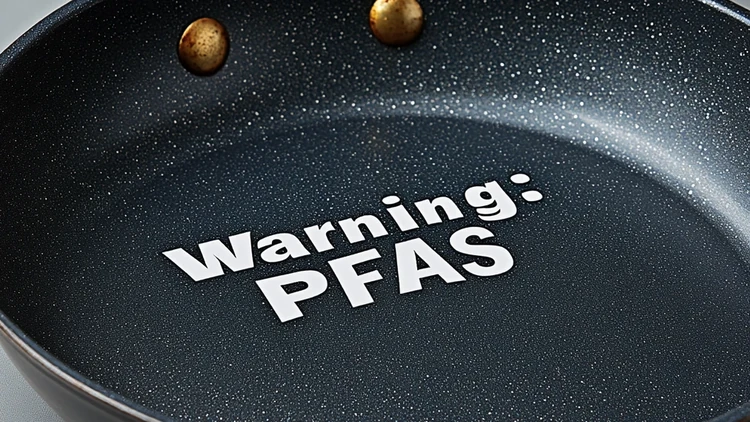
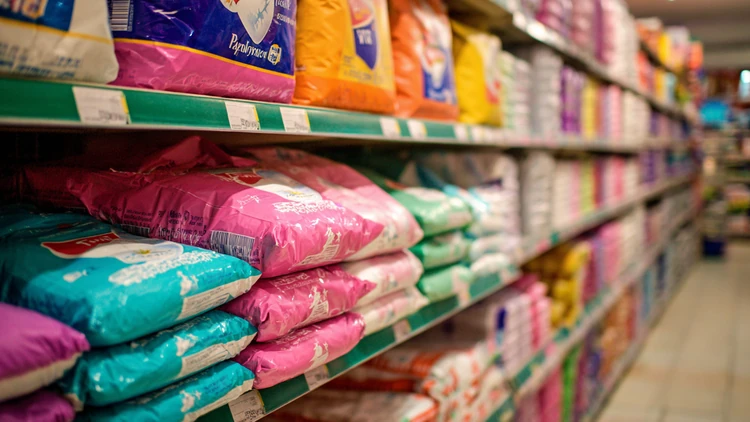
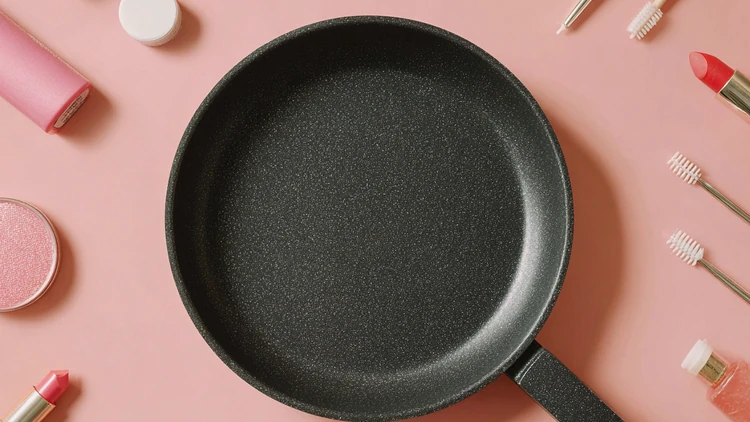
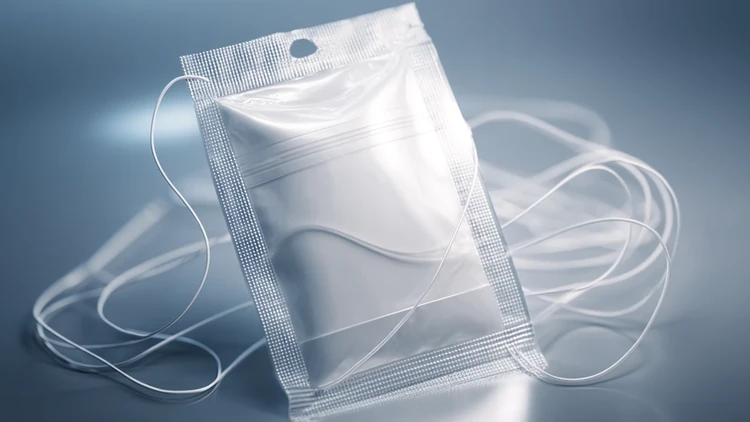
If signed into law, the bill would ban the sale and distribution of many consumer goods containing intentionally added PFAS beginning in 2028. Those products include cleaning supplies, dental floss, plastic food packaging and ski wax. A second phase, taking effect in 2030, would prohibit the sale of cookware with intentionally added PFAS.
Health concerns drive legislation
PFAS are widely used in nonstick coatings and water-resistant treatments, but decades of research link them to serious health risks. Studies have found associations with cancer, immune system suppression, developmental harm to fetuses, and reduced vaccine effectiveness.
“No one should be exposed to toxic PFAS just from cooking dinner or cleaning their home,” said Susan Little, California legislative director for the Environmental Working Group, which cosponsored the bill.
The state has already restricted PFAS in textiles, cosmetics, menstrual products, paper-based food packaging, firefighting foam and certain children’s products. SB 682 would expand those protections, making California one of the strictest states in curbing exposure to PFAS. Other states, including Colorado, Connecticut and Minnesota, have also enacted PFAS bans in specific product categories.
National impact expected
Because California is the world’s fourth-largest economy, its consumer protection laws often shape national markets. Experts say manufacturers may remove PFAS from all their products rather than produce separate lines for California, potentially creating a de facto nationwide standard.
Gov. Newsom has until October 12 to act on SB 682. Supporters hope he will sign it into law, continuing his record of advancing public health measures. If approved, California would take another major step toward reducing exposure to PFAS in everyday consumer products.
📌 What consumers can do now
PFAS are still widespread in many common household items. Until stronger laws take effect, here are ways to limit your exposure:
Check cookware labels: Opt for stainless steel, cast iron or ceramic pans instead of nonstick coated cookware.
Read product ingredients: Avoid cleaning supplies, cosmetics and dental floss that list “fluoro” or “PTFE” in the ingredients.
Filter drinking water: Some home water filters are certified to reduce PFAS contamination.
Cut down on packaged foods: PFAS can leach from grease-resistant food packaging into food.
Stay updated: Follow the EPA’s PFAS resources and the FTC’s consumer alerts for news on recalls and regulations.