

How much does it cost to replace a shower?
A shower replacement typically costs from $1,500 to $20,000, according to our research, though it depends on the type of shower you choose.
“If you have a prefab unit and are replacing it with another prefab, a shower replacement will usually cost you between $1,000 and $4,700, which includes tear-out costs and installation,” said Charlotte Granville, a home remodeling specialist at Fixr. “If you have a prefab unit and are looking to replace it with a tile shower, expect to pay around $8,000.”
What affects the cost of a shower replacement?
The cost of a new shower can depend on a number of factors, including size, materials used, plumbing requirements and installation costs. Your location can also impact project costs.
Size and complexity
Shower size tends to be the most significant factor in determining replacement costs. A larger shower requires more materials and labor to install than a smaller shower. Changing your bathroom’s layout to accommodate shower size can also affect costs, such as if you want to make your shower compliant with the Americans with Disabilities Act (ADA).
Materials
Prefabricated shower inserts are typically made of more budget-friendly materials, like acrylic or fiberglass, so you can expect to pay less for these than for a tiled shower. If you opt for a tiled shower, you can choose from various tile options, such as ceramic, granite and marble. Certain materials, like granite and marble, tend to cost more per square foot than ceramic tile.
The tile’s shape or pattern can also affect the price. For example, square or rectangle shapes may be less expensive per square foot than hexagon shapes. Incorporating patterns, like chevron, will also cost more.
Plumbing and electrical requirements
Installers must adhere to plumbing and electrical codes when replacing showers. For instance, pipes must be the right size for proper water flow to your new shower. Since codes are constantly updated, older homes aren’t likely to meet the latest standards. This means you may need to spend more than you anticipated to get your bathroom up to code.
Additional features
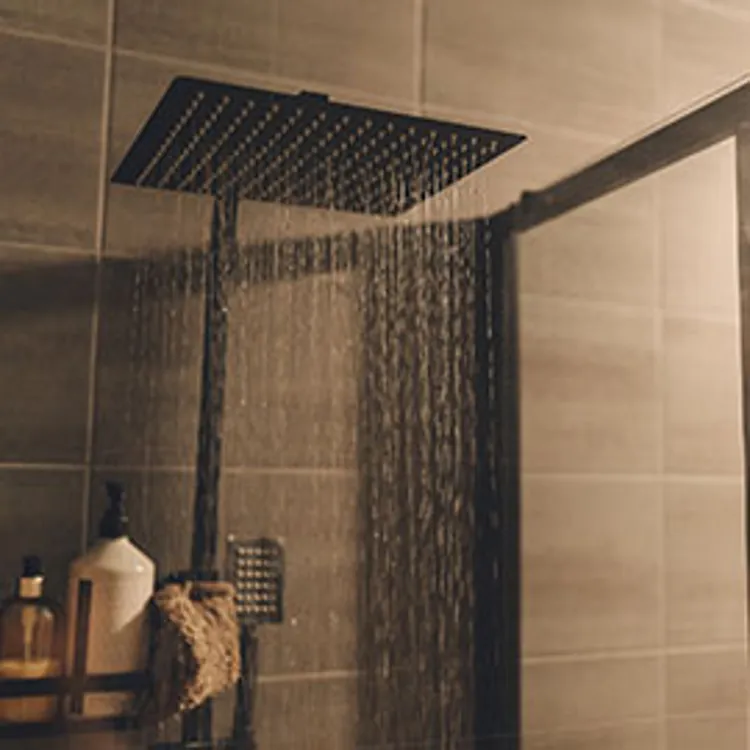
Adding certain fixtures and hardware, such as a rainfall showerhead, shelves, seats and grip bars, also increases project costs. A framed glass shower door can also cost much less than a custom shower door.
Labor and installation
Most installers charge a rate per square foot, which varies based on the type of material used and the project's complexity, such as if the previous shower needs to be removed. You’ll typically spend the same amount (or more) on labor as on materials.
Unexpected costs
During the tear-out process, you may discover hidden water damage that needs to be repaired, which could easily double your anticipated expenses.
Location
Where you live can have a substantial impact on remodeling costs. You’ll typically pay more for a shower replacement in areas with a higher cost of living, such as cities.
Shower replacement cost by type
Ultimately, your final shower replacement costs depend on the type of shower you opt for.
| Type of shower | Typical replacement cost |
|---|---|
| Walk-in shower | $1,500 to $12,000 |
| Shower-tub combo | $700 to $5,000 |
| Custom shower | $8,000 to $20,000 |
| Steam shower | $2,000 to $8,000 |
| Barrier-free or ADA-compliant shower | $2,000 to $5,000 |
Walk-in shower
Walk-in showers are a popular choice for homeowners today, and there are many options available to choose from in terms of price, features and size. Typical walk-in shower costs range from $1,500 to $12,000 or more, including materials and labor.
Shower-tub combo
Shower-tub combos are generally less expensive to replace than walk-in showers. They’re typically sold in kits and made of fiberglass or acrylic you can install yourself. You can typically expect to spend between $700 and $5,000 on a shower-tub combo if you buy it from a home improvement store, though you’ll need to pay a professional to install it for you, which could add thousands of dollars.
Custom shower
Custom showers cost considerably more than prefabricated showers, particularly if they involve higher-quality materials and more labor. You can typically expect to pay $8,000 to $20,000 or more for a custom shower.
Steam shower
While steam showers may not be as pricey as custom showers, you’ll still spend more than you would on a simple shower-tub combo. Steam shower kits usually cost between $2,000 and $8,000. You’ll also need to pay a plumber and an electrician to hook up the unit properly.
Barrier-free or ADA-compliant shower
An ADA-compliant shower includes secured grab bars and fixed shower seats. Prices for these barrier-free shower kits typically range from $2,000 to $5,000 or more.
Is it better to replace or repair your shower?
Most showers have a lifespan of 10 to 15 years. The older a shower is, the more likely it is to have issues like cracks that can cause leaks into your walls and floors. Refinishing the surface could buy you some time before replacing it, but it may only delay replacement for three or four years.
It may be time to replace your shower if you notice clogged pipes and water backing up. Newer showers tend to be equipped with better plumbing systems, which keep water and dirt from being trapped inside the shower.
Ultimately, you’ll want to weigh the costs and potential benefits between shower repair and replacement before making your decision.
Consider extent of repairs
Consider factors like the extent of repairs needed and how much you can comfortably afford for the project. You might be able to fix minor repairs by yourself, which may fit your budget better than spending thousands to replace the shower altogether.
However, multiple repairs can add up. You may be better off replacing the shower if that’s the case.
“Get a few quotes from some plumbers in your area,” Charlotte Granville said. “If their estimates reach around $3,000 for a repair, it might be worth opting for a replacement.”
Factor in return on investment
A major benefit to replacing your shower is the return on your investment if you sell your home one day. Potential homebuyers like to see updated bathrooms, especially in competitive real estate markets.
A midrange bathroom remodel offers a 60% return on a homeowner’s investment.”
“A midrange bathroom remodel offers a 60% return on a homeowner’s investment,” said Sharon Villegas, chief revenue officer at Re-Bath.
Think about maintenance
A new shower may also be easier to clean and maintain than older shower models.
“The good news is that modern materials are much lower maintenance and will make cleaning your bathroom easier and faster — think natural stone, seamless shower surrounds, etc,” Villegas said.
» COMPARE: Best bathroom remodeling companies
Will a home warranty cover a shower replacement?
Home warranties typically cover repairs or replacements for home systems, like plumbing or electrical systems, and appliances, like refrigerators or washers. This means a new shower is likely not covered under a home warranty policy.
However, certain aspects of the shower may be covered as part of the plumbing system, such as replacing a leaking showerhead. You’ll need to check with your home warranty company for your coverage details.
Jill, a reviewer from Florida, was able to get their shower repaired through their home warranty.
“The most recent claim I had was to get my showerhead replaced and that went fine,” Jill said. “The vendor was fantastic [at] communicating. The tech came out and did what he was supposed to do, and everything worked out.”
This can vary from company to company, so you’ll need to check with your home warranty company for your coverage details.
» COMPARE: Best home warranty companies
FAQ
How long does a shower replacement typically take?
A prefabricated shower insert could be installed in as little as one day as long as the project has no complications. A tile shower typically takes a few days to a week.
Can you do a shower replacement by yourself?
Replacing a shower by yourself can save you a significant amount in labor costs, but it requires skill, time and the right tools. Prefabricated shower kits are typically easier to install, while custom or tile showers often require professional expertise to ensure proper waterproofing, plumbing and structural integrity.
Professional installation offers the advantage of experienced labor, adherence to building codes and warranties on the work performed. It also reduces the risk of costly mistakes that could lead to water damage or failed inspections.
Can you finance a shower replacement?
There are a few ways you could finance your shower replacement. Many home remodeling companies offer customers financing options, which may include perks like 0% interest for a year or more. You could also apply for a personal loan, a home equity loan or a home equity line of credit (HELOC) to pay for a shower or bathroom remodel.
What should I look for when hiring a professional for a shower replacement?
You may want to start by asking friends and family for their recommendations. Real estate professionals and insurance agents can also offer suggestions. Whether you decide to work with a plumber, an electrician or a general contractor for the project, you should verify that they’re licensed, insured and bonded in your state. You can check those credentials online through your state government’s website.
Bottom line
Replacing a shower can cost anywhere from $1,500 to $20,000. Factors like shower type, size, materials, labor costs and location all play a major role in determining your final price. While installing a shower yourself can cut costs, professional installation ensures quality, code compliance and peace of mind. Carefully weighing your budget, desired features and long-term plans will help you decide whether a repair or full replacement is the best investment for your home.
Article sources
ConsumerAffairs writers primarily rely on government data, industry experts and original research from other reputable publications to inform their work. Specific sources for this article include:
- U.S. Department of Justice Civil Rights Division, “ADA Standards for Accessible Design.” Accessed Feb. 26, 2026.