

Key insights
Both are natural materials, but tile is more resistant to water, moisture and scratching, while hardwood is more comfortable and usually looks nicer in main living areas.
Jump to insightExpect to pay $7 to $25 per square foot for tile installation and between $8 and $20 per square foot for hardwood flooring installation.
Jump to insightMost homeowners prefer hardwood in main living areas and bedrooms, but tile is a better fit for kitchens, bathrooms, basements, mudrooms and laundry rooms.
Jump to insightTile vs. hardwood: key differences
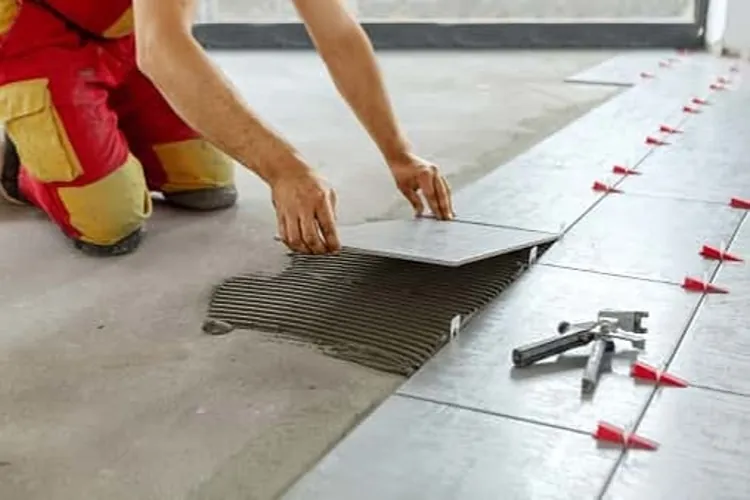
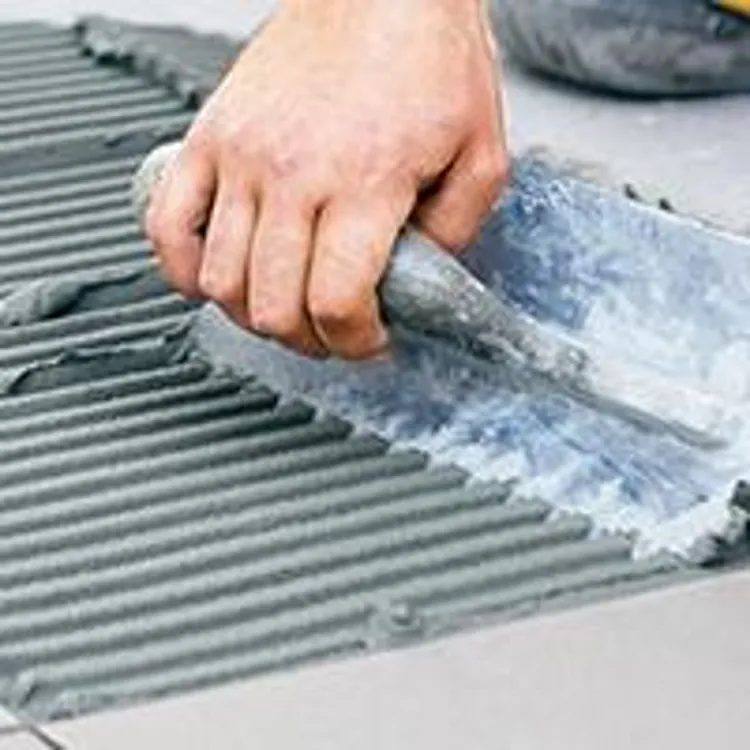
Tile flooring is made of ceramic or porcelain, which is clay that manufacturers fire at extremely high temperatures. Installers then apply a coat of thinset mortar directly to your subfloor or over an adhered waterproofing material before setting the tile on top and allowing it to cure. Finally, your flooring pro will install grout between the perfectly spaced tiles.
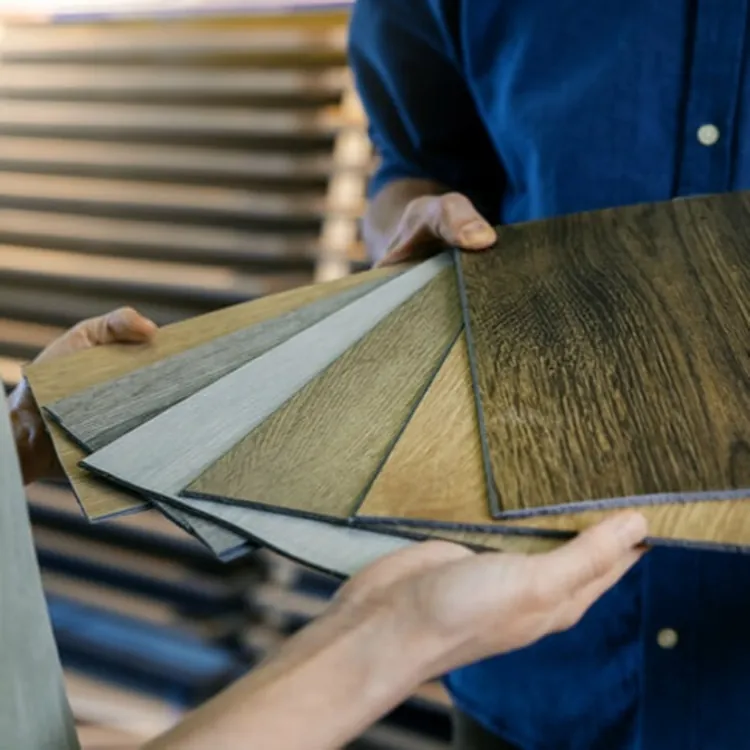
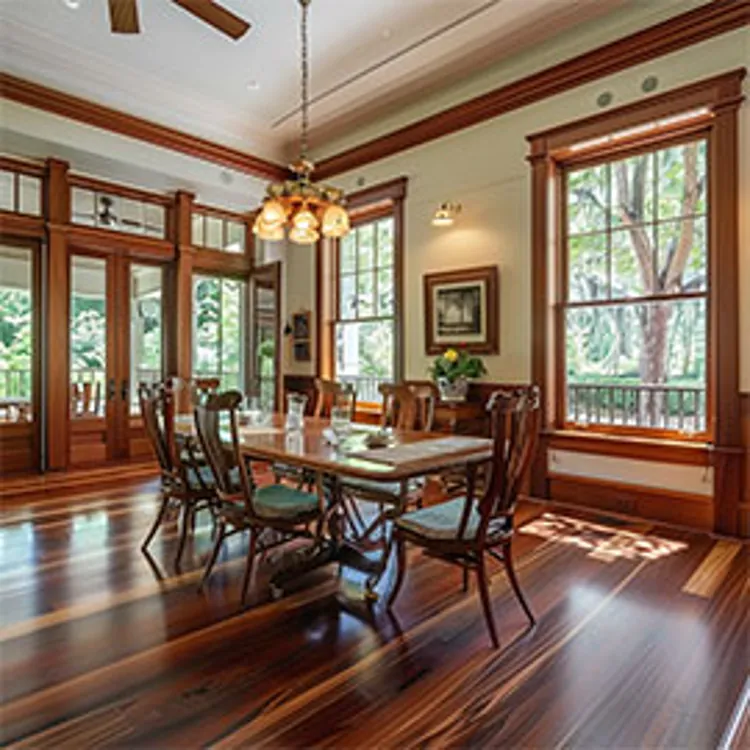
Hardwood is made of solid wood and can come from a variety of wood flooring species for different appearances and durability levels. An installation pro can either nail down individual planks or use an adhesive to attach them directly to your subfloor.
There are a handful of other differences between tile and hardwood to consider that go beyond the material and installation method. Think about all of these factors when choosing your flooring material.
- Water and moisture resistance: Hardwood is very reactive to water and moisture and can quickly get ruined in bathrooms, kitchens and basements. Tile, on the other hand, is completely waterproof, making it ideal in those same areas.
- Slip risk: Tile is more water resistant but can get slippery when wet, so you may need to choose textured tiles or small tiles to maximize grout lines for grip.
- Underlayment options: You can choose nearly any underlayment for hardwood except thinset mortar, whereas tile is only compatible with a few types, like thinset mortar.
- Physical wear resistance: Both materials wear hard, but tile is generally more resistant to scratching and denting.
- Refinishing potential: You can sand and refinish hardwood multiple times to restore the appearance without having to replace it. You cannot refinish tile, although you can replace grout between the tile.
- Lifespan: Both tile and hardwood last for around 100 years or more.
- Design options: Hardwood almost always comes in planks, and while you can arrange them in different patterns, including herringbone and chevron, tile comes in many different shapes, sizes, colors, textures and patterns, and offers more flexibility.
- Overall appearance: Hardwood creates a warm, natural and welcoming appearance in your space, while tile can feel a bit starker and more antiseptic.
- Comfort underfoot: Hardwood is warmer to the touch and, depending on the underlayment, has a bit more give for added cushion. Tile is cold and can be uncomfortable in the winter, and it’s very rigid with no cushioning at all.
- Sound underfoot: Hardwood flooring can creak over time, particularly if you go with a nail-down installation. Tile produces no noise at all, but it can also reverberate noise that bounces into it.
- Resale value: Both flooring materials have excellent resale value, but it depends on the room where you install your floor. Hardwood adds more value in most living spaces, while tile offers better resale value in kitchens and bathrooms.
Tile vs. hardwood: cost and installation
On average, you can expect to pay between $7 and $25 per square foot of tile floor you want to install, while hardwood flooring is a little more affordable at between $8 and $20 per square foot. Pricing for both can depend on material choices and quality, as well as local labor rates, subfloor condition and more.
Material costs
On average, the materials for tile flooring will cost between $3.50 and $12.50 per square foot, while hardwood flooring will cost between $4 and $10 per square foot.
Hardwood floor costs can climb significantly higher, sometimes $50 or more per square foot, depending on the wood species and how rare it is. Tile costs generally don’t climb much above the normal range unless you opt for unique tile shapes. Natural stone is the exception, as marble can cost as much as rare wood floors.
Labor costs
The costs to install flooring also tend to be higher with tile because the work is more time-consuming and involved. Wood is slightly more DIY-friendly, but it’s usually best to hire a pro for a finished look, so you’ll typically have to account for labor costs.
For a tile floor, your pro will have to lay down thinset, place individual tiles, space each one, allow the thinset to cure, remove the spacers, apply grout, allow the grout to cure and then finish with a cleanup. Cutting tile to fit corners and other obstructions is also time-consuming and requires special masonry saws, which drives tile flooring installation costs higher.
Installing hardwood is comparatively easy. Your flooring installer simply needs to lay down planks and either nail them down using a flooring nailer or adhere them to the subfloor. Cutting wood flooring is easier and faster than cutting tile and only requires a simple miter saw, which means a lower flooring installation cost for hardwood overall.
Subfloor preparation and underlayment
Most homeowners replace tile with tile, and old tile and grout can be very time-consuming to remove to expose the subfloor. It’s also more important to have a perfectly flat subfloor under tile to reduce the risk of cracked tiles, so you’re more likely to have to pay $2 to $8 per square foot for floor leveling.
Tile is also more popular in areas where water and moisture are a risk, so your pros are more likely to find hidden damage under your floors when they demo the existing floor. This can add an additional $2 to $10 per square foot for subfloor repairs.
Finally, tile is a heavy material, so disposal and dumping fees tend to be higher than with wood flooring. Flooring removal and disposal averages $1 to $4 per square foot, with tile more often falling toward the upper end of that range and hardwood falling in the middle.
Lifespan and long-term maintenance
Both tile and hardwood floors will last for an average of 100 years or more, but it’s a good idea to consider ongoing maintenance and repair costs.
With tile floors, you should have virtually no maintenance at all. You might need to reseal grout every few years, but you can usually DIY that work to save. The only real repair you may need is grout replacement. This can cost a few hundred dollars, but you may never need the service unless your grout gets stained.
With wood floors, you’ll need to plan to sand and refinish every 10 years or so, or more often if they see heavy foot or pet traffic.
Tile vs. hardwood by room
The easiest way to decide between tile and hardwood flooring for your renovation project is based on the needs of the room. Hardwood is generally a better option for appearance and value in most living areas, while tile is a better fit for spaces that will see water or moisture. Here’s a breakdown of where these flooring materials fit best and why.
| Room or space | Tile vs. hardwood | Primary reasoning | Common alternatives |
|---|---|---|---|
| Basement | Tile | Moisture resistance | Vinyl |
| Bathroom | Tile | Water and moisture resistance | Vinyl/stone |
| Bedroom | Hardwood | Comfort and warmth | Carpet/vinyl/engineered wood |
| Dining room | Hardwood | Uniformity with adjacent rooms | Engineered wood/vinyl |
| Hallway | Hardwood | Uniformity with adjacent rooms | Engineered wood/vinyl |
| Kitchen | Tile | Water and moisture resistance | Vinyl/stone |
| Laundry room | Tile | Water and moisture resistance | Vinyl/laminate |
| Living room | Hardwood | Comfort and warmth | Carpet/engineered wood/vinyl |
| Mudroom/entryway | Tile | Water, moisture and scratch resistance | Vinyl |
| Stairs | Hardwood | Slip resistance | Carpet/vinyl/engineered wood |
Tile vs. hardwood for pets
For areas with heavy pet traffic, tile is a better option since ceramic and porcelain are both more scratch-resistant than wood and will continue performing for many years without visible wear.
With a wood floor, pet nails can leave gouges and can wear away the protective coating over time.
Pet accidents are also easier to clean up and disinfect on tile floors, and you won’t have to worry about liquids soaking into the floor and potentially causing damage, like you would with wood. Plus, hardwood holds onto odors more than tile, and excessive pet drool and spilled water bowls can pose an added risk for wood floors, making tile a better option overall.
With both types of floors, your pets will get minimal traction, so you may want to couple them with area rugs for comfort and safety, especially for aging pets.
FAQ
What are the downsides of tile flooring?
The primary downside to tile flooring is the upfront cost, as the installation, between $7 and $25 per square foot, is the second most expensive across all types of floors. Tile is also very rigid and cold, so it provides minimal comfort underfoot, and it’s challenging to install, so it’s usually not suitable for DIYers.
What is the healthiest flooring to have in your home?
The healthiest flooring to have in your home is a natural material, like hardwood, engineered wood, tile or stone. These materials are all easy to clean and don’t hold onto allergens, as carpet does, and there’s no risk of the materials off-gassing potentially harmful chemicals, as there can be with vinyl and laminate.
How does wood-look tile compare with real hardwood?
Wood-look tile resembles wood in appearance, but it’s obvious up close that it’s not real wood, as the texture and feel are different. It’s also colder and more unforgiving underfoot, making it less comfortable. However, tile is far more resistant to water and moisture than real wood, making it a suitable alternative in kitchens, bathrooms, mudrooms and laundry rooms.
Why do homeowners regret their tile or hardwood flooring choices?
Some homeowners regret choosing tile floors because they’re not comfortable and are less suitable for main living areas and bedrooms. For hardwood floors, regrets center around the lack of water and moisture resistance, particularly in areas like kitchens, bathrooms and basements. Hardwood floors look great anywhere but can warp and swell if they see moisture.
Article sources
ConsumerAffairs writers primarily rely on government data, industry experts and original research from other reputable publications to inform their work. Specific sources for this guide include:
- International Association of Certified Home Inspectors, "InterNACHI's Standard Estimated Life Expectancy Chart for Homes." Accessed Oct. 29, 2026.
- DG Floors, "Most Expensive Wood Flooring." Accessed Oct. 29, 2026.
- DG Floors, "How to Replace Grout." Accessed Oct. 29, 2026.
- Big Bro Hardwood, "How Often to Refinish Hardwood Floors?" Accessed Oct. 29, 2026.
- National Center for Biotechnology Information, National Library of Medicine, "Vinyl flooring in the home is associated with children’s airborne butylbenzyl phthalate and urinary metabolite concentrations." Accessed Oct. 29, 2026.
- United States Environmental Protection Agency, "Questions and Answers Regarding Laminate Flooring." Accessed Oct. 29, 2026.