

Key insights
Hardwood flooring costs between $8 and $20 per square foot, but you could pay significantly more for exotic species.
Jump to insightMaterials account for 50% to 80% of total costs, while labor and installation-related work make up the remaining 20% to 50%.
Jump to insightYour price will depend on materials and standard labor, but you should also consider wood species, wood grade, room complexity, subfloor condition and required prep work.
Jump to insightHardwood flooring installation cost per square foot
The average cost to install hardwood flooring in your home is $14 per square foot, making it one of the more expensive flooring types. However, the price can range widely based on many factors.
A budget-friendly installation using an affordable species, like pine, and a nail-down installation over a subfloor in good condition can cost as little as $8 per square foot. A floating floor installation could also fit at this tier, but floating floors are more common with engineered wood than with solid wood.
A premium species, like walnut or mahogany, installed with the glue-down method can cost up to $20 per square foot or more — especially if subfloor prep work is required.
Factors affecting hardwood flooring costs
A “premium” installation doesn’t need to include everything in the premium tier, and a high-end species alone can qualify an installation for that category.
| Budget-friendly installation | Mid-tier installation | Premium-tier installation | |
| Wood species | Pine | Maple, oak or walnut | Any, including mahogany or teak |
| Installation option | Nail-down or floating floor | Nail-down, floating floor or glue down | Nail-down, floating floor or glue down |
| Subfloor prep | Very little or none | Minor repairs | Heavy repairs and/or leveling |
| Old floor removal | Carpet, laminate or vinyl | Carpet, laminate, vinyl, engineered wood or hardwood | Any, including tile and stone |
| Pattern | Simple, with planks running parallel to longest walls | Upgraded designs, including herringbone | Ornate designs, including multiple species and plank orientations |
| Underlayment | Felt paper | Cork, foam or felt | Cork, foam or felt, sometimes with vapor barrier |
Hardwood flooring labor vs. materials cost
On average, 50% to 80% of your total will go toward materials when installing hardwood floors, and the remaining 20% to 50% will go toward labor.
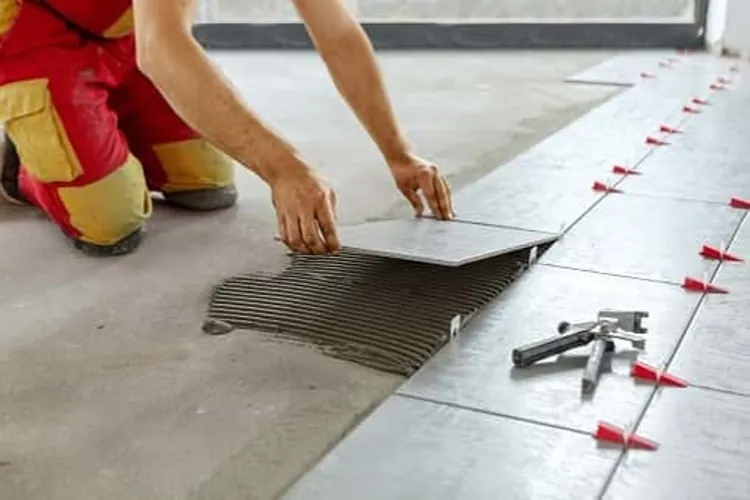
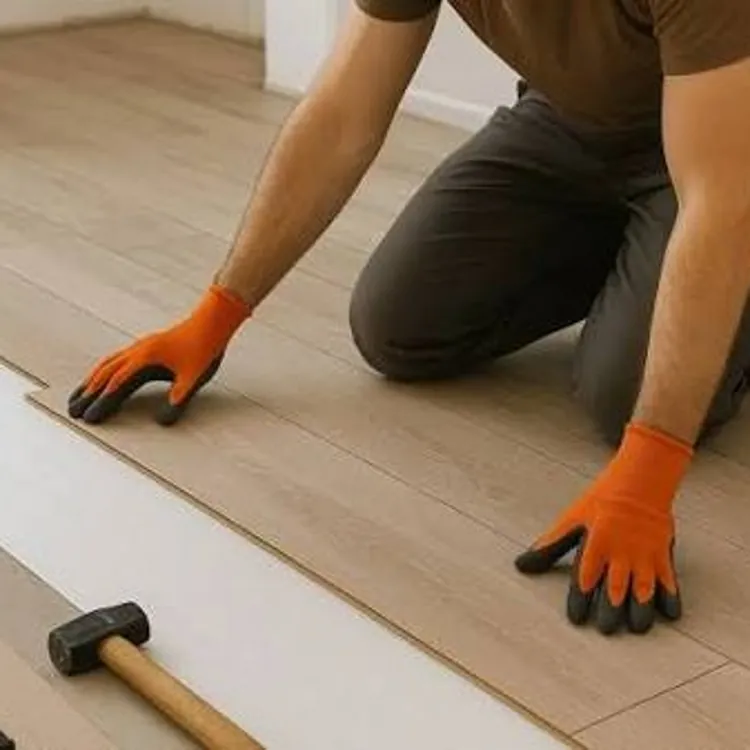
Materials for hardwood flooring installations include the flooring itself, underlayment and either adhesive or fasteners. Labor usually includes removing the old floor and hauling it away, laying down the new underlayment, measuring and cutting planks to fit, installing the new floor with nails or adhesive and completing minor finishing work, like cleanup.
Average costs for labor and materials
Hardwood flooring installation costs vary depending on what your contractor includes in the quote. Knowing what’s typically included and what may cost extra can help you budget more accurately.
| Material or service | Included in base cost? | Typical cost |
|---|---|---|
| Flooring material | Always | $4 to $16 per sq. ft. |
| Installation labor | Always | $1.60 to $10 per sq. ft. |
| Nail-down installation or floating floor | Always | Pushes cost closer to high end of price range |
| Simple patterns with planks parallel to longest walls | Always | Included |
| Underlayment material | Almost always (extra for upgraded material) | $0.30 to $1+ per sq. ft. |
| Removing and hauling away old floor | Sometimes | $1 to $4 per sq. ft. |
| Glue-down installation | Sometimes | Pushes cost closer to high end of price range |
| Finish work, like baseboard trim | Sometimes if reusing trim, never for new trim installations | $2 to $6 per lin. ft. |
| Moving furniture before the installation | Not usually | Varies |
| Subfloor repairs | No | $2 to $10 per sq. ft. |
| Floor leveling | No | $2 to $8 per sq. ft. |
| Special patterns, like herringbone | No | Varies |
Hardwood installation cost factors and upgrades
Many factors can influence the cost of installing hardwood floors, from the materials and installation method you choose to the space itself.
Here’s a breakdown of some of the most important cost factors you should consider if you want the most accurate price possible.
Room complexity
Your room's layout can affect how challenging it is to measure, cut and fit wood flooring. Rooms with multiple closets or bumpouts, built-in furniture, angled or rounded walls and other obstructions can all make the job take longer, which drives your labor fees higher.
Stairs
You generally don’t install hardwood flooring planks on stairs, but it’s common to match stair treads to the new wood floors for consistency. If you are redoing the stairs, expect costs to increase dramatically, largely depending on the wood species you want to use.
Wood species
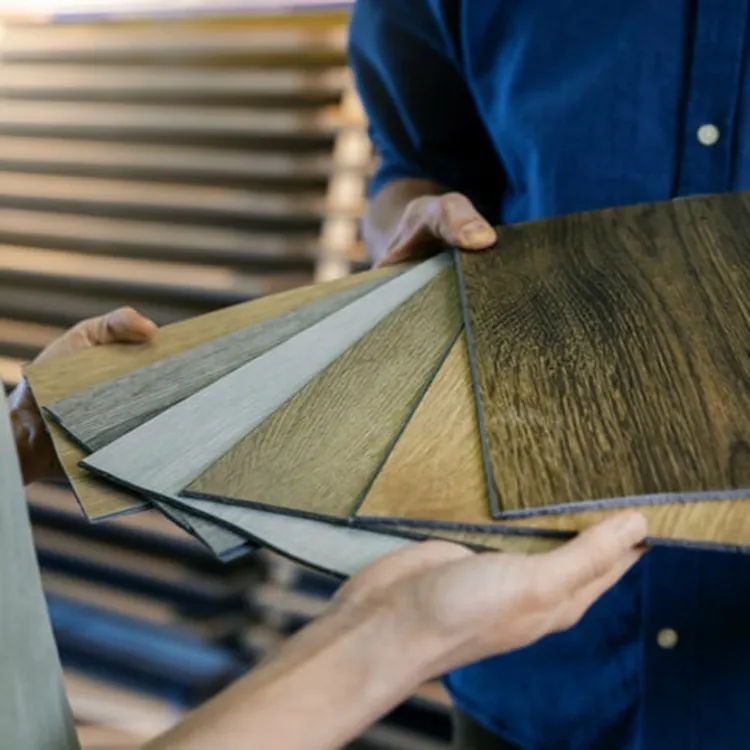
Wood species matters for your flooring, too.
- Pine is one of the more affordable wood floor materials, but it’s technically a softwood and won’t last as long or look as nice as more traditional hardwoods.
- Oak, maple and walnut are more expensive but tend to provide the best value.
- Exotic woods can get extremely expensive, so expect costs to increase drastically if you’re looking for mahogany, teak, Brazilian cherry or other high-end species.
Wood grade
You can choose from four wood grades, each with a different cost range and visual quality.
- Clear is the highest and most expensive grade, featuring uniform coloring, straight grain and virtually no imperfections.
- Select is a bit more affordable, but has some minor imperfections and color variation across planks.
- #1 Common has visual imperfections like knots, plus some variation in grain pattern and color.
- #2 Common, the lowest-tier grade, looks rustic, with dramatic color variation, grain-pattern variation and many knots and other imperfections.
Floor type
When most people talk about hardwood floors, they mean solid wood floors. But you can also choose engineered wood flooring.
Engineered wood is more affordable than solid wood, averaging $6 to $15 per square foot. But it has half the lifespan, and you can only sand and refinish it one to three times compared with five to seven times for solid hardwood.
Choose a flooring that matches your design preferences, budget and durability expectations.
Installation method
A floating floor is the least expensive installation method and doesn’t involve any adhesive or fasteners. Your installer lays the flooring over your underlayment, and the engineered edges hold it in place. This is more common with engineered wood floors.
A nail-down installation involves using nails to affix the planks to your subfloor, and it’s the most common method for hardwood flooring.
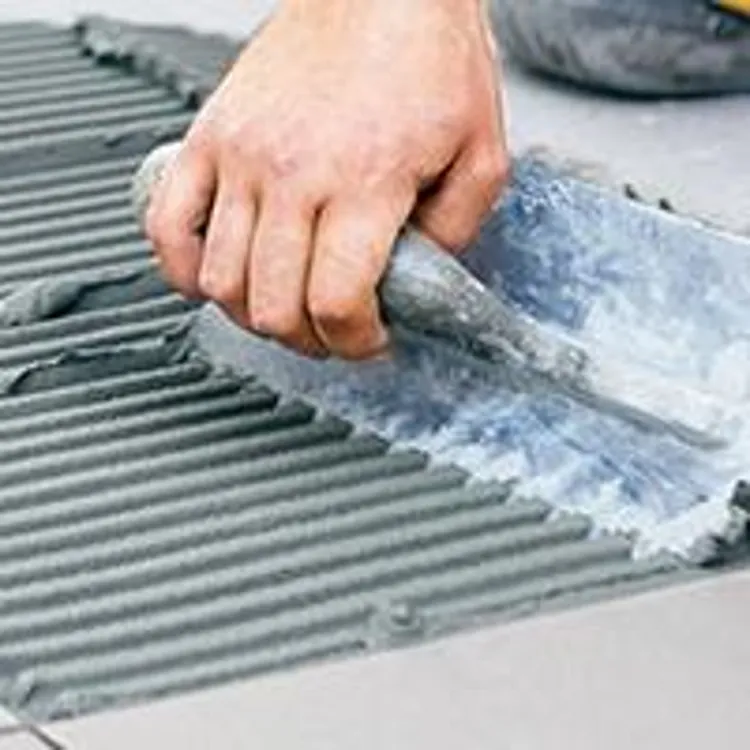
Glue-down installations are more labor-intensive and costly, but they reduce floor movement and noise underfoot.
Subfloor condition
Your subfloor's condition can drive hidden costs when installing hardwood floors. If your contractor discovers damage from a leak or moisture, you’ll need repairs that can add $2 to $10 per square foot to your installation costs. You’ll also need to address the underlying issue, as wood floors are highly sensitive to water and moisture.
Plank size
Hardwood flooring comes from natural lumber, so wider and longer planks, especially of a higher grade, will push costs higher.
Consider how you want the room to feel when deciding: long, thin planks feel more modern and cool, while thick planks create a more rustic, warm feel.
Preferred floor pattern
Special patterns, like herringbone, chevron or parquet, take longer to install because they require more measuring and cutting — so they come with higher labor costs. They also tend to create more waste, which can drive up your material costs.
Hardwood floor quote checklist
Once you’re sure hardwood is a good option for your next flooring project, you can start getting formal estimates to understand better what your specific installation will cost. It’s a good idea to get at least three to compare, and make sure each includes the following information:
- Itemization: First and foremost, look for an itemized estimate. This helps you compare quotes apples-to-apples and avoid less-than-ideal materials, inflated material costs and unnecessarily high labor costs.
- Specific materials: Your contractor should detail the materials they’ll be using. The estimate should include a brand, model number, plank size and color for your flooring, plus specifications for the underlayment and either the fasteners or adhesive. Ideally, labor costs should be outlined as well, including removal and disposal of the old flooring.
- Clean-up and finishes: Check that your flooring installation costs include site cleanup and other finishes, like reinstalling trim, reinstalling HVAC duct covers and installing transitions between rooms or different flooring types.
- Notes about hidden damages and repair costs: Hidden damage to your subfloor usually isn’t possible to predict, but it’s always a good sign when your flooring installer includes pricing for repairs in case they find that you need them.
- Old flooring removal and disposal: Most flooring installers will include removing your old flooring and hauling it away. But since this can add $1 to $4 per square foot as a separate fee, confirm that this labor is included. Also look for notes about added dumping fees.
- Warranty coverage: Your estimate should include information about warranty coverage. Look for a manufacturer’s warranty from your flooring manufacturer, as well as a labor warranty that some installers provide.
- Permits: Many municipalities don’t require permits for flooring replacement, but some do — especially if the work is part of a larger renovation project. If your estimate doesn’t include permit fees, ask your contractor whether you’ll need permits.
FAQ
How much does it cost to install 1,000 square feet of hardwood flooring?
The average cost to install 1,000 square feet of hardwood is $14,000, and most projects total between $8,000 and $20,000. Your exact costs will depend on the wood species, the wood grade, the complexity of the installation areas, your preferred installation method and more. Get an estimate from a local flooring installer to get a more accurate price.
How much does Lowe’s charge to install hardwood flooring?
Lowe’s charges a minimum of $1.99 per square foot for the labor alone to install hardwood flooring, but prices can vary widely based on your specific project. There’s no one-size-fits-all price, and Lowe’s requires you to schedule free measurements and get a formal estimate for accurate costs.
Is hardwood flooring more expensive than laminate?
Yes, hardwood flooring is more expensive than laminate. On average, you’ll pay between $8 and $20 per square foot for hardwood flooring, while laminate flooring averages $3 to $12 per square foot, including installation and labor. However, while hardwood costs close to twice as much as laminate, it also lasts four times as long.
How long do hardwood floors last?
Hardwood floors last for 100 years or more in the right conditions and with proper maintenance. They can quickly warp, swell and deteriorate with exposure to water and moisture, so they tend to have a much shorter useful lifespan in basements, kitchens, bathrooms and laundry rooms. You may also see a shorter lifespan if your floors see heavy foot traffic, particularly from pets.
Bottom line
Most homeowners pay between $8 and $20 per square foot for hardwood flooring installation, with 50% to 80% going toward materials. Your costs will depend on wood quality, installation difficulty and whether you need add-on services like subfloor repairs or trim installation.
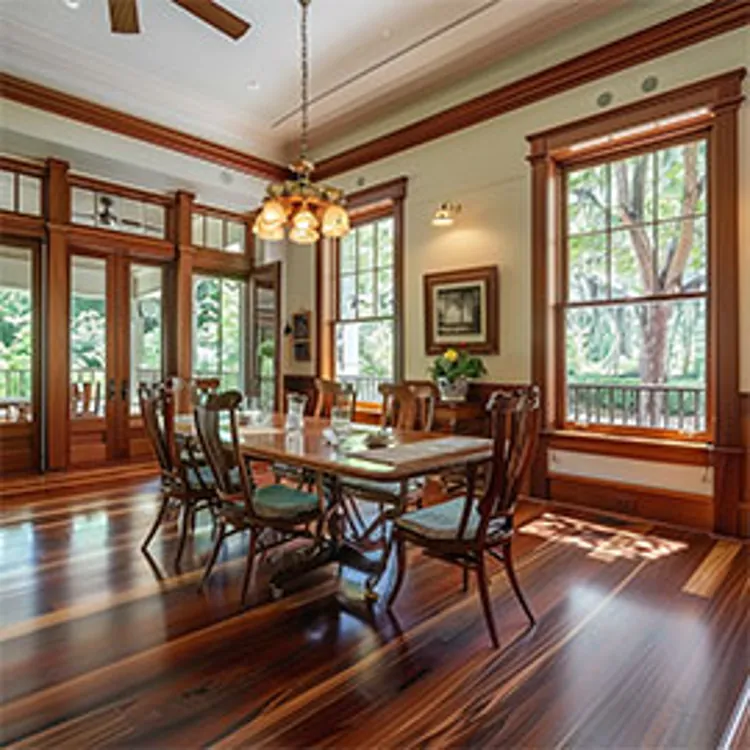
Installing hardwood floors in your home is usually worth the investment if you’re seeking long-term value and greater durability. It's most worthwhile if you plan to stay in your home for years and want a flooring upgrade that adds beauty and resale potential.
Article sources
ConsumerAffairs writers primarily rely on government data, industry experts and original research from other reputable publications to inform their work. Specific sources for this article include:
- Kimminau Wood Floors, "Understanding Wood Floor Grades: What NOFMA Standards Really Mean." Accessed Aug. 20, 2026.
- International Association of Certified Home Inspectors, "InterNACHI's Standard Estimated Life Expectancy Chart for Homes." Accessed Aug. 20, 2026.
- Lowe's, "Hardwood Floor Installation." Accessed Aug. 20, 2026.