

Key differences between laminate and tile
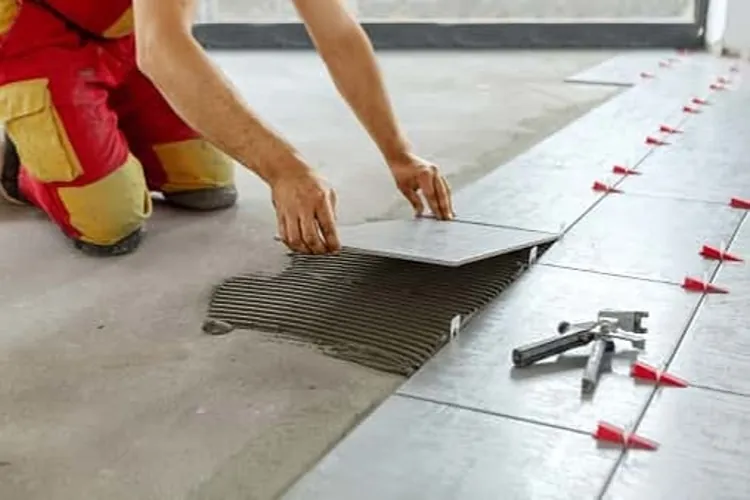
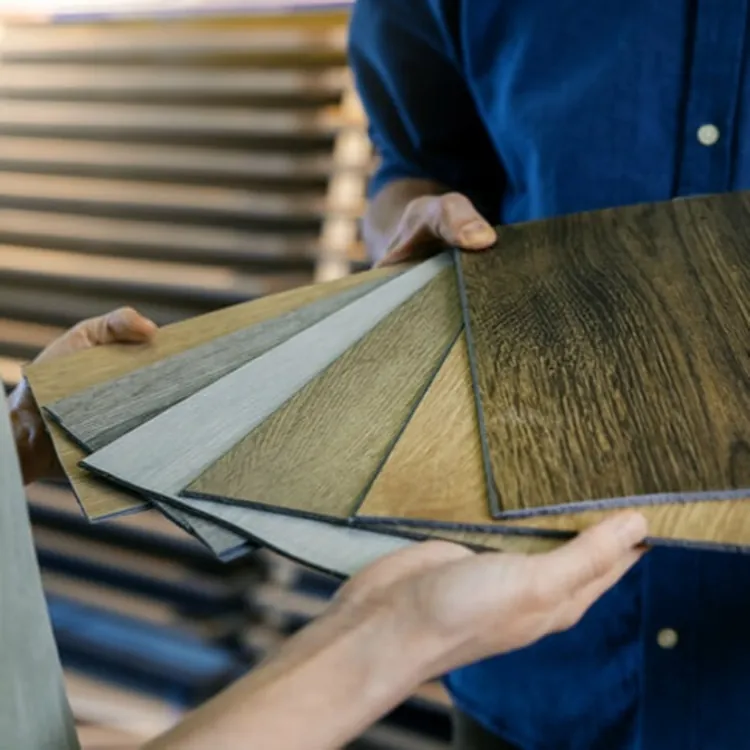
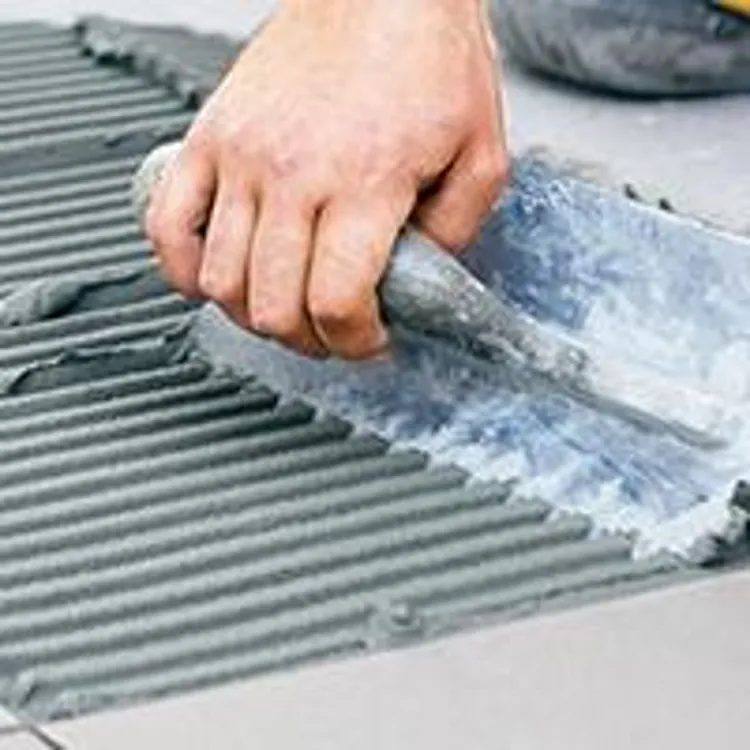
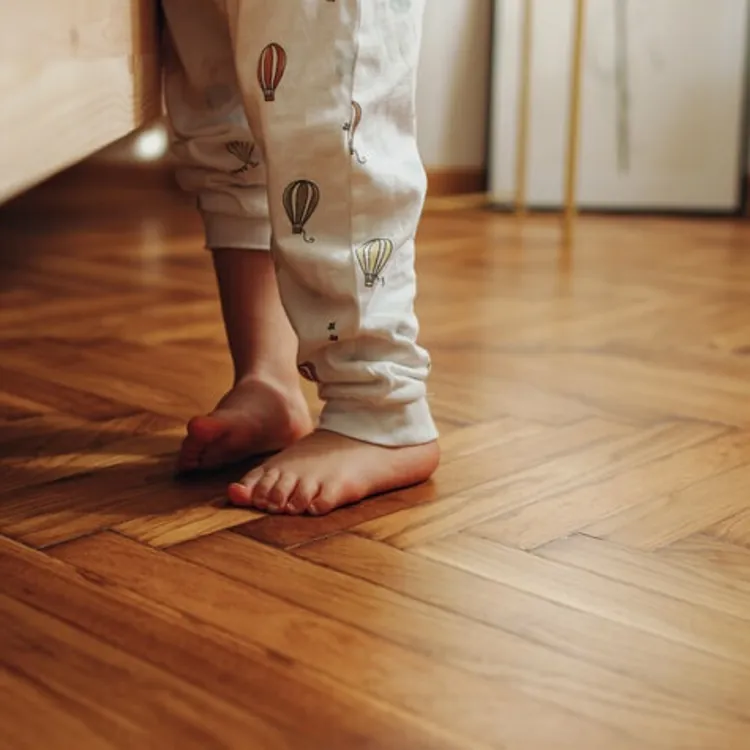
Laminate flooring has a medium- or high-density fiberboard (MDF or HDF) core with a wear layer on top and, in some cases, a pre-attached underlayment underneath. Tile floors consist of ceramic or porcelain tile, which a pro will attach to your subfloor using thinset mortar. Your installer will also fill the gaps between tiles with grout for a finished look.
Laminate flooring costs less than tile, and DIY installation is possible, so it’s a more budget-friendly material overall. It’s also easier to repair and replace, and it can resemble other materials, such as hardwood. Tile flooring is more expensive, demands professional installation and is less comfortable and colder underfoot, but it lasts up to seven times as long and offers better long-term value.
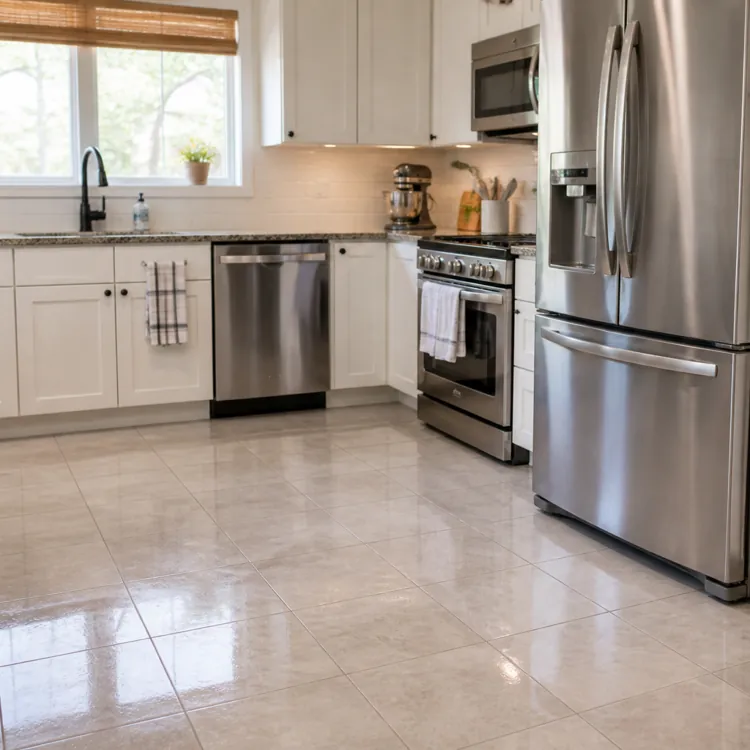
Most homeowners choose tile for its water resistance and physical wear resistance, making it one of the best types of flooring for kitchens and bathrooms. Laminate is a better option for bedrooms and living spaces where homeowners want the look of hardwood at a more reasonable upfront price.
Laminate and tile flooring compared
You can use the table below to get a quick overview of how these types of floors compare and decide which might be best for your space based on its overall performance.
| Laminate | Tile | |
|---|---|---|
| Cost (per sq. ft.) | $3 to $12 | $7 to $25 |
| Lifespan (years) | 15 to 25 | 75 to 100 |
| Ease of maintenance | High | Moderate |
| Water resistance | Low to moderate | Very high |
| Wear resistance | Moderate | Very high |
| Comfort underfoot | Moderate | Low |
| Installation complexity | Very easy | Very challenging |
| Resale value | Moderate | High |
| Best for | Living areas and bedrooms | Kitchens and bathrooms |
Laminate vs. tile for kitchens
Tile is a far better flooring option for kitchens overall because it has much better water and wear resistance. Laminate is a possible option for budget-friendly kitchens. However, most homeowners choose vinyl over laminate if they’re looking to save money on their kitchen floors but still want good long-term value.
Spills and moisture resistance
Water-resistant means the material can only slow down water penetration (laminate), whereas waterproof means the flooring won’t be damaged by standing water (tile).
Laminate offers slightly better performance when it comes to spills because the top layer is impervious, so your flooring won’t stain immediately if you spill food or beverages. However, spills that you don’t get to right away can seep through the seams around your laminate planks and damage and stain the core layer, which readily absorbs liquids.
Spills won’t stain the tile itself, but things like tomato sauce, red wine and coffee can easily stain the grout lines between your tiles, even if you clean up the mess quickly.
When it comes to general moisture resistance, however, tile is a better flooring choice. Tile flooring is completely waterproof. Although water can soak down to your subfloor through grout lines or around the edges of the floor, the risk is low. The seams around laminate planks will more quickly allow water to seep through, damaging the core of your flooring and the subfloor below.
Scratch and dent resistance
Tile is a much more resilient floor when it comes to physical damage, too. It can stand up to constant foot traffic without getting worn down and won’t scratch from pet nails. Although the tiles might crack if you drop a pot or a pan, they won’t dent.
Laminate has a wear layer on top that is resistant to scratches and physical wear, but the material as a whole is much less resistant to damage. Pet nails and foot traffic will more quickly damage laminate, and the material is more prone to denting from impact.
Cleaning and long-term maintenance
Kitchens are key areas to keep clean, so you should consider how easy your desired kitchen flooring material is to clean. Tile is simple, as you can vacuum, wet mop and scrub without worrying about damage. Laminate is more likely to get scratched from debris under a vacuum or heavy scrubbing, and it’s susceptible to water damage from wet mopping.
Keeping the grout lines between kitchen floor tiles clean will require some extra work, but overall, tile is an easier floor to maintain in a kitchen than laminate.
Comfort
One area where tile kitchen floors fall short is comfort. Tile is cold and hard underfoot, so it’s one of the most uncomfortable flooring materials to walk on. Laminate either has an attached underlayment or a separate underlayment that adds a bit of padding, and the material itself is less rigid and more comfortable.
Laminate vs. tile for living rooms
Living rooms have fewer considerations to make when choosing a flooring material because they rarely see leaks and moisture, and spills are far less common than they are in kitchens. Laminate is usually a better option for living rooms, but there are a few factors to consider.
Warmth and underfoot feel
Most homeowners want some semblance of comfort in their living rooms, and on that front, laminate is a much better option.
Laminate doesn’t feel as cold as tile, and it typically has an underlayment that adds some cushioning under the floor. Tile goes down on thinset and adheres directly to your underfloor, which makes it very rigid and hard, and there’s no other underlayment option.
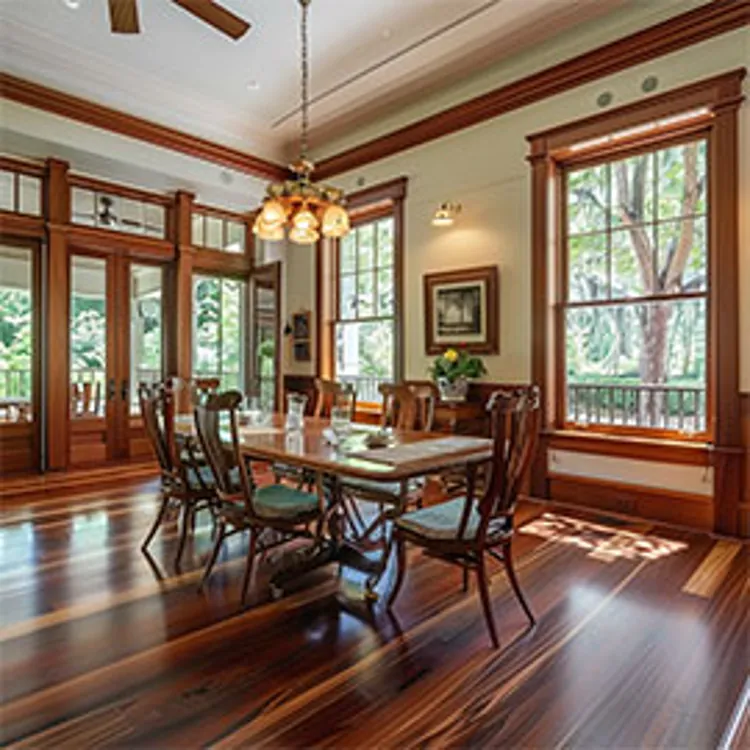
Laminate also resembles hardwood flooring, so homeowners looking for the natural appearance of solid wood floors on a budget typically go with laminate.
» READ MORE: Vinyl vs. laminate vs. wood flooring
Noise reduction
Tile floors will cause sound to bounce off them, which can create a hollow or empty feeling. Most homeowners gather with family and friends in their living rooms and find that the slightly better noise dampening they get from laminate flooring creates a more inviting experience.
Kids, pets and heavy foot traffic
Living rooms tend to see heavy traffic, including activity from children and pets. For those who want the most resilient floor possible, tile is a much better option than laminate, as it will last up to seven times as long.
However, most homeowners will sooner choose a high-end laminate floor with a thick wear layer that can resist scratching, scuffing and physical wear. This strikes a good balance between upfront cost, underfoot feel, appearance and durability.
Matching adjacent flooring
Homeowners also tend to like to match flooring across rooms for a more cohesive feel in their living spaces. Tile is common in kitchens and bathrooms, but for areas that living rooms typically flow into, like dining rooms, hallways and dens, laminate is a more common option. This means that laminate is more likely to create that design flow than tile is.
Cost and installation
On average, you’ll pay between $3 and $12 per square foot to install laminate flooring, whereas tile flooring costs between $7 and $25 per square foot for materials and installation. Tile is a more expensive material, and the installation is much more time-consuming and labor-intensive, which leads to the higher overall cost.
Laminate flooring installation is very simple and straightforward thanks to the click-lock system that many laminate floors use. Pros charge less for the easy labor, and handy DIYers can even tackle the work themselves to save more. Tile requires making sure the subfloor is perfectly level, laying down thinset and spacing tiles, which demands more skill and time.
There are a few additional factors that also contribute to higher installation costs for tile:
- Subfloor repairs: You might need subfloor repairs if a pro finds hidden damage when removing your old floor, and that can add $2 to $10 per square foot to your installation costs. Damage issues are more likely under old tile floors, which are more common in areas where water and moisture are a bigger issue.
- Subfloor leveling: Tile also demands a perfectly flat subfloor to reduce the risk of the material cracking, so you may need to pay extra to level your subfloor. This service costs between $2 and $8 per square foot and is less commonly required under old laminate flooring in dry living spaces.
- Old floor removal and disposal: Tile is hard to remove and heavy, so you’ll pay more for tile flooring removal and disposal than you would for most other materials. Since many homeowners replace tile with tile, you’re likely to see higher costs for flooring removal and disposal when installing a new tile floor.
- DIY vs. professional installation: Laminate flooring installation is a DIY-friendly project, whereas tile almost always demands help from a professional. On average, laminate flooring costs less to install because some subset of homeowners can and will opt to install laminate flooring themselves to save on labor fees.
» COMPARE: The best flooring companies
Long-term ownership costs
While laminate typically has a lower flooring installation cost, you should also consider the long-term value each material offers. Since tile costs about twice as much as laminate, on average, but lasts for up to seven times as long, tile is a better investment and is more likely to save you money in the long run.
| Upfront cost (per sq. ft.) | Lifespan (years) | Cost of ownership per year (per sq. ft.) | |
|---|---|---|---|
| Tile | $7 to $25 | 75 to 100 | $0.07 to $0.33 |
| Laminate | $3 to $12 | 15 to 25 | $0.12 to $0.80 |
FAQ
Do high-end homes use laminate flooring?
It’s rare for high-end homes to use laminate flooring. Laminate flooring is a budget-friendly option, and while some top-of-the-line products can resemble natural materials like hardwood, luxury homes far more often opt for the real thing or go with vinyl flooring that resembles wood instead. Hardwood provides better value over time and maximum visual appeal, while vinyl is a more water-resistant and wear-resistant option than laminate while still providing a high-end look and feel.
What is the downside to laminate flooring?
The primary downside to laminate flooring is that it can swell and deteriorate with prolonged exposure to water and moisture. The core of laminate flooring is made of MDF or HDF, which will absorb water that seeps through the seams between flooring planks or tiles. As a result, it’s not a good fit for most bathrooms, kitchens or basements.
What is the downside to tile flooring?
There are a few downsides to tile flooring, including the cost, comfort and safety. Tile flooring costs between $7 and $25 per square foot, making it one of the most expensive flooring materials. It’s also hard and cold, so it’s not terribly comfortable to walk on, and it can get slippery if it’s wet or moist, creating the potential for slipping and falling in the rooms it’s best suited for.
Is laminate flooring waterproof?
Laminate flooring is water-resistant but not waterproof. It relies on a top protective layer to keep spills, leaks and moisture from getting to the core layer, but water can still seep through seams or around the edges of the flooring and get underneath. Once moisture reaches the MDF core layer, it will almost certainly sustain permanent damage and require total replacement.
Article sources
ConsumerAffairs writers primarily rely on government data, industry experts and original research from other reputable publications to inform their work. Specific sources for this guide include:
- International Association of Certified Home Inspectors, "InterNACHI's Standard Estimated Life Expectancy Chart for Homes." Accessed Oct. 25, 2026.