

Vinyl vs. laminate flooring: Key differences
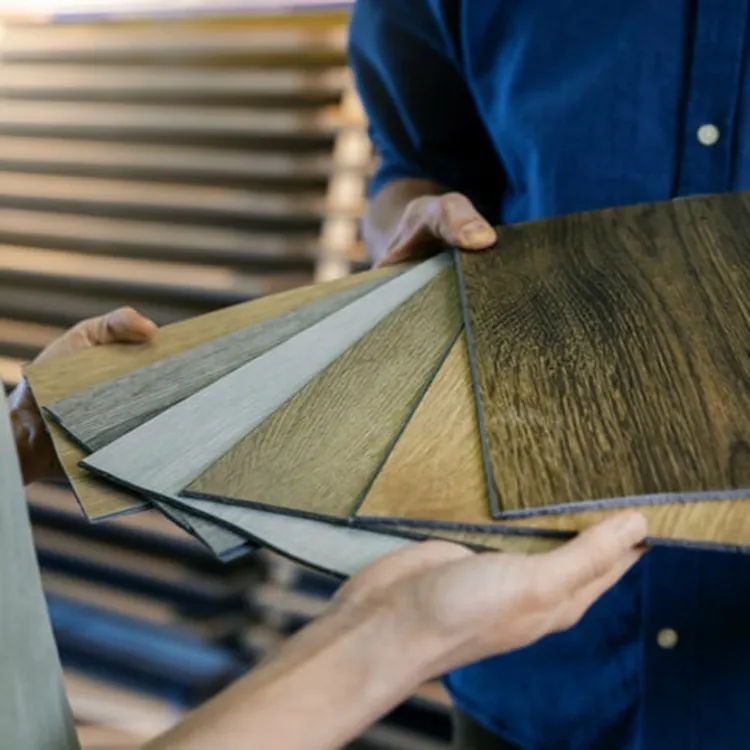
Vinyl flooring is made with a polyvinyl chloride (PVC) core. On top of that is a design layer that mimics a natural flooring material, like wood, and a wear layer that protects the flooring from physical damage. Some of the best vinyl flooring companies add a backing layer under the core layer, which acts as an attached underlayment for comfort and sound dampening.
Laminate flooring has a core made of high-density fiberboard, which consists of compressed wood pulp. It also has a design layer and a wear layer. Some of the best laminate flooring companies also include a pre-attached underlayment for easy installation.
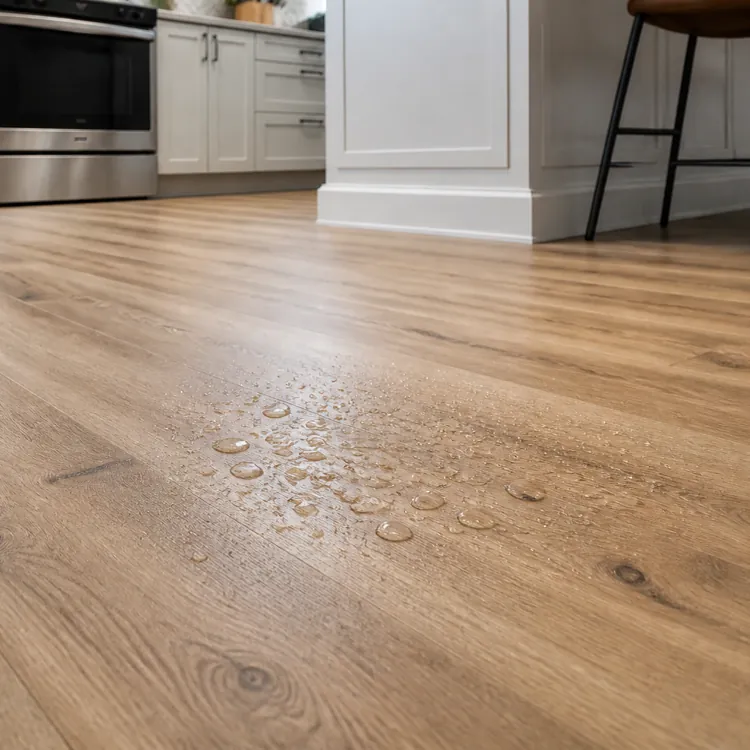
The biggest difference to be aware of when it comes to vinyl vs. laminate flooring is water resistance. Vinyl’s PVC core is truly waterproof, whereas laminate's wood-based core can absorb water and moisture, leading to permanent damage over time. As such, vinyl is a better option for rooms like kitchens and bathrooms where leaks are possible.
Vinyl is also more durable overall and offers better wear resistance and a longer lifespan. However, it’s more expensive, averaging $4 to $14 per square foot, while laminate flooring is one of the most affordable flooring materials, costing $3 to $12 per square foot.
Vinyl vs. laminate flooring: Side-by-side comparison
The table below includes a quick breakdown of how vinyl and laminate flooring compare to help you choose the best option for your next flooring project.
| Vinyl flooring | Laminate flooring | |
|---|---|---|
| Best choice for | Value | Affordability |
| Best rooms | Any | Bedrooms, dry living areas and laundry rooms |
| Water resistance | High | Moderate |
| Scratch resistance | High | Moderate |
| Comfort | Moderate | Moderate |
| Sound dampening | Moderate | Moderate |
| Ease of maintenance | High | Moderate |
| Cost (per sq. ft., installed) | $4 to $14 | $3 to $12 |
Vinyl vs. laminate for water resistance
Water resistance is a key metric to think about when installing flooring, particularly in rooms where leaks from plumbing systems, heating systems and appliances are possible. It’s always best to prioritize water resistance in kitchens, bathrooms, laundry rooms and utility rooms. Overall, vinyl flooring has greater water resistance than laminate flooring.
Vinyl flooring itself is impervious and will never warp with exposure to water or moisture. However, the seams between vinyl planks or tiles can leak with prolonged exposure, meaning your subfloor can still suffer damage from standing water or ongoing leaks.
Laminate flooring also has seams that can leak and damage the subfloor, but the flooring material itself can also absorb water and moisture. The high-density fiberboard that makes up the core of laminate flooring can expand, warp and deteriorate. As such, it’s not as safe an option in rooms where water leaks or spills are a concern.
“Laminate resists everyday scratches, [but] once standing water gets into the seams, swelling can be permanent,” said Brian Rocha, vice president of sales and marketing at Ashby Lumber, a lumber and building materials supplier based in Berkeley, California.
Standing water and spills
Vinyl flooring is a better option when standing water is a possibility. Unrecognized leaks or persistent leaks can soak into laminate flooring over time, and once it reaches the core layer, your flooring is destroyed. You may still have subfloor damage after vinyl flooring sees prolonged water exposure, but the flooring material itself will be unharmed.
“Vinyl is basically waterproof, which is why it's taken over kitchens, bathrooms, and basements,” said Mike Solomich, a design consultant with Quality Hardwoods of Michigan. “It's tough, easy enough for homeowners to install themselves, and sits in that price range between laminate and hardwood.”
Spills in kitchens are less of a concern with these flooring materials. You should always clean up spills quickly, but modern laminate and vinyl flooring with good seam protection can resist spill damage for 24 to 72 hours. As long as you’re reasonably diligent with cleanup, spills shouldn’t be a major concern.
Humidity and moisture
Even in areas where water isn’t a problem, humidity changes and prolonged moisture exposure can be. Damp basements and bathrooms can see dramatic swings in moisture levels, so your flooring should handle humidity changes and moisture that could wick through your concrete foundation.
As you might expect, vinyl is a better option than laminate in areas where moisture is a concern. You could still see damage to other building materials, but vinyl flooring will never swell or warp, even from high moisture content. Laminate flooring can suffer permanent damage from humidity changes and moisture.
“Since moisture is part of the normal daily use in kitchens, bathrooms, laundry rooms, mudrooms and basements, vinyl is the more appropriate choice,” said Rocha.
Subfloor considerations
Consider the subfloor in your space when deciding between vinyl and laminate flooring. Ventilated subfloors, like plywood over flooring joists, are a better fit for laminate flooring.
If you’re installing over a concrete foundation or cement backerboards in a bathroom or kitchen, always choose vinyl. For waterproof subfloors in wet spaces, vinyl is still a far better option than laminate, but you should also consider how tile and vinyl floors compare in water resistance and comfort.
Moisture barriers and underlayment
Moisture can wick up through concrete and accumulate under your flooring, so consider a moisture barrier if you’re installing over concrete. In these cases, laminate flooring can swell and warp, so even with a moisture barrier, it’s not ideal. With vinyl flooring, you might still deal with mold growth, but the flooring will never suffer damage from moisture.
You’ll also sometimes need to choose flooring underlayment. “Laminate is typically best over a good foam underlayment with vapor barrier on concrete, while most rigid-core vinyls come with an attached underlayment,” said Rocha.
Vinyl vs. laminate for durability and wear
The flooring in your home will stand up to some foot traffic, so resistance to physical wear is another important factor to consider when choosing flooring. When comparing materials for durability, consider your home and lifestyle.
Scratches, dents and pet traffic
First, think about the activity your space will see. Both vinyl and laminate have a top wear layer that can withstand foot traffic, scuffs from furniture, dents from drops and even scratches from pet nails.
Either option can work well in busy rooms, but vinyl offers better long-term value. On average, vinyl flooring lasts 25 years, while laminate flooring lasts 15 to 25 years. This longer lifespan is a big reason many homeowners choose vinyl over laminate for busy lifestyles.
Sunlight fading and discoloration
Similarly, both vinyl and laminate can handle sunlight exposure well. Some flooring materials, like marble and hardwood, can yellow and discolor over time. Vinyl and laminate floors usually use stabilizers that protect against UV rays, making them equally good options in spaces with lots of natural light.
However, laminate generally retains color better with sunlight exposure, while the PVC in vinyl can discolor over time.
Warranties and repairability
Most flooring comes with a manufacturer’s warranty, and you should compare coverage carefully to find the best material and product. While coverage varies across product lines and manufacturers, vinyl and laminate are about equal in warranty coverage.
For example, Shaw Floors offers “Pet Perfect” flooring options in both vinyl and laminate, and the warranty coverage for both includes 30-year scratch resistance and lifetime stain resistance. Make sure you check your coverage before committing to a product.
Vinyl and laminate floors are also about equal when it comes to repairability. In most cases, a professional can remove damaged planks or tiles and replace them to fix the issue.
Vinyl vs. laminate for cost and installation
On average, vinyl flooring installation costs between $4 and $14 per square foot, while laminate averages between $3 and $12 per square foot, including materials and labor. Remember that vinyl flooring boasts a longer average lifespan and better water and moisture resistance, so vinyl is the better option for long-term value. Make sure you consider these added costs, too:
- Subfloor repairs: If your pro finds unexpected subfloor damage, you may need to pay an additional $2 to $10 per square foot for repairs. If you need floor leveling, expect to pay $2 to $8 per square foot instead.
- Underlayment: Underlayment prices can vary based on the material and the complexity of your room, and some pros include this in their estimates. Ask your professional if you’ll see additional fees for underlayment, especially if you want to upgrade for added comfort or moisture protection.
- Old flooring removal and disposal: Some professionals charge extra to remove and haul away your old flooring, so you could pay an additional $1 to $4 per square foot for this service. Expect higher costs for materials like tile that are heavier and harder to remove.
- Removing and reinstalling baseboard trim: This service is sometimes included, but if not, you’ll pay between $2 and $6 per linear foot.
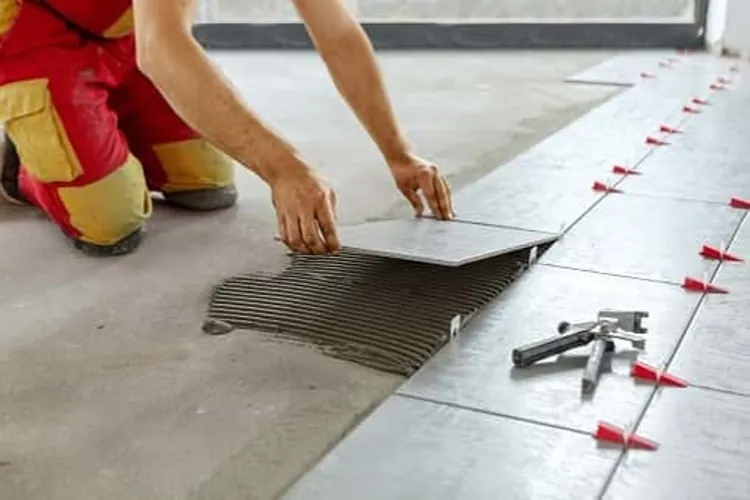
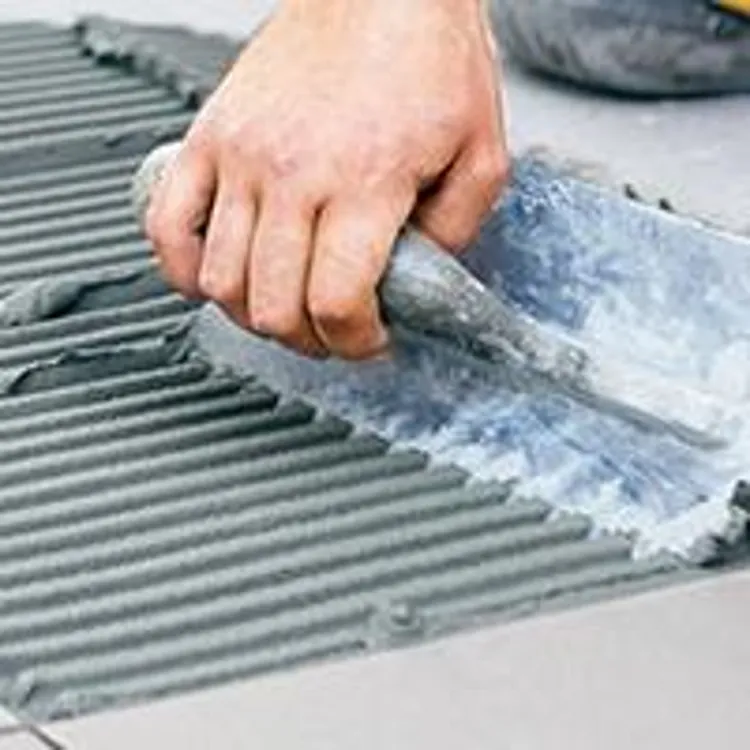
The most common vinyl floors are luxury vinyl plank (LVP) or luxury vinyl tile (LVT). You can install these as “floating floors,” which means they just sit on top of your underlayment, or as glue-down floors, in which case your pro will adhere them to your subfloor using adhesive. Sheet vinyl is a less common option that comes in a single sheet and adheres to your subfloor.
Laminate floors always come in planks or tiles, and you have the same installation options: floating floors or glue-down floors. Laminate flooring installation costs are lowest with a floating floor.
You can DIY a floating floor installation, but professional installation is still a good idea to ensure a good finished appearance and performance. If you choose sheet vinyl, or if you prefer glue-down floors to reduce floor movement and noise, you should always hire a professional flooring company.
FAQ
Do high-end homes use laminate flooring?
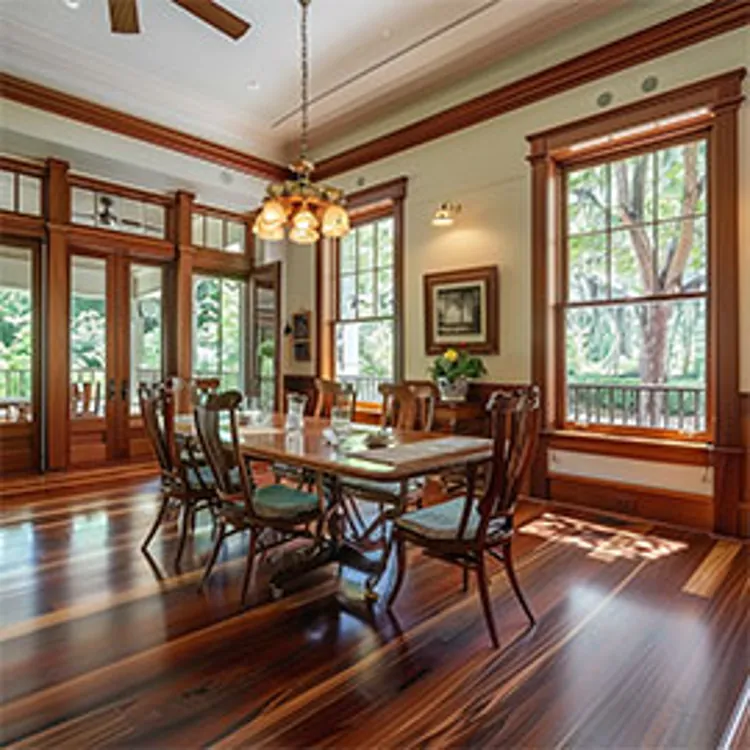
Most high-end homes do not use laminate flooring, as many homeowners don’t like the look of the material and prefer the natural options that laminate imitates. More often, you’ll see luxury vinyl plank (LVP), tile or stone in moisture-prone living spaces and solid hardwood or engineered wood in dry living areas.
How much does laminate flooring cost for a 2,000-square-foot house?
The average cost to install laminate flooring in a 2,000-square-foot home is between $6,000 and $24,000. This is based on the per-square-foot cost of $3 to $12, but note that prices can vary widely based on room complexity, your old flooring, subfloor condition and more. Laminate also isn’t ideal in rooms prone to moisture and water, so budget for more water-resistant materials in those areas.
Can you install vinyl or laminate over existing floors?
You can install vinyl or laminate over existing floors, but it’s usually best to remove the old floor first. Removing the old floor can expose subfloor damage and help you decide if you need additional repairs or special underlayments to prevent ongoing moisture or water problems.
Does laminate flooring increase home value?
Any new flooring material, including laminate, can increase home value if it’s replacing an old, obviously worn floor. However, many homeowners don’t love the look of laminate flooring and prefer higher-end materials, like vinyl, engineered wood, solid wood, tile or stone. If you’re replacing floors to boost property value, choosing a more desirable and durable material is a good idea.
Bottom line
Vinyl is a better flooring option for rooms that may see exposure to water and moisture, including kitchens, bathrooms and laundry rooms. Laminate is a good option in dry spaces, but most homeowners prefer vinyl for its longer lifespan, greater durability and appearance. Vinyl flooring costs $4 to $14 per square foot, while laminate costs $3 to $12 per square foot.
Article sources
ConsumerAffairs writers primarily rely on government data, industry experts and original research from other reputable publications to inform their work. Specific sources for this article include:
- Tarkett, "What is vinyl flooring and how is it made?" Accessed Aug. 14, 2026.
- Wikimedia Foundation, Inc., "Laminate flooring." Accessed Aug. 14, 2026.
- International Association of Certified Home Inspectors, "InterNACHI's Standard Estimated Life Expectancy Chart for Homes." Accessed Aug. 14, 2026.
- Shaw Industries Group, "Pet Perfect Residential Luxury Vinyl Limited Warranty." Accessed Aug. 14, 2026.
- Shaw Industries Group, "Pet Perfect Residential Laminate Limited Warranty." Accessed Aug. 14, 2026.