

Engineered hardwood installation cost per square foot
The average cost to install engineered hardwood flooring is between $6 and $15 per square foot. In most cases, materials account for 50% to 80% of the total, or $3 to $12 per square foot. Labor accounts for 20% to 50%, or $1.20 to $7.50 per square foot.
Engineered wood is a mid-range material in terms of cost. Compare it with the cost of other flooring types to find the best value, but always weigh quality and longevity alongside budget. For example, engineered wood costs $2 to $5 less per square foot than hardwood, but it lasts half as long. So you get less value over time despite the lower upfront cost.
Larger projects with more square feet to cover will always drive up your total costs, but you may see a slightly lower per-square-foot cost for bigger projects because some fixed costs, like travel, tool maintenance and insurance, get spread out over more work.
» MORE: How to choose the right flooring
Most flooring installers will include the following in your flooring estimate:
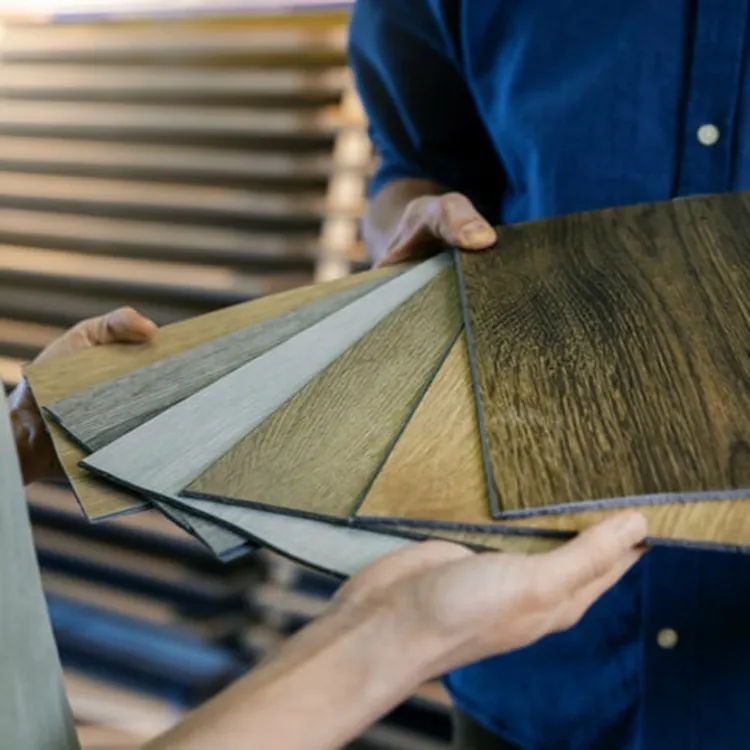
- Engineered hardwood planks: All flooring estimates should include the flooring material unless you supply the materials yourself. Check the estimate for brand, plank width, color and finish options before committing to the work.
- Underlayment: Cork or foam are common underlayment options for engineered wood, and one of them is usually included in your estimate. Some engineered wood flooring has preinstalled underlayment and doesn’t require a standalone product.
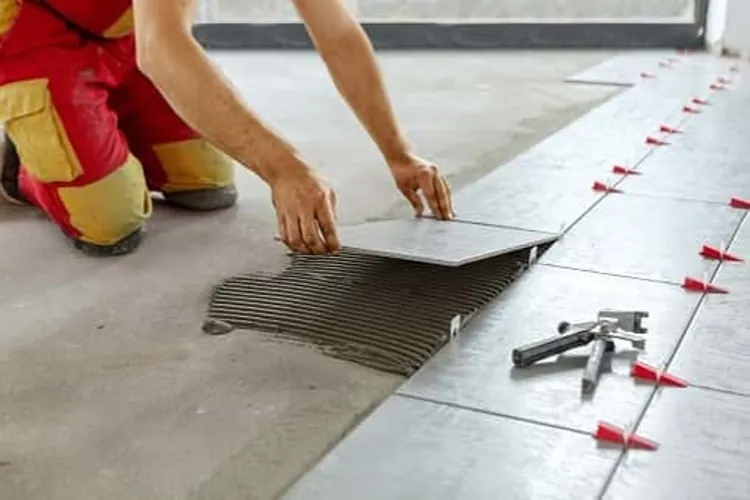
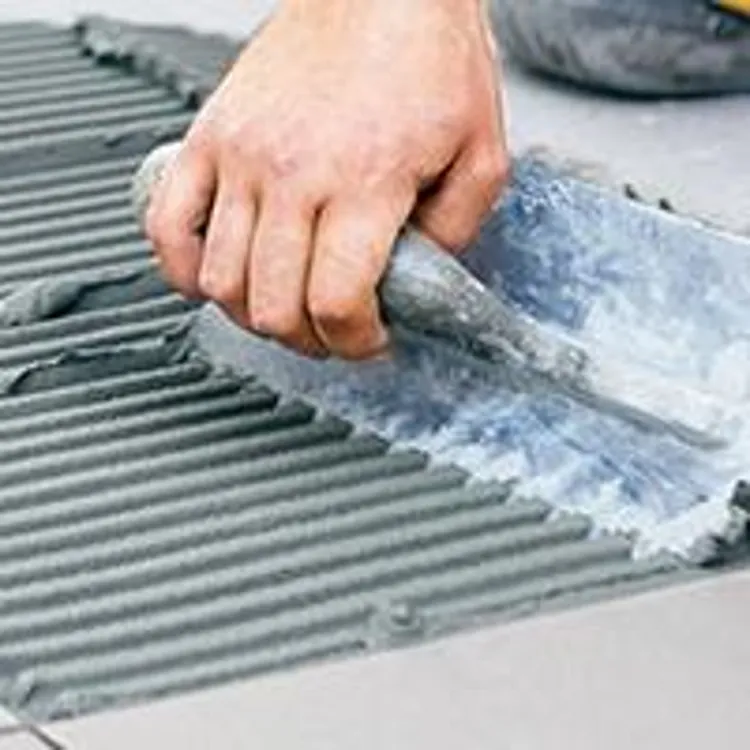
- Adhesive or fasteners: You can install engineered wood as a floating floor, but most installers use adhesive for a glue-down installation or fasteners for a nail-down installation. Installers will include these in your materials cost.
- Installation labor: Estimates should include the cost to install the underlayment and the flooring product itself.
- Basic finishing work: Flooring installation costs usually include basic finishing work, like installing transitions between rooms. Other work, like installing baseboard trim, typically comes with an added fee.
Installation labor rates for engineered hardwood
The installation labor for engineered wood floors costs between $1.20 and $7.50 per square foot. A few key factors can affect your labor rates, including the following.
Room size
Most flooring installers charge by the square foot, except for very small projects, which more often come with a minimum fee of a few hundred dollars. Larger rooms will almost always cost more to install.
Room complexity
The more measuring and cutting your installer needs to do to work around bump-outs, corners, closets, built-in furniture, chimneys and other obstructions, the longer it will take and the higher your labor costs will be. Complex room layouts can also mean more cut-offs and wasted material, which also pushes material costs higher.
Desired pattern
A standard floor where the planks run parallel to the longest wall in your room will come with the lowest installation cost. Expect to pay more for materials and labor if you want a herringbone or chevron pattern, which takes longer to install and creates more material waste.
Installation method
Choosing an installation method means weighing its cost against the stability and noise of the finished floor.
- A floating engineered wood floor is the most affordable to install, but it can shift and make noise underfoot.
- A nail-down installation takes longer and drives costs higher, but it helps reduce shifting and floor noise.
- A glue-down installation takes the longest and costs the most, but it gives you a solid floor with no movement or noise.
DIY vs. hiring a professional
If you’re comfortable with a floating floor and have some DIY experience, you could bring your labor costs down to $0 per square foot by doing the work yourself. This could save you up to 50% on your total flooring costs.
Warranty coverage
Some flooring companies offer a labor warranty on top of the manufacturer’s warranty that comes with your flooring product. Companies that provide a labor warranty are often more expensive, but you usually have a better chance of experiencing a smooth installation without hiccups or problems down the road.
Underlayment requirements
Labor costs will be higher if your engineered wood flooring doesn’t have a preinstalled underlayment since your professional will need to install an additional material, which makes the job take longer.
Have your installer inspect the subfloor before giving you a final installation quote.
Geographical location
Labor costs for flooring installation vary by location, as hourly rates typically scale with the local cost of living. Expect to pay more in high-cost states and in and around major metropolitan areas.
»RELATED: Best flooring companies
Factors that affect engineered hardwood material costs
Material costs can also vary widely between engineered wood flooring products. Compare your options and consider the following factors carefully to find the best value.
Wood quality and thickness
Pay attention to the total thickness of your engineered wood floors and the solid wood on top. Total thickness affects how your floor feels and how much it flexes as you walk on it. The solid-wood layer thickness determines how often you can sand and refinish it before reaching the core — and having to replace it.
Wood grade
Engineered wood floors are similar to solid wood in that they come in different grades. Clear grade has the highest color and grain uniformity and no imperfections. This is followed by Select, No. 1 Common and No. 2 Common grades, which have increasing imperfections and color and grain variations. Higher grades mean higher material costs, but a cleaner appearance.
» COMPARE: Engineered hardwood vs. solid hardwood
Wood species
Pine is one of the most affordable species for engineered wood floors and is more likely to bring your all-in costs closer to $6 per square foot. However, it’s less durable than oak, maple and walnut, which push costs closer to $15 per square foot. And you could pay much more than that for exotic species, like mahogany or teak.
Plank width
Wider planks tend to drive material costs higher, especially if you choose a high wood grade. Wider planks have more surface area that must be uniform and free of defects, making them less common and more costly to source.
Preinstalled underlayment
Engineered wood can come with a preinstalled underlayment. This option will drive material costs higher, but usually averages out to about the same as buying flooring without an attached underlayment and paying your installer to lay down underlayment first.
Finish
Engineered wood floors usually come prefinished, but you may find unfinished planks that are usually more affordable. If you’re comfortable staining and applying a protective polyurethane coat yourself, you could save on material costs by going with an unfinished flooring product.
Warranty
Engineered wood flooring brands that offer longer warranties are usually more confident in their products because of higher quality, so flooring with longer warranty coverage may come at a higher cost. Balance cost and longevity to find the best value.
Engineered hardwood installation add-ons and extras
Installing any new flooring material is rarely as simple as budgeting for the average cost per square foot for your space. Subfloor damage and an uneven subfloor can require repairs that add unexpected costs, while add-ons like trim and extra transitions can predictably add to your total.
Here’s a list of some of the add-on costs you might want to budget for, depending on your project.
Flooring removal and disposal
Some flooring professionals include this in their estimates. If yours doesn’t, add $1 to $4 per square foot to your total. You’ll pay closer to the lower end for carpet and laminate, which are lightweight and easy to remove, and closer to the upper end for tile and stone, which are heavy, expensive to dump and hard to remove.
Subfloor repairs
Engineered wood can handle some unevenness in your subfloor, but it’s a good idea to repair any damage your professional uncovers when ripping up the old material. Subfloor repairs can add between $2 and $10 per square foot to your costs.
Subfloor leveling
Leveling a subfloor can add $2 to $8 per square foot. However, this is more common with concrete subfloors, which don’t typically pair well with engineered wood floors, as they’re sensitive to moisture that can wick up through the concrete.
Moisture barrier
If you install engineered wood floors over concrete, invest in a moisture barrier to protect the material from moisture rising from the ground. Vapor barriers cost around 15 cents per square foot for materials, but your installer will likely also charge a small flat fee for the installation.
Transitions
In most cases, your installer will include transition material costs in your estimate, but if yours doesn’t, expect to pay $20 to $40 per transition for the materials. Labor is usually included in your total labor cost.
Baseboard trim
Removing and reinstalling baseboard trim will add between $2 and $6 per linear foot to your total, but costs can increase for materials and labor if you need your professional to cut and install entirely new trim.
Furniture moving
Some installers include furniture moving in their estimates, while others expect you to do it yourself. Costs can vary widely based on the room size, the pieces of furniture you have, whether disassembly is necessary and how easy it is to move your furniture before installation.
Typical costs for common engineered wood add-ons
Here’s a breakdown of some add-on pricing you may need to consider to get an accurate estimate for your project.
| Service/material | Typical cost |
|---|---|
| Removing and disposing of old floor | $1 to $4 per square foot |
| Subfloor repairs | $2 to $10 per square foot |
| Subfloor leveling | $2 to $8 per square foot |
| Moisture barrier | 15 cents per square foot (materials only) |
| Transitions | $20 to $40 each (materials only) |
| Baseboard trim installation | $2 to $6 per linear foot |
| Furniture moving | Varies widely |
What is the downside of engineered hardwood flooring?
The primary downside of engineered hardwood flooring is its limited resistance to water and moisture. The plywood core is less reactive to moisture than solid wood. However, the material will still swell, buckle and warp with prolonged exposure to water or with dramatic changes in humidity and moisture content.
How much does Lowe's charge to install engineered hardwood?
Lowe’s charges $1.99 or more per square foot to install flooring, not including the materials. This base price is for basic installation, so anything that complicates the job, like a complex room layout, subfloor repairs or a glue-down installation, will drive up the labor costs.
Is engineered hardwood cheaper to install than solid hardwood?
Yes, engineered hardwood is almost always cheaper to install than solid hardwood. Although the installation process is almost identical and labor costs are about equal, solid hardwood will cost more. Engineered wood floors cost between $6 and $15 per square foot to install, including materials and labor, while solid hardwood floors cost $8 to $20 per square foot.
How long do engineered hardwood floors last?
Engineered hardwood floors can last 50 years or more with proper maintenance. The lifespan you’ll see depends on how much foot traffic your floors get, whether they’re exposed to water or moisture and the quality of the materials and installation. You can sand and refinish your engineered wood floors a few times within that timeframe to keep them looking new.
Bottom line
Engineered wood flooring costs between $6 and $15 per square foot, including materials and labor. Your exact costs will depend on wood species, wear layer thickness, board thickness, underlayment, room complexity, subfloor condition, required prep work and more. Contact a professional flooring installer to get an accurate quote for your project.
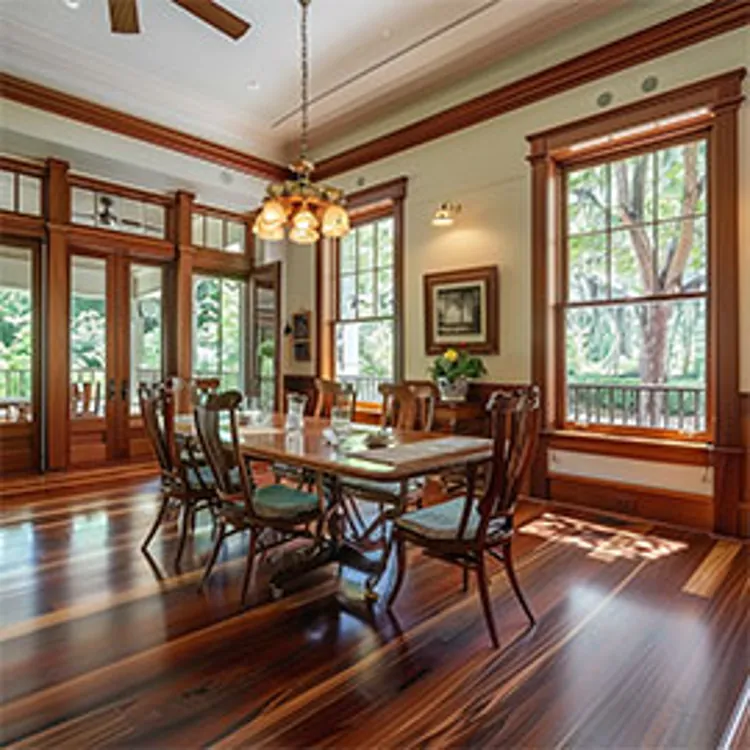
Installing engineered hardwood can be worth it if you want the look of real wood at a lower price and with easier installation. If you’re seeking to balance style, durability and value without the premium cost of solid hardwood, this flooring option might be for you.
Article sources
ConsumerAffairs writers primarily rely on government data, industry experts and original research from other reputable publications to inform their work. Specific sources for this article include:
- Kimminau Wood Floors, "Understanding Wood Floor Grades: What NOFMA Standards Really Mean." Accessed Aug. 20, 2026.
- The Home Depot, "Wood floor transition." Accessed Aug. 20, 2026.
- Lowe's, "Hardwood Flooring Installation." Accessed Aug. 20, 2026.
- International Association of Certified Home Inspectors, "InterNACHI's Standard Estimated Life Expectancy Chart for Homes." Accessed Aug. 20, 2026.