


Common alternatives to walk-in tubs
There are a range of alternative options to walk-in tubs that prioritize safety without requiring such a steep upfront cost. The following sections outline some of the most common alternatives to walk-in tubs that come at a cheaper price point.
» DO YOU NEED ONE? Top walk-in tubs
Grab bars and safety rails
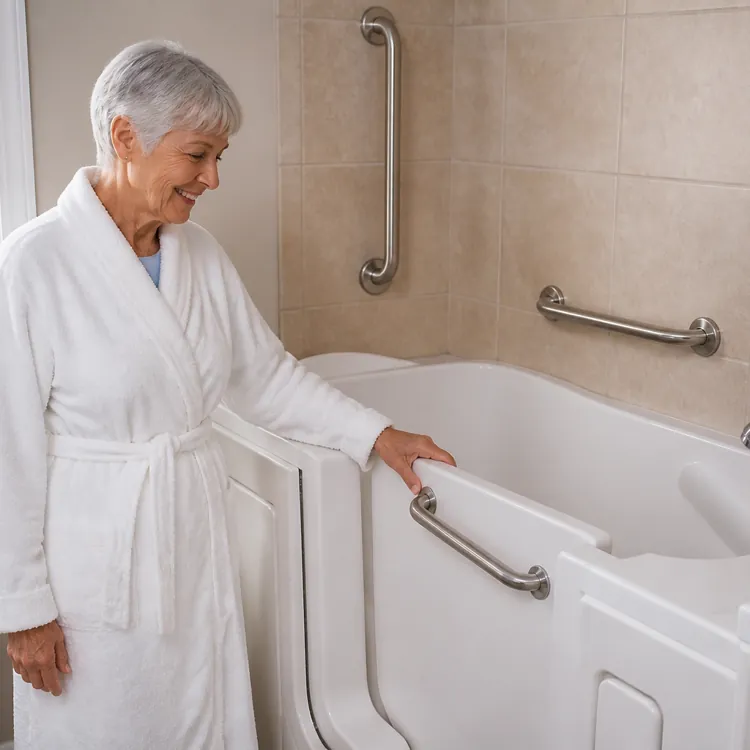
Shower grab bars and safety rails provide more stability and can help prevent slips getting in or out of the shower or bathtub. Grab bars can be mounted directly into the wall or suctioned to a clean surface. Safety rails are also available and can be secured onto a tub wall to provide added stability.
Grab bars and safety rails are designed for specific locations in the bathroom. Some are made for the edge of a tub, while others are designed for the wall of a shower. If you opt for a grab bar or safety rail, follow the installation instructions to ensure it’s safe to use.
Anti-slip mats
Another cost-effective alternative to walk-in tubs is an anti-slip mat. These mats can help to prevent slips and falls because they provide a more textured surface to stand on and improve foot grip. Anti-slip mats securely adhere to the floor of a shower or bathtub using suction cups or waterproof adhesive strips. This option is usually very affordable and can be used in combination with a grab bar or safety rail.
Transfer benches and shower chairs
A transfer bench helps people with mobility issues safely enter and exit the shower or bathtub. This option is a long bench that stretches across the tub or shower opening, so the user can sit down and slide into the tub without needing to step over the tub wall. You could also try a shower chair, which can help you steady yourself once you’re inside the shower.
Depending on what you hope to get out of a walk-in tub, one or several of these alternatives might be able to meet the same need at a fraction of the cost.
If it was me, I’d probably just want a shower chair and a shower I could walk into without a step.”
Walk-in shower
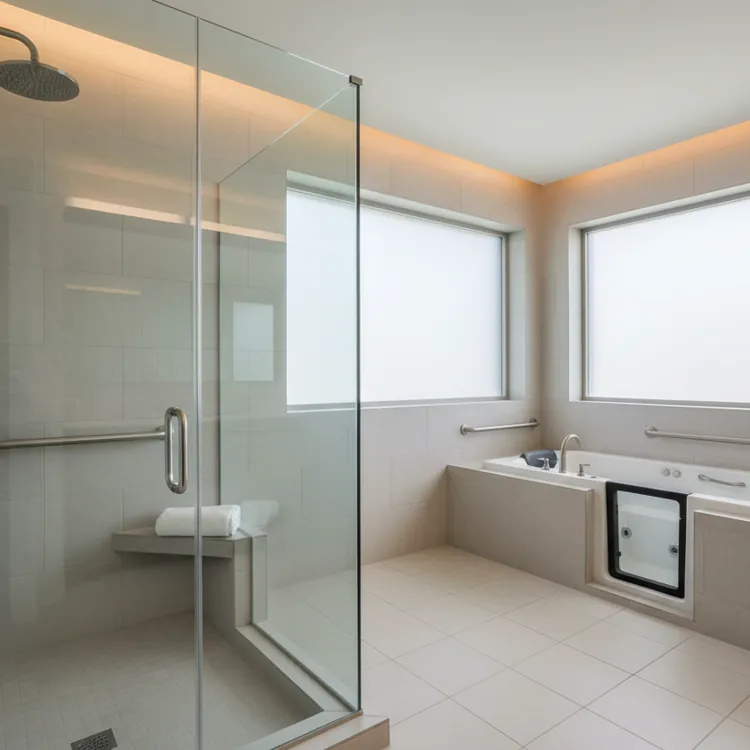
A walk-in shower is typically more accessible because it doesn’t require you to step over a tub wall to enter. While walk-in showers usually aren’t much cheaper than a walk-in tub, they could be a possible alternative for anyone who wants a low step threshold (safer entry) plus more versatile design options. These showers range in cost from $4,000 to $10,000.
The main difference between a walk-in shower and a walk-in tub is that you can sit or stand once you’re inside the shower. In combination with a rolling shower chair, it could be a practical solution for a safe, wheelchair-accessible bathing space.
Kohler LuxStone Walk-in Showers

- Pros
- Customizable designs; optional safety features; takes up less space
- Cons
- Expensive; complicated installation
Hot tub
A hot tub won’t be the best alternative for everyone, especially if the cost of a walk-in tub is a problem. It’s not a solution for safer bathing, but some of the benefits of hot tubs are similar to the perks of walk-in tubs, like massaging jets, built-in LEDs and remote control panels. Depending on the size and style you want, a hot tub could cost up to $25,000 before factoring in the cost of installation and yearly maintenance.
» DISCOVER: How much does a hot tub cost?
Master Spas

- Pros
- Easier to install; therapeutic benefits
- Cons
- Not for bathing or washing
Medical alert system
If you live alone or are worried about falling, you could consider getting a medical alert system in addition to the safety options already discussed. Compared to the price of walk-in tubs, medical alert costs are relatively affordable (and more transparent). You usually pay a monthly subscription fee, typically $20 to $60.
A medical alert system won’t prevent falls, but it could make it easier to get help if a fall happens in the shower or somewhere else. Depending on which device or watch you choose, feature options might include medical alert apps, automatic fall detection and GPS. Many medical alert system devices are waterproof, so they will still function in the shower or bathtub.
Medical Guardian

- Pros
- 24/7 professional monitoring service; more affordable; lightweight devices
- Cons
- Doesn’t detect 100% of falls
Shower chair
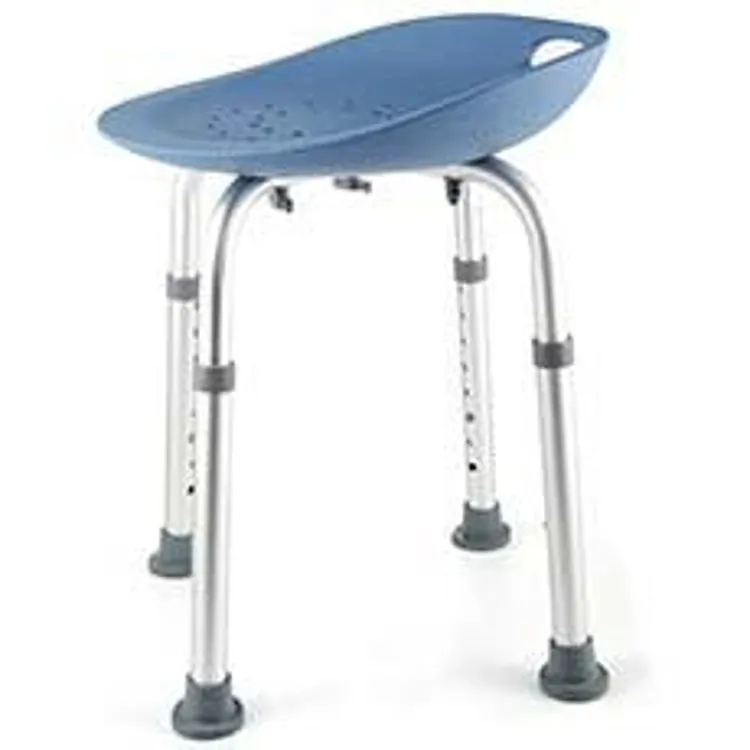
Much like it sounds, a shower chair is a waterproof seat with four legs. These usually cost between $30 and $200. Higher-end models come with backrests and padding for extra comfort.
You can find these online and at stores like Lowe’s, Home Depot and Walgreens. Consider costs, frame materials and weight limits to find the right shower chair for you. They’re usually eligible for flexible spending account (FSA) and health savings account (HSA) reimbursements.
Remedic Safety Shower Chair
Transfer bench
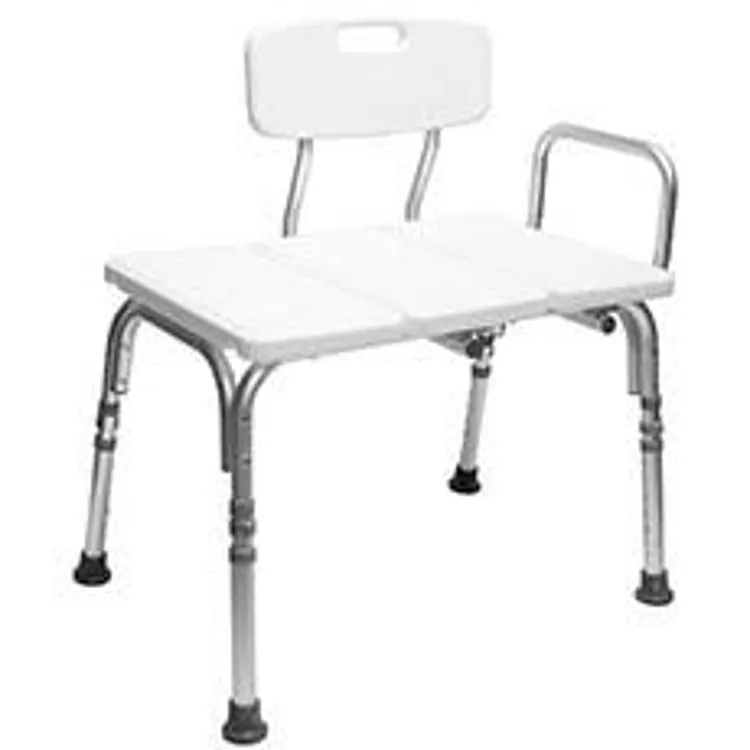
Bath transfer benches make getting in and out of the tub easier. They come with a handle so you can steady yourself as you swing your legs in and slide over into the tub.
A transfer bench generally costs between $50 and $300. Most are eligible for FHA or HSA reimbursements.
Carex Tub Transfer Bench
Bath lift
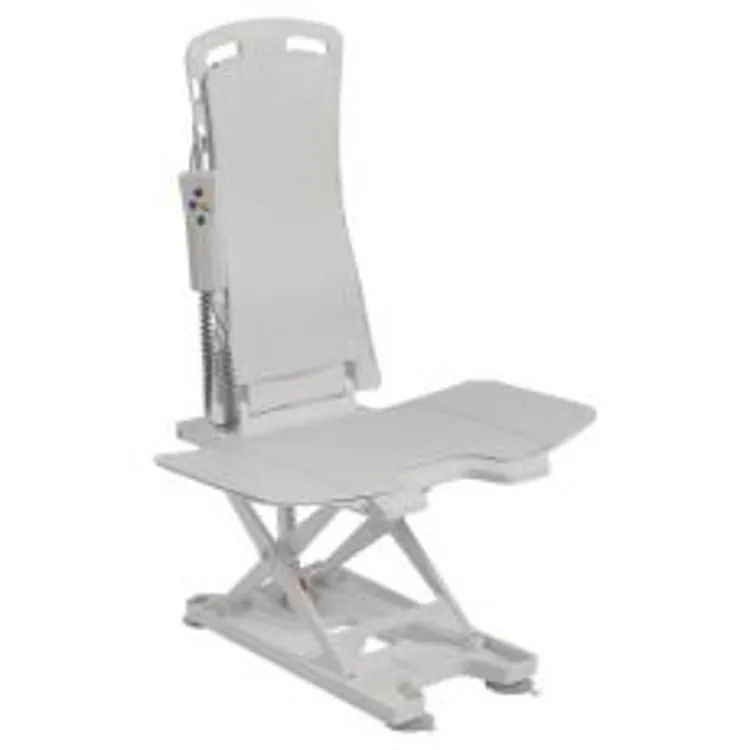
Bath lifts usually have a high back and open sides. Most run on batteries and come with a remote control. Some models recline, while others are set in an upright position.
A bath lift is similar to a transfer bench but does more of the work for you. You press a button to raise your seat to the tub’s height to get in or out. For bathing, you can lower the seat into the basin. Bath lifts prices are usually between $300 and $1,000.
Drive Bellavita
Rolling shower chair
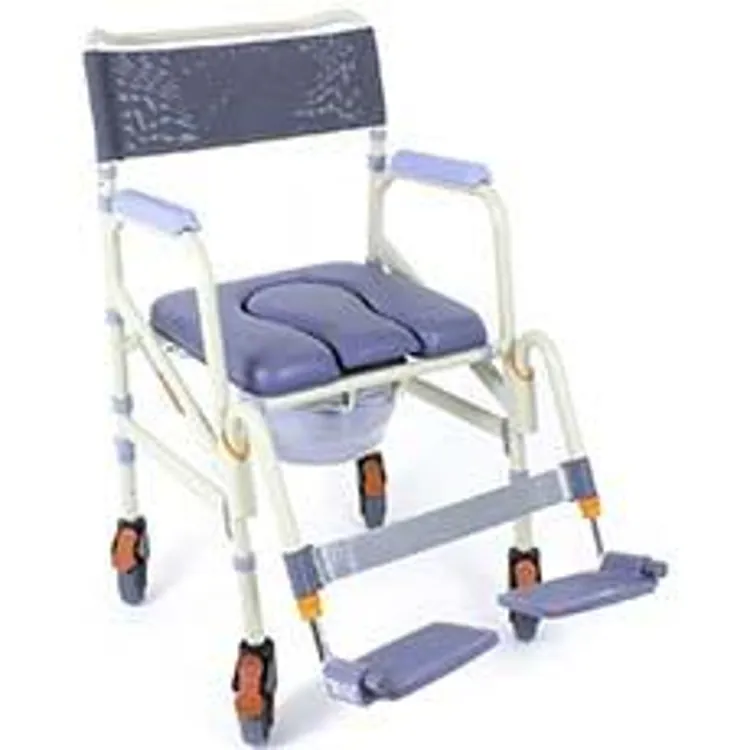
A rolling shower chair is like a transport wheelchair, except it’s waterproof and specifically designed for use while bathing.
This type of chair can be good for anyone with limited mobility issues. It’s also popular among caregivers. Rolling shower chairs typically cost between $300 and $1,500.
Showerbuddy
Senior living options
Some people think getting a walk-in tub will help them stay in their homes longer. It’s typical to want to avoid losing independence, and some aging-in-place modifications can help, including walk-in tubs and stair lifts. Whether or not it’s a strategic investment depends on your long-term care needs.
- Assisted living: Signs it’s time for this type of facility include recent falls and worsening health problems. It costs an average of $4,300 per month, and, of course, there are pros and cons to assisted living.
- In-home care: Depending on your needs, paying for in-home care can cost even more than assisted living. On the plus side, though, you get the perks of staying at home plus the help of professionals.
- Nursing home: Nursing homes can offer the highest level of care for older people, but they aren’t cheap. Costs average about $8,000 to $9,000 per month.
For more, check out our tips for picking a senior living option.
FAQ
Is it better to have a walk-in shower or tub?
Both walk-in showers and walk-in bathtubs can be safe options for those with mobility issues. Walk-in tubs come with more therapy options, but they usually take up more space and are often a big investment.
What is the best bathing option for seniors?
While walk-in showers and tubs are ideal for seniors, more affordable solutions include bath lifts and benches. Hot tubs are also on the pricey side, but they are more versatile. A medical alert service or assisted living facility could be worth considering for those who live alone or struggle with daily tasks, such as bathing or climbing stairs.
Are baths safe for senior citizens?
The chance of serious bath- and shower-related injuries increases with age, according to the Centers for Disease Control and Prevention. So, if you (or your loved ones) are starting to feel uneasy, it’s best to make a change — whether that's as simple as upgrading to a nonslip mat and installing grab bars or investing in a walk-in tub.
How much does it cost to add a shower to a walk-in tub?
The price will depend on your current walk-in tub’s condition, plumbing and whether you hire a professional or do it yourself. You can expect to pay between $40 and $300 for a DIY shower kit, whereas you’ll likely up to $200 an hour if you hire a licensed plumber to add a shower to your walk-in tub.
Article sources
ConsumerAffairs writers primarily rely on government data, industry experts and original research from other reputable publications to inform their work.
- Centers for Disease Control and Prevention, “Nonfatal Bathroom Injuries Among Persons Aged > 15 Years.” Accessed April 29, 2026.