



Tiered modification options and cost framework
Aging in place is cheaper and more comfortable than going the assisted living route for many people. A typical assisted living home is pricey, costing around $5,500 a month, or $66,000 a year, based on median data from all 50 states. In contrast, the national average of remodeling a home for aging in place is only $3,000 to $15,000, and you can make smaller DIY improvements yourself for even less.
Let's look at a few options based on your budget.
Quick fixes: $50 to $500
We'll cover many of these quick fixes in this article; easier updates you can make for as little as $50 to $500. These include updating your lighting with motion sensors so it's safer to walk in dim areas or at night, or adding grab bars in the bathroom. You can also get threshold ramps to help prevent trips at the front door for as little as $75 to $125.
Mid-range upgrades: $1,000 to $5,000
A mid-range home modification may cost around $1,000 to $5,000. This could include a lift for the stairs, a shallow sink for the kitchen, or an updated shower pan to prevent water pooling.
Major renovations: $10,000 or more
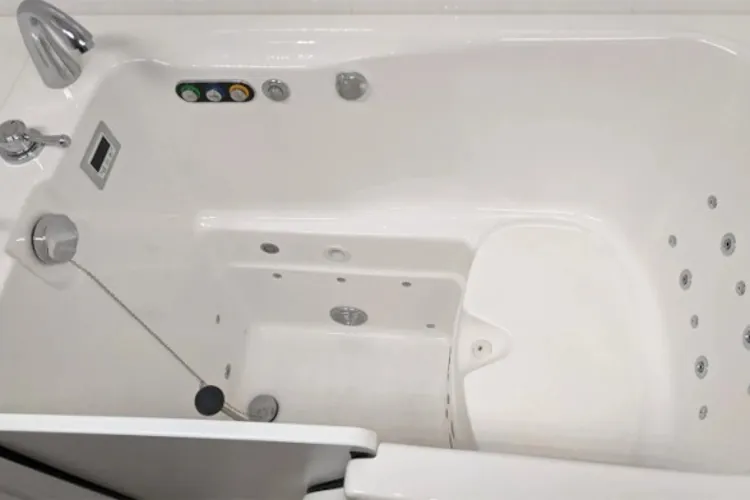
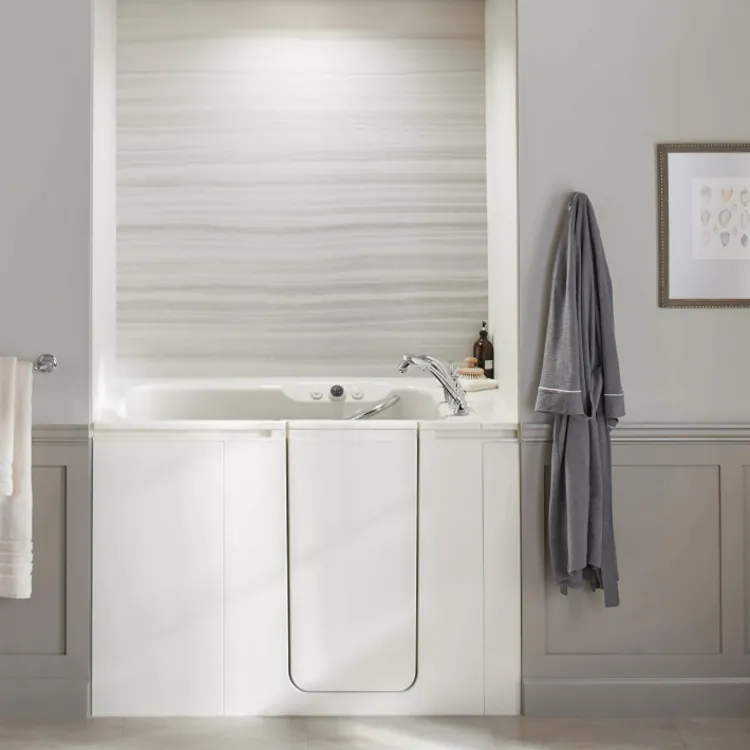
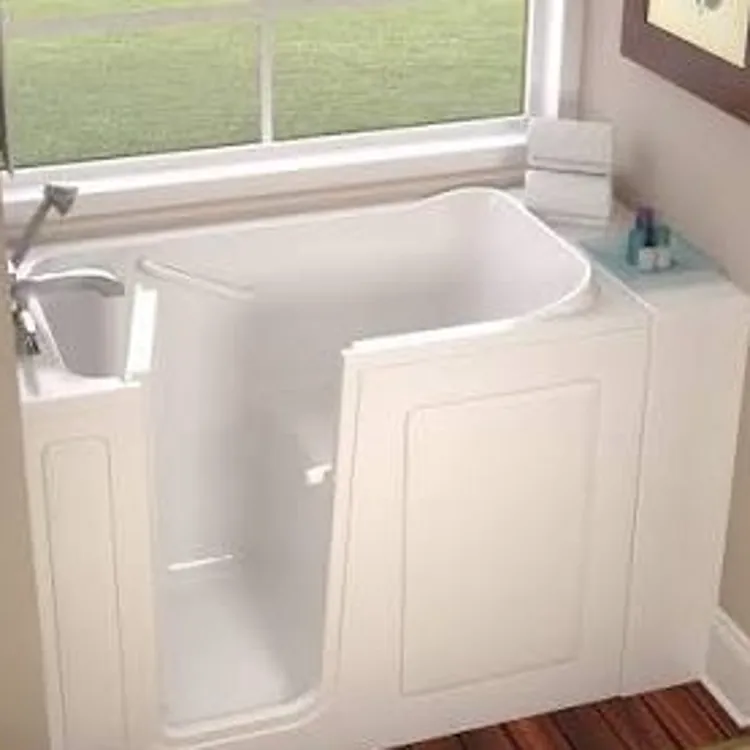
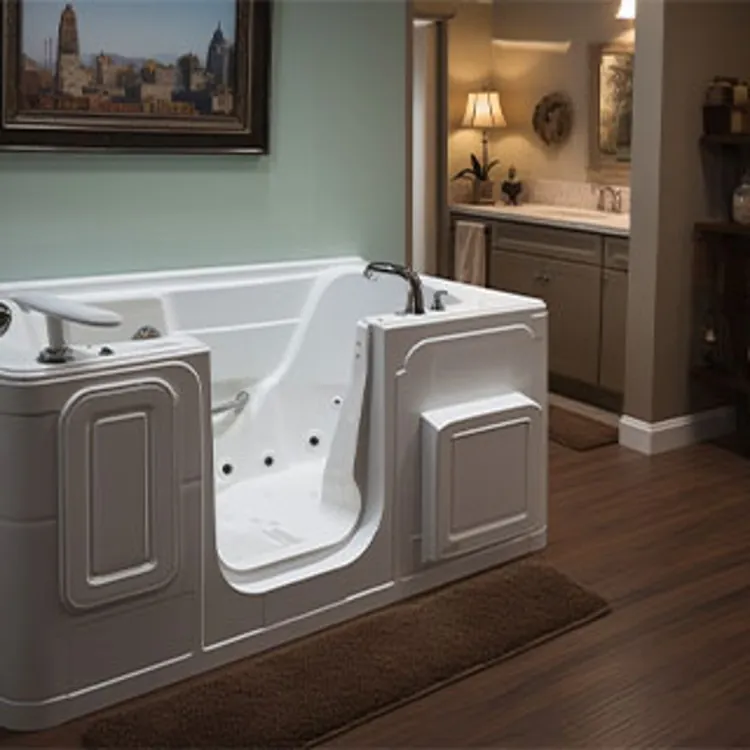
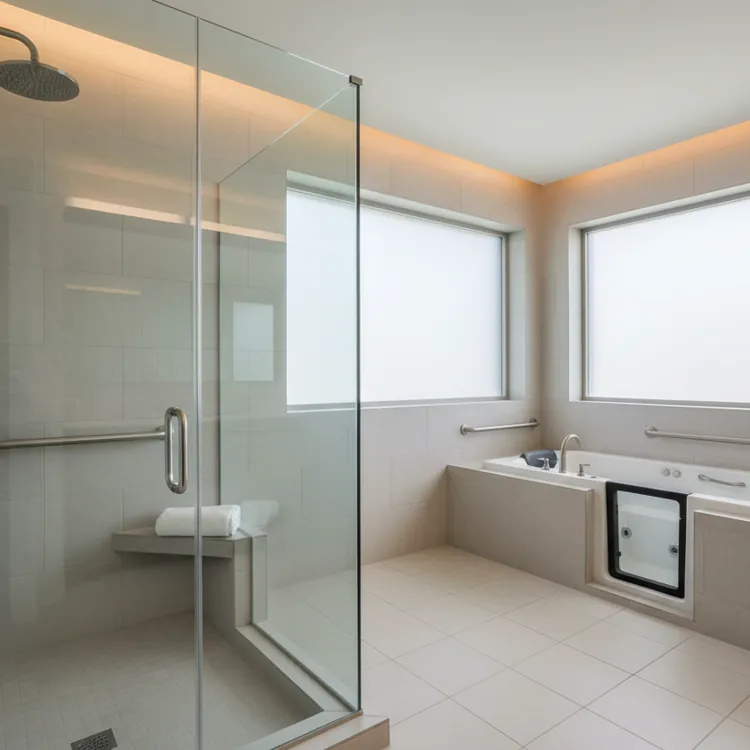
These major renovations could cost you $10,000 or more, and likely require the help of a contractor unless you're particularly handy yourself. One example here is a complete bathroom overhaul with a custom shower/tub that's easier to get into. That could run you $20,000 or more. Replacing the toilet and vanity with at a safer, custom height could run as much as $12,450.
Remember that all of these prices could vary based on local labor costs. Make sure to get quotes from reputable contractors if you're considering large home upgrades.
DIY aging-in-place modifications you can make
If you're worried about a budget, time or workload, we recommend prioritizing the high-fall-risk areas first, such as bathrooms, and improving the lighting around the house. Let's look at eight projects you can get started with.
1. Install grab bars
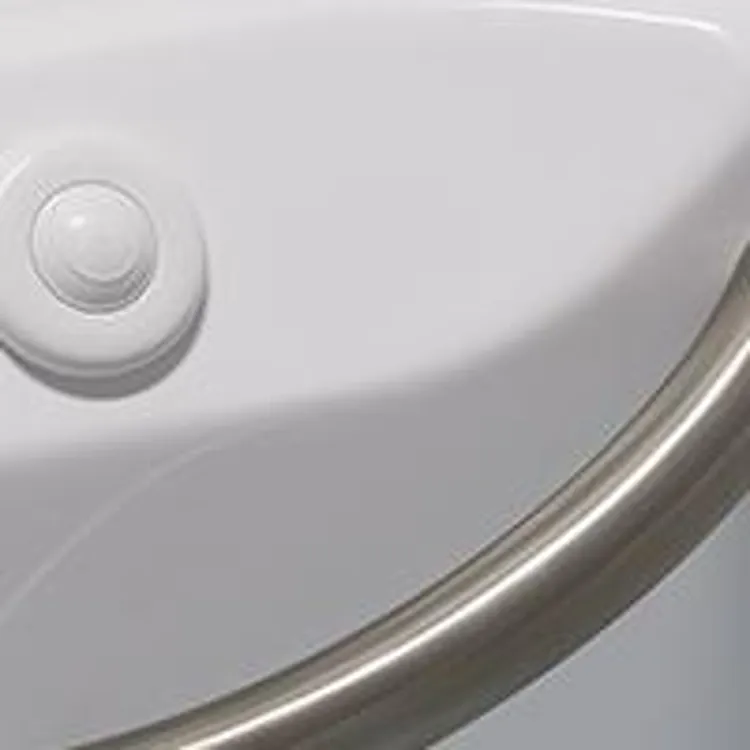
Installing grab bars or railing in high-risk areas like bathrooms and bedrooms gives anyone with mobility issues additional support and prevents slip and fall injuries. Install grab bars near the toilet, and in the shower/bathtub since these surfaces get slippery. Depending on your loved one’s needs, you may want to install bars near their bed so they can get in and out of bed safely. Make sure your grab bar holds up to 250 pounds, and install it by screwing it into wall studs, not just sheetrock.
Grab bars typically cost between $100 and $200 each. Installation costs can add to your total bill if you're not qualified to install these yourself.
2. Add outdoor ramps
Adding ramps to a home's entry and exits isn't just for wheelchair access. Even if your aging loved ones don't use a wheelchair, a ramp eliminates the need to navigate steep steps, greatly reducing fall risk. Follow the ADA-recommended 1:12 slope (1 inch of rise for every 12 inches of length) whenever space allows, and choose slip-resistant surfaces such as textured aluminum or treated wood.
Prices for ramps generally run between $400 and $3,000, depending on length, materials and labor. You can also get smaller indoor threshold ramps to create a seamless surface between rooms.
3. Install a bathroom heat lamp
It can take some people longer to get in and out of the tub and take care of everything they need to do in the bathroom. Replacing the overhead light fixture above the toilet and tub with one that has an infrared bulb as well as a regular bulb will help keep their bathroom warm and comfortable in the winter months. You can find a combination heat lamp and light fixture for around $200.
4. Upgrade your smart home technology
Technology has become one of the most important developments in helping people stay in their own homes as they age. Home technology like medical alert devices, home security systems and remote monitoring or communication systems is particularly beneficial.
Here are a few common aging-in-place tech upgrades:
- Wearables: Watches, pendants or even smart insoles that track vitals and movement patterns.
- Doorway sensors: Alert caregivers if someone enters but doesn't exit within a set time.
- Bed-exit mats: Pressure-sensitive pads that let you know when a loved one gets up at night.
- Medicine-cabinet sensors: Confirm prescription bottles are opened on schedule.
- Heat and stove sensors: Notify you if a burner is left on too long.
- Voice assistants and smartphone apps: Let users adjust lights, blinds, thermostats and entertainment without getting up.
5. Replace your faucets
Touchless faucets on kitchen and bathroom sinks are great for people with arthritis or grip issues. You can also replace twist faucet handles with levers. Another popular faucet upgrade is installing anti-scald faucets in the tub or shower. Anti-scald faucets prevent sudden bursts of hot water if the cold water is temporarily redirected due to the toilet being flushed or the washing machine filling up. Another way to prevent scalding is to lower the maximum water temperature on the water heater to 120 degrees or less.
6. Update your flooring
Flooring can be the culprit for many trips and falls as you age. The Americans with Disabilities Act (ADA) guidelines for flooring are a helpful resource for figuring out the best type of flooring for the home. Carpet should be securely attached and no more than a half-inch thick. Rubber or cork flooring is another smart choice because these low-impact materials are naturally soft and slip-resistant, making everyday walking easier on joints. ADA-compliant, anti-slip bathroom flooring means the flooring material has gone through friction testing and its coefficient of friction (resistance to slipping) is 0.6 or higher.
When shopping for ceramic bathroom flooring, make sure it’s ADA certified to be slip-resistant. If you already have bathroom tile that’s in good shape, you can buy ADA-approved anti-slip coating and roll it on with a paint roller. Anti-slip coating typically lasts 3 to 5 years and costs around $85 per gallon. One gallon covers about 400 square feet.
7. Improve your lighting
Improving the lighting in your home can make it easier to see at night and in turn, safer to walk around. This can be done by putting bright night-lights in hallways and bathrooms, using table or floor lamps in reading areas and placing adhesive tap-lights under cabinets to illuminate counter tops.
Motion-sensor night-lights automatically turn on when someone enters a dark hallway, which helps prevent middle-of-the-night falls. When you replace bulbs, aim for a cooler 3,000 K to 5,000 K color temperature. That’s bright enough for aging eyes without being harsh. You can find a 10-pack of LED tap lights for around $20.
8. Replace your doorknobs
To help people with arthritis or grip issues easily open doors, consider replacing the round doorknobs with lever-style handles. Likewise, swapping out round kitchen cabinet door knobs with bar- or lever-style handles makes accessing kitchen items a little easier.
Article sources
ConsumerAffairs writers primarily rely on government data, industry experts and original research from other reputable publications to inform their work. Specific sources for this article include:
- National Association of Home Builders, "Practical Strategies for Aging-in-Place Remodels." Accessed May 21, 2026.
- Pew Research, "Most older adults who live at home want to age in place, but they aren’t entirely confident they’ll get to." Accessed May 21, 2026.
- A Place for Mom, "How Much Does Assisted Living Cost? A State-By-State Guide." Accessed May 21, 2026.
- Wall Street Journal, "How Much Does It Cost to Grow Old in Your Home? Use Our Remodeling Tool." Accessed May 21, 2026.