


3 key features of walk-in tubs
While safety is the main reason many people install walk-in tubs, these tubs also offer a variety of therapeutic and comfort-enhancing features.
1. Safety and accessibility features
These features are designed to make bathing safer and easier for people with limited mobility, balance concerns or chronic pain.
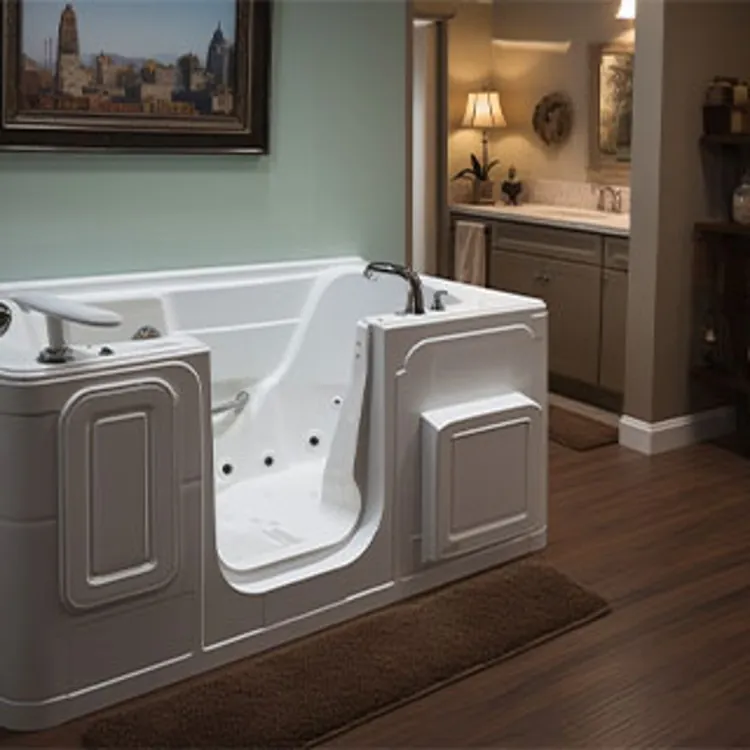
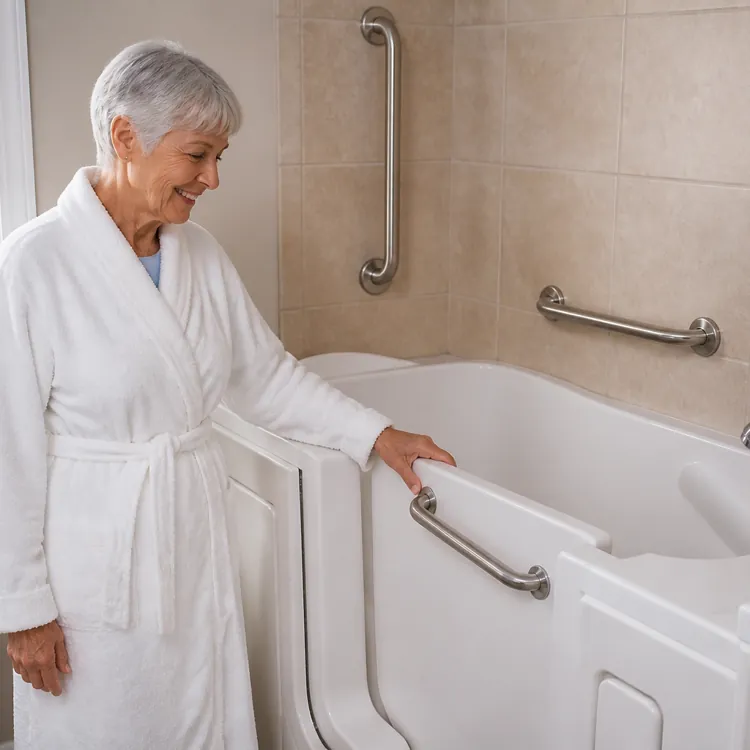
- Safety features: Walk-in tubs are designed for stability and ease of use, featuring grab bars, nonslip flooring, extra-wide doors and easy-to-reach controls to reduce the risk of slips and falls.
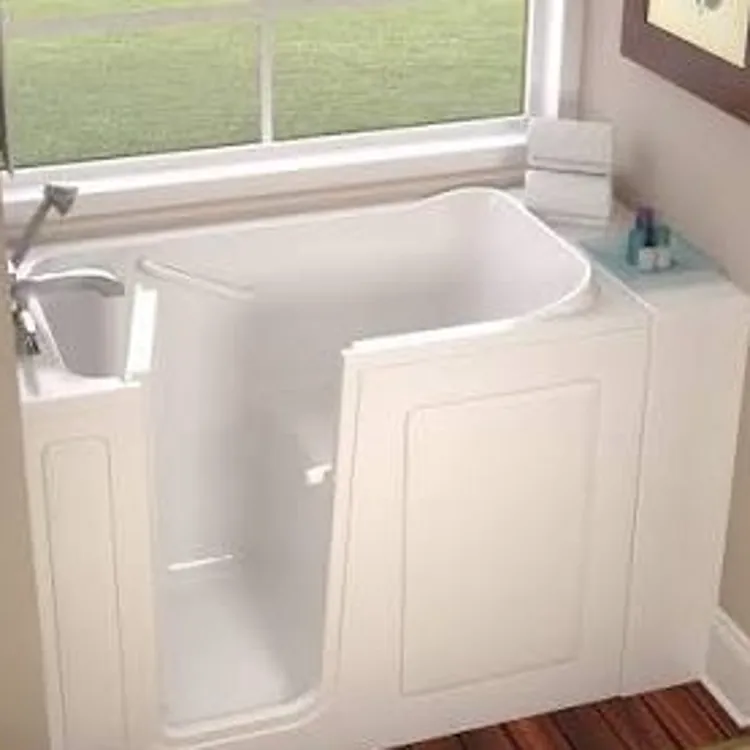
- Low step thresholds: Standard bathtubs have a high wall, typically 14 to 16 inches, which can be difficult to step over. Walk-in tubs have a much lower threshold — usually between 3 and 7 inches, with some as low as 2 inches — making entry and exit easier.
- Size options: Walk-in tubs come in multiple sizes to fit different bathroom layouts and body types. Those needing more room (such as bariatric users) can opt for models with a wider seat and larger door opening.
- Shower wands: For those who want the flexibility of a tub and a shower, a hand-held shower wand allows for better reach and easier rinsing.
2. Therapeutic and comfort features
Beyond accessibility, many walk-in tubs include spa-like upgrades that can help soothe aches and promote relaxation.
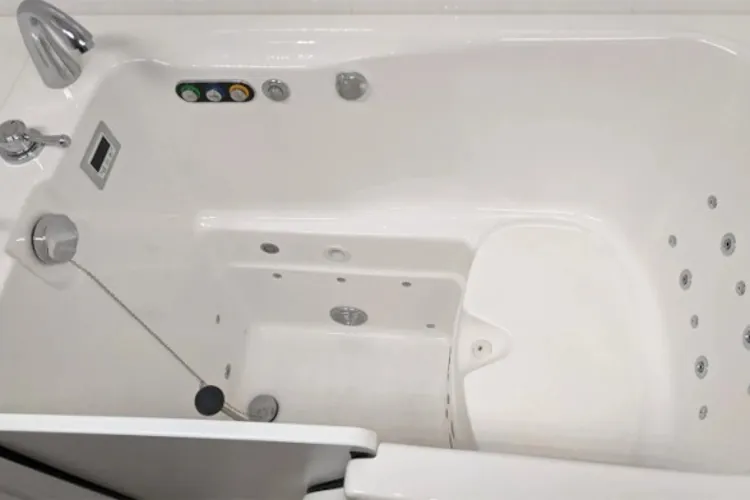
- Hydrotherapy jets and air jets: Water and air jets provide a gentle massage that can ease sore muscles, improve circulation, relieve joint pain and reduce arthritis symptoms.
- Heated seats: Some tubs include heated seats and backrests, which provide extra warmth and comfort while you wait for the tub to fill.
- Chromotherapy: Built-in LED lights fill the tub with different colors, which some users find helps enhance relaxation and improve mood.
- Quick-fill and quick-drain features: Some walk-in tubs take several minutes to fill and drain, keeping you stuck in the tub. However, many models now include fast-fill and rapid-drain technology, allowing you to start bathing quickly and exit within 60 to 90 seconds.
3. Hygiene and maintenance features
These features help keep your tub cleaner and reduce upkeep, plus make routine bathing more convenient. Many newer models offer self-cleaning options.
- Self-cleaning options: Some walk-in tubs include automated cleaning cycles that flush the internal plumbing and jet systems after use. This helps prevent soap scum buildup, mold growth and bacteria accumulation in hard-to-reach areas.
- Antimicrobial surfaces: Some models are made with antimicrobial coatings or infused materials designed to resist the growth of mold, mildew and odor-causing bacteria, helping the tub stay cleaner between deep cleanings.
- Ozone sanitation: Certain models also use ozone sanitation, which injects ozone into the water to help neutralize bacteria and other microorganisms in the lines, providing an added layer of disinfection without harsh chemical cleaners.
What benefits do walk-in tubs offer?
Walk-in tubs offer more than just accessibility — they provide real health and wellness benefits that enhance daily life. Here are some of the top advantages of using a walk-in tub:
- Pain relief: Warm water relaxes muscles, reduces joint stiffness and relieves pain from arthritis, fibromyalgia and other chronic conditions. Hydrotherapy jets can further ease soreness and improve flexibility.
- Better circulation: Heated water dilates blood vessels, improving blood flow and reducing strain on the heart. This can help manage blood pressure and lower the risk of cardiovascular issues.
- Stress and anxiety reduction: A warm soak calms the nervous system, reducing stress and promoting relaxation. Chromotherapy lighting enhances the effect, with colors like green and blue creating a soothing atmosphere.
- Improved sleep: Bathing before bed helps regulate body temperature, signaling the brain to prepare for sleep. Aromatherapy features in some tubs can further encourage relaxation.
- Easier breathing: Steam from a warm bath can open airways, helping those with asthma, allergies or respiratory conditions breathe more easily.
- Diabetes management: Regular warm baths can help lower blood sugar levels by increasing circulation and mimicking the effects of exercise on the body’s metabolism.
» COMPARE: Best walk-in bathtubs
Who can benefit from using a walk-in tub?
Walk-in tubs aren’t just for seniors. They provide a safer, more comfortable bathing experience for anyone with mobility challenges, disabilities or a desire for a more relaxing soak.
- Older adults: Seniors who want to age in place can benefit from the added safety of walk-in tubs, which help reduce fall risks and maintain independence.
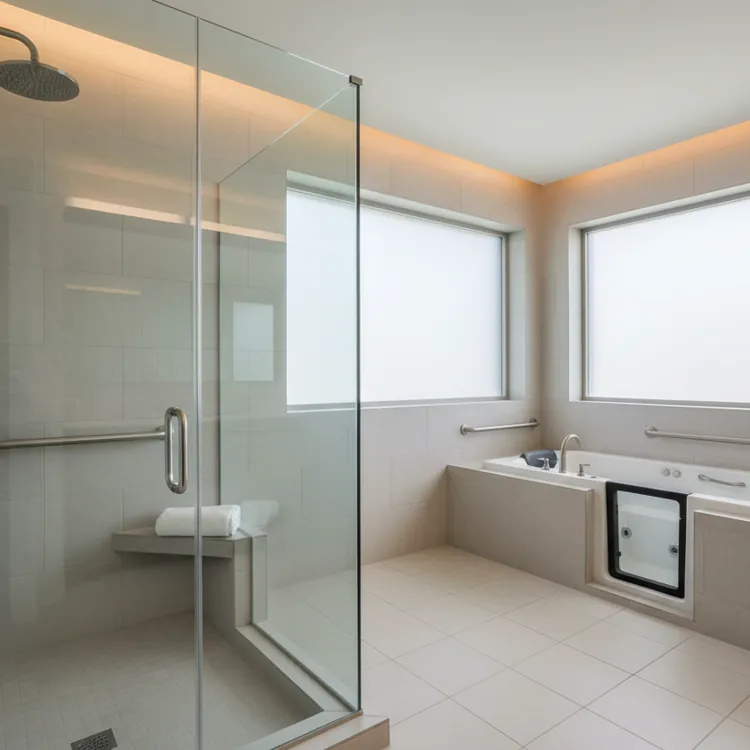
- Individuals with mobility limitations: ADA-compliant walk-in tubs are designed for wheelchair accessibility, featuring wider door openings, grab bars and low step thresholds to make entering and exiting easier.
- Anyone seeking therapeutic benefits: Hydrotherapy jets, heated seats and chromotherapy lighting can help relieve stress, improve circulation and ease muscle pain.
FAQ
What safety features are commonly found in walk-in bathtubs?
Though each manufacturer has slightly different standard features, most walk-in tubs have an inward- or outward-opening door, a low step threshold, at least one grab bar, a comfortable seat, a nonslip surface and a deeper soaking basin.
Depending on the brand and model of tub, you may also have access to features such as anti-scald and self-cleaning technology.
What should I consider before buying a walk-in tub?
Before buying any new home appliance, you should always read reviews and ask friends and neighbors for recommendations on a trusted name with a great service record. You should also consult your doctor about features that would be beneficial for your specific health needs.
The manufacturer should send a knowledgeable and responsive technician to evaluate your space, explain your options and give a detailed and transparent quote for the tub and installation (if it’s provided). You should also look for a company with a comprehensive, long-lasting warranty. When shopping for a tub, be sure you know what questions to ask.
What are the downsides of walk-in tubs?
Here are some walk-in tub downsides:
- Walk-in tubs can be expensive, often costing several thousand dollars, including installation.
- Many models take longer to fill and drain than a standard bathtub, which means you may have to sit inside while the tub fills or empties unless it has a fast-drain system.
- Installation may require plumbing or electrical upgrades, especially for models with heated seats or hydrotherapy jets.
- Walk-in tubs are typically deeper and may not be ideal for households that prefer traditional bathing or need a standard tub for children.
What should I look for in a walk-in tub?
Look for safety, comfort and long-term durability features when shopping for walk-in tubs. The bare necessities are a low step-in threshold, sturdy grab bars, nonslip flooring and a watertight door seal.
If comfort is important to you, consider features like hydrotherapy jets, chromotherapy, heated seating and quick-fill/quick-drain systems. Also, check the warranty coverage (especially for the door seal, pump and motor) and installation requirements. Lastly, confirm the tub fits your bathroom layout.
What is the No. 1 walk-in tub brand?
While there isn’t a single best walk-in tub brand, we find that Boca offers the best overall walk-in tub options. We also like Kohler, Ella’s Bubbles, American Standard, Hydro Dimensions and Safe Step. Compare cost and features across several brands to find the tub that’s best for you.



Article sources
ConsumerAffairs writers primarily rely on government data, industry experts and original research from other reputable publications to inform their work. Specific sources for this article include:
- Kohler Co., "Features of a Kohler Walk-In Bath." Accessed March 3, 2026.
- Safe Step Walk-In Tub, "The Benefits of a Walk-In Tub." Accessed March 3, 2026.
- ElderLife Financial Services, "Benefits of Using a Walk-In Tub." Accessed March 3, 2026.
- Lifespan Bath Remodel, "Top 12 Safety Features to Look for in a Walk-In Bathtub." Accessed March 3, 2026.