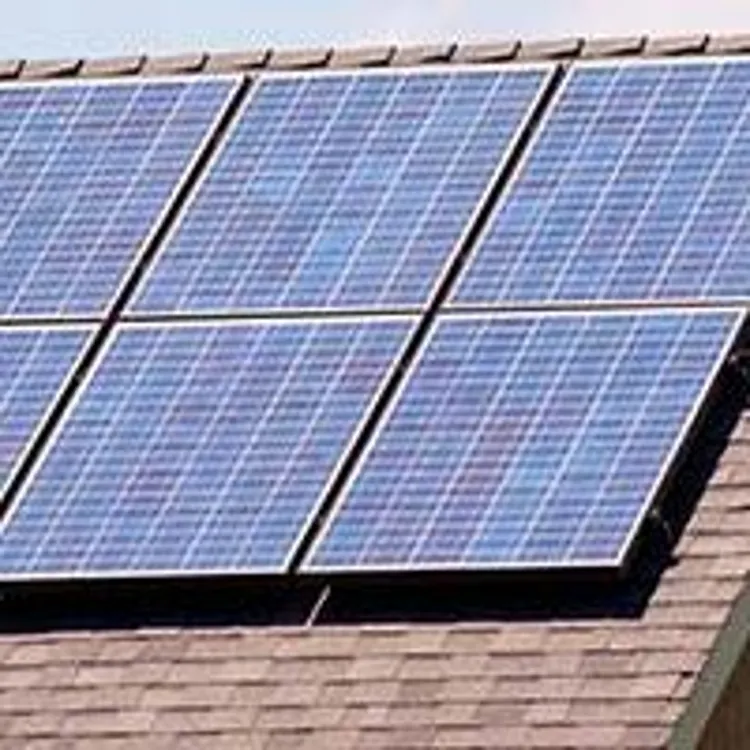



Nonresidential solar incentives in Kentucky
Compared with other states, Kentucky homeowners don't have access to as many financial incentives for going solar. There are, however, a few solar programs for businesses, farms and government agencies.
| Program | Amount | Eligible solar equipment | Applicable sectors | Administrator |
|---|---|---|---|---|
| Sales Tax Exemption - Machinery for New and Expanded Industry | Varies | Solar panels | Commercial, federal government | Kentucky Department of Revenue |
| On-Farm Energy Efficiency Grant Program | Up 50% of cost, not to exceed $10,000 for a single program year | Solar water heat, solar powered watering systems | Agricultural | County Agricultural Development Councils, Governor’s Office of Agricultural Policy |
| Energy Efficiency Loans for State Government Agencies | Varies | Solar panels, solar water heat | State government | Finance and Administration Cabinet |
| Sales Tax Exemption for Large-Scale Renewable Energy Projects | Up to 100% of sales and use tax | Solar panels, solar thermal electric | Commercial, Industrial | Kentucky Department of Revenue |
What to know about net metering in Kentucky
Kentucky requires utilities to offer net metering for eligible solar systems up to 45 kilowatts (kW). However, utilities may stop accepting new customers once net-metered capacity reaches 1% of their peak demand.
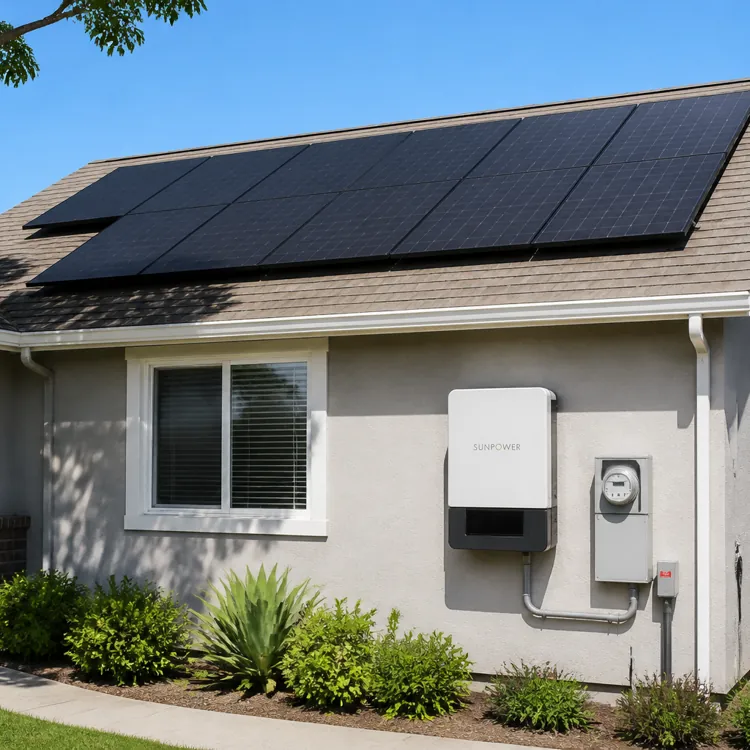
A bidirectional meter tracks the electricity you use and the excess power you send to the grid. Your utility calculates the charges and credits on each monthly bill.
How much you receive depends on your utility and when you enrolled:
- Older customers may receive one-for-one kilowatt-hour credits under a grandfathered tariff.
- Newer customers generally receive dollar-based bill credits, often worth less than the retail electricity rate.
What happens to unused credits
Unused credits roll over to future bills but cannot be cashed out when the account closes.
LG&E and KU customers who began net metering before Sept. 24, 2021, keep kilowatt-hour credits. Customers who enrolled on or after that date receive dollar credits.
Check your utility’s current tariff to confirm the rate and rules that apply to your system.
Duke Energy Kentucky customers who began net metering before Jan. 1, 2025, may remain on the legacy Net Metering I tariff for 25 years at the same premises. New customers use Net Metering II. The PSC adjusted Duke’s NM II rate methodology in 2026, while a separate court appeal challenges the 2024 decision that established the new tariff structure.
» WATT’S THE DIFFERENCE? Kilowatt vs. kilowatt-hour
How much are solar panels in Kentucky?
Solar panel costs in Kentucky typically range from $12,700 to $25,400 before any incentives. Leasing is cheaper upfront, but you won’t own the system outright.
Your system size greatly affects how much you pay overall. The typical residential system size in Kentucky is 14.75 kW. You might need a larger or smaller system, depending on your average household energy usage. The table below shows average solar costs by system size in Kentucky.
| 5 kW | 6 kW | 7 kW | 8 kW | 9 kW | 10 kW | |
|---|---|---|---|---|---|---|
| Statewide | $12,700 | $15,240 | $17,780 | $20,320 | $22,860 | $25,400 |
How can I pay for solar panels?
Getting solar panels is like buying a car. Cash purchases and solar loans are the most common payment options in Kentucky. Lease or power-purchase options may be limited, so check availability and review the contract carefully.
- Solar loans let you spread the cost over time. Compare the APR, fees, repayment term and total cost — not just the advertised monthly payment.
- Solar leases are a good option if you have limited savings and don't want to take on debt; you also aren’t usually responsible for system maintenance.
Additional solar loan programs
Kentucky doesn’t offer any statewide financial incentives for residential solar, but a few standing federal programs can still help homeowners here save money on solar and other home-energy upgrades, even with the 30% federal tax credit gone:
- Energy-Efficient Mortgages: FHA-backed Energy-Efficient Mortgages let eligible homebuyers and homeowners roll the cost of solar panels and other energy upgrades into their home loan instead of paying for them separately.
- Fannie Mae Green Financing: Fannie Mae offers green financing to help owners of apartment buildings and cooperatives cut utility costs through solar and other efficiency upgrades. This is less relevant to single-family Kentucky homeowners but may apply to larger residential properties.
» SOLAR PANELS: Buy vs. lease
Find solar companies in Kentucky
A good solar company helps you navigate local incentives, permitting and net metering policies. Compare our picks for Kentucky’s top solar companies to learn more.
| Company | Customer rating | Pro installation | Payment options | Year founded | |
|---|---|---|---|---|---|
 Blue Raven Solar | Learn More | 3.0 |  | Cash, loan, lease, PPA | 2014 |
 Green Home Systems | Learn More | 1.0 | | Cash, loan | 2017 |
 Tesla Energy | Learn More | 1.8 | | Cash, loan and lease | 2015 |
 Sunnova | Learn More | 1.2 | | Cash, loan, lease and PPA | 2012 |
 ShopSolar | Learn More | 4.3 |  | Cash, loan | 2018 |
FAQ
Is Solar for All currently available in Kentucky?
Solar for All funding remains uncertain. Kentucky was selected to receive $62.45 million through the federal Solar for All program, which was intended to expand solar access for low-income households. The EPA terminated the program in August 2025 after Congress repealed its funding authority. The termination is being challenged in court, and as of July 2026, Kentucky has not opened applications.
Can I get free solar panels in Kentucky?
No statewide program currently provides free solar panels to Kentucky homeowners. Be cautious of “free solar” advertising. Some financing arrangements may require little or no upfront payment, but homeowners still pay through a loan or other contractual arrangement.
» FREE SOLAR PANELS: Are they really free?
How much can I save with solar panels in Kentucky?
On average, Kentucky homeowners with solar panels avoid $42,146 in utility costs over 25 years. Even if you don’t generate 100% of your energy needs, you can still save a lot of money compared with traditional utility bills. In Kentucky, solar panels usually pay for themselves within 11.2 years.
» EXPLORE: Where your solar savings go the furthest
How do I know if my house is a good candidate for solar?
It’s best to have plenty of unshaded roof space that faces south or west for optimal sun exposure. It’s also smart to upgrade any old, inefficient appliances first. Reducing your electrical loads now means you can get a smaller system, which will be cheaper.
The condition of your roof matters too — if it needs replacement soon, do that before installing solar panels. Installing solar panels on an old roof might mean you have to remove the panels, replace your roof and then reinstall the panels again. This will cost around $5,000 for a 19-panel setup.
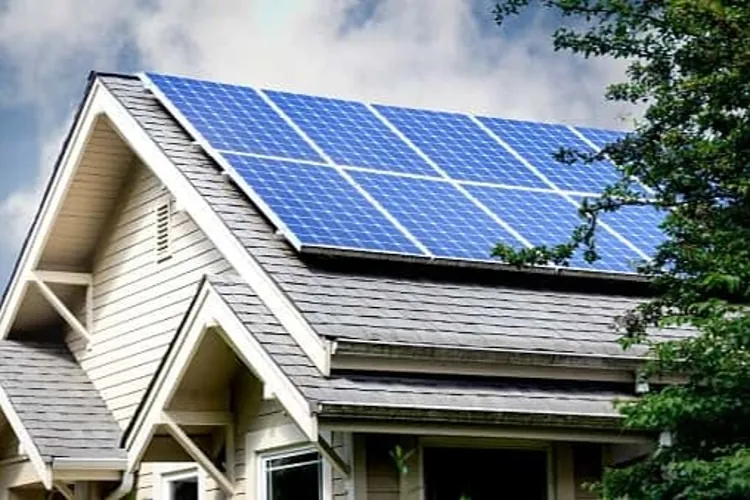
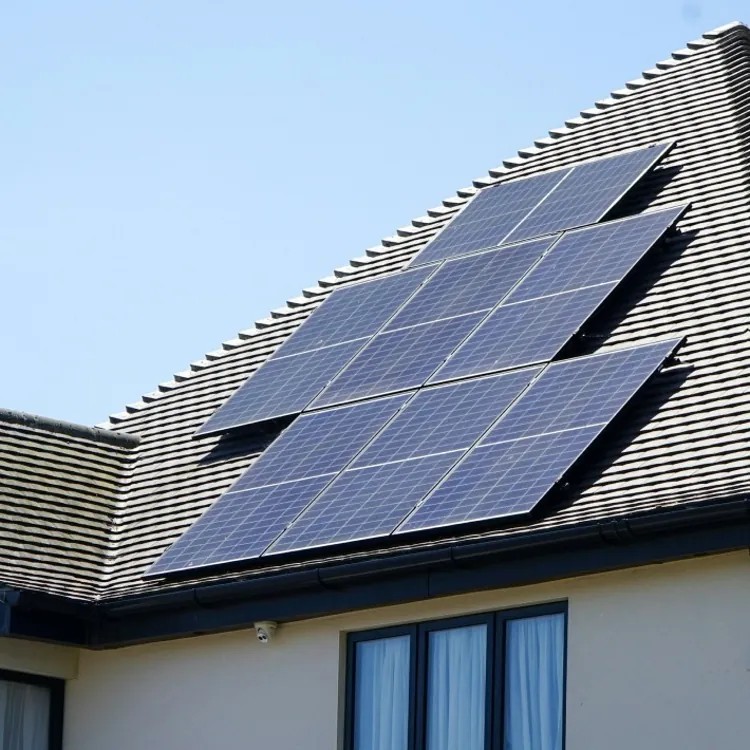
Solar photovoltaic (PV) technologies, more commonly known as solar panels, absorb sunlight and convert it into usable electricity. If you have a lot of shading around your house, they might not get enough sun to power your home.
What has Kentucky’s investment in solar been so far?
Total solar investments in the state amount to $2.3 billion, according to the Solar Energy Industries Association.
Bottom line
Solar can lower electricity costs for some Kentucky homeowners, but the potential savings vary. Compare the system’s total cost with its expected production, your utility’s net metering rate and the amount of electricity you expect to use directly.
The ConsumerAffairs Research Team conducted an in-depth analysis to determine the average costs of going solar and incentives in other states. Turns out, it’s worth it for many homeowners, even in Kentucky. The table below shows solar costs vs. savings in Kentucky and neighboring states.
| 6-kW system cost (before incentives) | 10-kW system cost (before incentives) | Typical system size needed* | Average cost per watt | Total utility power cost savings** | |
|---|---|---|---|---|---|
| Illinois | $17,880 | $29,800 | 11.56 kW | $2.98 | $57,382 |
| Indiana | $16,500 | $27,500 | 11.91 kW | $2.75 | $62,208 |
| Kentucky | $15,240 | $25,400 | 14.75 kW | $2.54 | $42,146 |
| Missouri | $15,000 | $25,000 | 13.42 kW | $2.50 | $63,348 |
| Ohio | $15,660 | $26,100 | 12.72 kW | $2.61 | $53,812 |
| Tennessee | $21,180 | $35,300 | 13.92 kW | $3.53 | $39,124 |
| Virginia | $15,240 | $25,400 | 13.94 kW | $2.54 | $46,993 |
| West Virginia | $17,400 | $29,000 | 12.8 kW | $2.90 | $55,554 |
Article sources
ConsumerAffairs writers primarily rely on government data, industry experts and original research from other reputable publications to inform their work. Specific sources for this article include:
- DSIRE, "Kentucky Programs." Accessed July 22, 2026.
- LG&E and KU, “Net Metering for Your Home or Business.” Accessed July 22, 2026.
- State-Journal (Frankfort, Ky.), "Kentucky 'Solar For All' Grant Funding in Limbo." Accessed July 22, 2026.
- Solar Energy Industries Association, "Kentucky." Accessed July 22, 2026.
- Fannie Mae, “Green Financing.” Accessed July 22, 2026.