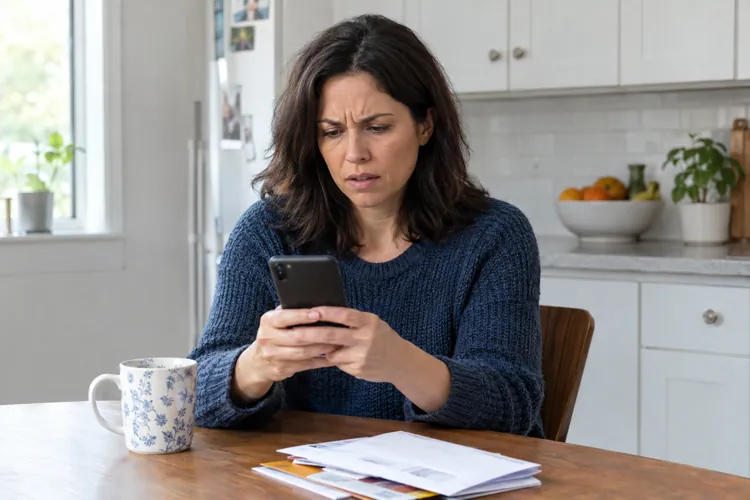

An unexpected message about a purchase you didn’t make can be the opening move in an impersonation scam.
Claims that your savings are in danger, followed by instructions to withdraw cash or buy gift cards, are major warning signs.
Gift card numbers and PINs give scammers access to the money; verify account problems independently before taking action.
Cincinnati television station WLWT recently reported that an Ohio resident lost $3,000 to an Amazon impersonator after a text about a television purchase. The case illustrates a scam the Federal Trade Commission has specifically warned about: criminals impersonate Amazon, claim an account has been compromised and persuade consumers to buy gift cards to supposedly protect their money. Each stage offers an opportunity to recognize the deception and stop.
The first warning sign is the unexpected purchase notification. A message about something you didn’t order may prompt an immediate response, especially if it suggests you are about to lose money.
But stop and think. Millions of people make large purchases on Amazon every hour. Why would Amazon suspect the purchase of a TV set might not be legitimate? It wouldn’t, but the scammer is hoping to scare the victim into acting without thinking.
Common tactic
Amazon identifies unexpected order messages as a common impersonation tactic and recommends checking purchases directly through its website or app. The message itself is not proof that an unauthorized transaction occurred.
The next danger is allowing the message to determine whom you contact. Calling a number supplied in a fraudulent alert can connect you directly to the criminal who sent it. Amazon says it does not ask customers by text to call a phone number. Instead, open the Amazon app or independently enter the company’s website address and contact customer service there.
Once a conversation begins, the story may expand from a questionable purchase to a claim that your bank accounts or savings are threatened. That escalation is another red flag. The FTC warns that impersonation scams often begin with an apparently routine account problem before developing into a frightening story about money being at risk. Verify any banking concern through your bank’s official app, website or a telephone number you already know is genuine.
Pressure to act immediately is a further warning. A caller who suggests that ending the conversation will expose your money to theft is creating conditions that discourage independent checking. Amazon identifies manufactured emergencies and demands for immediate action as signs of impersonation. Hang up and contact the company independently.
Instructions to withdraw savings or move money to “protect” it mark another critical turning point. The FTC warns against moving money in response to unexpected calls or messages. A caller directing someone to visit a bank while remaining on the telephone is a particularly clear indication of fraud.
The biggest red flag
The demand to buy gift cards removes any remaining doubt. Gift cards cannot secure a bank account or reverse an unauthorized Amazon purchase. The FTC describes this exact Amazon impersonation scheme: the supposed solution to a hacked account is buying cards and sharing their numbers. That instruction is the theft mechanism.
The final red flag is a request for the card numbers and PINs. Those details allow criminals to spend the balance even while the victim still holds the physical cards. A request to read the numbers aloud or send photographs should bring the conversation to an immediate end.
Anyone who has already shared gift card information should contact the card issuer immediately, report the fraud and ask whether the funds can be frozen or refunded. Keep the cards and purchase receipts, and file a report at ReportFraud.ftc.gov. Recovery is not guaranteed, but the FTC says reporting promptly and requesting a refund are worthwhile steps.