


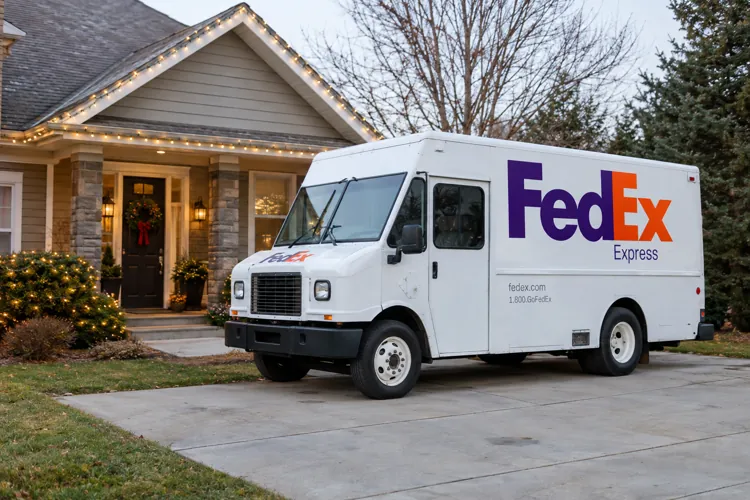

Shipping gifts will cost more this holiday season as higher base rates, transportation charges and seasonal surcharges add to delivery bills.
Bulky presents can be particularly expensive to send, potentially encouraging shoppers to choose smaller gifts or retailers offering free shipping.
A new consumer survey suggests shipping fees can determine whether shoppers complete a purchase, change retailers or add merchandise to their carts.
Holiday shoppers comparing gift prices this year have another expense to consider: getting those presents to their recipients.
Shipping costs have increased since last Christmas, although the size of the increase depends on the carrier, package dimensions, destination and delivery speed. Higher published rates, transportation adjustments and seasonal fees can all contribute to the final bill.
The increases could make shoppers reconsider gifts that are inexpensive to buy but costly to mail. Consumer research already shows that delivery charges influence whether people complete purchases and how much merchandise they put in their carts.
FedEx implemented an average 5.9% increase in published shipping rates on Jan. 5. That represents an increase in the starting price of shipping, before applicable surcharges are considered. Individual shipments may have experienced larger or smaller increases.
Multiple adjustments
Postal customers have faced multiple adjustments. In January, the U.S. Postal Service increased published Priority Mail prices by an average of 6.6% and Ground Advantage prices by 7.8%. An additional temporary 8% transportation-related increase took effect in April and continues through Jan. 17, 2027.
Compounding those adjustments produces increases of approximately 15.1% for Priority Mail and 16.4% for Ground Advantage. Those calculations illustrate the underlying rate pressure; they are not exact Christmas-to-Christmas comparisons. Holiday pricing, package characteristics and other rate changes affect the actual difference consumers pay.
Seasonal charges add another layer. FedEx’s peak residential ground surcharge reaches 80 cents per package this season, compared with 65 cents last year. That is a roughly 23% increase in the surcharge itself, but just 15 cents more per applicable package—not a 23% increase in the total shipping bill.
The financial consequences can be much greater for oversized presents. UPS and FedEx’s peak seasonal large-package or oversize surcharges reach approximately $117 per qualifying package, in addition to other applicable charges. These fees do not apply to every gift box, but they can substantially increase the expense of sending bulky merchandise.
Even lightweight gifts can be costly to ship when they occupy a large box. Under dimensional-weight pricing, carriers consider the space a package takes up, rather than relying solely on its actual weight. A large, lightweight present can therefore cost more to send than a shopper expects.
For shoppers buying online, resistance to shipping charges is already pronounced.
Free shipping is a huge factor
A November survey commissioned by shipping platform ShipBae found that 93% of nearly 2,000 U.S. consumers would abandon a purchase at least some of the time when free shipping was unavailable. That does not mean they reject every purchase carrying a delivery charge, but it illustrates how frequently shipping can become an obstacle at checkout.
The survey also found that 74% were unwilling to pay more than $5.99 to ship a $35 holiday gift, while 60% would add merchandise to qualify for free shipping. High delivery charges and having to pay for shipping at all ranked among the leading shipping-related deterrents to holiday purchases.
Those findings suggest that delivery costs may influence where consumers shop as much as what they buy. A retailer offering a lower merchandise price could lose the sale if another seller offers a better total price after shipping.
For people mailing their own presents, the pricing creates an incentive to consider smaller gifts, electronic gift cards or purchases shipped directly from a retailer to the recipient. These are plausible responses to higher costs, although the available research does not establish that shipping expenses alone are causing a broad shift toward particular gift categories.
Consumers can make a more informed comparison by checking the complete delivered price before purchasing a gift. For presents they plan to mail themselves, measuring the packed box and obtaining a shipping estimate first can help prevent an inexpensive gift from becoming an unexpectedly expensive shipment.