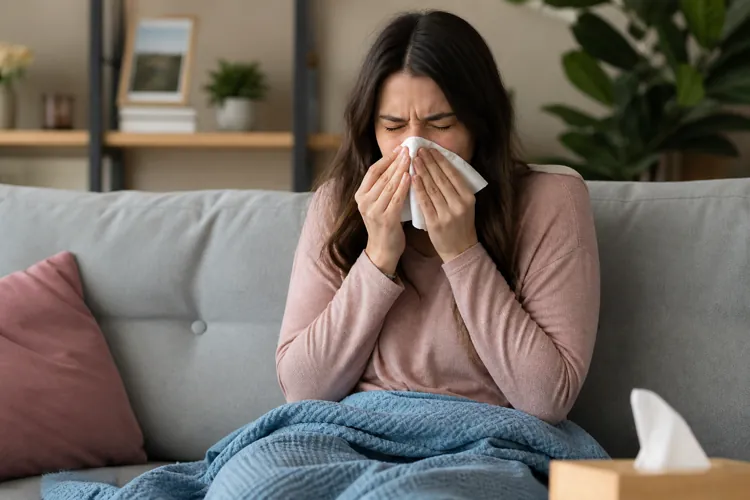

Fall allergies can look a lot like a cold, but symptoms that persist for weeks or worsen outdoors may point to ragweed or mold.
Over-the-counter antihistamines and steroid nasal sprays can help, but persistent or worsening symptoms may warrant a doctor’s visit.
Keeping windows closed, using HEPA filters, showering after spending time outdoors, and monitoring pollen counts can help keep allergy symptoms under control.
As summer winds down, allergy sufferers may soon find themselves dealing with a familiar set of symptoms. Fall allergy season typically gets underway around Labor Day, with ragweed pollen, and mold spores among the biggest triggers.
Ragweed can be especially difficult to avoid because its pollen can travel long distances through the air. Even if you don't live near a ragweed plant, those tiny pollen particles can still make their way into your nose and lungs.
So what can you do before the sneezing, congestion, and itchy eyes really get going?
ConsumerAffairs spoke with Dr. Adam Solomon, Regional Medical Officer at CareMore Health, about the symptoms to watch for and some simple ways consumers can prepare for and manage fall allergies.
Early allergy warning signs
As the seasons change, allergy sufferers may struggle differentiating between seasonal allergy symptoms and a regular cold. Dr. Solomon shared his best tips for knowing what’s what.
“There is significant overlap between cold symptoms and seasonal allergies,” he said. “Both tend to cause itching of the eyes, nose, and throat, and both can result in sneezing, a runny nose with clear, watery mucus, as well as nasal congestion.”
However, there are some ways to tell the difference.
“Smetimes colds can be associated with more thick and cloudy mucus, a low-grade fever, some muscle aches, and/or a generally ‘sick’ feeling that allergies typically don’t bring,” Dr. Solomon said.
“Persistence of symptoms is also a key marker. Colds should resolve within 10 days (usually less) from onset of symptoms while allergies continue for as long as the person is exposed to the allergen (an allergen is a substance that is typically harmless but that a given person’s immune system treats as a “threat,” causing an allergic reaction). For ragweed and mold, that can last for weeks. You might also notice that the symptoms get worse when you’re outside, especially on high pollen count days.”
When to see a doctor
Your local drugstore could be seeing you more often during allergy season, and you’re certainly not alone there. However, when is it time to see a doctor, and when can you rely on over-the-counter options?
“Some of the most effective medications for allergies that used to need a prescription are now available over the counter, so that’s great,” Dr. Solomon said.
However, if your symptoms aren’t controlled despite using antihistamines and steroid nasal sprays reliably, and especially if your symptoms are interfering with daily life, Dr. Solomon says it could be worth seeing a doctor to discuss other options.
“(Patients) should also be evaluated if the allergies seem to be worsening breathing symptoms, especially if they have underlying asthma or another lung condition,” he said. “There are also ‘red flag’ signs that merit faster attention, including nosebleeds, symptoms localized to just one side of the nose, loss of smell or taste, or if symptoms are associated with a severe headache, especially after a recent injury.”
Improve air quality
On top of allergy medications and nasal sprays, Dr. Solomon says that there are several low-effort, high-impact ways to manage your allergy symptoms.
Keep the windows closed and use air conditioning in the car and at home during pollen season to keep the pollen out.
Use a HEPA air filter or air purifier in the bedroom to capture pollen, mold, and other airborne particles.
It is helpful to shower and change your clothes after being outdoors. Bathing before bed can rinse the pollen out of the hair and off of the skin so it doesn’t transfer to the bedding.
Using a dehumidifier will discourage mold and dust mites which thrive in damp air. The air conditioner also helps with this. All of these should be combined to truly benefit the most.
“We’ve seen allergy seasons and pollen counts getting worse and lasting longer over the last decade or so in many regions, so if you’re experiencing new or worse symptoms than in the past, this might be why,” Dr. Solomon said.
“People can track real-time pollen and air-quality maps on their phone weather app or atpollen.com,airnow.gov, and IQAir to help plan outdoor activities and when to be especially careful about keeping their windows closed.”
Dr. Solomon’s last piece of advice: Allergy treatments work best when you use them regularly.
“It is easier to prevent the start of symptoms than to stop them once they’ve started,” he said.