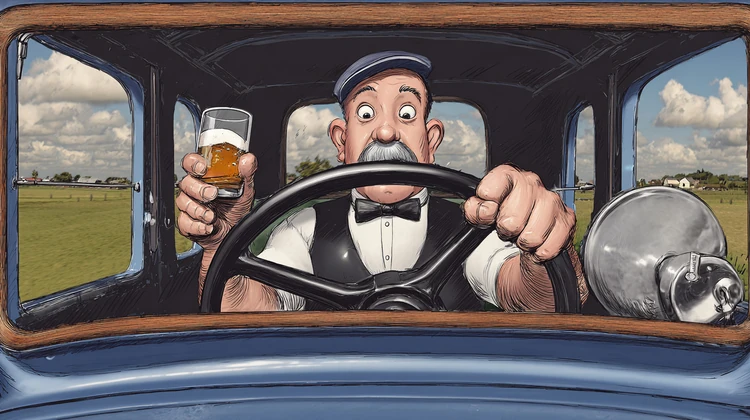
• A new analysis links car brand ownership to DUI citation rates in America’s 50 largest cities.
• BMW, RAM, and Acura drivers top the list for DUI involvement, but regional culture shapes who gets caught.
• The findings suggest that drunk driving behavior is as much about identity and geography as it is about alcohol.
A new dataset from Suzuki Law Offices connects DUI citation rates across the 50 largest U.S. cities with vehicle brand ownership, revealing deep cultural and regional patterns that reflect not just road safety, but lifestyle, identity, and enforcement gaps.
The study found that car brand choice can serve as a proxy for risk behavior — one that varies dramatically across regions, and even within the same state.
The brands most linked to DUIs
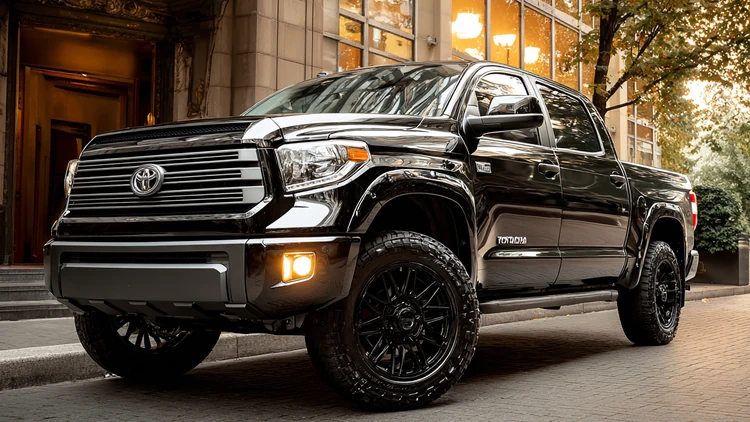
Across all major metros, BMW, RAM, and Acura drivers lead DUI citation rates, with 3.09, 3.00, and 2.69 citations per 1,000 licensed drivers, respectively. But regional breakdowns reveal sharp contrasts:
| Region | Top brand for DUIs | Citations per 1,000 drivers | Notable cities |
|---|---|---|---|
| West | BMW | 3.42 | San Jose, Fresno, Sacramento |
| South | RAM | 3.31 | Dallas, Houston, Jacksonville |
| Midwest | GMC | 2.98 | Omaha, Minneapolis, Kansas City |
| Northeast | Acura | 2.72 | Boston, New York, Philadelphia |
At the other end of the scale, Mercury, Lincoln, and Land Rover drivers rank among the least likely to receive DUI citations—each under 0.8 per 1,000.
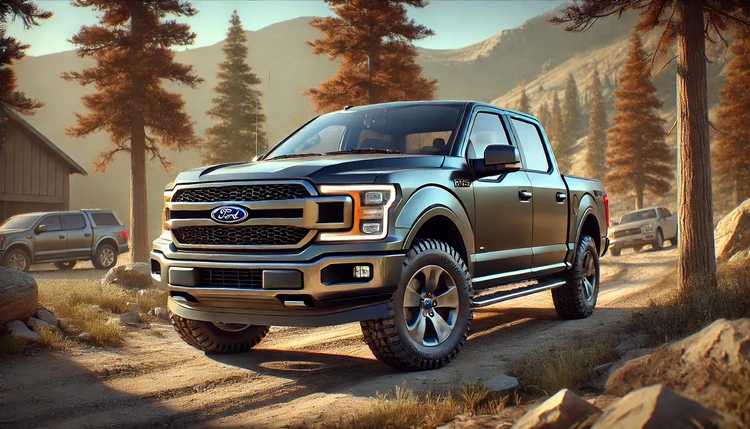
The implication: cultural and economic differences in how Americans use their vehicles play a major role in shaping DUI risk. Pickup-heavy states such as Texas, Oklahoma, and Florida show strong correlations between RAM or Ford ownership and DUI incidence, while luxury import-heavy metros like California and New York see risk concentrated around leisure driving and nightlife districts.
Regional identity and risk
The data aligns with broader national research:
Southern states report 37% higher binge drinking prevalence among male drivers than the national median (CDC, 2024).
Western states show higher DUI arrest rates despite lower self-reported heavy drinking, suggesting stronger enforcement but riskier weekend behavior.
The Midwest—especially Nebraska, Wisconsin, and Minnesota—leads in alcohol-involved crash fatalities (6.3 per 100,000 residents), even with widespread sobriety checkpoints.
Together, the numbers paint a picture of a drunk driving problem deeply intertwined with car culture, geography, and uneven enforcement.
When the vehicle reflects the driver
Certain car brands appear to mirror their owners’ psychology and usage patterns. Performance models such as BMW, Dodge Charger, and Infiniti show 42% higher DUI involvement relative to their registration share, while pickup trucks and SUVs dominate rural and suburban DUI crashes tied to longer travel distances and fewer rideshare options.
Luxury sedans and sports coupes, meanwhile, account for the bulk of urban nighttime arrests near entertainment zones.
Studies from the Insurance Institute for Highway Safety (IIHS) and AAA Foundation for Traffic Safety back this up: vehicle type strongly correlates with speeding, night driving, and seatbelt neglect—behaviors that often accompany impaired driving.
Car brands and enforcement disparity
According to NHTSA’s 2024 Enforcement Trends Report, DUI patrol allocation varies sharply across regions—up to 40% fewer saturation patrols in suburban areas compared to urban cores.
That matters because vehicle types aren’t evenly distributed. RAM and GMC trucks make up 28% of suburban registrations, where patrol coverage lags, while BMW and Acura owners dominate metro centers where patrols are frequent but predictable.
As one highway safety researcher put it:
“We see DUIs cluster where enforcement can find them, not always where they’re happening.”
A cultural divide on four wheels
Cultural norms and local economies shape how and where DUI risks manifest:
In oil and agricultural states, 53% of alcohol-related crashes occur on rural two-lane roads.
In tech and entertainment hubs, 68% of DUI citations occur within five miles of nightlife zones.
In college towns, compact car ownership correlates with underage DUI arrests, especially in Arizona, Colorado, and Ohio.
As Suzuki Law researchers summarize:
“Car brands can tell us as much about driving risk as income or age. They’re cultural signifiers of how, when, and why people drink—and how often they think they’ll get caught.”
Policy and liability implications
The legal and financial ripple effects are mounting:
Insurers are incorporating vehicle-type DUI risk into pricing, adding up to 15% premium hikes for some brands.
Fleet operators face growing exposure if company vehicles fall into high-risk categories.
Courts in states such as Texas and Florida are factoring vehicle use patterns into civil negligence cases involving DUI injuries.
These trends suggest DUI liability is expanding beyond the driver—implicating corporations, insurers, and even community infrastructure.
The economic and social cost
Alcohol-impaired driving costs the U.S. about $44 billion a year, according to the CDC. But crash costs vary by vehicle type:
Luxury car DUIs carry 32% higher repair costs than average.
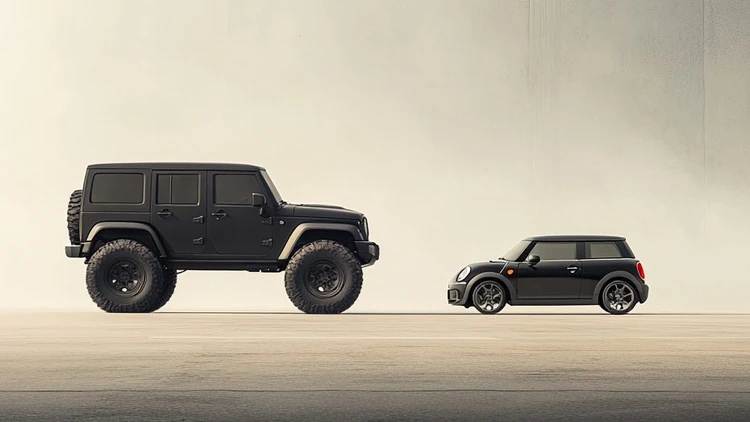
Pickup DUIs result in 15% higher property loss claims due to vehicle mass and impact force.
In 2024, urban alcohol-involved crashes caused $6.7 billion in damages, concentrated in metros with heavy BMW and RAM ownership.
The takeaway
The kind of car Americans drive, the regions they live in, and the roads they use all combine to form a predictable geography of impairment.
Suzuki Law’s findings hint at the next frontier in DUI prevention—not just tougher laws or more patrols, but a deeper look at how car culture itself shapes risk.
How to protect yourself from impaired drivers
1. Spot the signs early.
Weaving between lanes, inconsistent speed, delayed reaction at lights, or drifting onto shoulders are classic indicators of impaired driving. Keep distance—at least five seconds of following time.
2. Avoid “closing the gap.”
If a driver appears erratic, do not try to pass or “teach them a lesson.” Pull back and let them move ahead. Many DUI-related crashes occur when sober drivers react aggressively or unpredictably.
3. Use route awareness.
Weekend nights, holidays, and early-morning commute hours after major events see spikes in DUI activity. Plan alternate routes that bypass nightlife zones, bar corridors, or major stadium exits.
4. Report dangerous behavior.
If you suspect an impaired driver, note the vehicle’s make, color, and direction. Pull over safely before calling 911. Law enforcement relies heavily on civilian reports for DUI interventions.
5. Reassess your own risks.
Fatigue, medications, and small amounts of alcohol all degrade reaction time. If you’re unsure, wait, hydrate, or use a rideshare. Even a low BAC can mean impaired judgment behind the wheel.
Bottom line:
DUI risk isn’t confined to one region or vehicle type—it’s everywhere. The best defense is distance, awareness, and restraint.