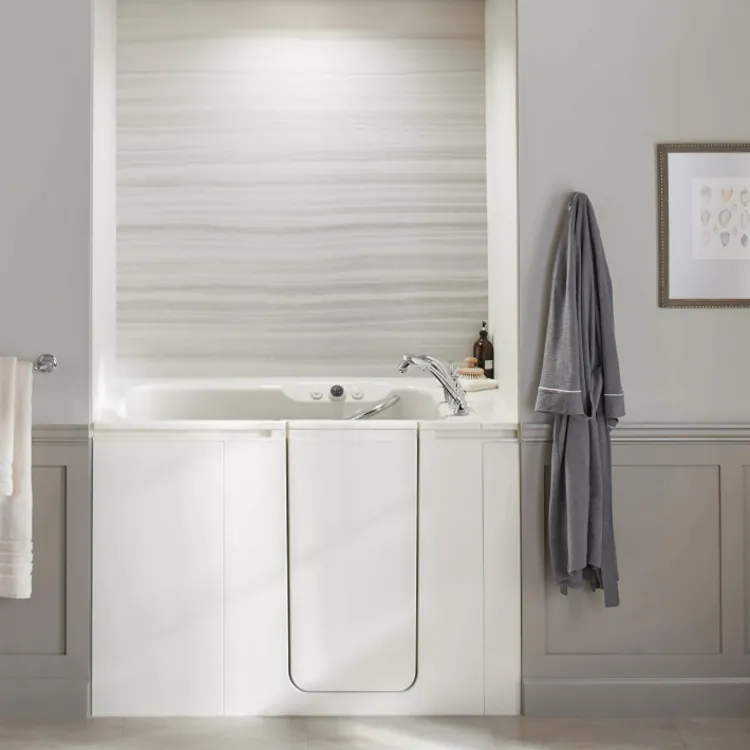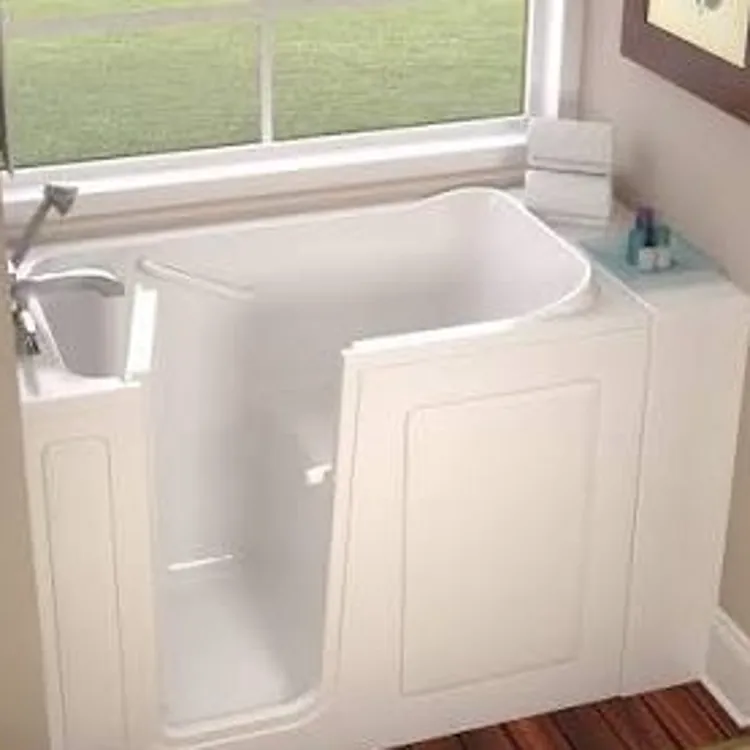


How much does a walk-in tub with a shower cost?
Walk-in tubs are more expensive than standard bathtubs, even more so when shower components are added. Pricing varies depending on the unit size, jet capabilities, luxury and safety features, custom configurations, and plumbing or electrical modifications.
“Units can run between $10,000 and $20,000, depending on plumbing modifications, electrical work and the type of tub you have. Older homes will usually be on the higher end of this range because the plumbing and framing will most likely need to be upgraded,” said Dean Christian, plumbing and operations manager at Awesome Home Services in Colorado.
Christian explained that walk-in shower-tub combos are more expensive than tub-only units because they require more waterproofing, wall surrounds, shower valves, glass enclosures and extensive drainage planning.
Manufacturer quotes
As you shop around and collect quotes from manufacturers, make sure they include these key elements:
- Cost of the tub unit
- Electrical work
- Plumbing upgrades
- Old unit removal
- Installation labor
- Permits and fees
- Additional accessories
“My advice is to avoid vague quotes. If the quote just says ‘install walk-in tub’ with one lump sum and no details, that is a red flag,” advised Emmanuel Kavouklis, president of CMK Construction, Inc., a Tampa Bay, Florida-based home remodeling company. “You want the scope written out so everyone understands exactly what is being done.”
Some companies, such as Safe Step and Kohler, offer all-inclusive quote pricing that covers the tub and installation. Other retailers may quote only the unit itself, requiring a separate contractor for the installation.
Bundled vs. a la carte
Bundled packages, such as those offered by Ella’s Bubbles, can range from $6,000 to $15,000 and typically include the tub unit, wall surround, faucet, showerhead and safety features such as grab bars. Prefabricated units are generally more cost-effective and are designed to fit into standard or existing alcoves, reducing labor time.
A la carte, or custom component selection, costs more. You can pick and choose each piece separately and have it tailored to your needs and wants, whether high-end faucets and jet configurations or specialized seating and custom tilework. This can cost $15,000 or more.
Shower-tub combos and conversion kits
Shower-equipped walk-in tubs require additional plumbing and hardware, enhanced enclosure (wall surround or curtains) and extra waterproofing. The total cost, including installation, depends on the specific configuration. A standard soaker tub can range from $5,000 to $8,000, while a luxury or custom walk-in shower-tub combo may cost between $10,000 and $20,000-plus.
Conversion kits allow you to add a shower to your existing tub. The cost depends on the type of kit and showerhead you choose, such as a handheld or a fixed showerhead.
It also depends on the plumbing configuration of your tub; if it already has the right hardware, a handheld shower kit can cost between $100 and $300, plus labor. Installing a complex conversion kit, such as one with a mounted or fully adjustable showerhead, can be more expensive — potentially costing $2,000 or more after factoring in labor.
We highly recommend hiring a licensed professional and purchasing a kit directly from your tub’s manufacturer to ensure a proper fit.
Walk-in tub-shower combo price by type
Basic soaker walk-in tubs with handheld sprayers are more affordable than premium therapy units, generally costing between $2,000 and $5,000. More luxurious walk-in shower-tub combos include features such as hydrotherapy jets, heated surfaces and quick-drain systems, and they can cost $20,000 or more.
This chart shows an estimated breakdown of what you can expect to pay for your walk-in tub unit, depending on the type you choose. These are estimates before labor costs are added.
| Tub type | Typical price range | Best for | Features |
|---|---|---|---|
| Basic soaker | $2,000 to $5,000 | Budget, standard use | Basic safety, low-threshold entry, built-in seating |
| Air jets | $3,000 to $8,000 | Gentle massage, general relaxation | Warm air creates thousands of bubbles |
| Whirlpool jets | $5,000 to $10,000 | Arthritis, chronic pain relief | Powerful water-circulating jets |
| Dual therapy | $5,000 to $15,000+ | Mobility issues, chronic pain relief, circulation | Both air and hydrotherapy jets for full-body massage |
| Bariatric | $6,000 to $12,000+ | Higher weight users (up to 600 pounds) | Wider, reinforced, higher capacity |
| Premium or luxury | $8,000 to $20,000+ | Maximum comfort, high-end homes | Heated seats, lights, aromatherapy, jets |
Types of jet systems
Air and whirlpool jets offer distinct hydrotherapy experiences and have different maintenance requirements. They are also more complex to install.
“Air jets and whirlpool systems require dedicated plumbing lines to handle the water flow, and most of the time an upgraded electrical system [is required] in order to run side by side with the plumbing,” said RJ Romero, operations manager at Dallas-based Metro Flow Plumbing.
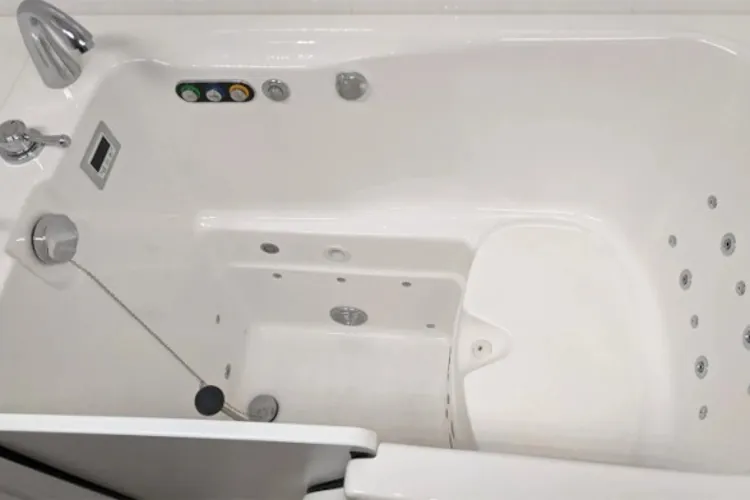
- Air jets blow small heated bubbles from holes along the bottom and sides of the tub, providing a light, gentle sensation. These are typically less expensive than whirlpool systems, require less maintenance and are quieter. Prices for the unit alone may range from $3,000 to $8,000.
- Whirlpool systems, which recirculate water, require powerful pumps and complex plumbing. They provide a more intense and targeted deep-tissue massage. Whirlpools are louder and require more upkeep, as the pipes can harbor bacteria and mold if they’re not cleaned and flushed properly. Unit pricing ranges from $5,000 to $10,000 or more.
- Dual-therapy tubs combine whirlpool and air jet systems for a fully customizable hydrotherapy experience. These are the most expensive option and can cost up to $15,000 for the unit alone.
Bariatric or oversize tubs
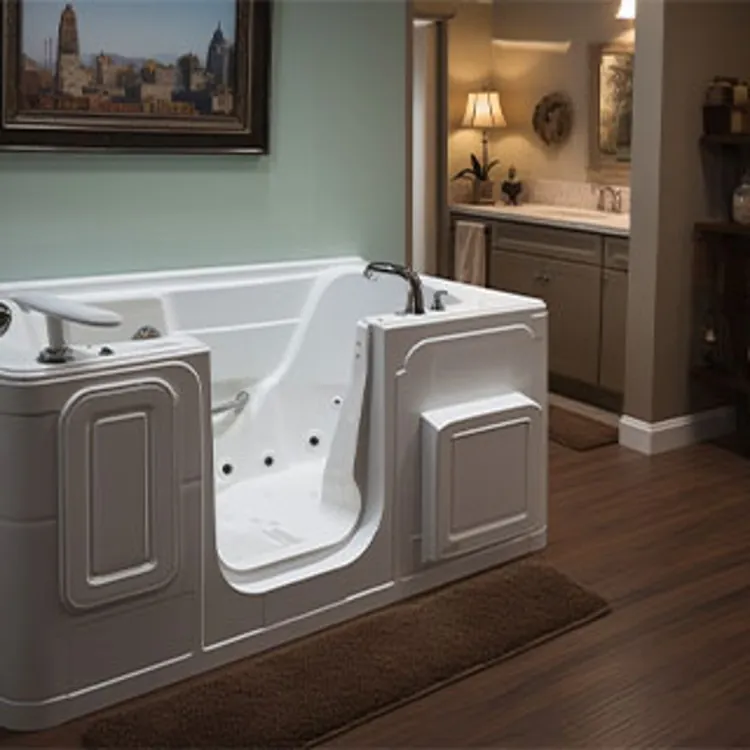
Bariatric or oversize walk-in tubs typically feature widened seats and doors, outward-swinging doors for more interior space and easier maneuverability, low thresholds and quick-drain technology. These units are more expensive to install and may cost $6,000 to $12,000 or more.
“A larger tub will likely mean more prep work, such as confirming that your floor can handle the increased weight and reinforcing it if it can't. It’ll also mean more demolition to clear space for the new, larger tub, followed by more cleanup and finishing once the install is complete,” said Patrick Fee, owner and co-founder of Mr. Drain, a Sacramento-based residential plumbing company.
“Before going with a larger size, speak with your plumber or contractor to understand what’s involved and ensure you are prepared to handle the increased costs,” Fee advised.
Midrange vs. luxury combos
Features that distinguish midrange from luxury walk-in shower-tub combos typically include upgrades in comfort, safety and technology.
Standard midrange shower-tub combo features
- Basic safety features (grab bars, non-slip flooring and low-entry thresholds)
- Standard-speed drain system
- Regular seating
- Basic faucet and hardware finishes
- Simple handheld shower wand
Some units may also include basic hydrotherapy or air jet systems.
Standard luxurious shower-tub combo features
- Advanced jet systems with customizable settings
- Heated seating or backrests
- Enhanced accessibility features (wider doors or wheelchair access)
- Quick-drain technology
- Aromatherapy or chromotherapy
- High-end materials, such as reinforced acrylic or tile surrounds
- Rainfall or fully adjustable showerheads
Installation costs of a walk-in tub with a shower
Average installation costs for a walk-in tub with a shower range from $2,500 to $12,000. The price depends on the tub type, installation complexity and whether additional plumbing, electrical or structural work is required.
“Total cost will depend on plumbing relocation, electrical upgrades, any structural modifications and waterproofing. Your bathroom might also need to be reconfigured to fit the tub properly, so any layout changes will increase your cost,” said Christian.
Factors that impact the total cost of installation and labor include:
- Plumbing upgrades: Costs increase if old plumbing lines need to be replaced or rerouted to fit the new tub.
- Electrical work: Tubs with features such as jets or heated seats require dedicated electrical circuits and connections, as well as pumps and motors that require access for regular maintenance.
- Demolition and removal: Removing and disposing of the old bathtub or shower adds to labor costs — especially if the unit is heavy or needs to be broken down into smaller pieces, such as a cast-iron tub.
- Larger water heater: “Most home water heating systems are not designed to handle the increased capacity for walk-in tubs,” explained Romero. You may need to install a larger water heater capable of handling 50 to 80 gallons, which can cost anywhere from $800 to $3,000.
- Flooring reinforcement: Walk-in tubs are much heavier than standard bathtubs. Additional structural reinforcement may be required to adequately support your new unit.
- Bathroom layout: “Tight bathrooms increase labor costs a lot because we may need to remove door frames, relocate fixtures or work in confined spaces that slow down plumbing and finish work,” Christian said.
- Permits and local code: Compliance requirements can add $100 to $500 in fees, depending on project complexity and local codes.
Unexpected costs
The experts we consulted all agreed that it’s a good idea to set aside a percentage of your budget for unforeseen costs. These may include:
- Upgrading the water heater
- Replacing outdated plumbing
- Repairing subfloor water damage
- Adding floor reinforcements
- Mold remediation
- Complex electrical work
- Fixing the drain line slope
“A common problem is the slope of the drain line,” said Romero. “If the existing drain does not have a steep enough slope so that the water in the tub can empty quickly, it will collect and cool as the user waits. Correcting these issues post-installation is four times more expensive than during construction.”
As a rule of thumb, it’s best to set aside 10 to 15% of your remodel budget for unexpected conditions, Kavouklis advised. “Not every project will need it, but it's a lot better to be prepared for the worst than to get hit with a massive bill once those walls start coming down,” he said.
Bathroom infrastructure
Bathroom layout and existing infrastructure can majorly affect labor costs. If your new tub fits into the old tub’s existing alcove, the process is a lot simpler. But if layout changes are required, it becomes much more complex and expensive.
“Changing the bathroom layout is probably the biggest cost driver — the work becomes so much more finicky. More plumbing work, more inspections, more work on the foundation ... it all adds up to a pretty hefty installation bill,” Kavouklis said.
Timeline expectations
Standard walk-in tub installation typically takes one to three days. But the more complex the unit and installation, the longer it will take.
“A walk-in tub with a shower can take about three to six days because of the added plumbing and waterproofing requirements,” Christian said.
Walk-in tub shower features that raise costs
There are several additional features you can get with your walk-in tub shower, whether for luxury and comfort or for increased safety and accessibility. These add-ons have the potential to significantly impact price:
- Hydrotherapy features: “Whirlpool jets and air massage systems are going to raise the material and labor costs because they involve specifically dedicated electrical connections, as well as pumps and motors that need more maintenance access requirements,” said Christian. These can add $2,000 to $4,000 to the tub's total cost.
- Glass shower enclosures: These include custom-cut, heavy-duty glass paneling and silicone sealant to create a watertight seal. The type of glass and framing will affect cost.
- Heated seats or backrests: Installing heated seats or custom benches can add an extra $500 to $1,000 or more, depending on electrical requirements.
- Smart controls: Installing digital or smart controls can enhance safety and give you greater control over your showering experience overall. However, this does require more expensive hardware, access behind the wall and a dedicated power source, increasing labor and installation costs.
- Safety features: Additional safety features, such as extra grab bars and handles, threshold ramps or custom benches, add to the cost. “I recommend looking for [tubs] that also have non-slip surfaces, anti-scalding plumbing mechanisms and leak-proof guarantees,” said Fee. “These can all help make the bathing process safer, especially for someone with mobility issues or those at greater risk of scalding.”
- Quick-drain systems: Fast-fill and quick-drain features can drastically reduce the time you have to sit and wait in the tub as it fills and drains. These require high-flow faucets with widened valve openings and larger supply lines.
- Custom tiling: Because walk-in tub-shower combos often require custom wall cuts, your installer may have to remove and replace tile. The price of custom tiling varies depending on the cost of materials and supplies.
- Size: Bariatric or custom-sized tubs are typically more expensive to install than standard or compact units.
“Tubs with digital controls, heated backrests, inline water heaters, chromotherapy lighting or fast-drain systems are more complex because they require electrical circuits and controls and a lot of testing to make sure all systems are working properly,” said Christian.
FAQ
How much does it cost to remove a bath and install a walk-in shower?
The cost of removing a bathtub and installing a walk-in tub with a shower depends on the tub type and bathroom conditions. With installation, walk-in shower-tub combos can cost between $5,500 and $33,000. Tub-only pricing ranges from $2,500 to $20,000, depending on type and features.
What are the disadvantages of a walk-in tub?
Walk-in tubs can offer improved safety and accessibility, but they come at a cost. Installation is expensive, and the unit alone can range from $2,000 to $15,000, depending on the size and model. They sometimes have longer wait times for filling and draining — typically five to 15 minutes — and high water capacity that may require installing a larger water heater.
Does Medicare pay anything toward a walk-in tub?
Original Medicare (Parts A and B) typically does not pay for walk-in tubs. These tubs are not considered durable medical equipment, which is equipment deemed medically necessary. Instead, they’re considered to be home improvements or modifications. However, some private Medicare Advantage (Part C) plans may offer partial coverage.
Are walk-in tub-shower combos more expensive than standard walk-in tubs?
Yes, walk-in tub shower combinations are more expensive than standard walk-ins. “They will need waterproofing, wall surrounds, shower valves, glass enclosures and curtains, as well as more extensive drainage planning,” Christian explained.
Do I need to upgrade my water heater for a walk-in tub?
It’s likely you will need to upgrade your water heater. A 50-gallon tank is often the minimum for a walk-in tub with a shower, while a 60- to 80-gallon-capacity water heater is typically best for ensuring you won’t run out of hot water.
Article sources
ConsumerAffairs writers primarily rely on government data, industry experts and original research from other reputable publications to inform their work. Specific sources for this article include:
- CRANACH Bath and Kitchen LLC, "How Much Is a Walk-In Shower Conversion?" Accessed May 15, 2026.
- Luxury Freestanding Tubs, "Air Jetted Tubs vs Whirlpool: Cost, Features, and Benefits Compared." Accessed May 15, 2026.
- Cascada Showers, "Smart Digital Shower System vs Manual Control: Which Offers a Better Experience?" Accessed May 15, 2026.